1MUHBA Refugi 307 / Domus de Sant Honorat (Barcino underground) Culture
Walk the excavated Roman streets and laundry beneath the Plaça del Rei, the city's oldest bones, best seen before tour groups arrive at 10.
Barcelona's history is stacked, not spread: Roman streets run under the Gothic Quarter, a razed neighbourhood lies under a market hall, and a fortress still watches the port. This plan walks the stack in order, Barcino's excavations and the medieval Call on day one, the modernisme chapter on day two, then the 1714 siege and Montjuic's castle to close. Even the tables are historic; you will eat in the city's oldest restaurant and drink cava in a 1929 bodega.
Walk the excavated Roman streets and laundry beneath the Plaça del Rei, the city's oldest bones, best seen before tour groups arrive at 10.
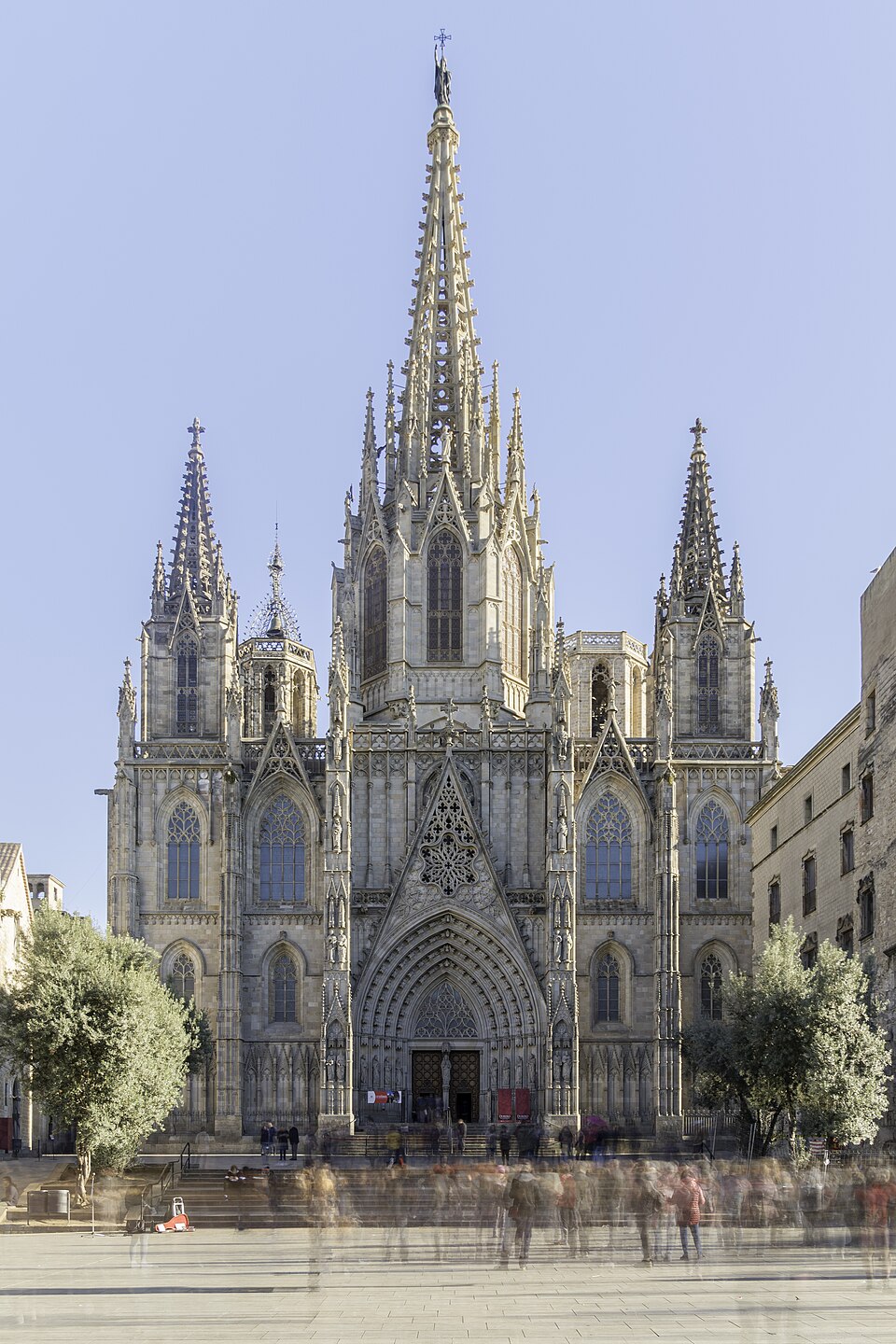
The Gothic cathedral's cloister keeps 13 geese for the 13 years of Santa Eulàlia's martyrdom, look for them mid-morning when it's calm.
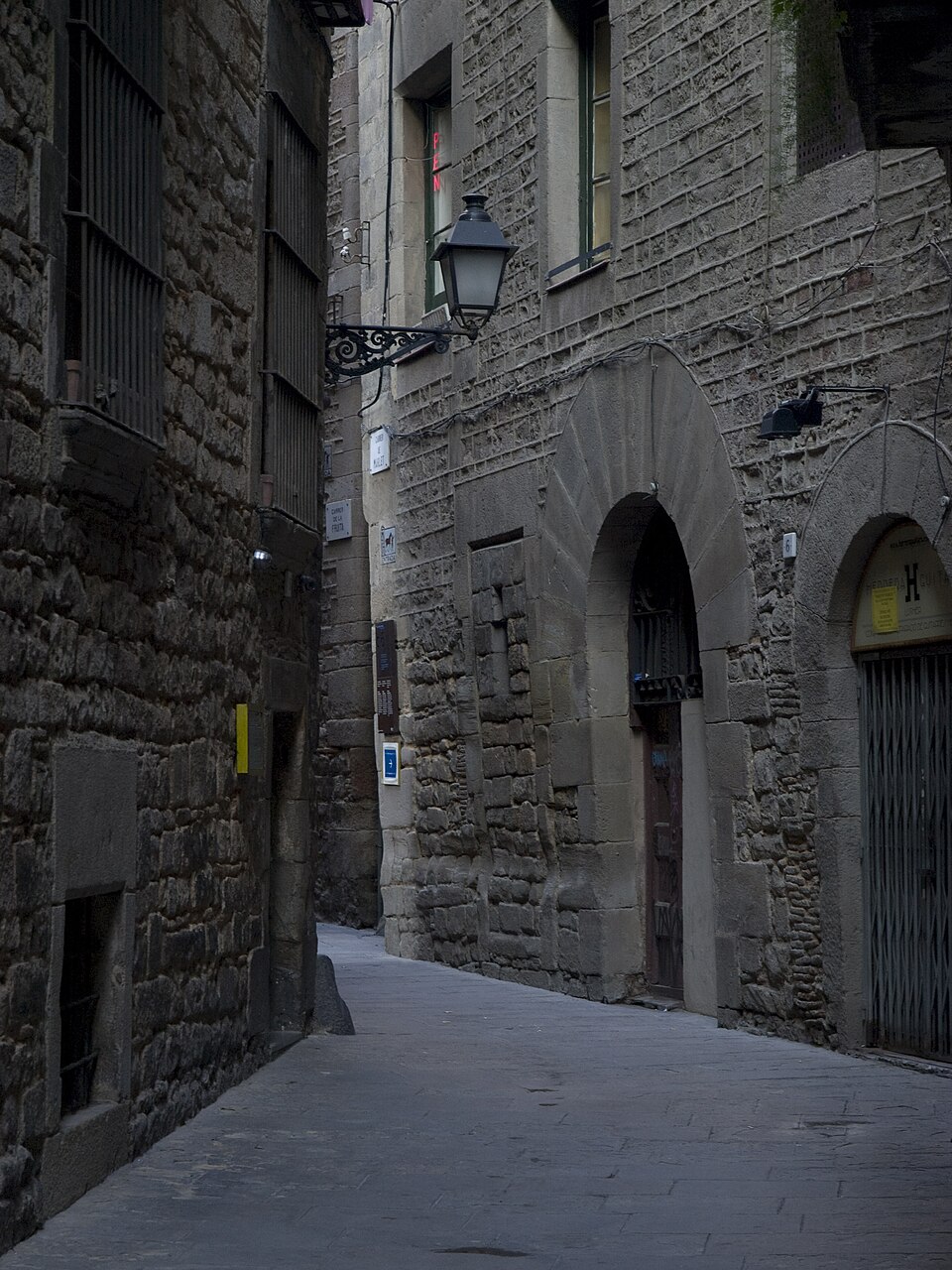
Trace Carrer de Marlet and the old synagogue lane, one of Europe's best-preserved medieval Jewish quarters, mostly empty of crowds by late morning.
Barcelona's oldest restaurant (1786) for classic Catalan cooking, order the canelons if they're on the menu.
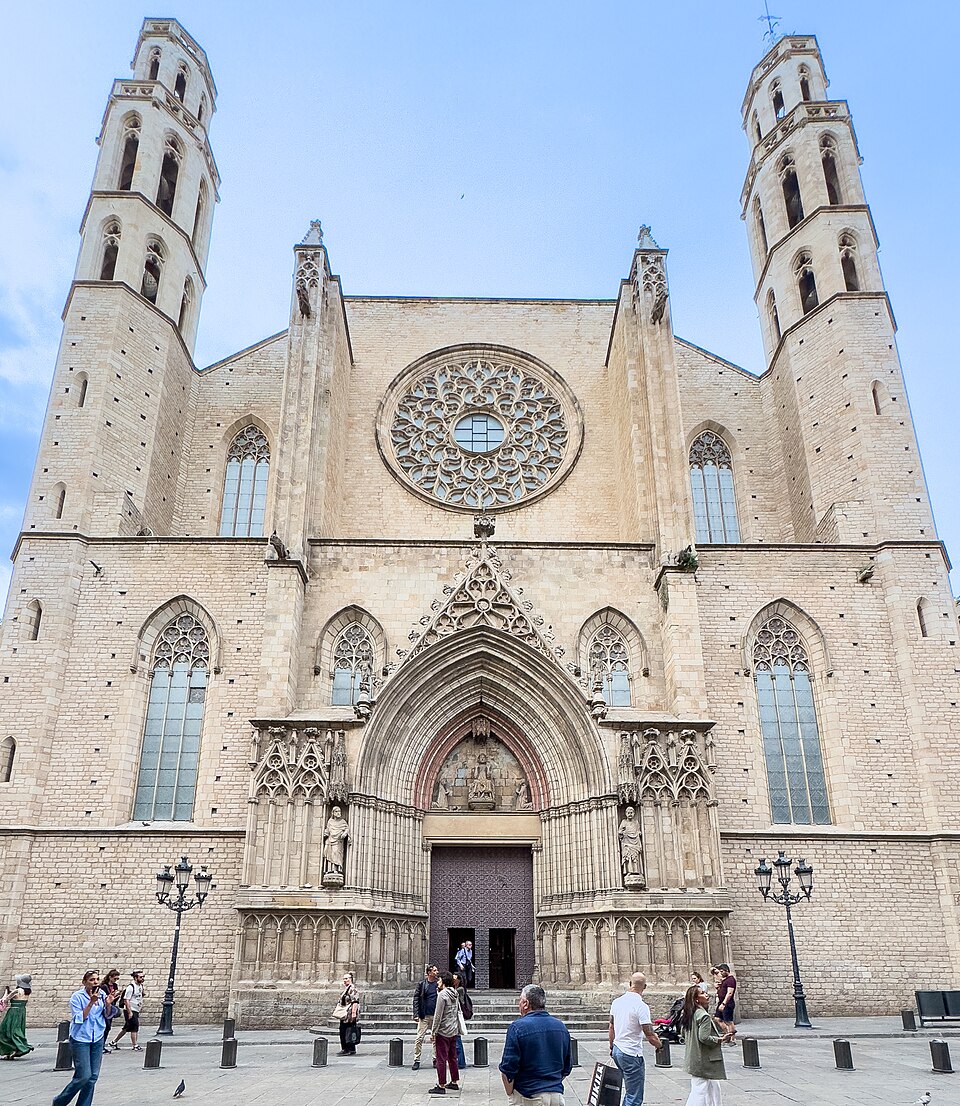
The purest Catalan Gothic church in the city, built by dockworkers' donations, the slim columns make the nave feel weightless.
Wander this medieval merchant street of stone palazzos (several now house the Picasso Museum) toward Passeig del Born as afternoon light hits the facades.
An 1876 Ramblas institution, sit at a marble table for a light bite the way locals have for a century.
Book the earliest slot you can, the stained glass throws its best color across the nave in morning light.
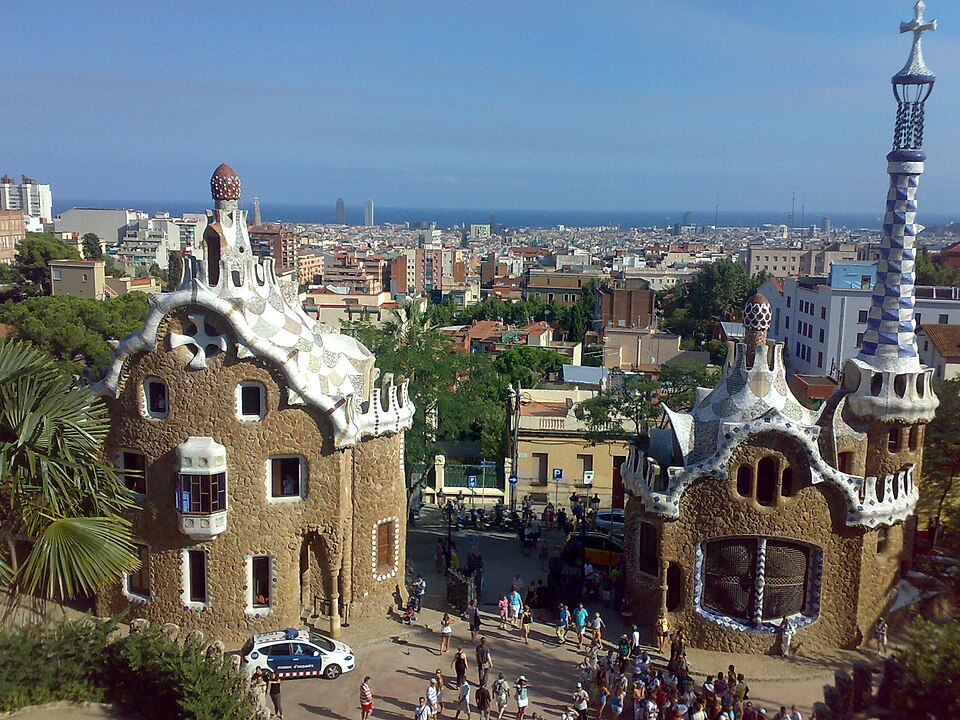
Gaudí's mosaic terrace and the trencadís bench, the monumental zone needs a timed ticket, so book ahead.
A working granja since 1870, the inventors of Cacaolat; grab a quick xocolata i melindros between sights.
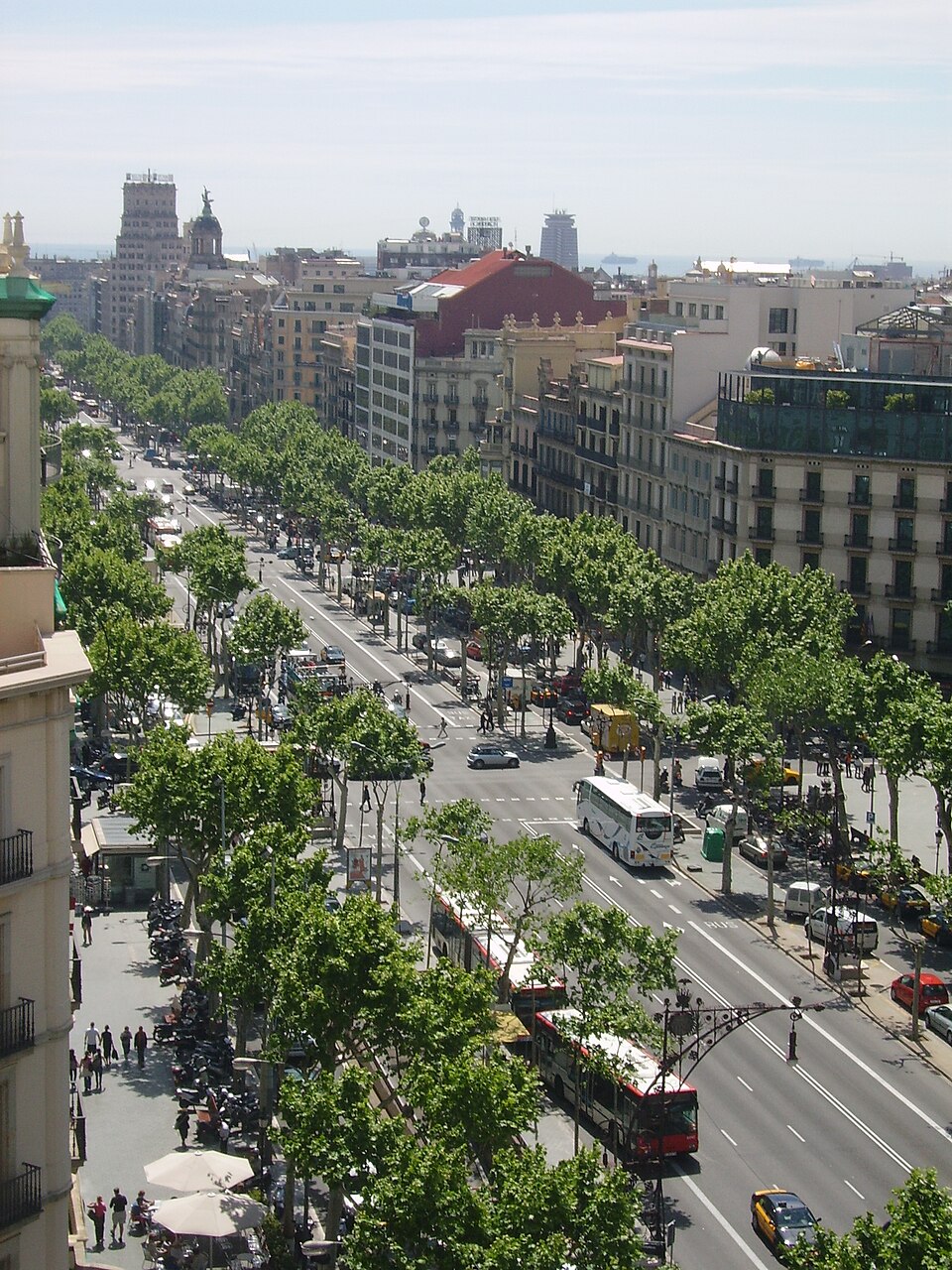
Stroll past Casa Batlló and Casa Milà (La Pedrera)'s rippling stone facade. Casa Batlló's roof is said to represent the dragon of Sant Jordi.
The tavern where a teenage Picasso held his first exhibition and designed the menu, fitting close to a modernisme day.
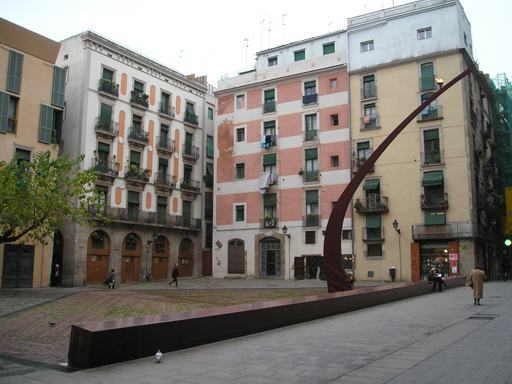
Built over the ruins of the neighborhood razed after the 1714 siege, the excavated foundations under glass floors tell that history directly.
A quiet eternal flame marks the mass grave of the 1714 siege's defenders, right beside Santa Maria del Mar.
A tiny, tiled 1929 cava bar, stand at the counter for anchovies and a glass of house cava, a proper Born ritual.
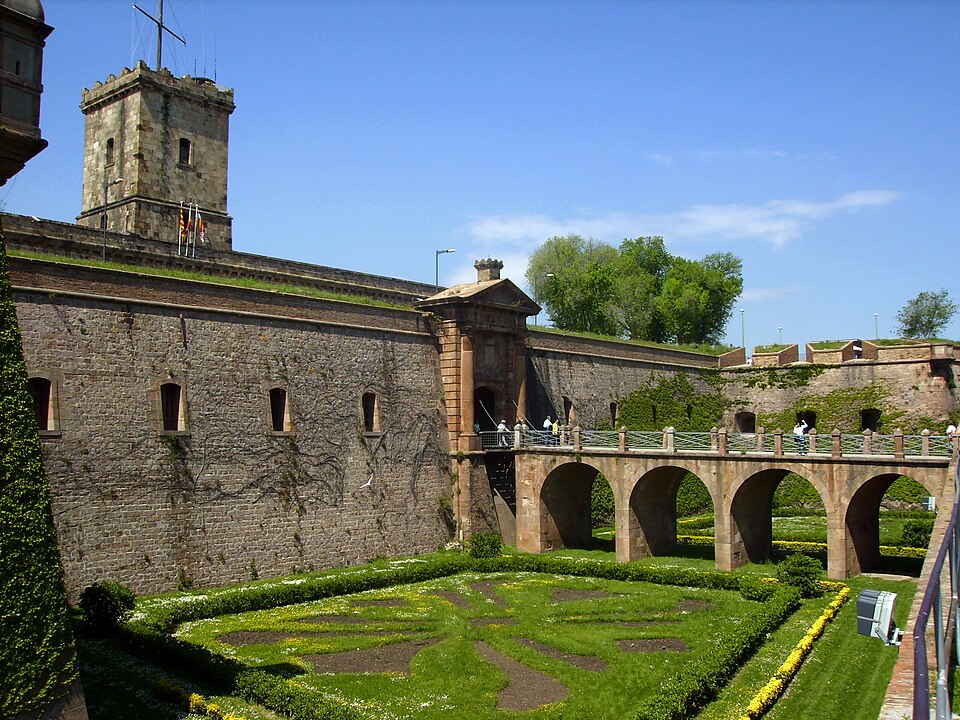
Ride the Telefèric de Montjuïc up for the view, then walk the 17th-century fortress walls that once shelled the city below.
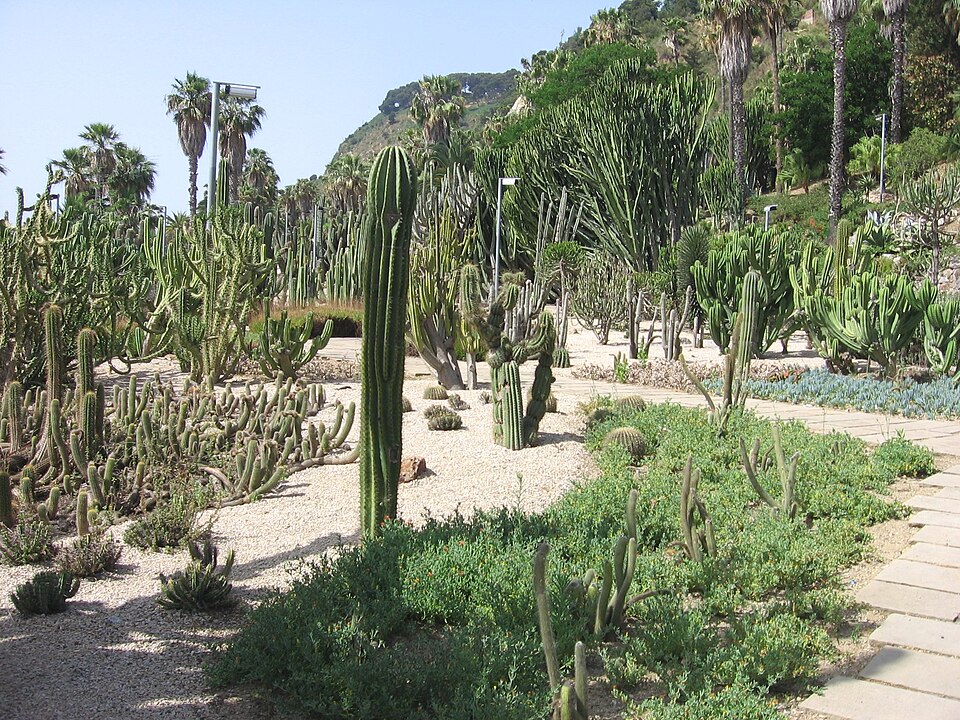
A cactus garden terraced into the cliff below the castle, the west-facing benches catch the sun dropping over the harbor.
Canelons and market cooking in a dining room that has served since 1786.
Thick drinking chocolate with sponge biscuits at a working granja, the old Barcelona mid-afternoon ritual.
House cava and anchovies, standing room only, in the bodega the Born has queued at for a century.
The seafood rice done the pre-tourism way, in a restaurant that has fed the port since 1836.
No. Days 1 and 3 are on foot from the old city, day 2 runs on the metro, and the Montjuic cable car does the only climbing.
Sagrada Familia and Park Guell both cap entries with timed tickets; book both before you travel. The Born Centre and the Barcino excavations are easier, but check current opening days for the underground sites.
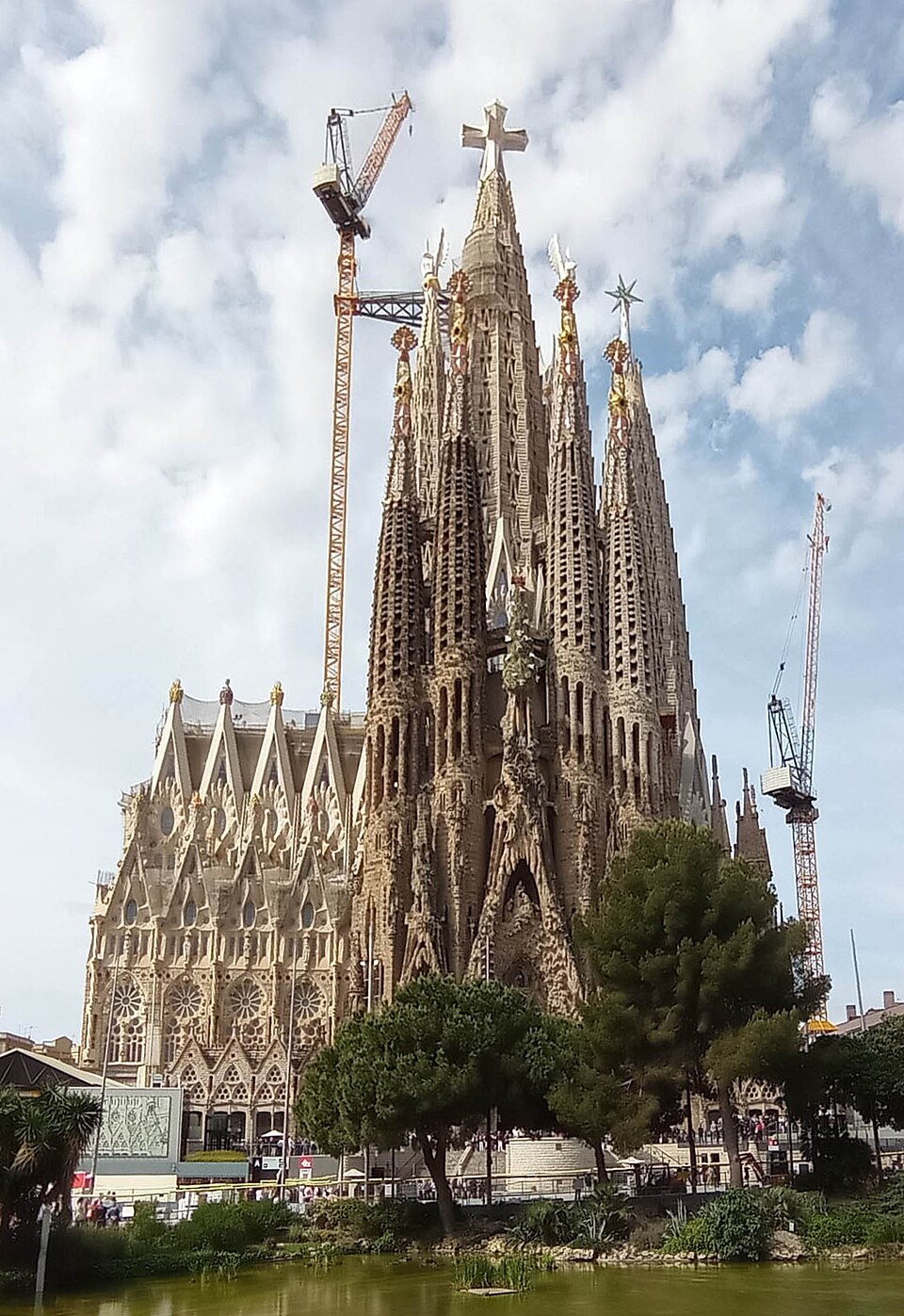
Because modernisme is a chapter of the city's history, not a detour from it. Day 2 treats the basilica and the park as the industrial era's self-portrait; the deeper Gaudi-by-Gaudi tour belongs to the first-visit plan.
The Aerobus and the R2 Nord train both reach the center in about half an hour; from the cruise port, a taxi to the old city is short.
For the city's own layers, yes. The region's history, Girona's medieval quarter and the Romanesque murals collected in the MNAC, is what a fourth and fifth day add.
The Barcino excavations and the Born Centre both reward slow reading; split day 1 so the Roman city gets a whole morning and the Call walk an unhurried afternoon.
The MNAC's rescued Pyrenean church murals are among Europe's great medieval collections, and the museum sits on Montjuic where day 3 ended; pair it with the Poble Espanyol if you want the architecture survey.
The best-preserved medieval quarter in Catalonia is under forty minutes away by fast train; its cathedral steps and Jewish quarter make the ideal companion day to El Call.

This trip was built for a typical first visit. You aren't typical. Find your loves, your budget, and your perfect Barcelona adventure by building on this trip with Hey Robin.
Finish this itinerary FREE at Hey Robin →