15:00–15:30
1Check in. Chania hotel Rest
Drop bags and get oriented; the Old Harbour is a 10-minute walk away.
A week is what Crete actually needs, and this plan splits it the way the island splits: three nights in Chania for the Venetian harbour and the west's absurd beaches, Balos lagoon chief among them, then three in Heraklion for Knossos, Phaistos and the museum that holds what came out of them. One easy coastal drive connects the halves, and the fixed points are few: beaches want mornings, ruins want the hour after opening, and the harbours take care of every evening themselves.
 Planned by Robin
7 days · 31 stops
Planned by Robin
7 days · 31 stops
Drop bags and get oriented; the Old Harbour is a 10-minute walk away.
Wander the horseshoe harbour and the tangled Venetian-Ottoman lanes behind it, unhurried.
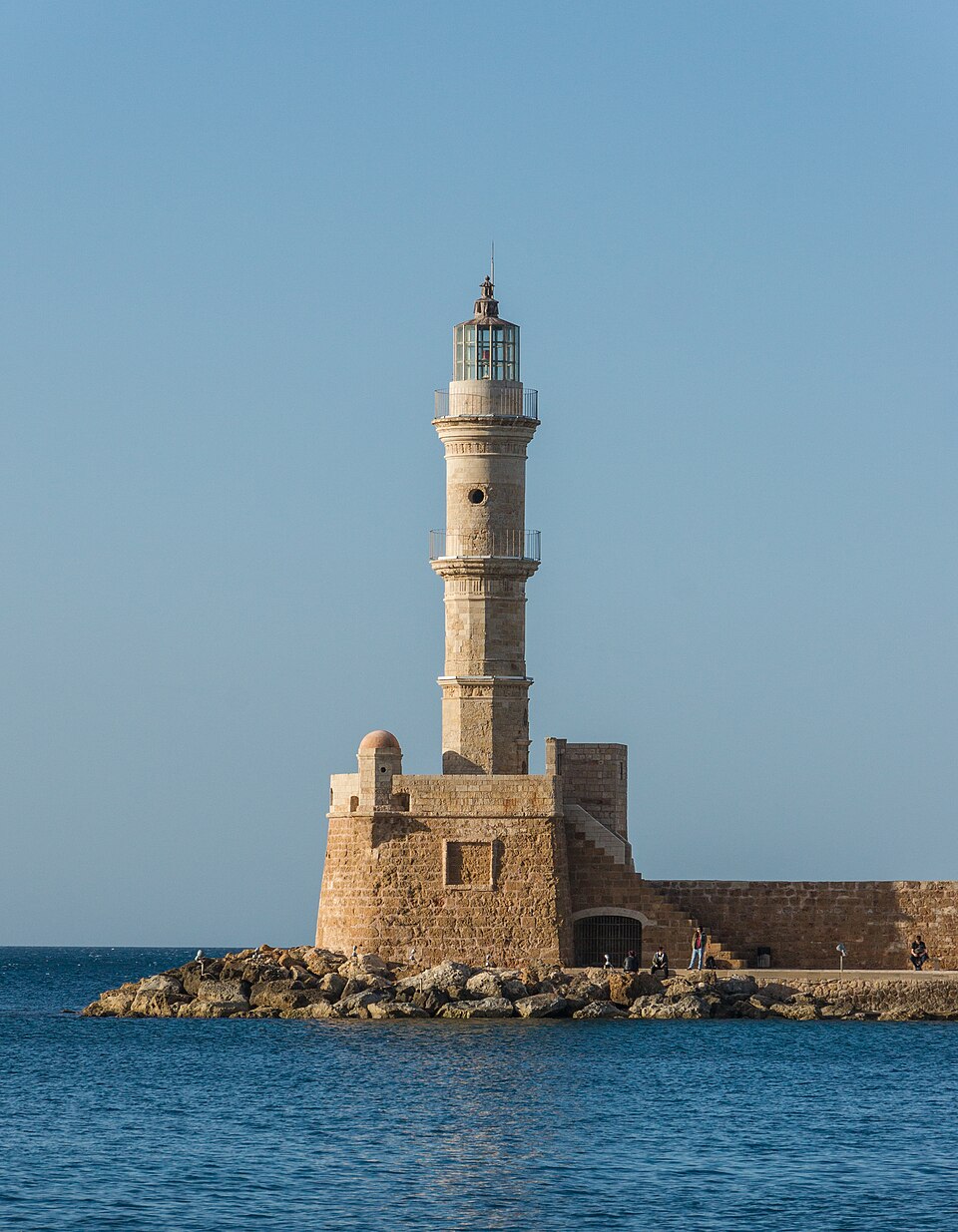
Climb the old fortress ramparts for the classic postcard view back across the harbour at golden hour.
Cretan-Ottoman fusion in a converted hammam right by the harbour, start with the saganaki and go from there.
Scenic coastal drive to the trailhead above Balos; last stretch is a rough track, go slow.
The 20-minute switchback path down opens onto the turquoise-and-white lagoon, pause at the top for the classic shot.
Shallow, warm, and startlingly turquoise, bring water shoes for the sandy-rocky shallows and reef shoes matter here.
Retrace the coast road; grab a rest stop in Kissamos if needed.
Relaxed harbourfront dinner after a big beach day, the grilled fish is the move.
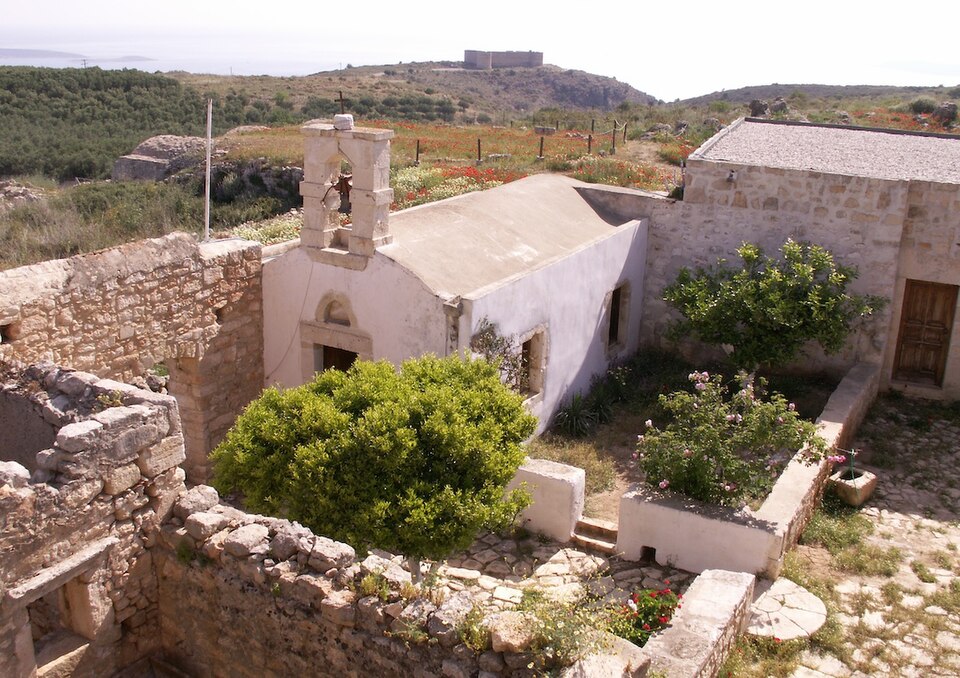
Sprawling, mostly-empty ruins of a Minoan-Greek city on a plateau with sweeping bay views, few tourists make it out here.
The gnarled, still-fruiting tree is reckoned 2,000–4,000 years old, the small museum beside it explains Crete's oil-making history.
A proper local swimming beach a short walk from the old town, with sunbeds and shallow water for a lazy afternoon.
Tamam, in the old town one street back from the harbour for a quieter, less touristy table.
Leave by 09:15 to be ready for the 09:30 drive to Heraklion.
Fixed drive along the coastal highway with sea views most of the way.
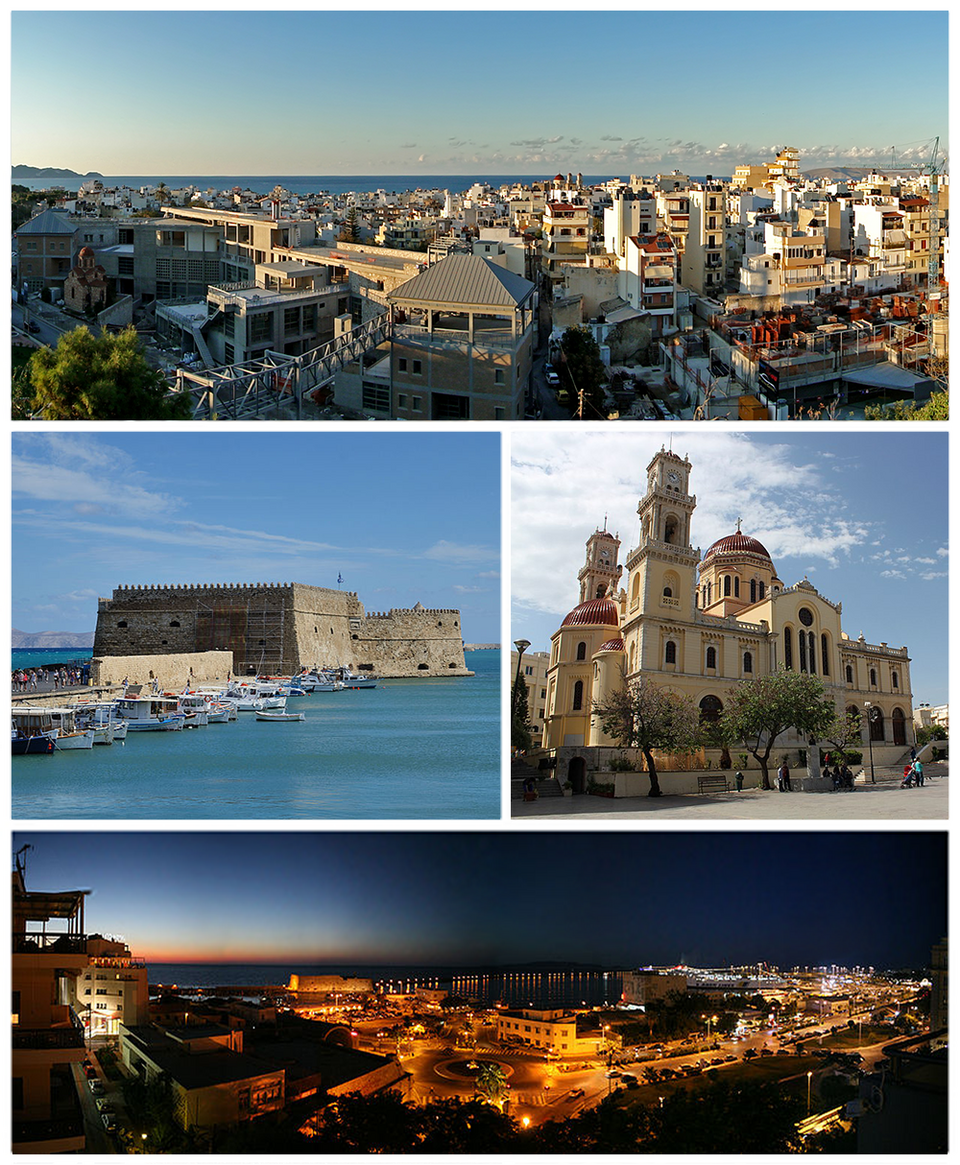
Drop bags; the old harbour is a five-minute walk.
Climb the Venetian sea-fortress ramparts guarding the old harbour mouth for the best sunset angle over the water.
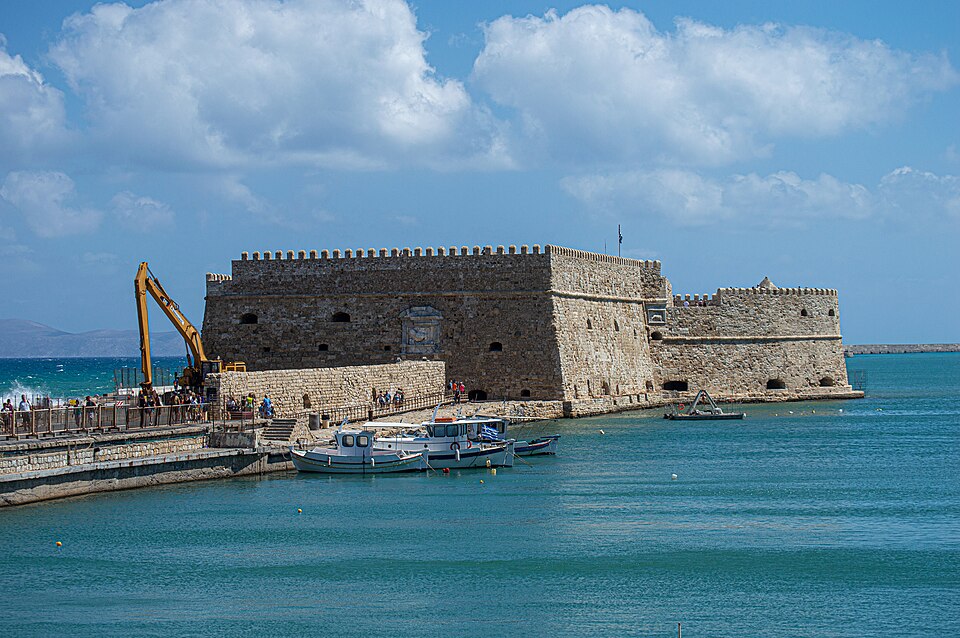
Stroll the arsenali (old shipsheds) and harbourfront as the evening crowd gathers.
Cretan farm-to-table cooking using heirloom recipes and estate-grown produce, a genuine local favorite, not just for tourists.
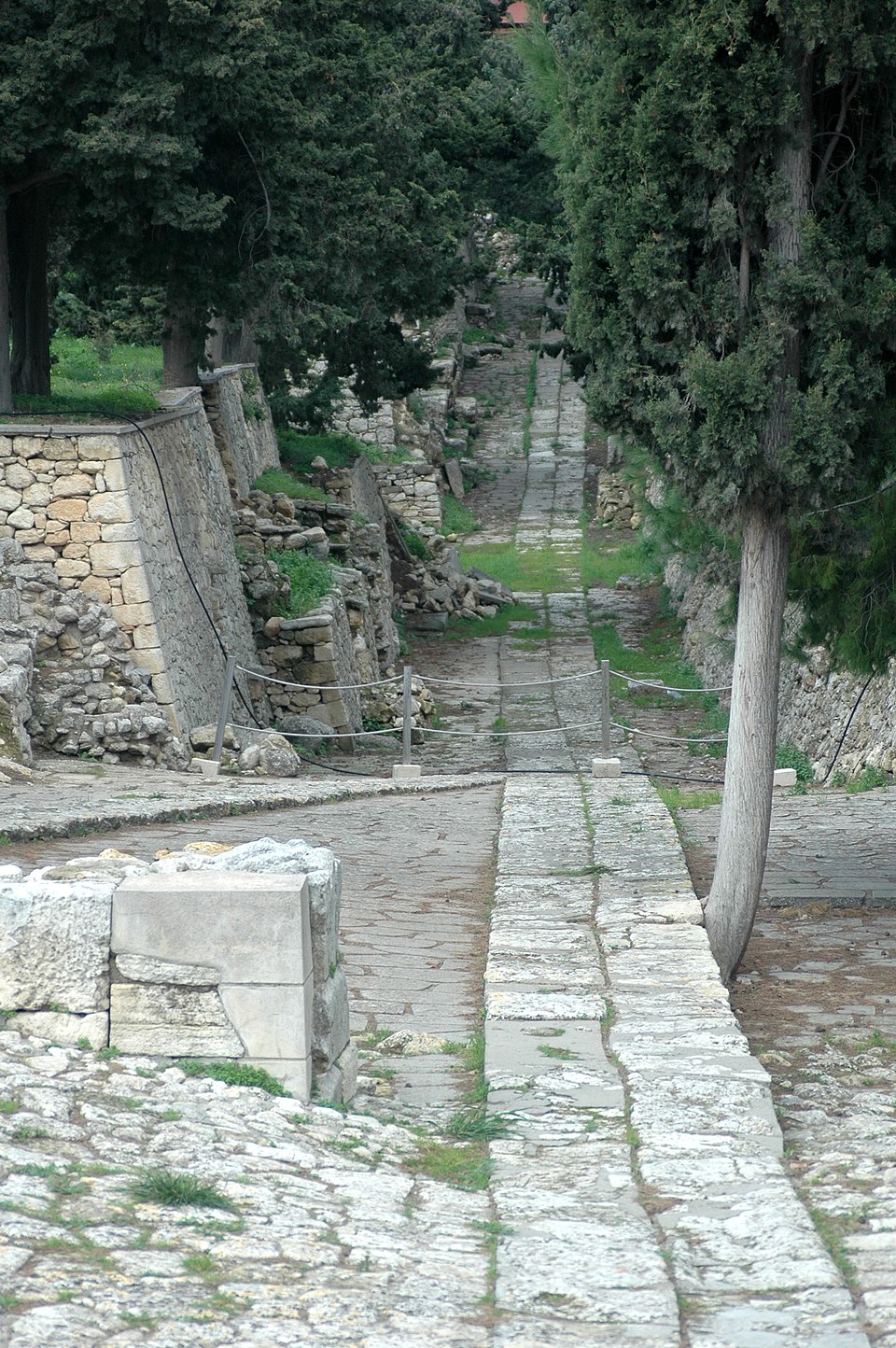
Arrive near opening to beat the coach groups; the reconstructed red columns and throne room are the must-see core.
Holds the actual frescoes, seals and the Phaistos Disc found at Knossos, pairs perfectly with the morning's ruins.
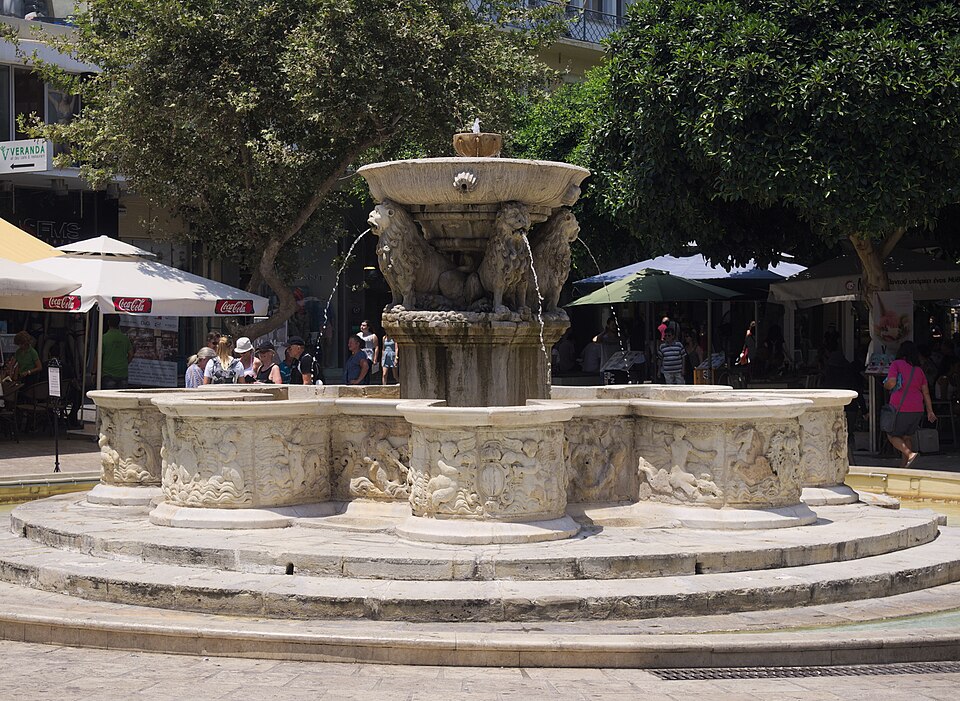
The Morosini Fountain square and the pedestrian street down to the harbour are where locals do their evening passeggiata.
A quiet taverna table on the harbourfront to close out a history-heavy day.
About an hour south through the Messara plain's olive groves.
Crete's second great Minoan palace, dramatically sited on a hilltop with views across the Messara valley, far fewer crowds than Knossos.
A smaller Minoan villa complex nearby, known for its exquisite frescoes and sarcophagus finds now in Heraklion's museum.
Swim below the famous cliffside caves carved into the sandstone, the south coast light and water color are unlike the north.
Grilled fish taverna by the beach before the drive north, timed to catch the sunset over the bay.
A wide sandy beach just west of Heraklion, easy and uncrowded for one last swim before checkout.
Bags out; leave the car nearby for a last stroll before you go.
Loop back through the harbour and Lion Square for a final unhurried look before departure.
Heirloom recipes and estate produce: stamnagathi greens, antikristo lamb, everything under its own olive oil.
The island's layered history on a plate, in a converted hammam behind the harbour.
Whole fish over coals, lemon, a carafe of house white, the Venetian-harbour formula that never misses.
Barley rusk under tomato and mizithra to start, and the little carafe of raki that arrives unasked at the end, on the house, everywhere. No planning needed; refusing it is the only mistake.
Yes, for this plan, without question. Balos, the Vouves olive tree, Phaistos and Matala have no practical bus story, and the island's distances are honest: nothing here exceeds the two-hour mark, but everything worth it sits at the end of its own road.
Knossos sells timed e-tickets, book the first morning slot and you will walk past the coach queues. Everything else on this plan is turn-up: Balos charges a small road toll, the museums take cards at the door, and June tavernas still have tables if you eat before nine.
Fly open-jaw if you can: into Chania, out of Heraklion, exactly as the plan runs. One-way car rentals between the two are routine on Crete; if you must round-trip from Heraklion, the coastal highway back west adds about two and a half hours on the last day.
Yes, comfortably, and Balos's shallow lagoon is warmer still. The south coast at Matala runs a touch cooler and clearer; by September the whole island swims like a bath.
For west plus center, yes, this plan does both properly. What it leaves out is the east (Agios Nikolaos, Spinalonga, the palm beach at Vai) and the gorges, Samariá above all, each an easy reason to come back or to stretch to ten days.
Break the day-4 drive with a night in the third Venetian town, its fortress, harbour and sandy town beach deserve more than a lunch stop, and the move east stops feeling like a transfer.
Europe's great day-hike: 16 km down the gorge to the Libyan sea and a ferry out. It costs a full day and pays it back; ask Robin to slot it and it will shuffle the beach days around the forecast.
Two nights around Agios Nikolaos for Spinalonga's leper-island story, Elounda's water and the palm forest beach at Vai, the third Crete this week never meets.
This trip was built for a typical first visit. You aren't typical. Find your loves, your budget, and your perfect Chania adventure by building on this trip with Hey Robin.
Finish this itinerary FREE at Hey Robin →


