09:00–10:30
1Explore Alfama Walk
The oldest quarter's steep, narrow lanes survived the 1755 earthquake, wander without a map and let it surprise you.
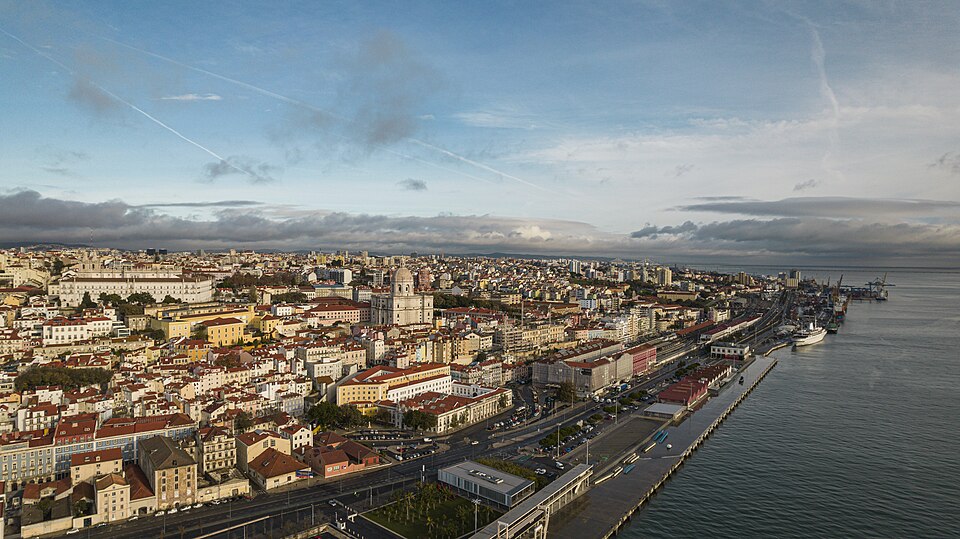
Three days of eating Lisbon means tascas with chalkboard menus, a seafood hall where the tiger prawns set the benchmark, and custard tarts eaten warm at the counter, twice, from the two bakeries that argue over who does them best. The city's hills and miradouros come between meals; the meals are the plan.
 Planned by Robin
3 days · 18 stops
Planned by Robin
3 days · 18 stops
The oldest quarter's steep, narrow lanes survived the 1755 earthquake, wander without a map and let it surprise you.
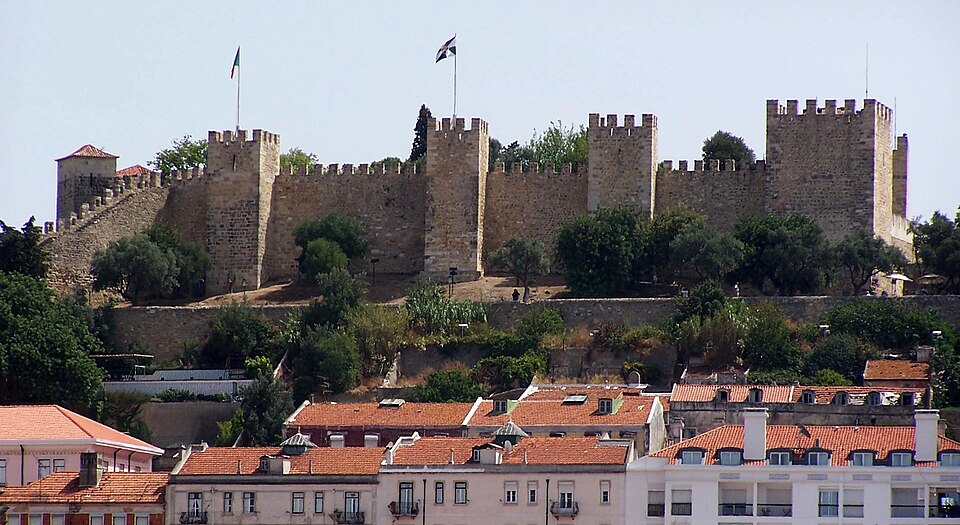
Climb the ramparts for the widest rooftop view in the city, the walls date to Moorish rule.
Watch the pastéis de nata come out of the oven at the open counter, best eaten warm, right there.
This terrace faces east over the Tagus and Alfama's rooftops, one of the few views with benches and no crowds barrier.
Lisbon's oldest multicultural neighborhood and the true birthplace of fado, quieter and grittier than Alfama.
A tiny, no-frills tasca packed with locals for grilled fish and bifana, arrive right at opening or expect a short wait.
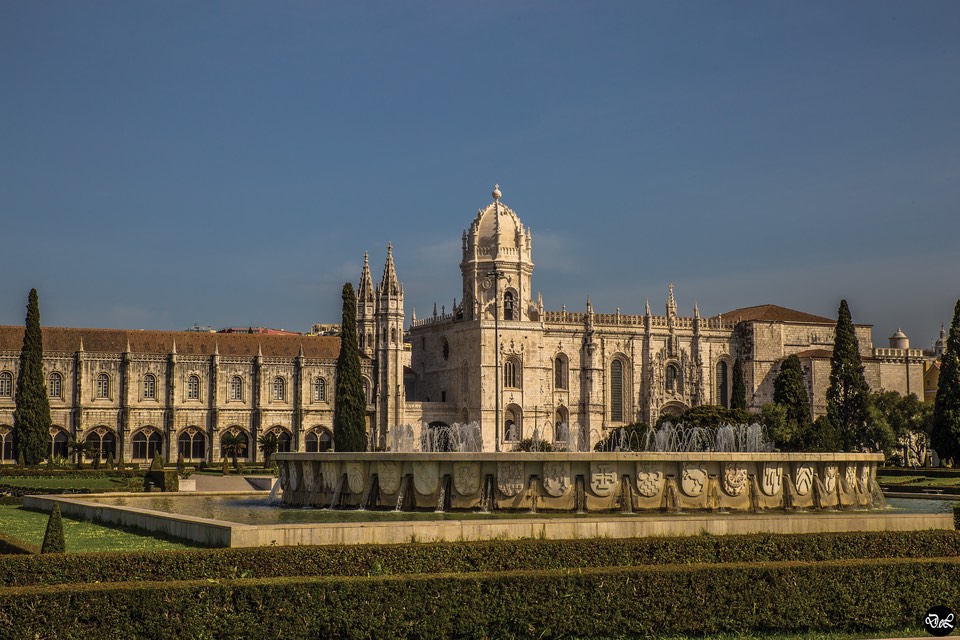
The limestone cloisters here took a century to carve, funded by the spice trade, go right at opening before tour buses arrive.
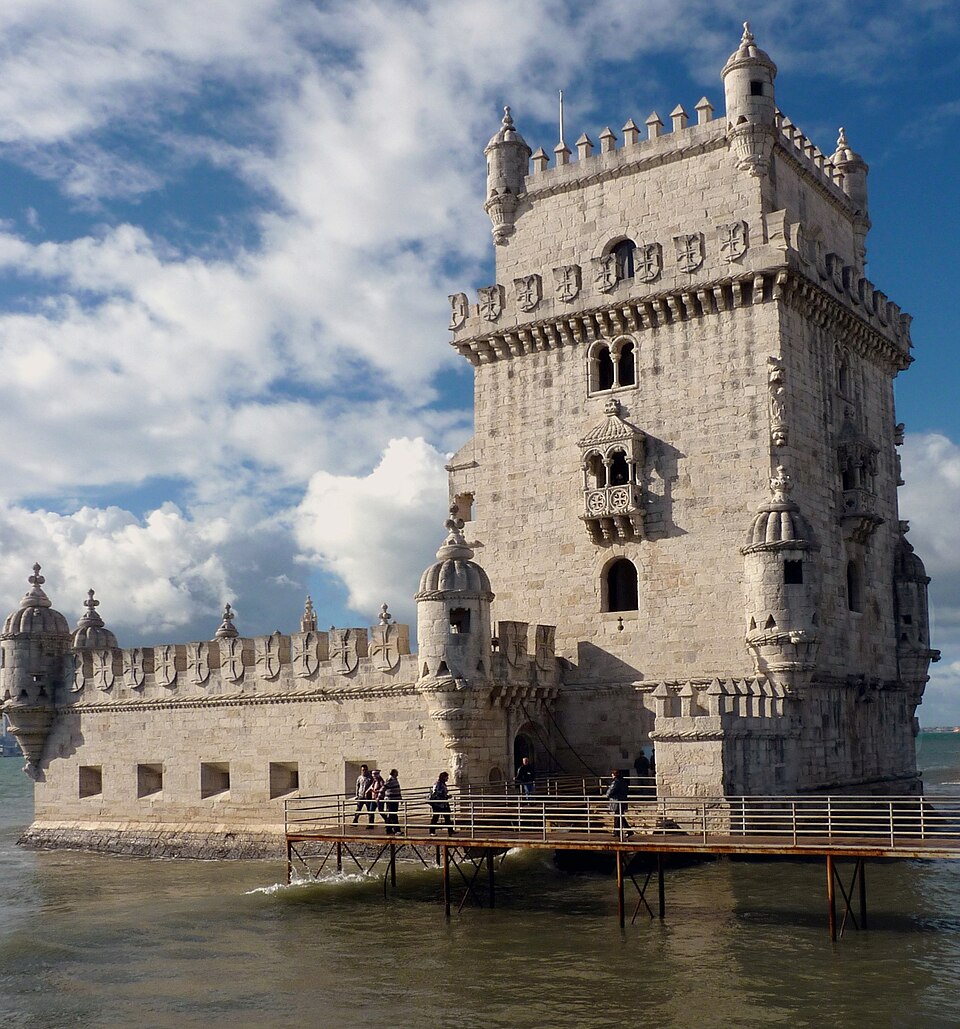
Built to guard the river mouth Vasco da Gama sailed from, walk the ramparts for a low view straight down the Tagus.
The original custard tart bakery since 1837, order at the counter, then eat at a marble table dusted with cinnamon.
Stroll the waterfront promenade with the Tagus on one side, the Ponte 25 de Abril frames the view west.
A former textile mill turned into studios, bookshops and workshops, the city's creative undercurrent, best browsed slowly.
Legendary seafood hall famous for tiger prawns and garlic clams, go hungry, it's the city's benchmark for shellfish.
Under one roof since 2014, this covered market gathers the city's best-known kitchens for a browse-and-graze morning.
Elegant Chiado by day gives way to Bairro Alto's low-key bars by night, wander its bookshops and tiled facades now.
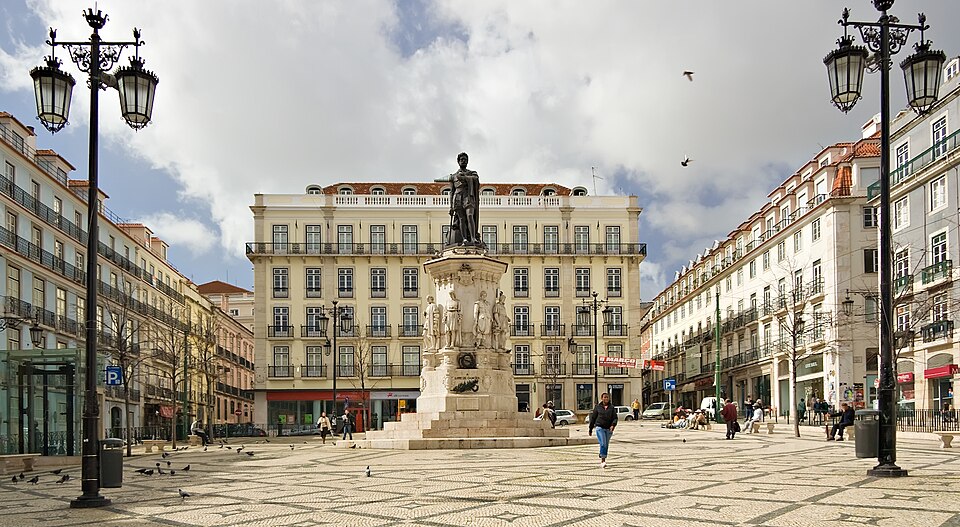
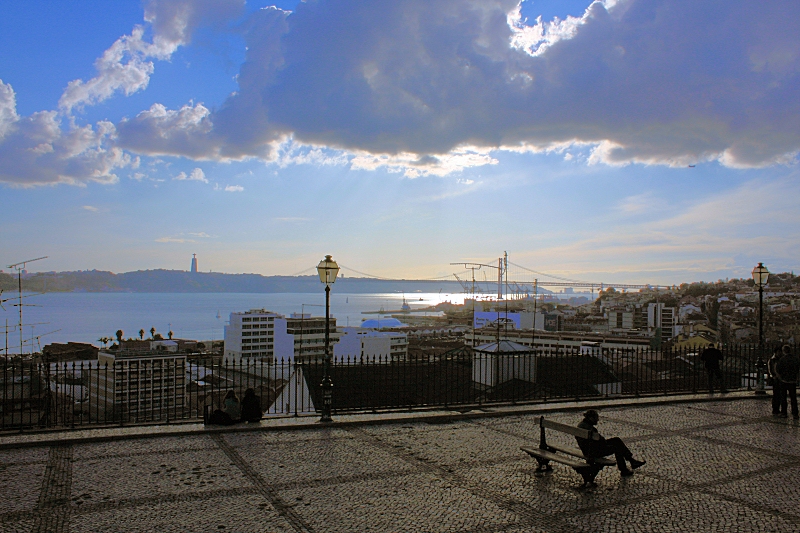
A terrace over the river with the Ponte 25 de Abril in view, popular with locals for a slow afternoon sit.
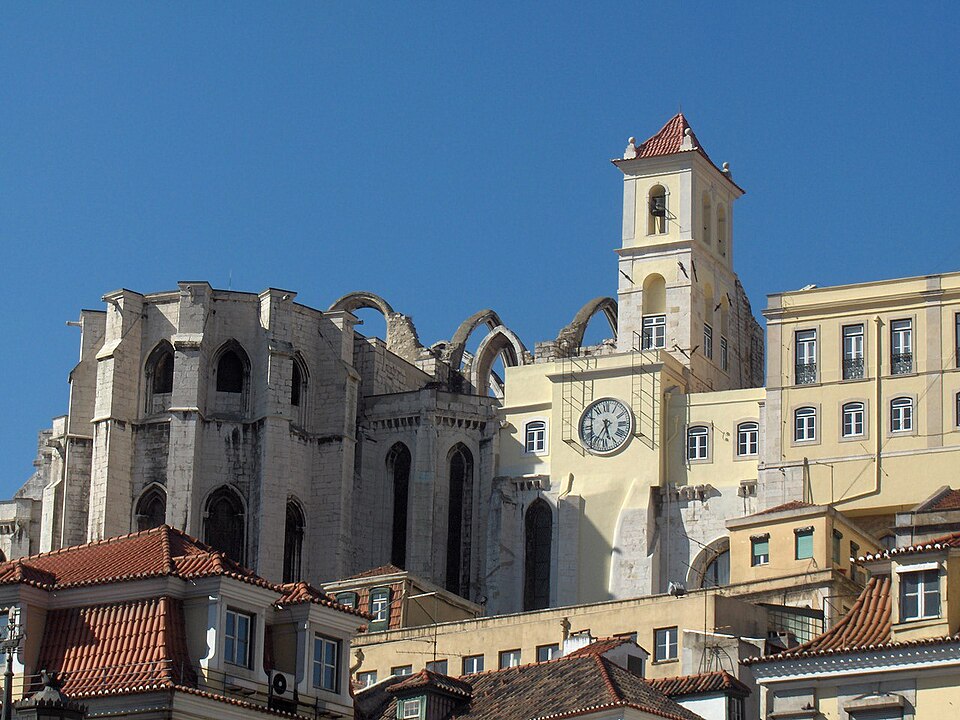
Roofless Gothic ruins left as a memorial to the 1755 earthquake, the open sky through the arches is unforgettable.
No plan needed, duck into A Brasileira for a coffee-house glance or just window-shop the antique stores.
A tiny tiled tasca with a chalkboard menu that changes daily, book ahead, there's only a handful of tables.
Warm custard, scorched top, cinnamon if you take it. The city's two great schools, tasted a day apart.
The marble-and-steel seafood hall, tanks by the door, bibs optional, restraint impossible.
Paper tablecloths, the day's fish on a chalkboard, and a pork sandwich that explains itself.
The sour-cherry liqueur poured in a doorway, drunk in two sips, chased with nothing. The plan leaves it unpinned on purpose: ask Robin to point you to the counter nearest wherever evening finds you.
No. This plan is walking, the 15 tram or train to Belém, and the metro. Parking in Lisbon is a punishment nobody deserves on holiday.
Taberna da Rua das Flores has only a handful of tables, book it. Ramiro takes reservations and the queue without one is real. Zé da Mouraria is first-come; arrive at opening. Jerónimos sells timed tickets worth buying online.
Not before about 21:00, and the good rooms warm up later still. This plan leaves evenings open after early dinners exactly so a fado house can follow; ask Robin to pin one in Mouraria or Alfama and it will time the night properly.
The metro's red line runs from the terminal into town with one easy change to Baixa or Chiado, about 30 minutes; a taxi or ride app is 15 to 25 minutes outside rush hour.
For the benchmarks, yes: the tarts both ways, a proper tasca, the seafood hall and a market morning are all here. A fourth day buys the food streets of Campo de Ourique and a bacalhau deep-dive, and Robin will happily build the extension.
Its covered market is what Time Out was before the crowds; build a morning around it, then ride tram 28 back across the hills for the classic descent.
Belém deserves longer than a morning: add the MAAT along the river and a second unhurried round at the tart counter, and move LX Factory's browsing to a slow late afternoon.
Either coast trip ends in grilled fish at the water's edge; Setúbal adds choco frito, the fried cuttlefish worth the extra minutes on the train.
This trip was built for a typical first visit. You aren't typical. Find your loves, your budget, and your perfect Lisbon adventure by building on this trip with Hey Robin.
Finish this itinerary FREE at Hey Robin →


.jpg)
.jpg)

