09:00–09:45
1Koutoubia Mosque Culture
Non-Muslims can't enter but the 12th-century minaret and gardens are the medina's landmark orientation point.
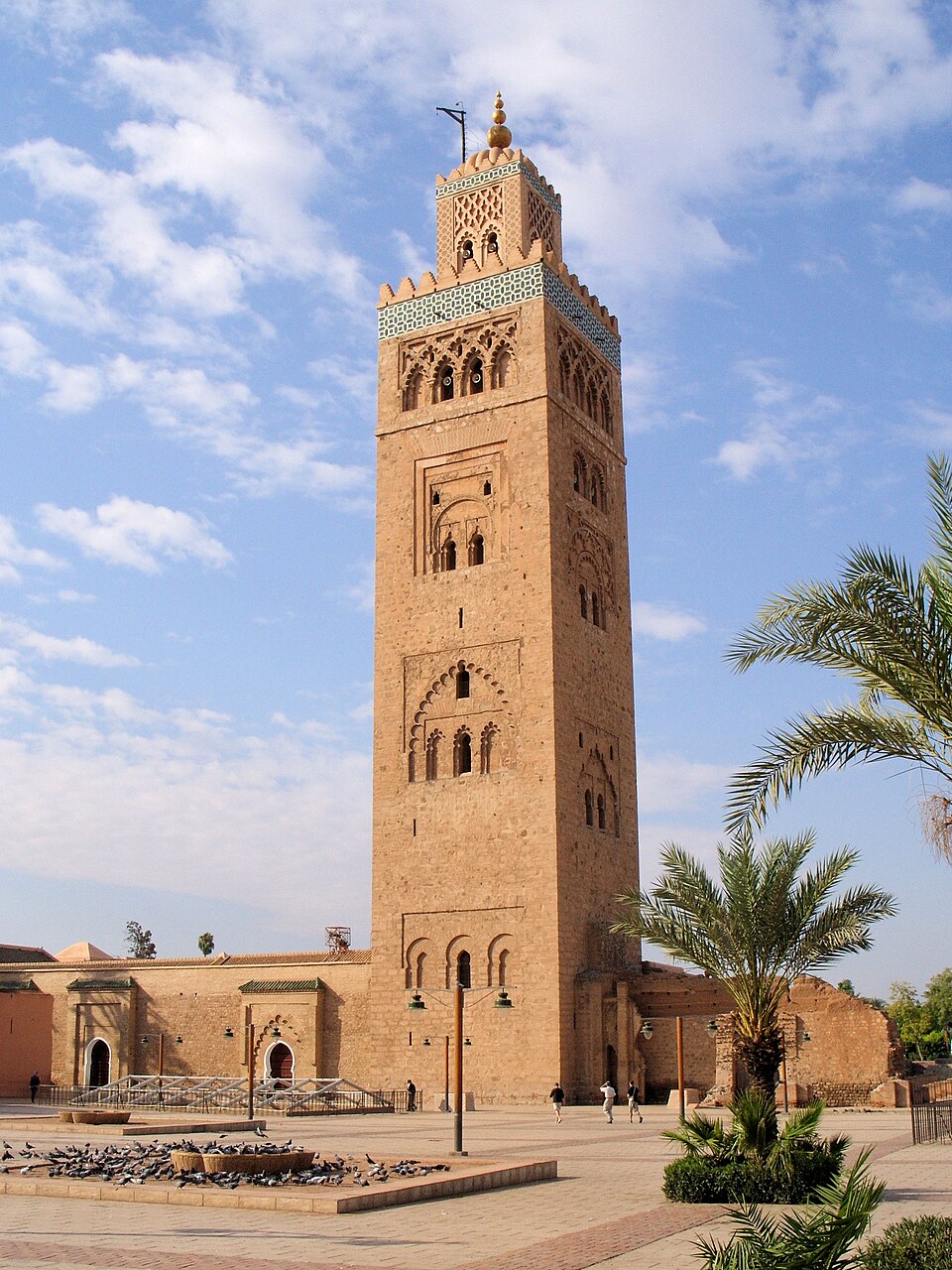
Three days in Marrakech works best as three moods: one day surrendered to the medina, from the Koutoubia's minaret to the souks to Jemaa el-Fnaa's smoke and drums at dusk; one day of gardens and dynasties, cobalt-blue Majorelle in the morning and the Saadian Tombs in the afternoon; and a final day for the crafts that make the city, a madrasa, a tannery, a real hammam. Every stop here sits inside or beside the old city, so the whole plan runs on foot with the minaret as your compass.
 Planned by Robin
3 days · 21 stops
Planned by Robin
3 days · 21 stops
Non-Muslims can't enter but the 12th-century minaret and gardens are the medina's landmark orientation point.
Quietest in mid-morning before the crowds build, watch snake charmers and orange-juice carts set up for the day.
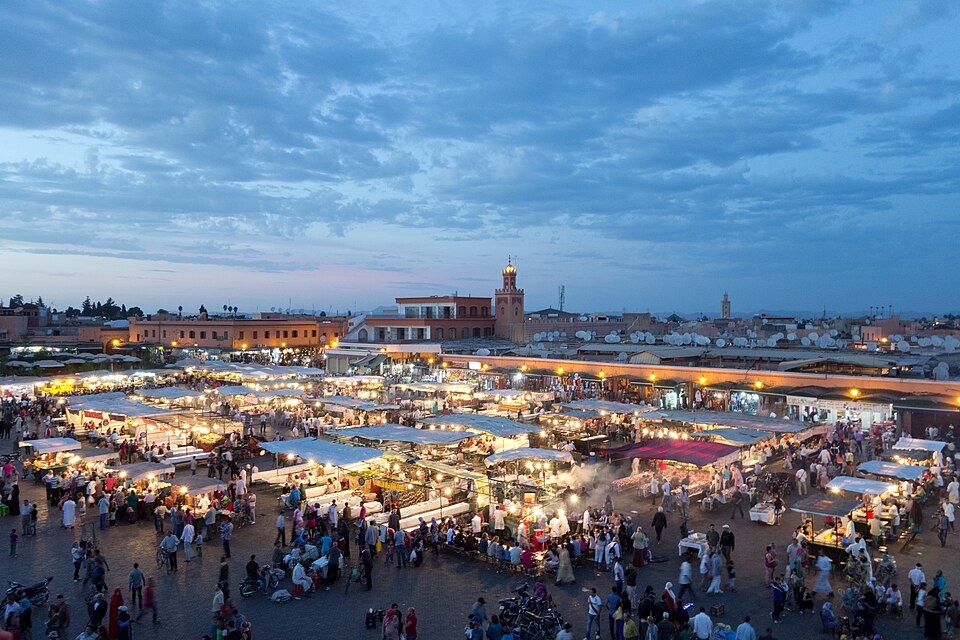
Wander the covered lanes off Rue Semmarine, spice pyramids at Rahba Kedima are the best photo op, and haggling is expected.
Courtyard restaurant with orange trees overhead, a calm lunch break tucked just off the souk chaos.
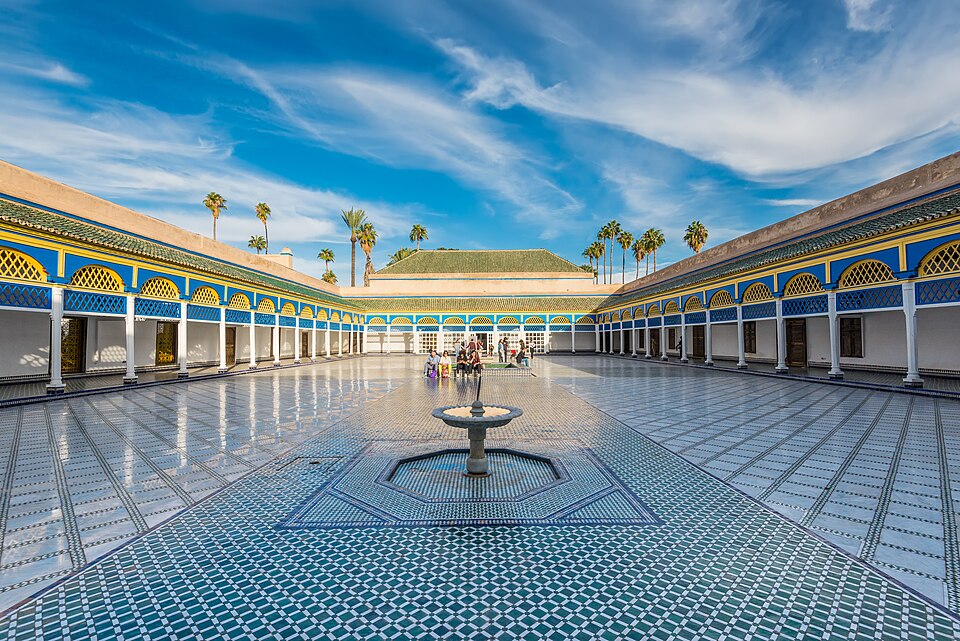
Go for the carved cedar ceilings in the grand courtyard, best lit in mid-afternoon sun.
Return as the food stalls fire up and drummers gather, the square's nightly ritual locals genuinely still show up for.
Rooftop terrace over the souks, modern takes on Moroccan classics, book ahead for a table with a view.
Arrive at opening to beat the tour buses, the cobalt-blue villa and bamboo groves are cooler and quieter early.
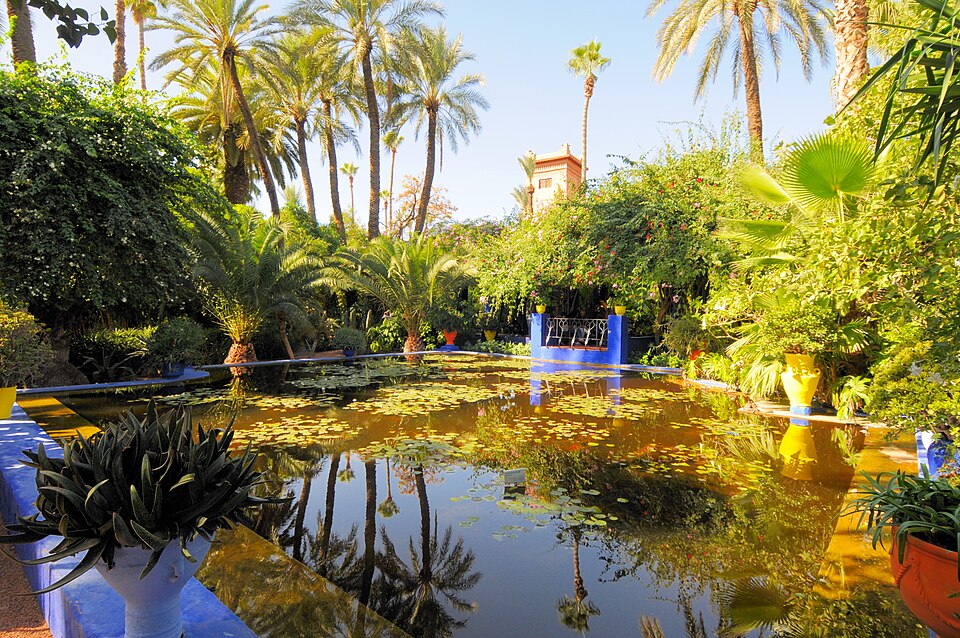
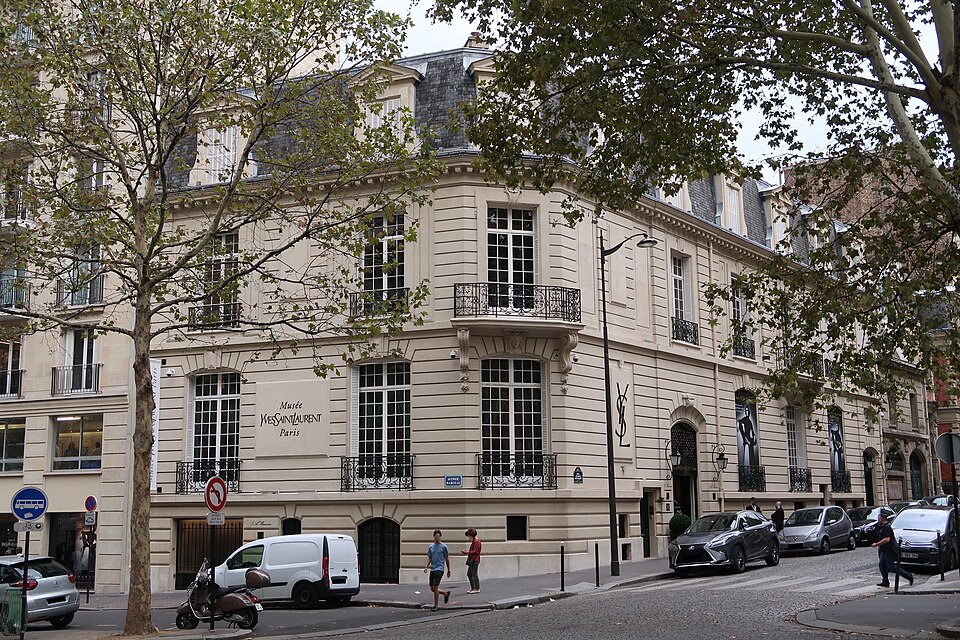
Next door to the garden, a compact museum on YSL's Marrakech-inspired collections in a striking terracotta building.
Women's cooperative kitchen serving home-style Moroccan dishes, proceeds fund vocational training, a lunch with real purpose.
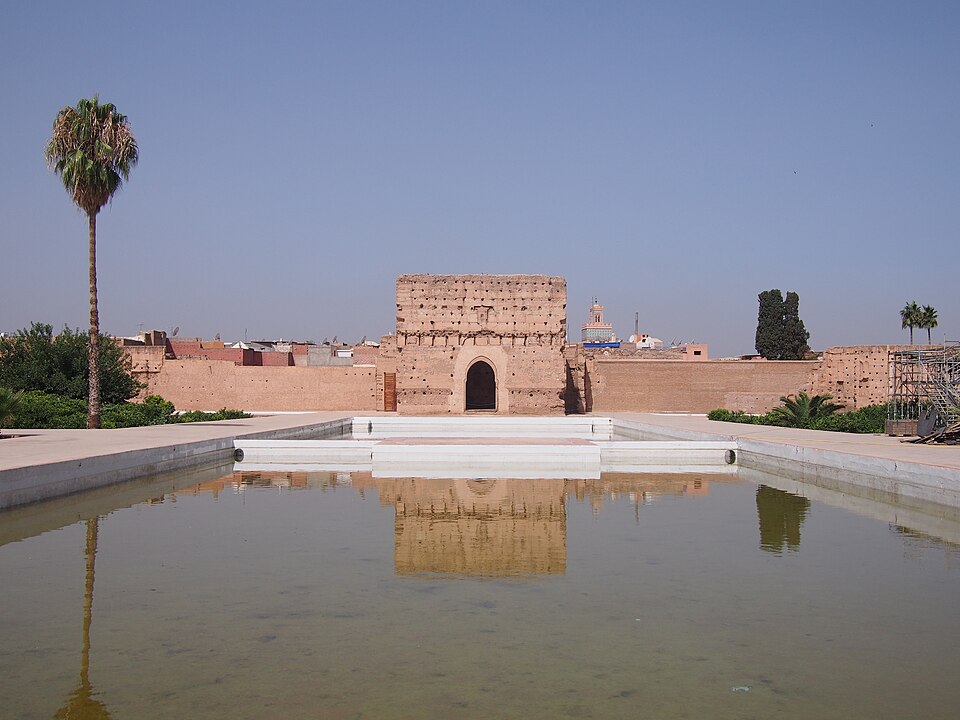
Sun-bleached ruins with storks nesting on the walls, climb the ramparts for a full view over the old orange-grove courtyard.
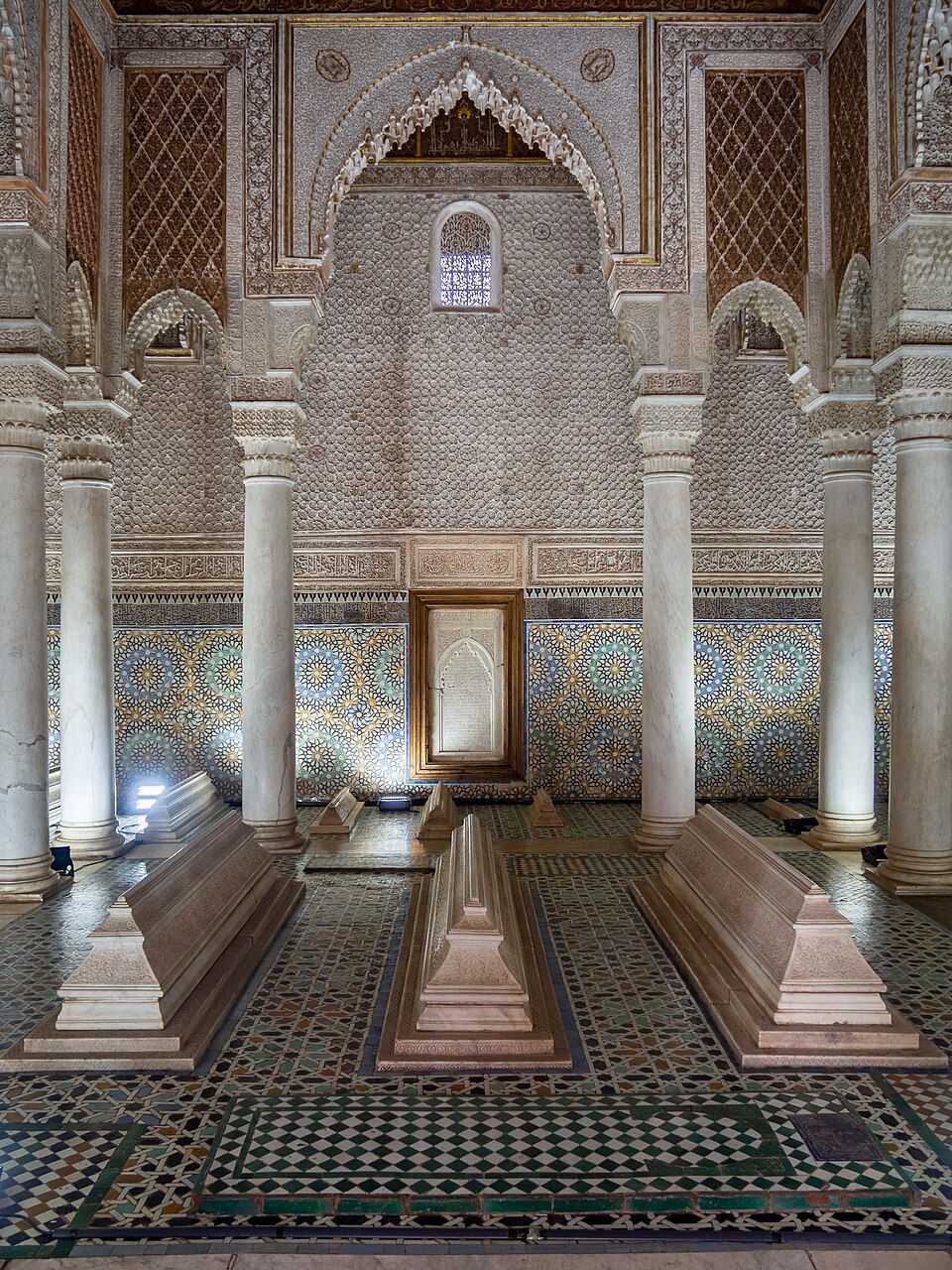
Book-end the ruins with these hidden 16th-century tombs, rediscovered only in 1917, the Chamber of Twelve Columns is the showpiece.
A rooftop near the Kasbah mosque catching the golden light over the Atlas foothills, a quiet ritual before dinner.
Run entirely by women, this is Marrakech's benchmark for traditional Fassi cuisine, try the pastilla.
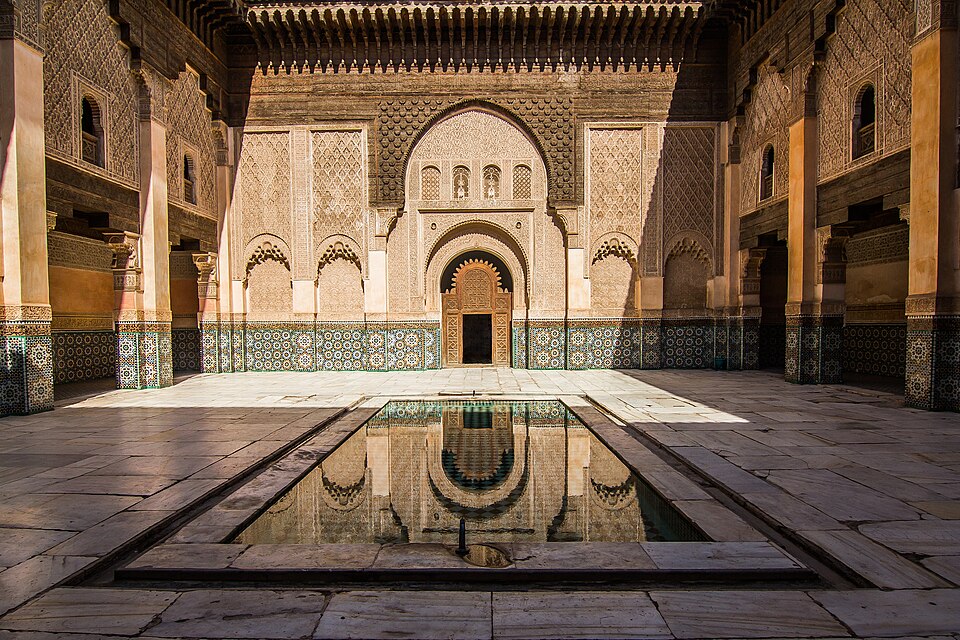
Marrakech's finest example of Andalusian craftsmanship, the tiny student cells upstairs are easy to miss but worth the climb.
Rooftop terrace and a rare archive of century-old Moroccan photography, a quieter cultural stop most tours skip.
A local guide walks you through the leather-dyeing pits, go before noon when the light through the vats is best.
Return for lunch on the shaded terrace, closing the loop on the trip's local-life theme.
A proper scrub-and-steam hammam ritual to unwind before flying home, book the traditional gommage.
Last pass for babouches, ceramics or a rug at Mouassine's smaller boutique shops, calmer than the main souk.
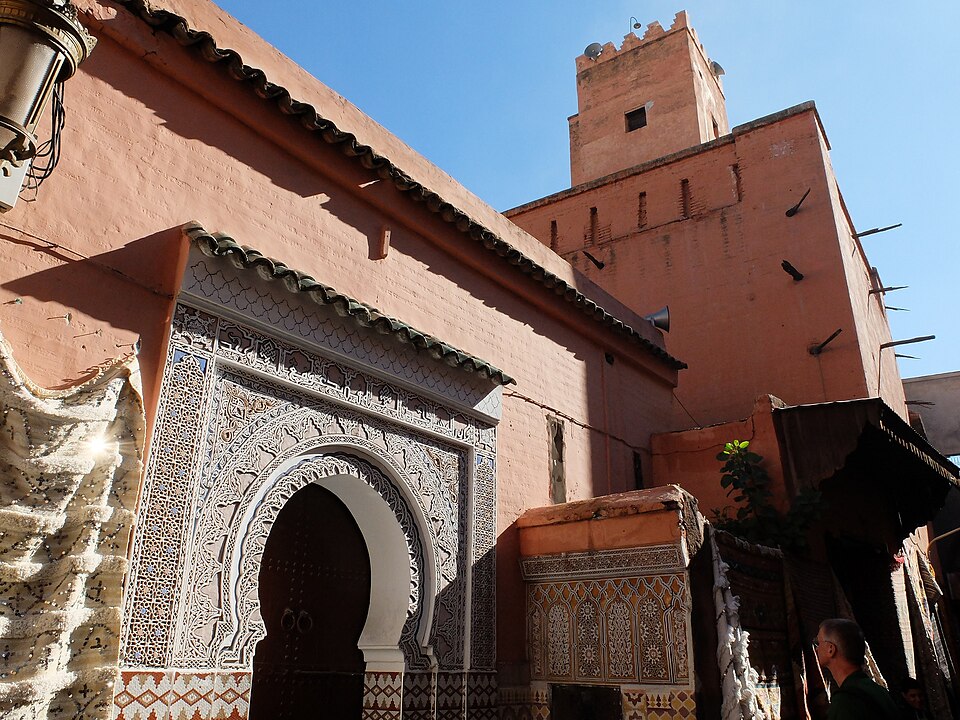
A relaxed final evening, wander back through the medina at dusk before dinner near your riad.
Slow-cooked in the conical clay pot it is named for: lamb with prunes, chicken with preserved lemon and olives. The benchmark version is cooked by the all-women kitchen at the city's most respected traditional table.
Grilled skewers, harira soup and snail broth under gas lamps and smoke, eaten elbow-to-elbow at long benches. Pick the stall where locals outnumber visitors.
The dishes families actually eat, couscous, kefta, seasonal salads, cooked by a women's cooperative whose proceeds fund vocational training.
Couscous is traditionally a Friday dish, steamed for hours and shared. This trip's dates miss the ritual, ask Robin to move a lunch if your dates land on a Friday.
No, and you truly do not want one in the medina, where lanes are for feet, mopeds and donkey carts. Everything on this plan is walkable; the one stretch worth a taxi is up to Jardin Majorelle on day 2, a few dirhams from the medina's edge.
Dinner at Al Fassia and a table at Nomad, both a few days out. Jardin Majorelle sells timed tickets online, and buying ahead saves a long morning queue. The hammam is worth reserving the day before; check current times for the combined Majorelle and Yves Saint Laurent museum ticket.
Marrakech Menara airport is only about 15 minutes from the medina. Agree a taxi fare before you get in, or have your riad arrange a pickup, which is usually worth it because drivers cannot reach most riad doors and the riad will send someone to walk you in.
For the medina, the palaces and the craft quarter, yes, comfortably. What it leaves out is everything beyond the walls: the Atlas foothills, the Agafay desert and the coast at Essaouira all want a fourth or fifth day.
You will get lost, and that is fine. Use the Koutoubia minaret as your compass, keep small change for the kids who offer directions, and remember that every lane eventually spits you out somewhere with mint tea.
Give Majorelle and the Yves Saint Laurent museum the whole morning without watching the clock, take the long lunch at Amal, and let the Saadian Tombs and El Badi fill a full unhurried afternoon.
Drive out to the Ourika Valley or Imlil for Berber villages, walnut groves and mountain air, an hour from the medina and a different Morocco entirely.
Choose your ending: sunset camel ride and dinner camp in the stony Agafay desert, or a day on the Atlantic in Essaouira's blue-and-white fishing port, about three hours away.
This trip was built for a typical first visit. You aren't typical. Find your loves, your budget, and your perfect Marrakech adventure by building on this trip with Hey Robin.
Finish this itinerary FREE at Hey Robin →.jpg)


.jpeg)
