09:30–10:45
1Grand Central Terminal Sight
Arrive early for the empty concourse and the Tiffany-glass ceiling before tour groups arrive at 11.
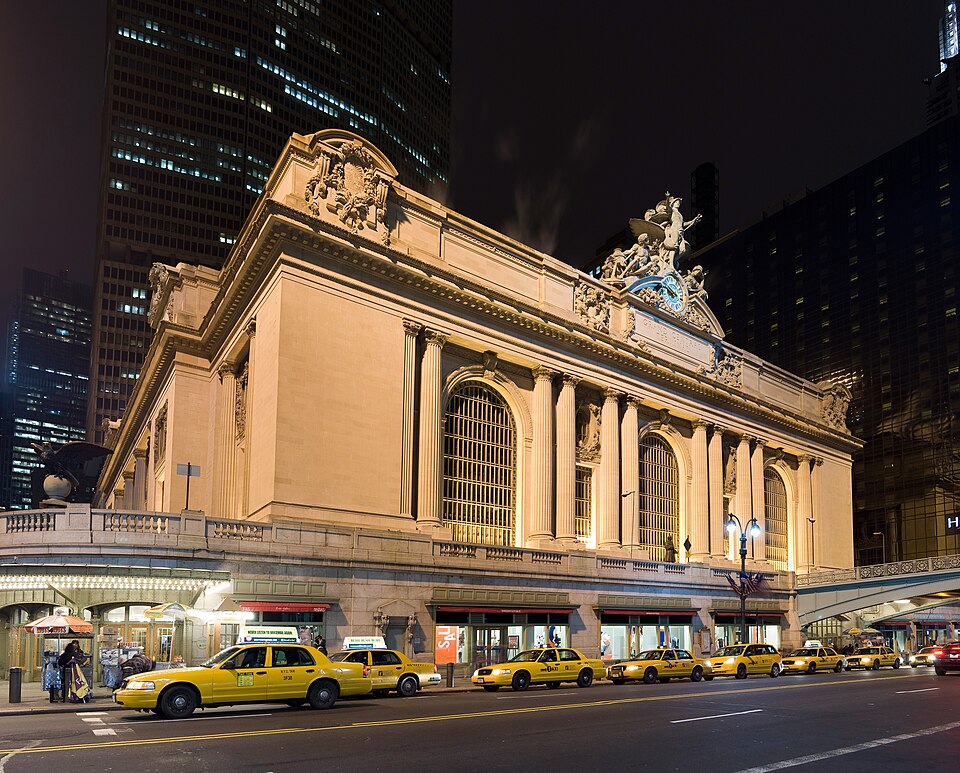

89 E 42nd St, New York, NY · Google Maps
New York's architecture reads best in sequences, and this plan walks three of the great ones: Midtown's civic monuments from Grand Central's vaulted concourse to the Beaux-Arts reading room and the Deco crown of Rockefeller Center; a day for Frank Lloyd Wright's spiral and Central Park's engineered wilderness, closing in Carnegie's mansion; and a last morning crossing the Brooklyn Bridge's Gothic towers to the brownstone rows of Brooklyn Heights. The meals are period pieces too, from an oyster hall under Guastavino tiles to an 1868 saloon.
 Planned by Robin
3 days · 16 stops
Planned by Robin
3 days · 16 stops
Arrive early for the empty concourse and the Tiffany-glass ceiling before tour groups arrive at 11.
Tiled vaulted-ceiling dining room built into the terminal itself, a classic sit-down lunch inside the building you just toured.
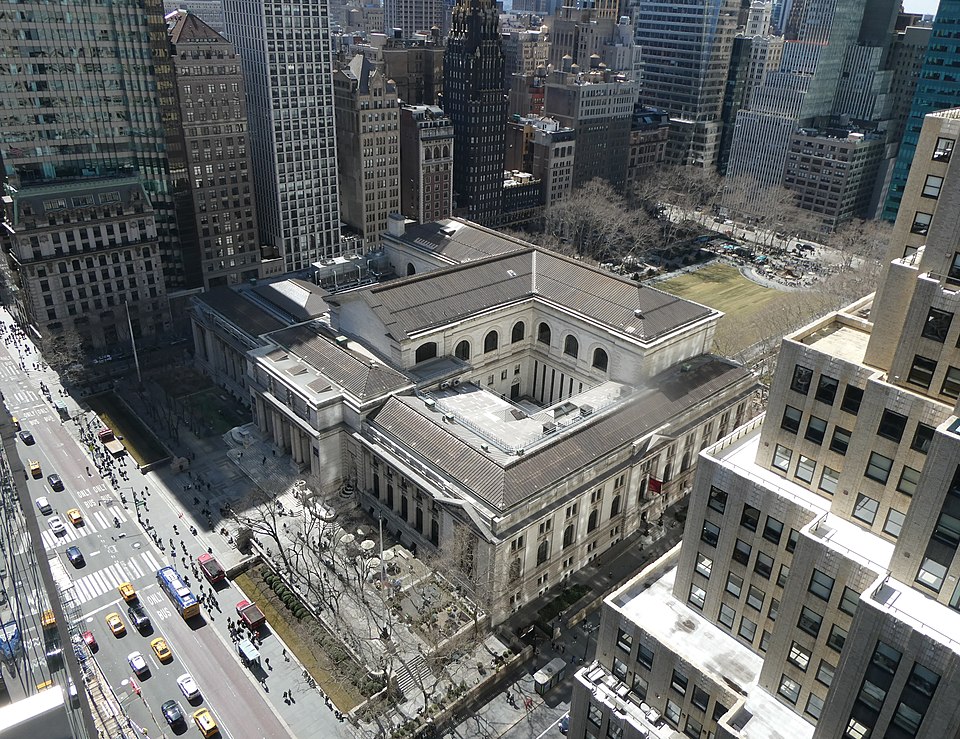
The Beaux-Arts Rose Main Reading Room's coffered ceiling is one of the city's finest interiors, free to enter.
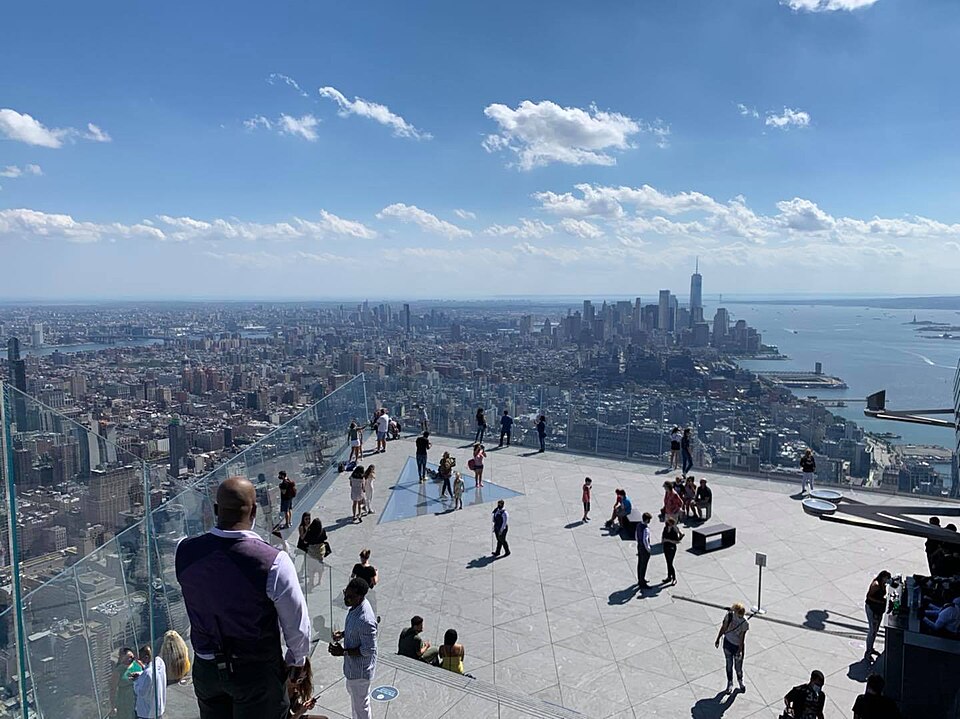
Rockefeller Center's 1930s Art Deco tower gives the classic skyline view, including the Chrysler Building's spire below eye level.
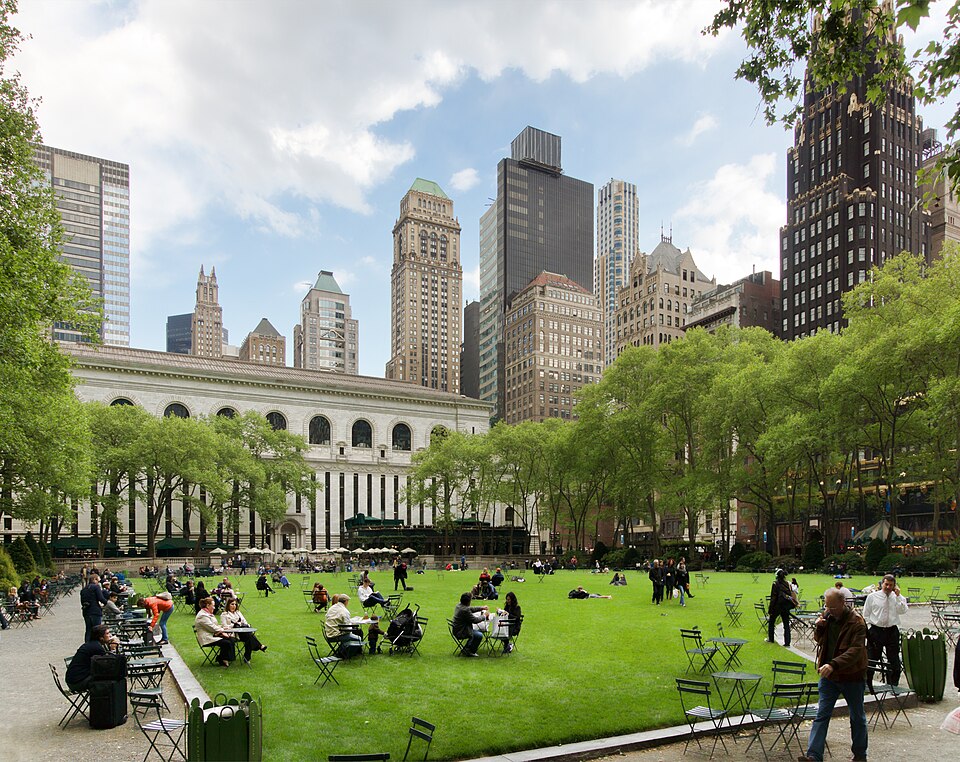
A quiet green pause behind the library, carousel, reading room kiosk, and the Deco lines of the Bryant Park studios building.
A genuine 1868 Irish saloon still pouring, burgers and a slice of old New York a few blocks from Grand Central.
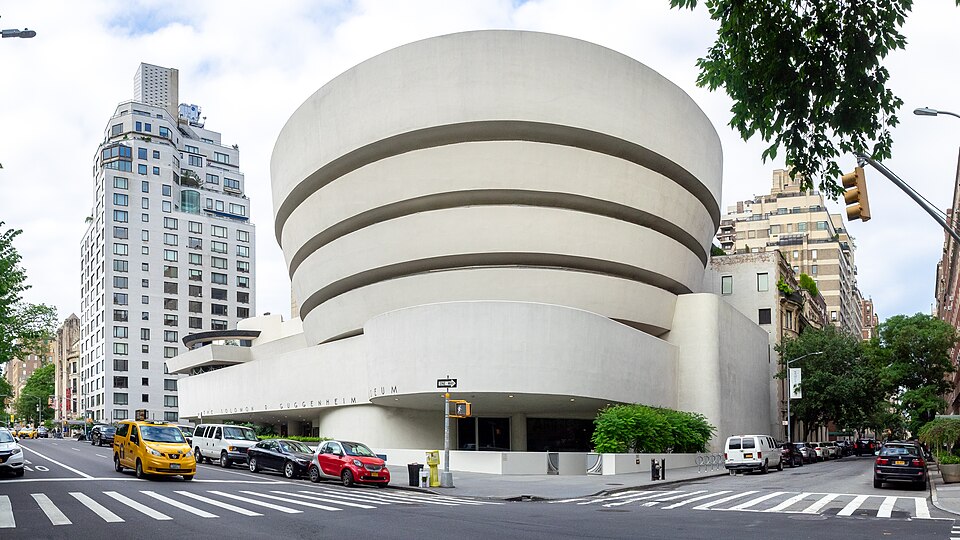
Frank Lloyd Wright's spiral ramp is the whole point, walk it top-down for the intended reveal of each level.
A proper New York bagel institution, hand-rolled and boiled, quick casual lunch before the park.
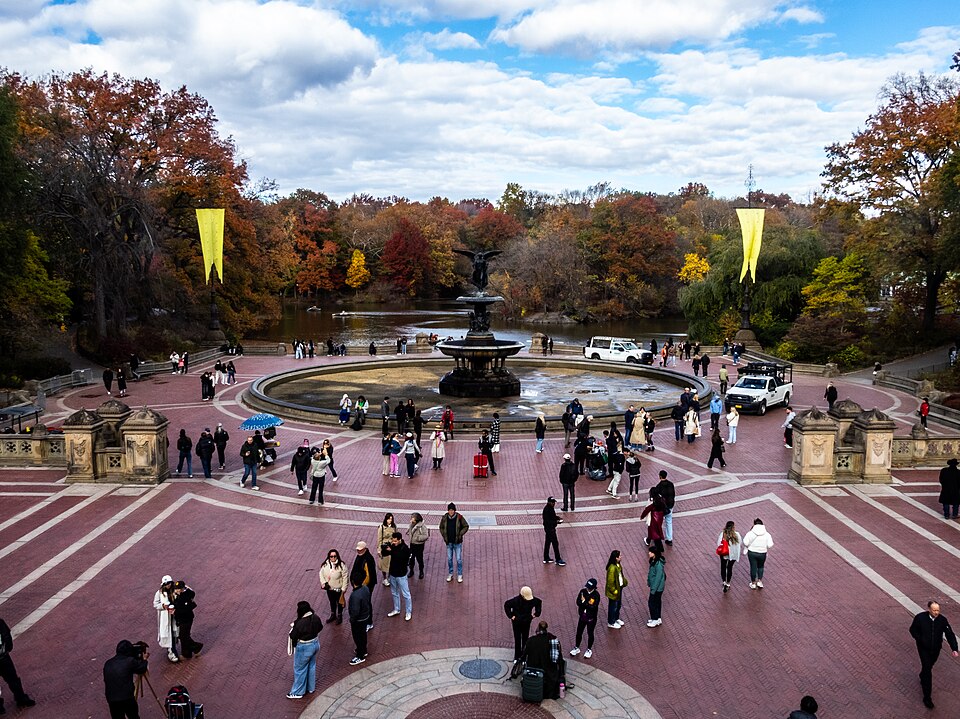
Central Park's Victorian centerpiece, with the tiled Bethesda Arcade and a wander into the wooded Ramble beyond.
Rent a rowboat on the Lake for a low-key water moment with a skyline backdrop through the trees.
Housed in Andrew Carnegie's 1902 mansion, a design-history stop for architecture lovers a few blocks from the Guggenheim.
One of the city's oldest continuously-run taverns (since 1847), worn tin ceiling and all, a real sit-down dinner with history.
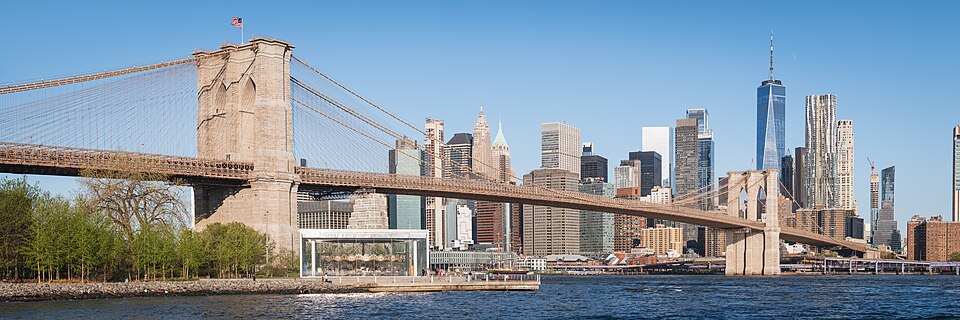
Start at the Manhattan side (City Hall Park), walk the pedestrian promenade for the Gothic stone towers and cables overhead.
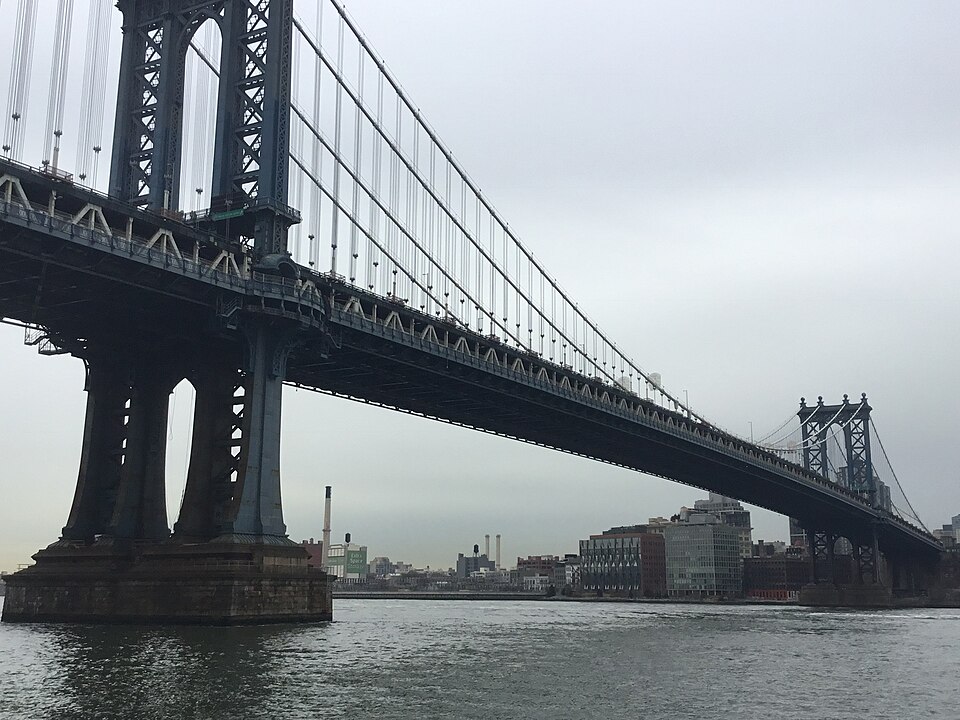
Cobblestone streets and the famous Washington St view framing the Manhattan Bridge and Empire State Building.
Coal-oven pizza right by the bridge's Brooklyn foot, a well-earned lunch after the crossing.
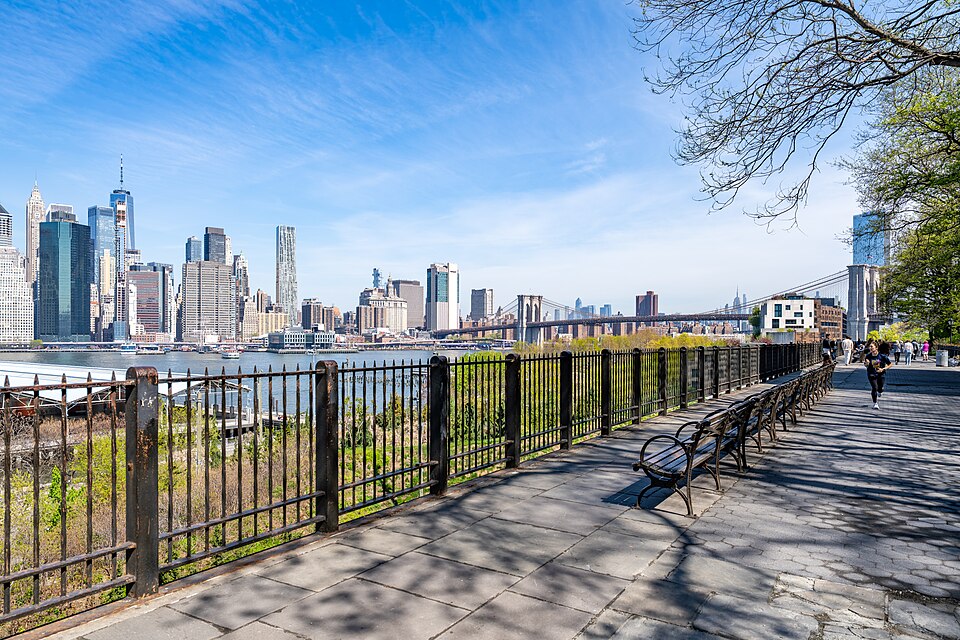
A quiet, brownstone-lined esplanade with the trip's best last look at the Lower Manhattan skyline across the water.
The 1913 Oyster Bar's tiled ceiling is the architecture; the pan roast is the excuse to sit under it.
Pressed-tin, dark wood and a bar that outlived Prohibition; eat where the city's oldest hospitality architecture still works nightly.
Boiled, baked, and unsentimental. New York's true vernacular food, eaten fast between landmarks.
Charred crust from a coal oven a block from the anchorage; the reward at the end of the crossing.
No. Days 1 and 2 are each one neighborhood on foot, and day 3 is one subway ride to City Hall Park before the bridge walk home does the rest.
Top of the Rock sells timed tickets and the sunset slots go first, so book it when you fix your dates. The Guggenheim is worth reserving too. The rowboats at the Loeb Boathouse are first come, seasonal, and cash-simple; check they are running in your month.
That is the point of this plan: the concourse, the Rose Main Reading Room, the Oyster Bar's tiled vaults and Carnegie's mansion are all interiors you enter, not facades you photograph. Only the skyscrapers themselves stay at viewing distance, which is what Top of the Rock is for.
Enough for three great chapters: Beaux-Arts Midtown, Wright and the park, and the bridge-and-brownstone harbor. The modern and Deco towers deserve a day you do not have yet; that is the first thing a fourth day adds.
Yes. The first-visit New York City plan owns the general sights; this page shares only the bridge with it, and crosses it for the engineering rather than the photo.
Give the towers their own day: the Chrysler Building's lobby, the Seagram plaza, and the new supertalls read together as one century-long argument. Ask Robin to thread them with the right pauses.
The Roosevelt Island tram is the city's best cheap architectural viewpoint, running beside the Queensboro Bridge's steelwork with the Midtown wall behind it.
Strivers' Row's 1890s townhouses and Riverside Church's Gothic tower extend the story uptown, where the tour buses thin out and the streetscapes stay whole.
This trip was built for a typical first visit. You aren't typical. Find your loves, your budget, and your perfect New York adventure by building on this trip with Hey Robin.
Finish this itinerary FREE at Hey Robin →


.jpg)


.jpg)