09:00–12:00
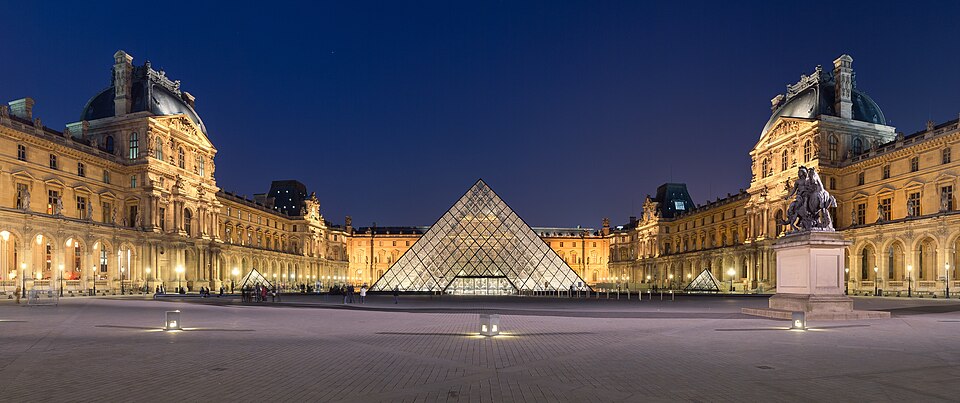
1Musée du Louvre Culture
Arrive at opening to beat the crowds at the Mona Lisa and the Winged Victory staircase.

Rue de Rivoli, 75001 Paris · website
Paris in four days, built the way the city actually flows: the Louvre and Sainte-Chapelle's glass on day one with a dusk walk along the Seine; the Eiffel Tower at its early best and a Poilâne picnic beneath it on day two; Montmartre's lanes, a croissant class and the Marais on day three; and a last morning wrapped in Monet's water lilies before a river cruise and deck chairs in the Luxembourg gardens. The eating runs from a 19th-century bouillon to buckwheat galettes, and the H1 is honest: below the plan you will find exactly what to keep at three days and what to add at five.
 Planned by Robin
4 days · 23 stops
Planned by Robin
4 days · 23 stops
Arrive at opening to beat the crowds at the Mona Lisa and the Winged Victory staircase.
Paris's oldest pâtisserie (1730), grab a baba au rhum and a sandwich to eat in the Palais-Royal gardens nearby.
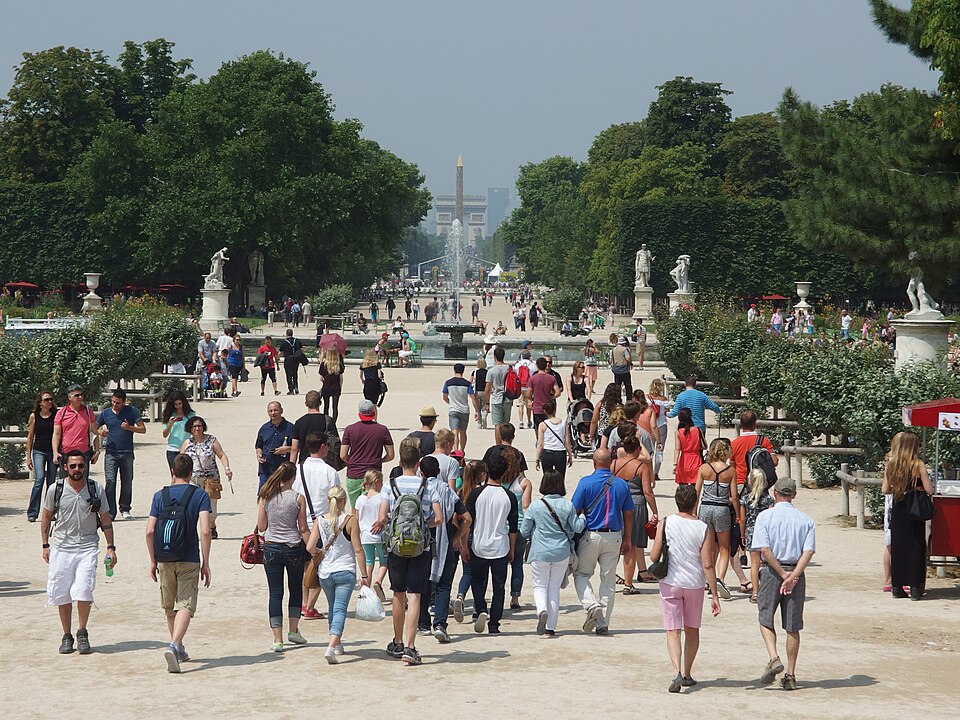
Wander the formal allées between the Louvre and Place de la Concorde, the classic Parisian garden stroll.
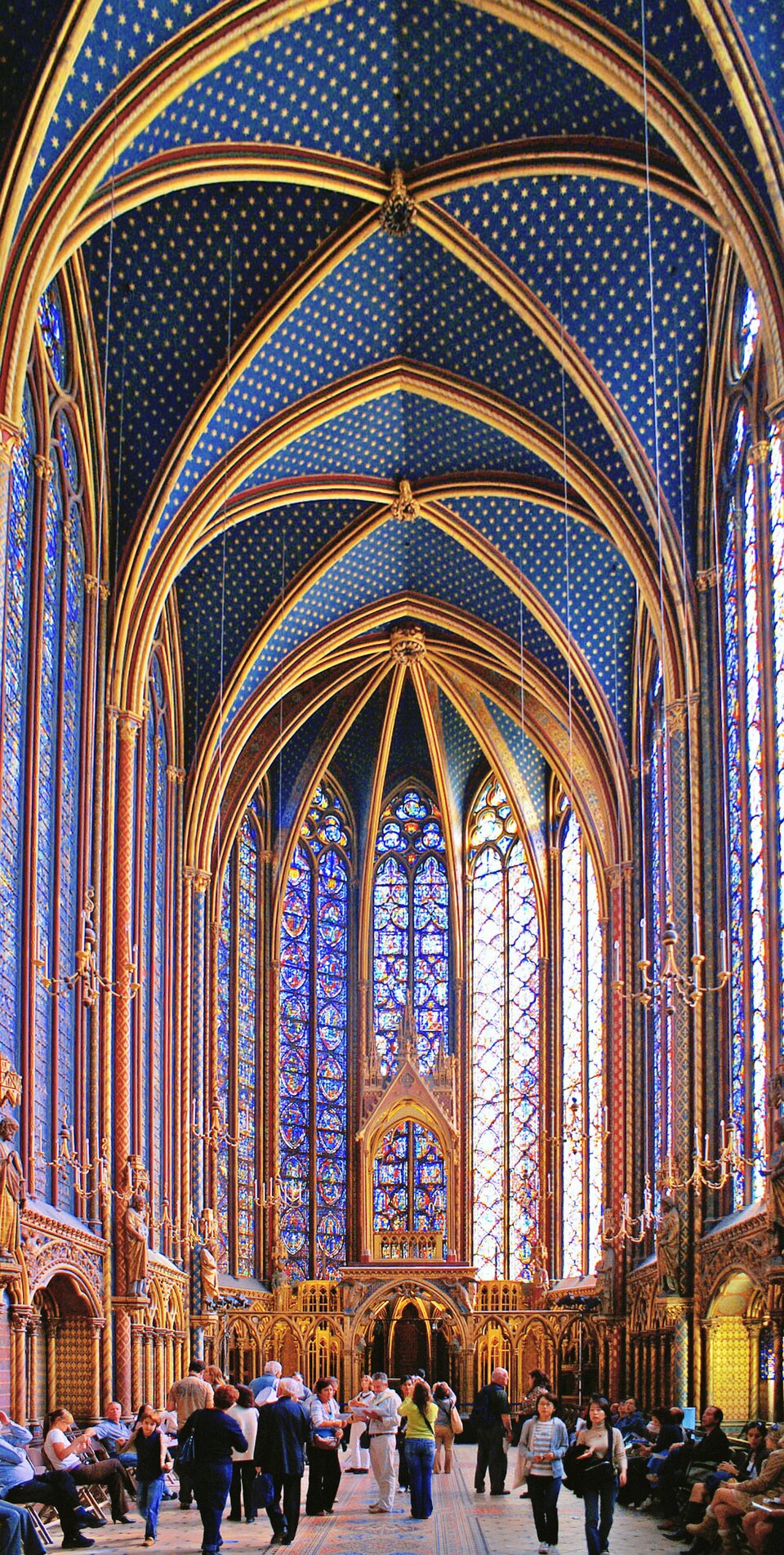
The 15 stained-glass windows glow best in afternoon sun, go for the light, not just the history.
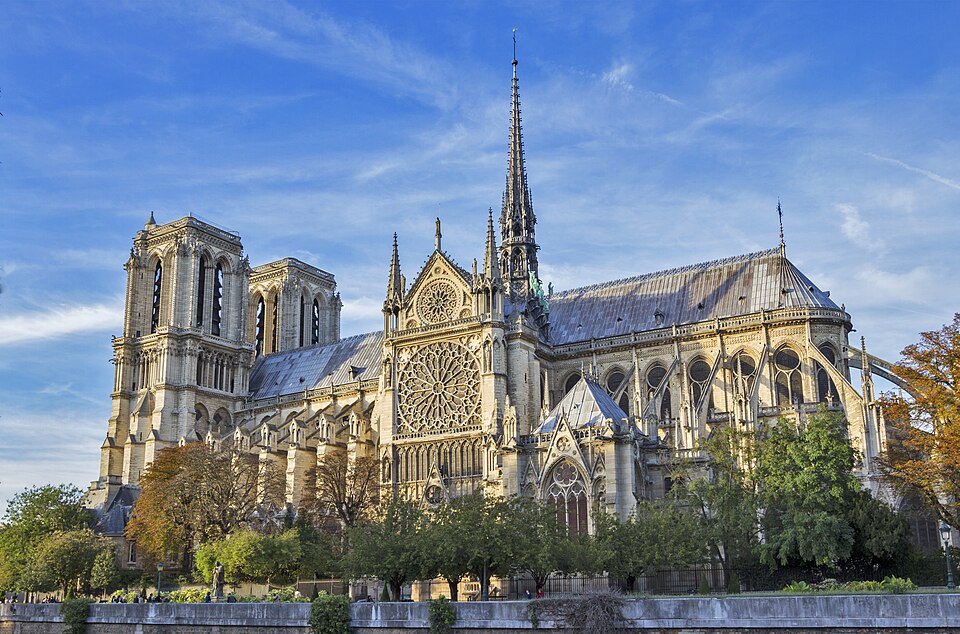
Circle the cathedral exterior and cross to Île Saint-Louis for a feel of the old riverside city.
Locals do exactly this at dusk, the light on the water here is the reason to linger.
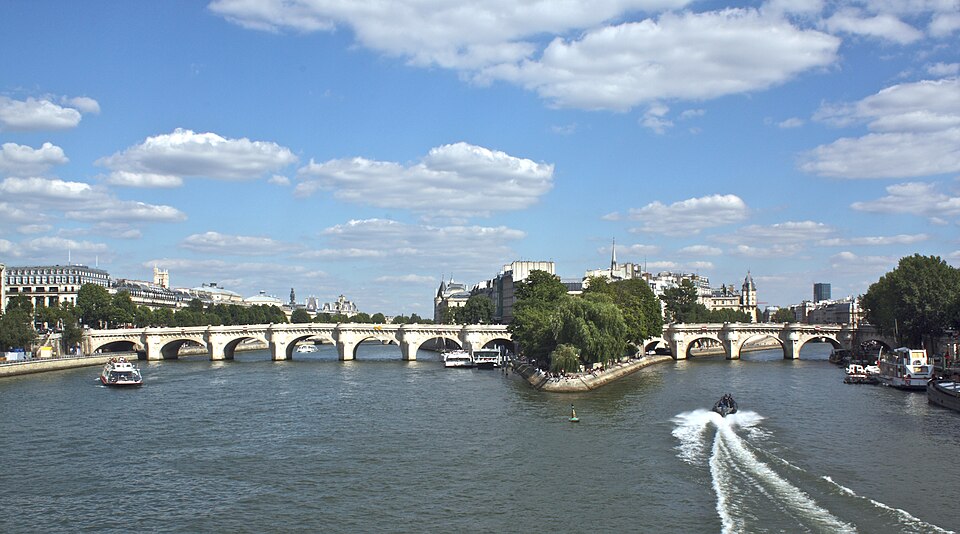
A 1896 working-class dining hall serving French classics at old-Paris prices, arrive right at opening to skip the queue.
Book the earliest summit slot you can, the view stretches farthest before midday haze sets in.
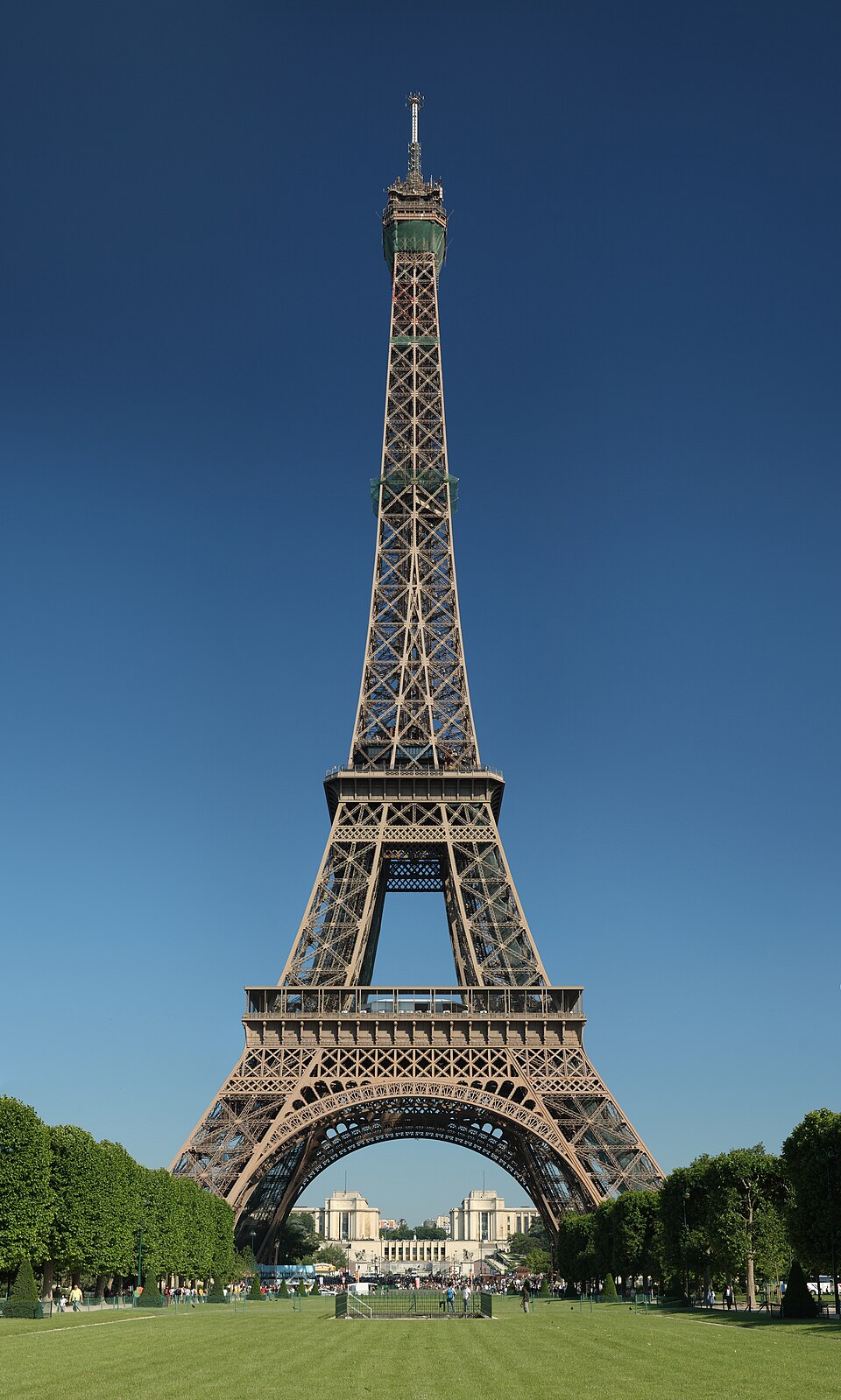
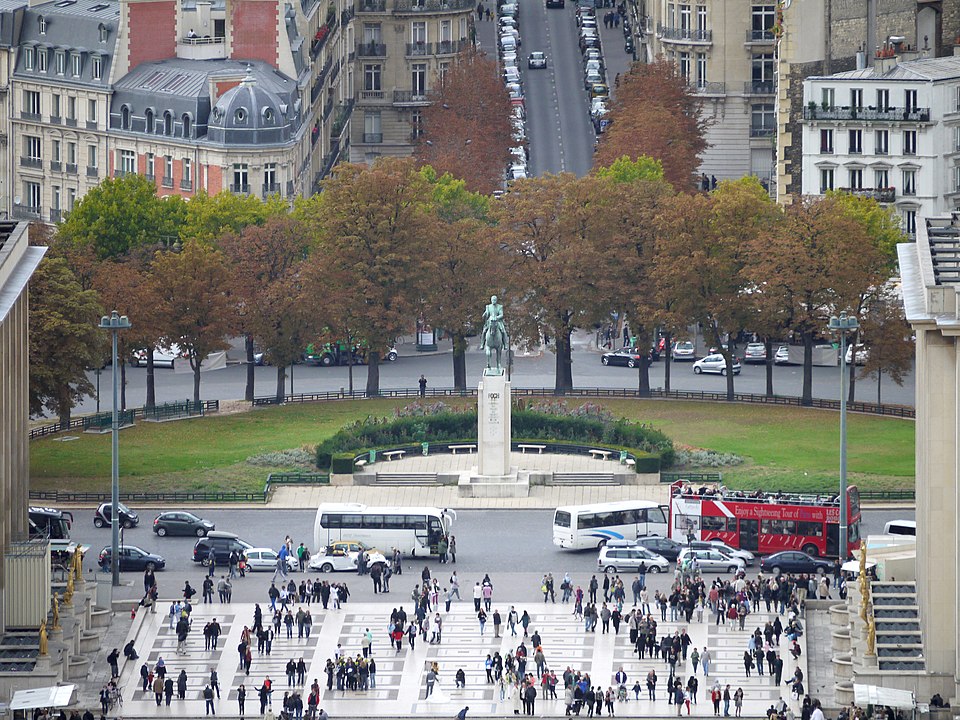
The classic framed view of the Tower across the river, a five-minute walk over the Pont d'Iéna.
Pick up their famous miche sourdough and pastries to eat on the lawn beneath the Tower.
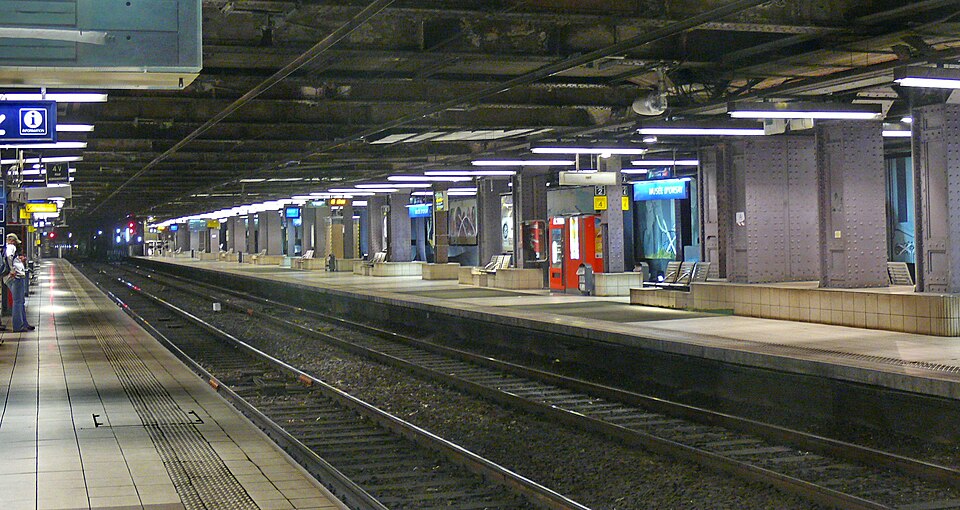
The former railway station's clock-face window over Monet, Degas and Van Gogh is the standout moment.
Wander the bookstalls along the quai as the afternoon light turns warm before dinner.
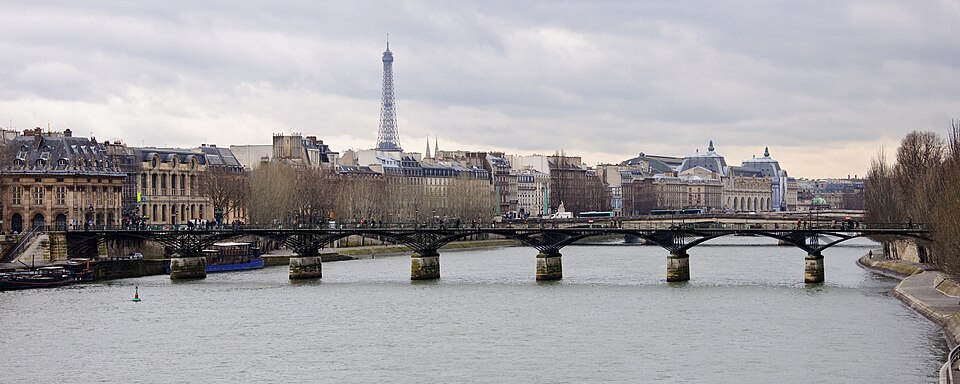
The historic Left Bank haunt of Sartre and de Beauvoir, a proper sit-down dinner steeped in literary Paris.
Climb through the winding lanes past Place du Tertre's easels to the basilica steps for the rooftop view.
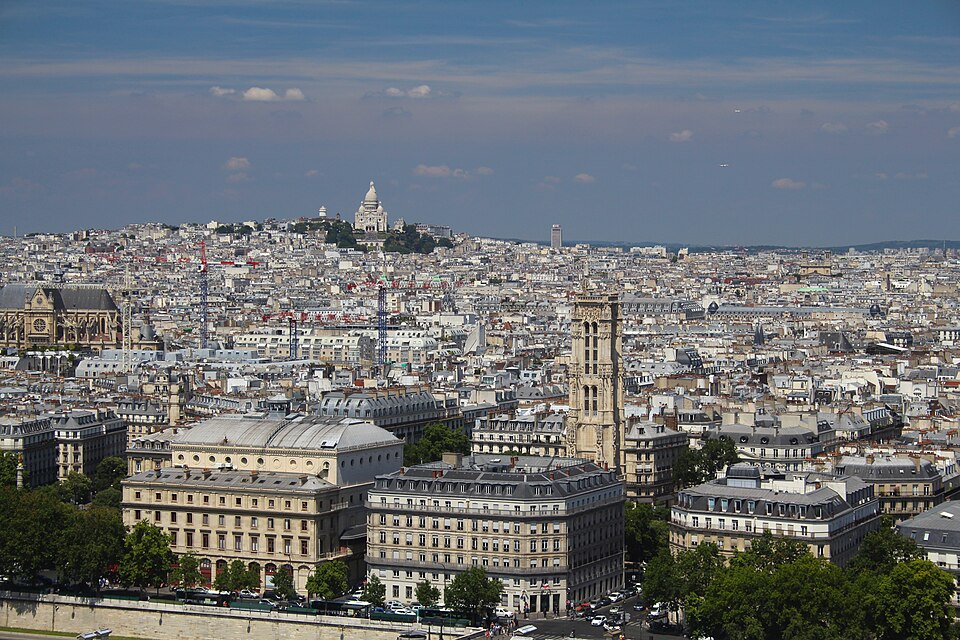
A hands-on class laminating dough the traditional way, you leave with your own batch and the technique.
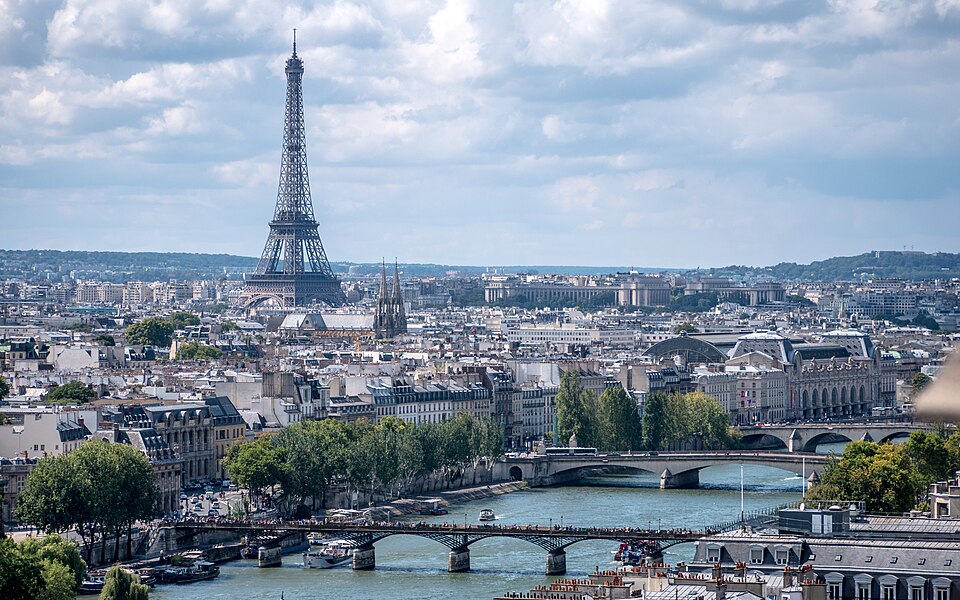
Paris's oldest covered market (1615), graze the stalls for lunch among locals doing their weekday shop.
Explore the hôtels particuliers and boutiques of the Marais's narrow streets at your own pace.
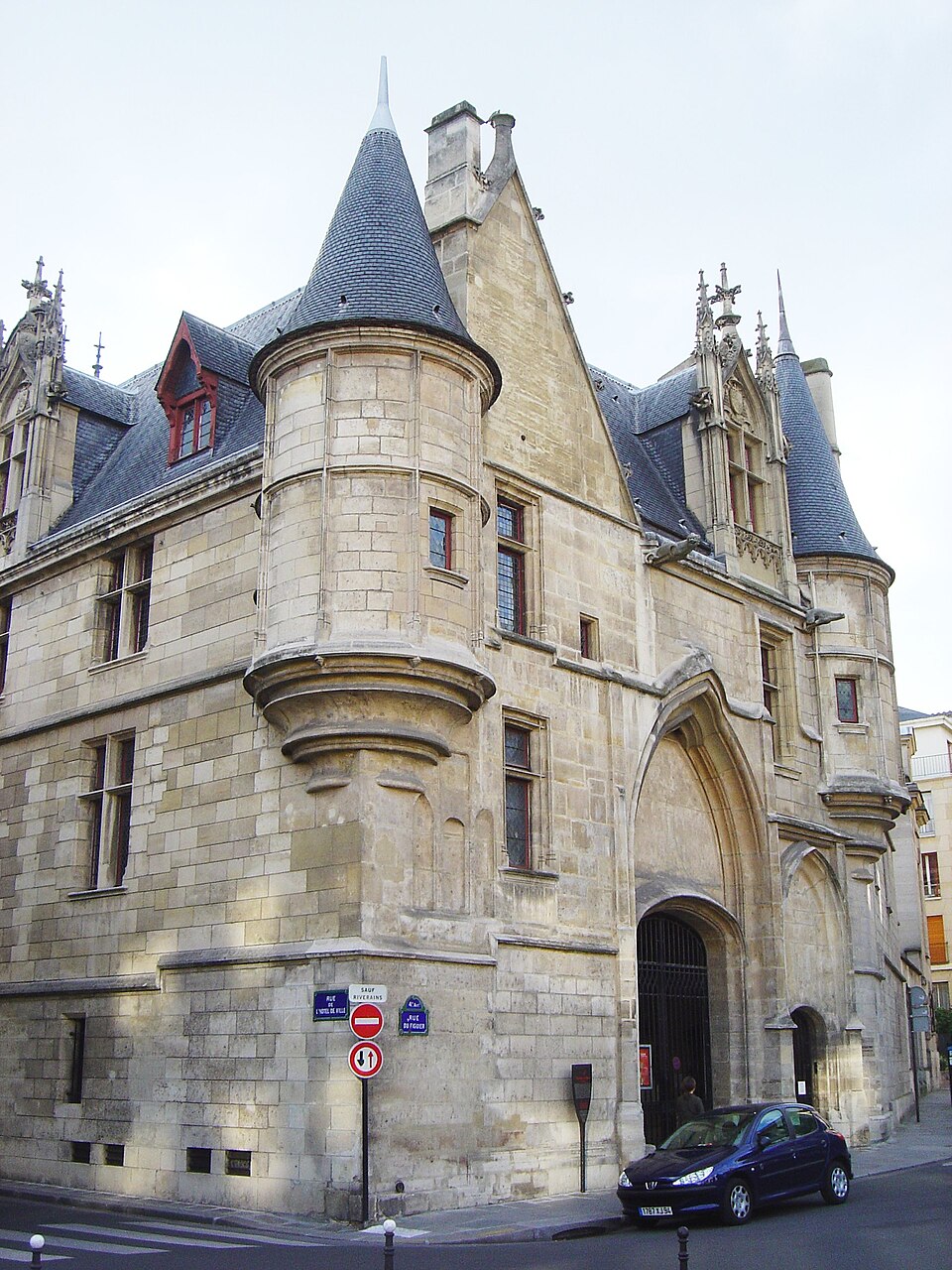
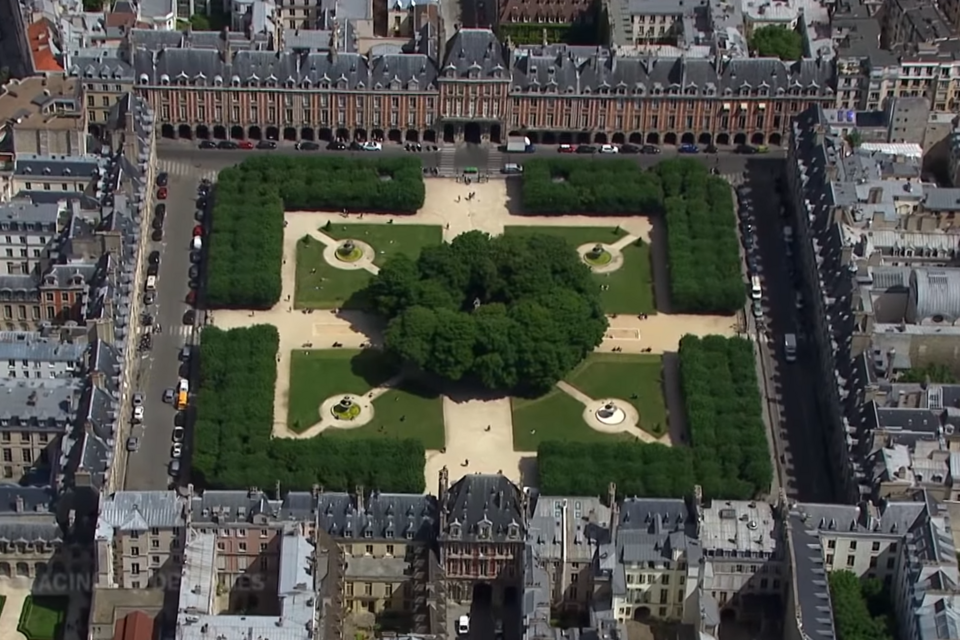
Paris's oldest planned square, quietest and prettiest just before dinner as the light softens.
Buckwheat galettes and cider done properly, reserve ahead, this small Marais spot fills fast.
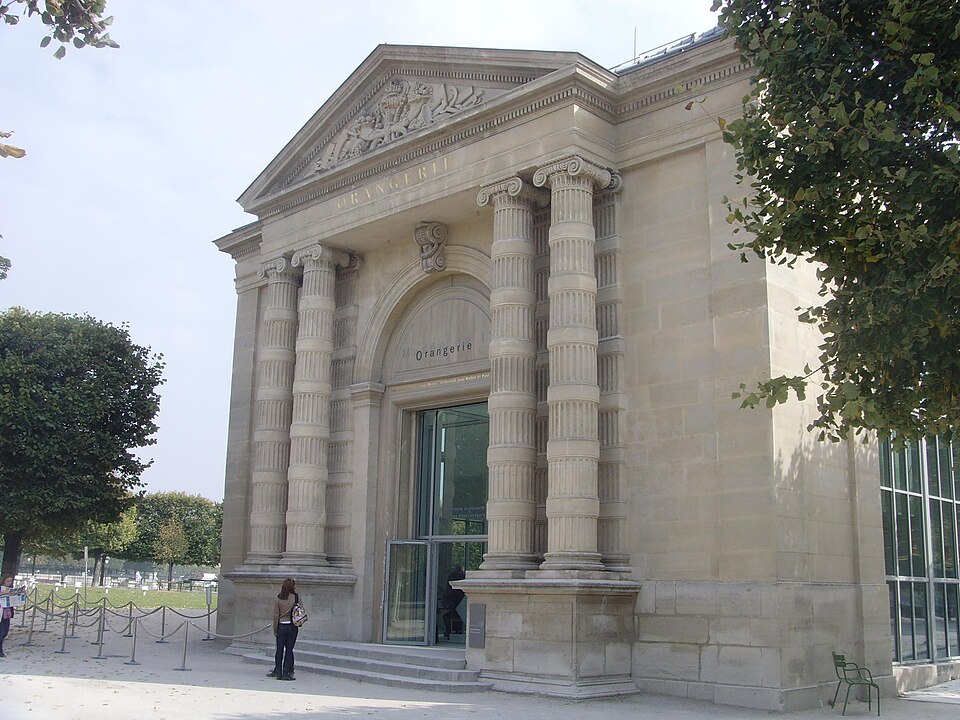
Monet's Water Lilies wrap two oval rooms of natural light, arrive at opening for near-empty galleries.
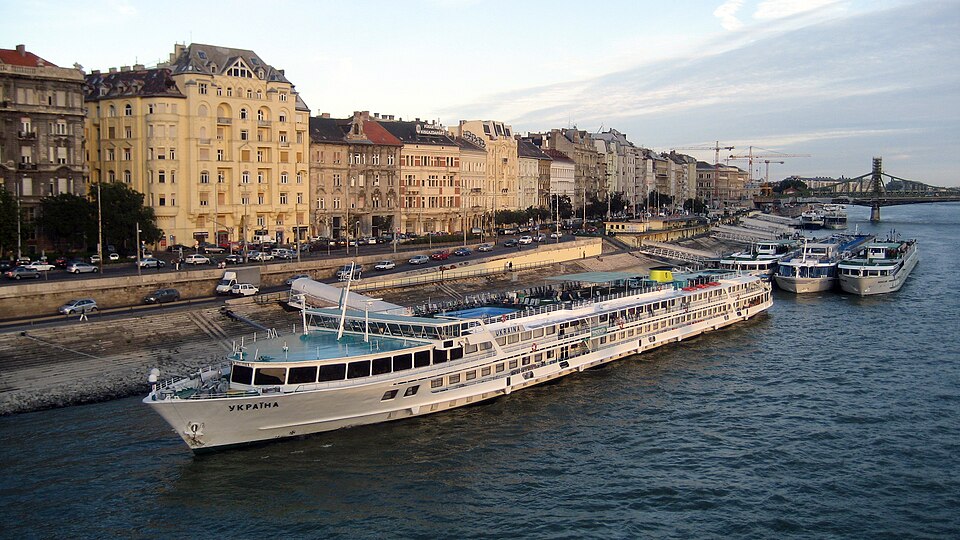
See the bridges and quais you've walked all trip from the water, the classic closing view of Paris.
Europe's oldest continuously running café (since 1686), a fitting last proper meal steeped in history.
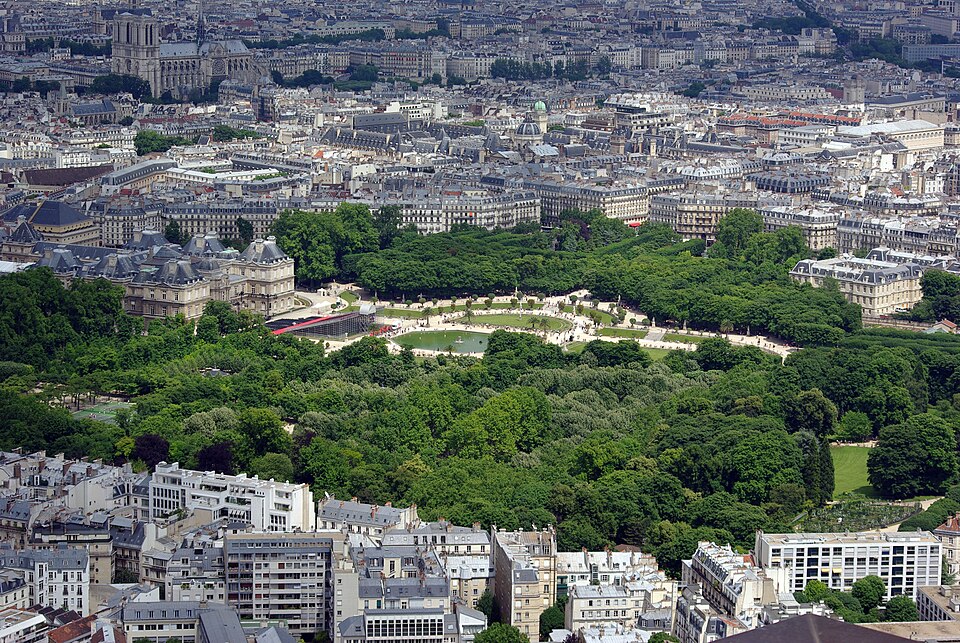
End the trip the way Parisians spend a Sunday, deck chairs by the fountain, a last unhurried hour before you go.
The 1896 working-class dining hall formula, waiters scribbling your order on the tablecloth, French classics at prices from another decade: queue, sit, join in.
The famous miche sourdough, butter, and their little spoon-shaped punitions biscuits, eaten on the Champ de Mars grass with the tower overhead.
Paris's oldest covered market, since 1615, is a lunch counter crawl: Moroccan tagines, Japanese bento, oysters and natural wine under one roof.
A cave à manger evening, a board of raw-milk cheeses and whatever the pourer is excited about. The plan's dinners are spoken for, ask Robin to swap one in if this is your Paris.
No. Every stop here is a walk or a short metro hop, and the dusk riverside walks are deliberately part of the itinerary. A car in central Paris is an expensive way to miss the city.
Timed entries for the Louvre, the Eiffel Tower summit, the Musée d'Orsay and the Orangerie, all before you fly. The croissant workshop and a Seine cruise slot are worth booking a few days out; the bouillon takes no reservations, arrive before 19:00 or queue happily.
From Charles de Gaulle, the RER B reaches the center in about 35 minutes, or a flat-fare taxi does it door to door. From Orly, the new metro line 14 runs straight into the city.
Three days covers the icons if you follow the trimming guide below. Four, as planned here, adds Montmartre and the Marais properly. Five earns Versailles, and past that Paris stops being a checklist and starts being a place you live in briefly, which is the goal.
A morning is right for a first visit if you go in with a shortlist: the Mona Lisa crowd-surf, the Winged Victory staircase, and then one wing you choose. Trying to see it all is how people leave hating the world's best museum.
The Louvre-to-Seine day and the tower-to-Orsay day are the non-negotiables of a first visit; they survive intact.
Morning in Montmartre, afternoon in the Marais ending at Place des Vosges, and fold the Orangerie into day 1's Tuileries walk, its water lilies sit right in the garden's corner.
The dusk riverside walks on days 1 and 2 already give you the Seine; the boat is the five-day version's luxury, not the three-day version's necessity.
RER C out early, palace at opening before the tour waves, then give the real time to the gardens and the Trianon estates, where the crowds never reach.
If palaces are not your thing, the Rodin garden, the Pompidou's view or the Picasso museum in the Marais each fill a half day beautifully, ask Robin which fits your interests.
A five-day trip earns a final unhurried evening: one more crossing of Pont Neuf at dusk, because that is the image that stays.
This trip was built for a typical first visit. You aren't typical. Find your loves, your budget, and your perfect Paris adventure by building on this trip with Hey Robin.
Finish this itinerary FREE at Hey Robin →


.jpg)


.jpg)


