09:30–10:00
1Mercado Municipal de São Paulo Eat
Go early for the mosaic-domed hall's famous mortadella sandwiches and stalls of tropical fruit before the tour buses arrive.
Three days is enough to understand why paulistanos shrug at Rio: this plan opens in the Mercadão's mosaic-domed hall and closes with dinner inside Niemeyer's Copan, with MASP's glass easels, Beco do Batman's murals and Ibirapuera's white pavilions in between. Each day holds one zone, old Centro, then the Paulista and Vila Madalena art axis, then Ibirapuera and Liberdade, so the city's famous size never becomes your problem. Everything runs on the metro plus a few short taxis, and the meals are the point as much as the sights: this is Latin America's best food city, eaten neighborhood by neighborhood.
 Planned by Robin
3 days · 19 stops
Planned by Robin
3 days · 19 stops
Go early for the mosaic-domed hall's famous mortadella sandwiches and stalls of tropical fruit before the tour buses arrive.
The neo-Gothic cathedral's crypt holds the tomb of São Paulo's founding bishop, worth the short detour downstairs.
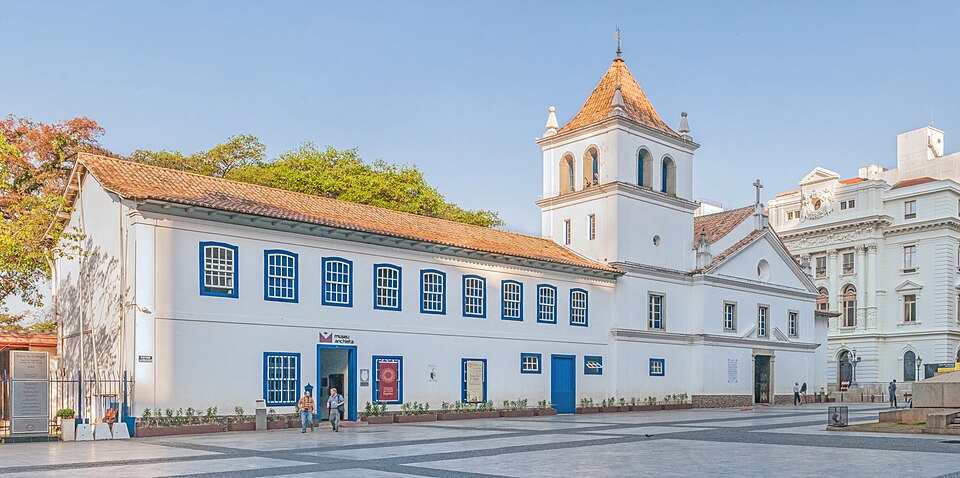
The reconstructed 1554 Jesuit chapel marking the city's literal founding spot, with a small museum on São Paulo's earliest days.
São Paulo's most talked-about restaurant, built around nose-to-tail pork, book ahead or expect a line even at lunch.
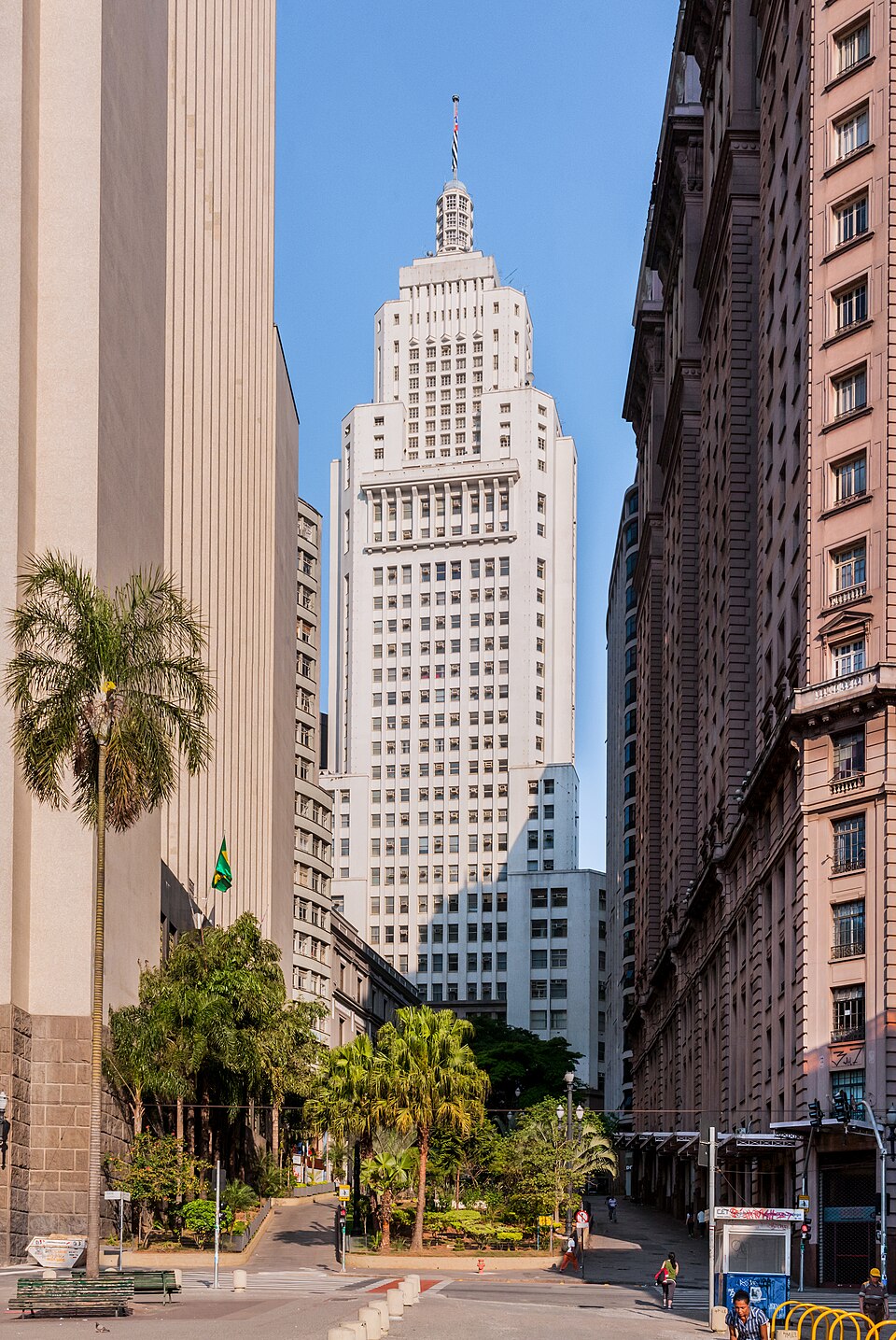
Ride to the open-air observation deck of this 1947 Art Deco skyscraper for a 360° view as the afternoon light softens over Centro.
A relaxed, classic-Brazilian lanchonete for pão de queijo and a light plate before an early night after a full day of walking.
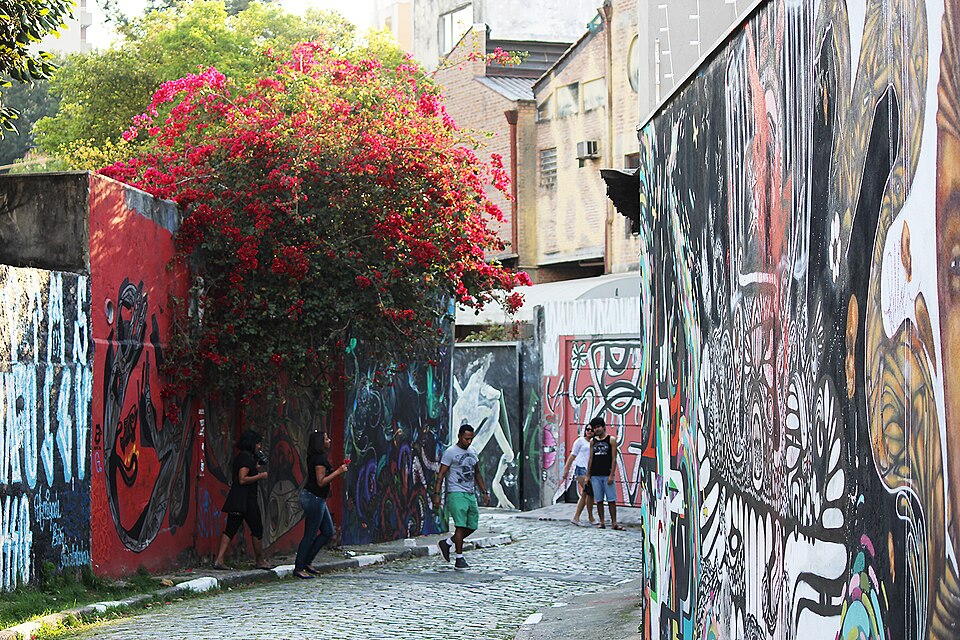
This alley of ever-changing murals is where São Paulo's street art scene really took root in the 1980s, go before tour groups fill it.
A striking purple-clad building by Ruy Ohtake hosting some of the city's boldest contemporary art shows, a real find for art lovers.
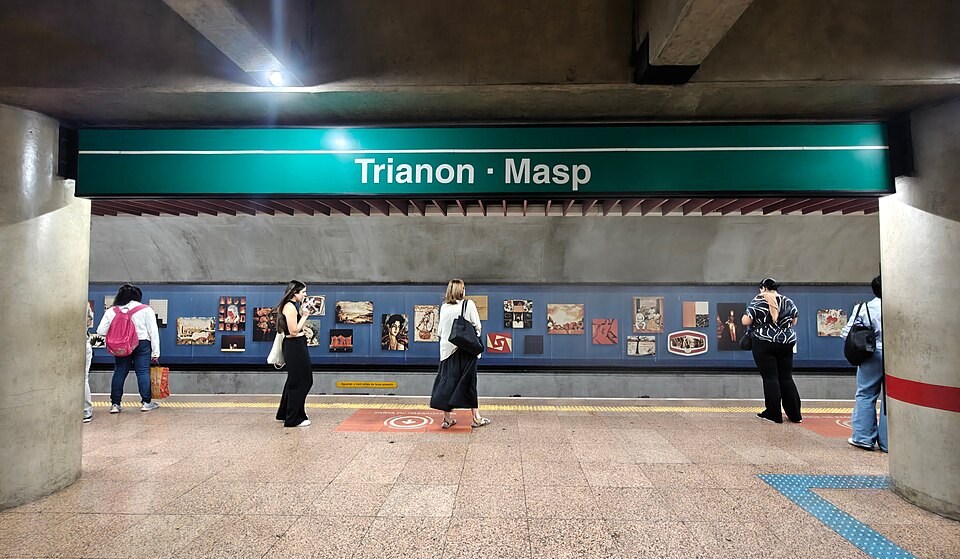
A legendary 24-hour São Paulo bakery-diner on Avenida Paulista, grab a quick prato feito between the morning's art stops.
Lina Bo Bardi's glass-and-red-concrete museum, famous for hanging its European masterpieces on transparent glass easels.
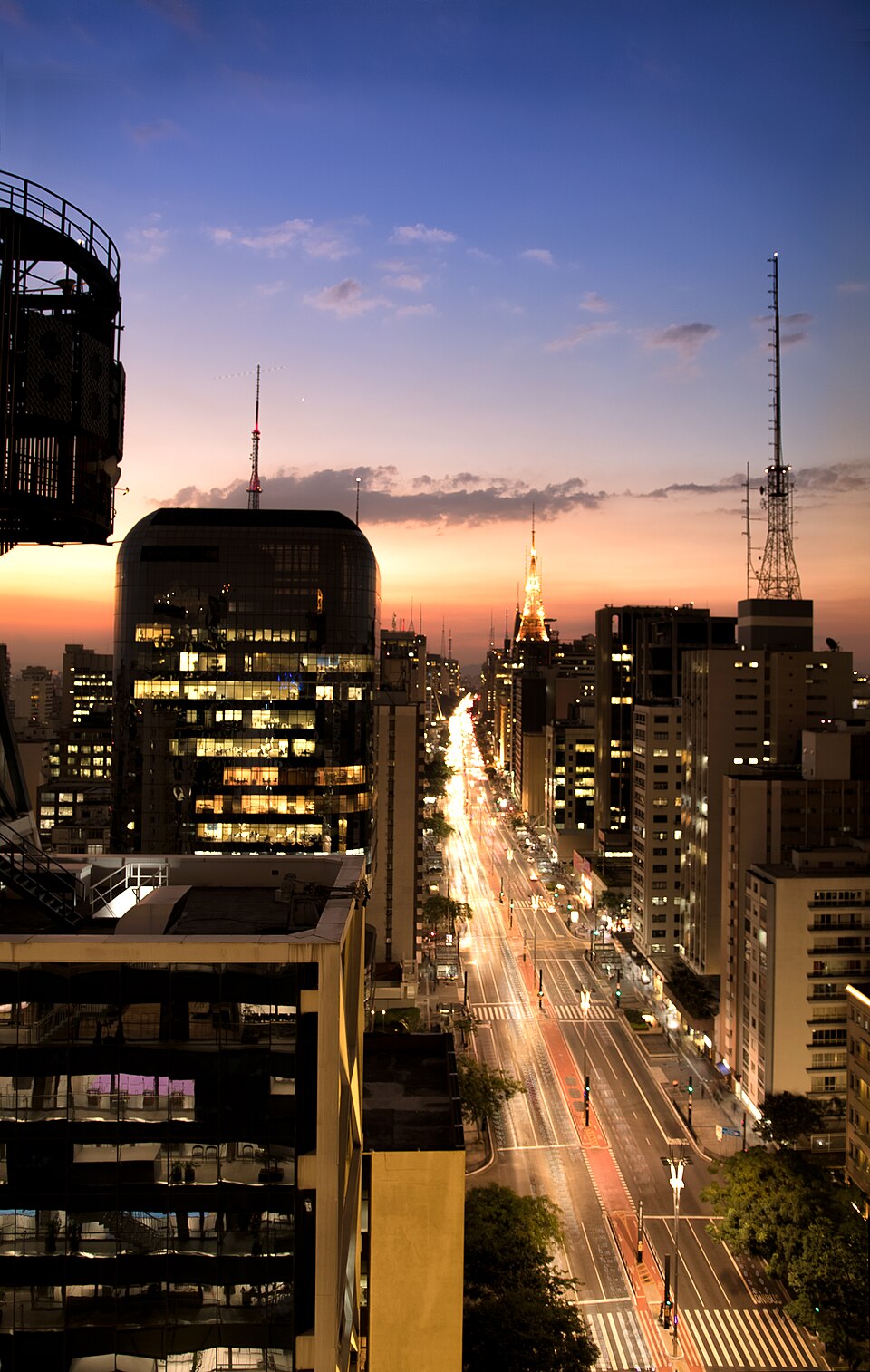
Walk the avenue's mix of Art Deco and glass towers, ducking into this Burle Marx-designed pocket of Atlantic forest as the light turns gold.
A Liberdade neighborhood favorite for São Paulo's deep Japanese-Brazilian food tradition, sit-down dinner in the city's historic Japantown.
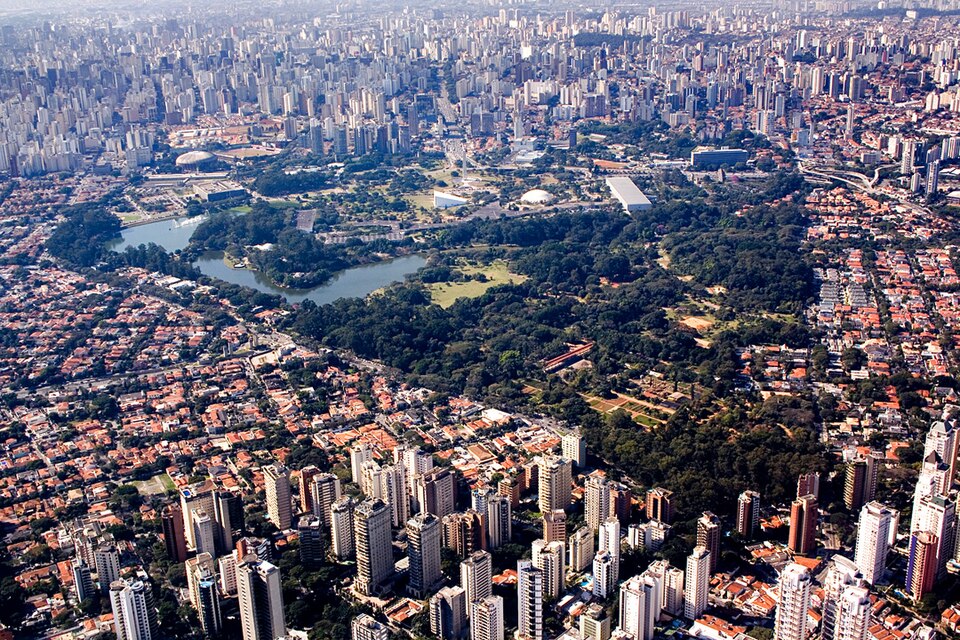
Wander past Niemeyer's white curves, the Oca, the Bienal Pavilion, the marquee, São Paulo's Central Park with real architectural weight.
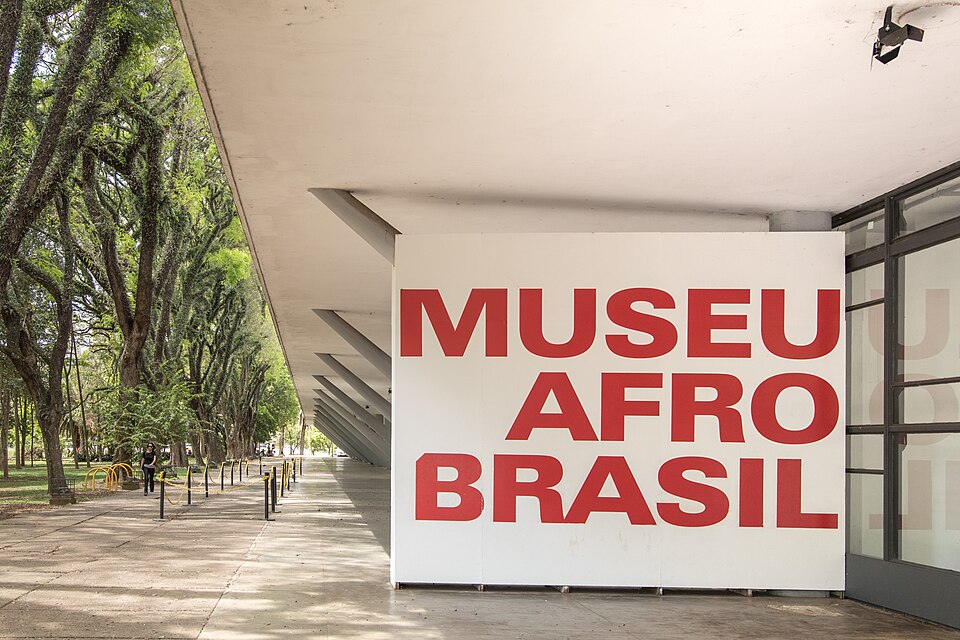
Housed in one of Ibirapuera's Niemeyer pavilions, this deep, underrated collection traces Afro-Brazilian art and history, a genuine local-favorite find.
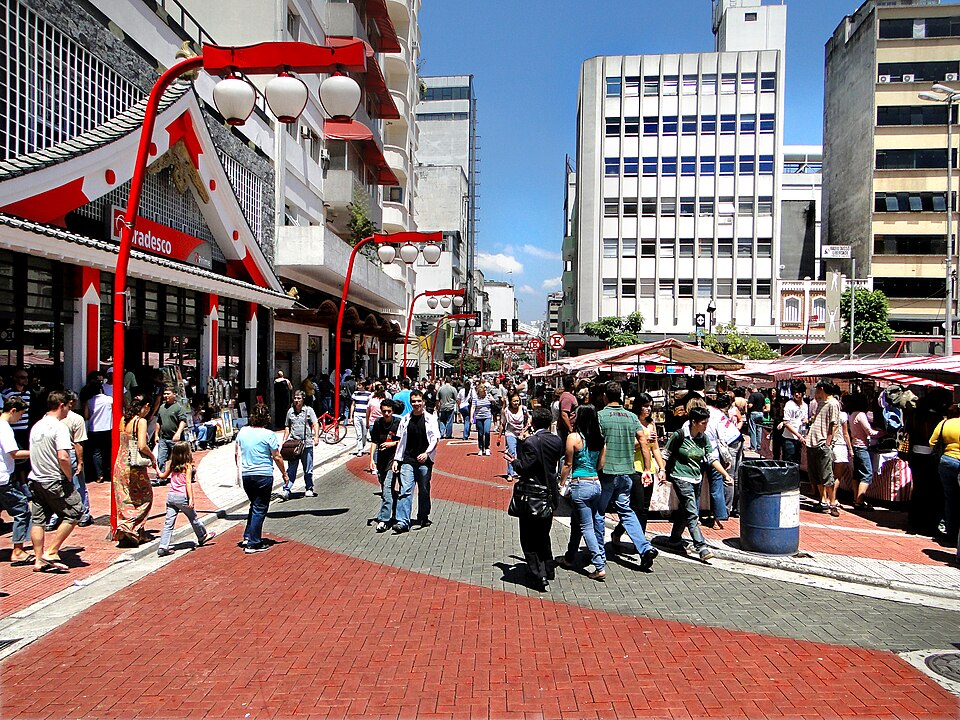
The Saturday street market runs only weekends, expect yakisoba, temaki, and taiyaki stalls filling the square below the red lanterns.
Wander the red-lantern streets and torii gate around Praça da Liberdade, São Paulo's historic Japanese quarter.
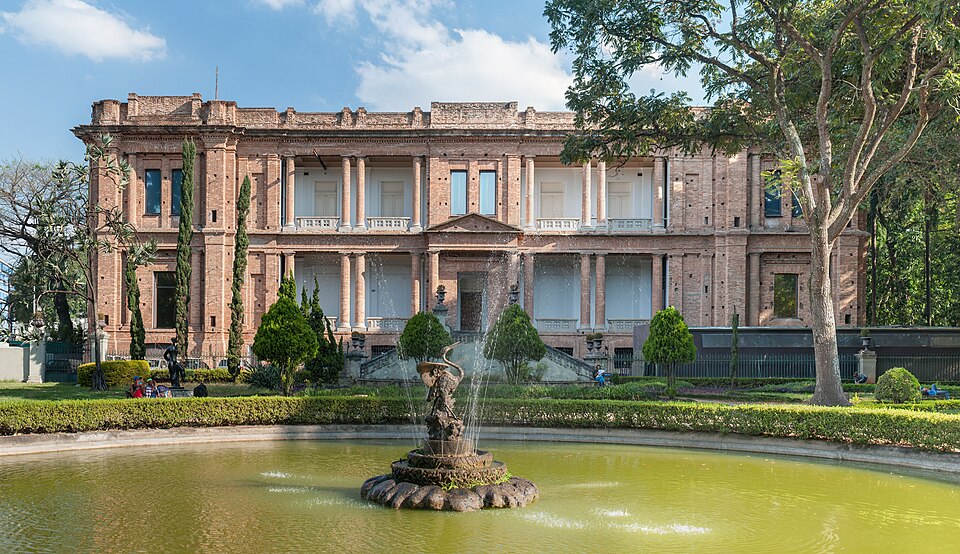
São Paulo's oldest art museum, in a handsome 1900 brick building, strong on Brazilian modernism, a fitting last big gallery stop.
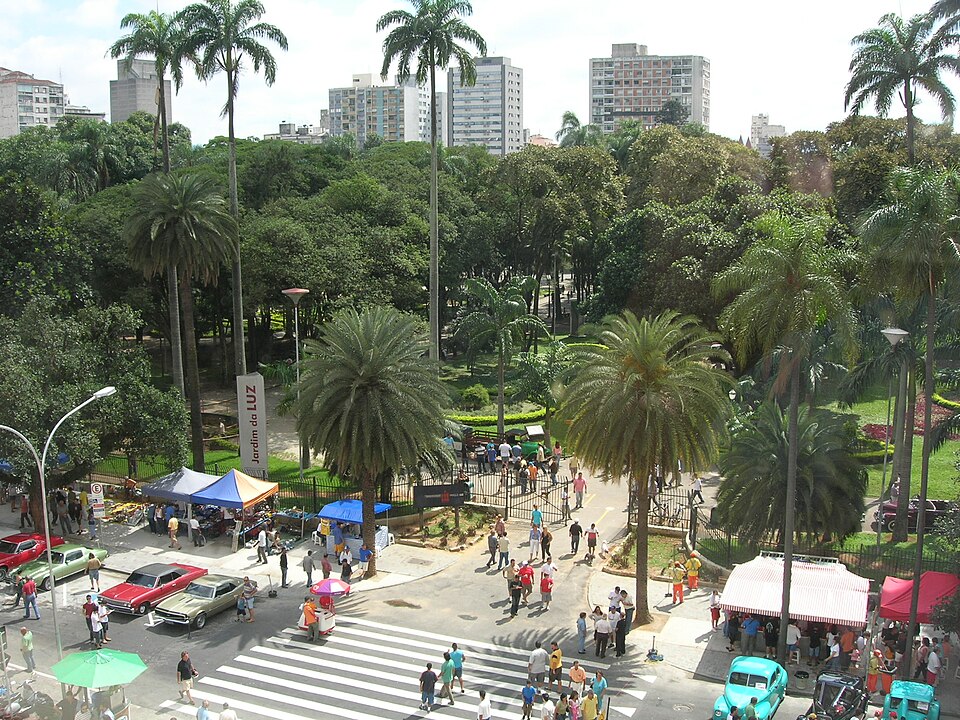
São Paulo's oldest public park, right by the museum, a quiet, tree-lined close to your last afternoon before dinner.
A beloved Minas-style kitchen tucked inside Oscar Niemeyer's Edifício Copan, a fitting farewell meal inside a true São Paulo landmark.
A quarter-kilo of griddled mortadella in a crusty roll, the city's most famous single bite, eaten under stained glass among the fruit stalls.
The city's most talked-about kitchen turns every part of the pig into a tasting sequence that ends up on world's-best lists.
São Paulo holds the largest Japanese community outside Japan, and its yakisoba stalls and family izakaya food are a cuisine of their own.
Brazil's black-bean and pork ritual, at its slow-cooked best on a Saturday. This plan gives Saturday lunch to Liberdade's market instead; ask Robin to swap in a feijoada house and it will.
No. Each day of this plan holds one zone, connected by the metro and a few short taxis or ride-app hops. São Paulo's traffic is famous for a reason; a rental would only put you inside it.
A Casa do Porco, well ahead. It sits on the world's-best lists and walk-ins queue even at lunch. MASP sells timed tickets online, worth grabbing the day before, and it is worth checking current opening days for the museums since several close on Mondays.
From Guarulhos, a taxi or ride app takes roughly 40 to 90 minutes depending on traffic; there is also an airport train toward Luz station, worth checking current schedules. From Congonhas, the city airport, you are 20 to 30 minutes from Jardins.
The neighborhoods this plan uses are the ones paulistanos themselves fill day and night. Follow big-city rules: keep your phone off the sidewalk's edge, use ride apps after dark, and treat Centro as a daytime zone, which is exactly how the plan schedules it.
For the Centro, Paulista and Ibirapuera arc, comfortably. What it leaves out is depth in the food neighborhoods: Pinheiros alone rewards a full day, which is exactly what a fourth day here should buy.
Give old Centro a whole morning so the cathedral, Pátio do Colégio and the Mercadão stop competing with each other, and move the Farol Santander deck to late afternoon, when the light over the towers is the show.
Graze the Mercado de Pinheiros, browse the streets around Praça Benedito Calixto, whose square hosts a sprawling antiques-and-crafts fair on Saturdays, and let dinner happen wherever the neighborhood pulls you.
The old crafts-market town at the city's edge makes the classic São Paulo day trip: a colonial center full of ateliers and furniture makers, and a slower Brazil an hour from the towers.
This trip was built for a typical first visit. You aren't typical. Find your loves, your budget, and your perfect São Paulo adventure by building on this trip with Hey Robin.
Finish this itinerary FREE at Hey Robin →


,_SP,_2026-01-20_(2).jpg)
.jpg)

.jpg)


