09:30–11:00
1Barrio del Carmen Wander Walk
The old town's tangle of medieval lanes and street art, start at Plaza del Tossal and let the alleys pull you toward the cathedral.
Three days fits Valencia unusually well: the medieval old town and the futuristic City of Arts and Sciences sit at opposite ends of the same dry riverbed, so the Turia Gardens stitch the whole trip together. This plan gives the Lonja, the Central Market and the cathedral a full first day, rides the riverbed to Calatrava's white ribs on day two with a real beachside paella at La Pepica, and keeps the last day gentle: modern art at IVAM, the Gulliver slide, and one final rice dish in the old town.
 Planned by Robin
3 days · 18 stops
Planned by Robin
3 days · 18 stops
The old town's tangle of medieval lanes and street art, start at Plaza del Tossal and let the alleys pull you toward the cathedral.
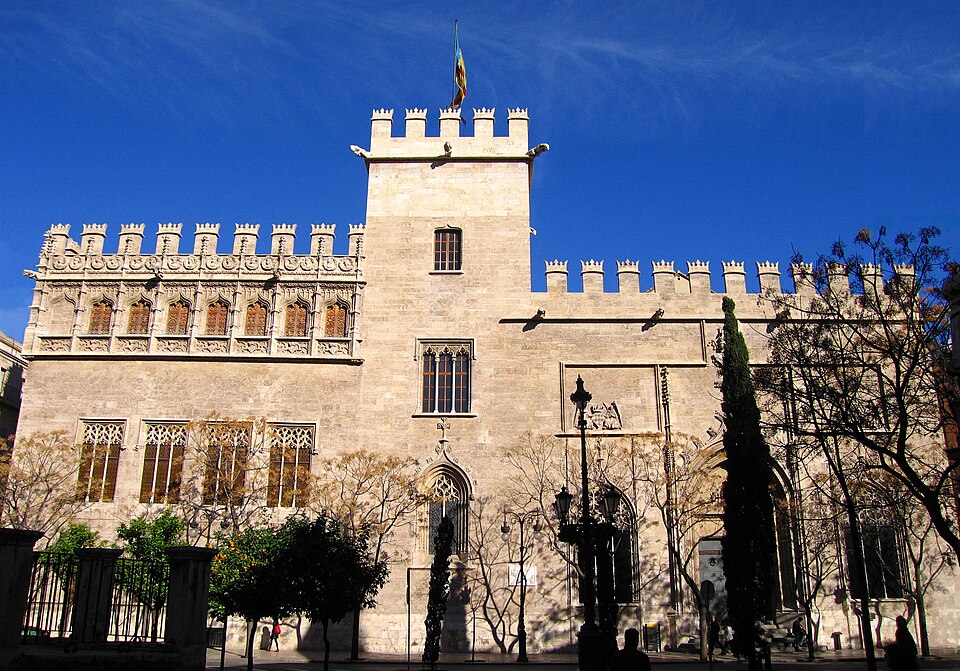
UNESCO-listed Gothic silk exchange; the twisting stone columns in the Sala de Contratación were meant to evoke a palm grove.
Iron-and-glass 1928 market hall, graze the jamón and citrus stalls for lunch rather than sitting down, it's part of the show.
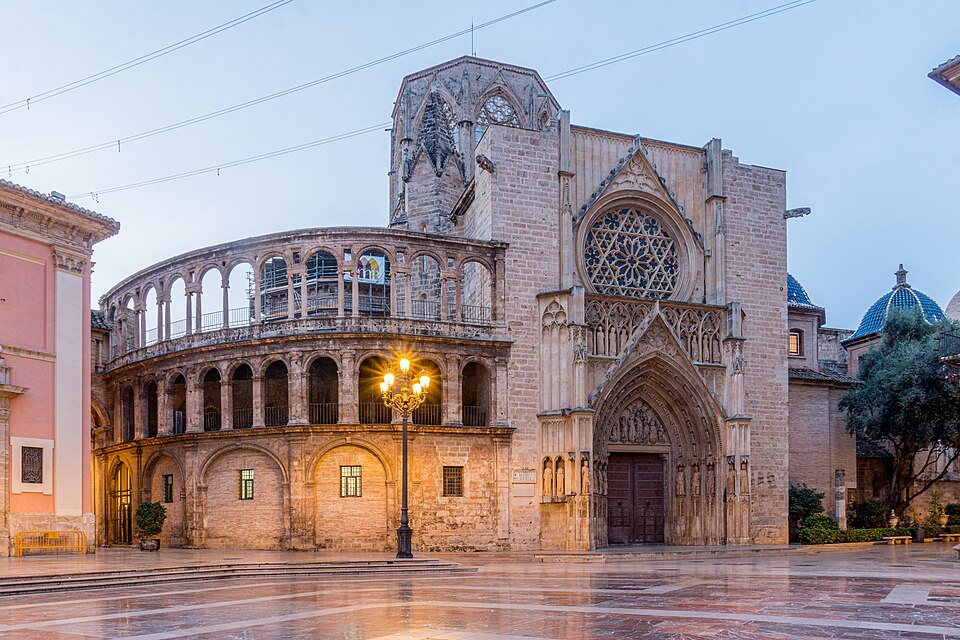
Climb the 207 spiral steps of the Miguelete for the best rooftop panorama of the old town in the golden afternoon light.
Sit by the Font del Turia fountain then drop into the dry riverbed gardens for a first taste of the green artery that circles the city.
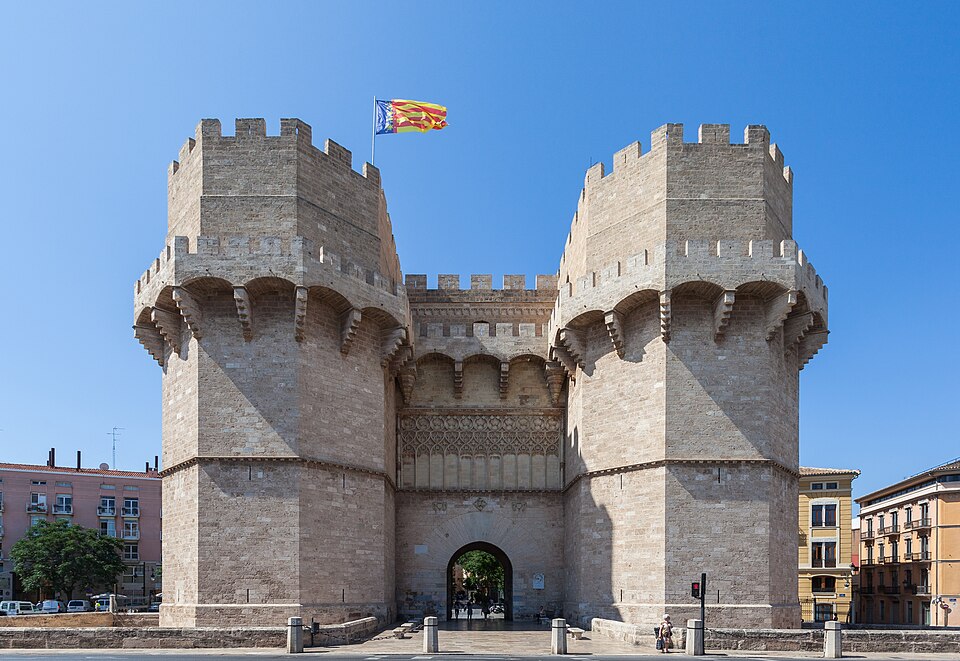
Climb this 14th-century city gate at dusk, the ramparts face west and catch the last light over the old town rooftops.
A serious, no-frills Valencian kitchen just off Plaza del Ayuntamiento, try the arroz al horno as a change from paella tomorrow.
Pick up bikes near Puente de las Flores and ride the full nine-kilometre riverbed park south, the gardens' whole point is best seen by bike.
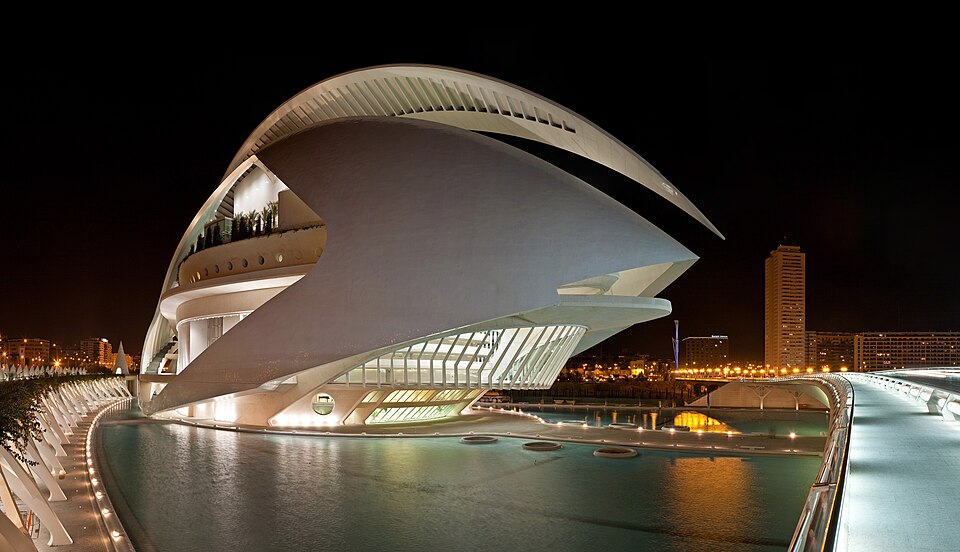
Calatrava's white ribs and reflecting pools, walk the whole complex from the Hemisfèric to the Àgora before the midday coach crowds arrive.
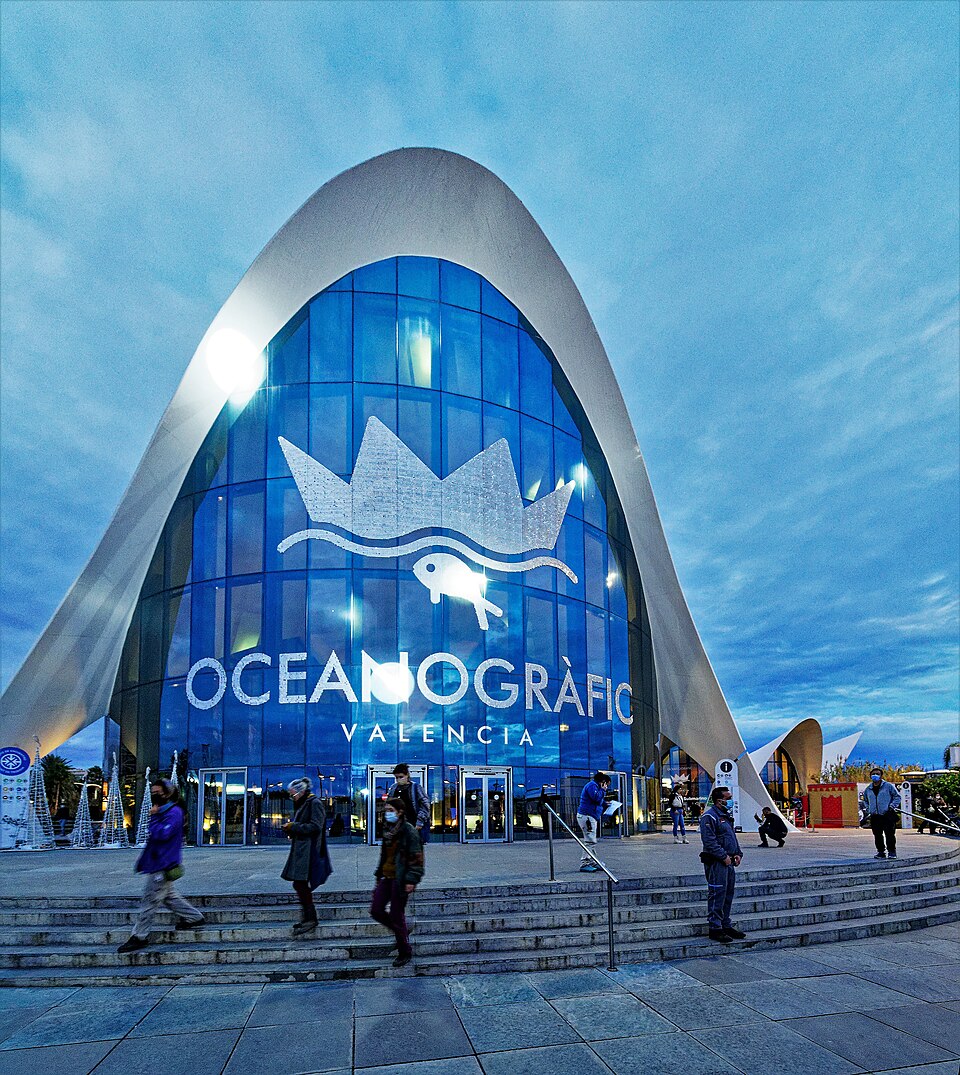
Europe's largest aquarium, sunk into a lily-shaped Calatrava building, the underwater tunnel through the oceans hall is the highlight.
Hemingway's old haunt on the Malvarrosa beachfront since 1898, order the paella de marisco and eat it with a sea view.
Stroll the beach promenade to walk off lunch, the striped beach cabins and palm-lined boardwalk are pure old Valencia seaside.
An 1836 wine-and-tapas bodega in El Cabanyal, all barrels and tile, go for the vermut and small plates rather than a full sit-down meal.
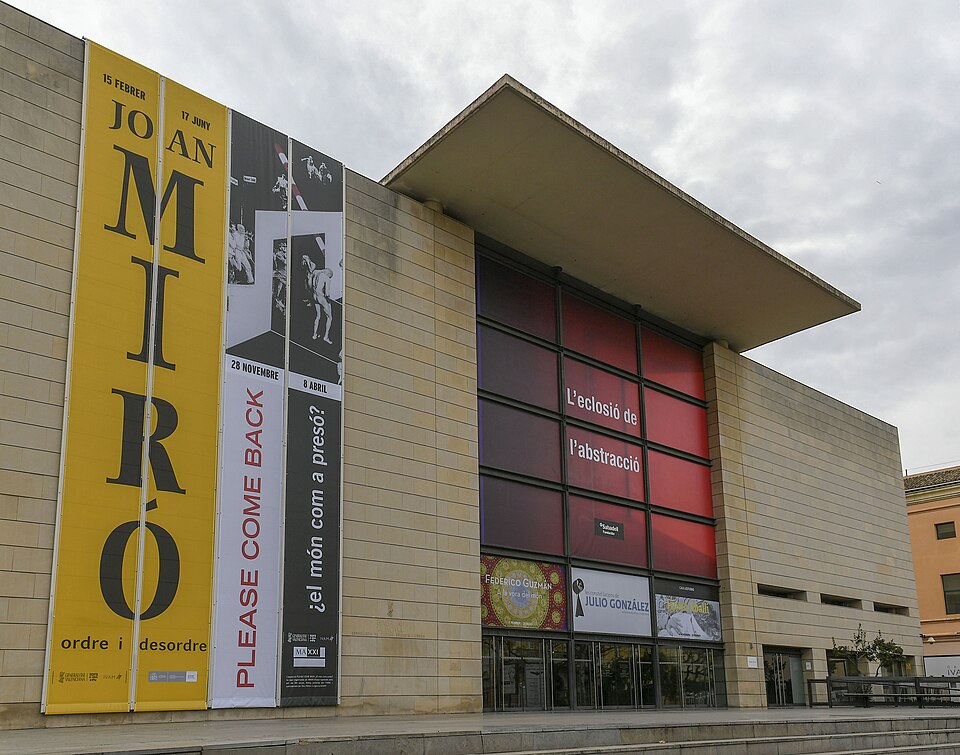
Spain's first modern art museum, strong on Julio González's sculpture, the sunlit central courtyard is a quiet spot to linger.
Continue the riverbed gardens on foot to the giant fallen-Gulliver slide sculpture, a favourite Sunday-stroll ritual for local families.
A 1916 Modernist iron-and-ceramic market building turned café hall, browse the architecture and grab a light lunch at one of its stalls.
Valencia's answer to Brooklyn, independent design shops and shaded plazas, good for a slow last afternoon before dinner.
A cosy old-town institution for closing the trip, try the arroz negre if you didn't already have your fill of paella at the beach.
The original, cooked wide and thin so the rice toasts at the edges. Lunch food, never dinner, and best steps from the sand.
Valencians eat arroz al horno (oven-baked, with chickpeas and morcilla) and inky arroz negre far more often than paella; ordering them marks you as someone who did the reading.
Jamón cut to order, clams, citrus and horchata under a 1928 iron-and-glass roof; lunch as a walking performance.
The city's chilled tiger-nut drink, dunked with soft sugared pastries. This plan doesn't schedule one, so ask Robin to slot in a mid-afternoon horchatería stop and it will.
No. The old town is compact, the Turia Gardens make the City of Arts and the beach a flat bike ride, and the metro covers anything left. A car in Valencia is a parking problem, not a tool.
L'Oceanogràfic sells timed tickets and the good morning slots go first, so book it once your dates are set. La Pepica takes reservations and a beachfront table at 14:30 is worth locking in. Everything else on this plan walks in.
Metro lines 3 and 5 run from the airport to the old town in about 25 minutes; a taxi is a 20-minute ride.
Valencia is where paella is from, and the rule is simple: eat it at lunch, near the beach, from a restaurant that has always made it. That's La Pepica on day 2. The old-town dinners on this plan deliberately order other rices, arroz al horno at Navarro and arroz negre at La Riuà, so you taste the family, not just the famous dish.
For the old town, the City of Arts and the beach, comfortably. What it leaves out is a day trip: the Albufera lagoon (where the paella rice actually grows) deserves a fourth day.
Give Calatrava's complex and L'Oceanogràfic a full day of their own, and move the beach, La Pepica and Casa Montaña to a dedicated seaside day; the plan's one judged weakness is how much day 2 carries.
Bus or bike south to the rice paddies and take a flat-bottomed boat out on the lagoon at sunset; eat all-i-pebre (eel and potato stew) in El Palmar, the village where paella's ingredients grow.
Half an hour north by train, Sagunto stacks a Roman theatre under a hilltop castle; wine people should point the other way to Utiel-Requena's bobal cellars instead.
This trip was built for a typical first visit. You aren't typical. Find your loves, your budget, and your perfect Valencia adventure by building on this trip with Hey Robin.
Finish this itinerary FREE at Hey Robin →


