09:00–10:30
1Barri Gòtic wander Walk
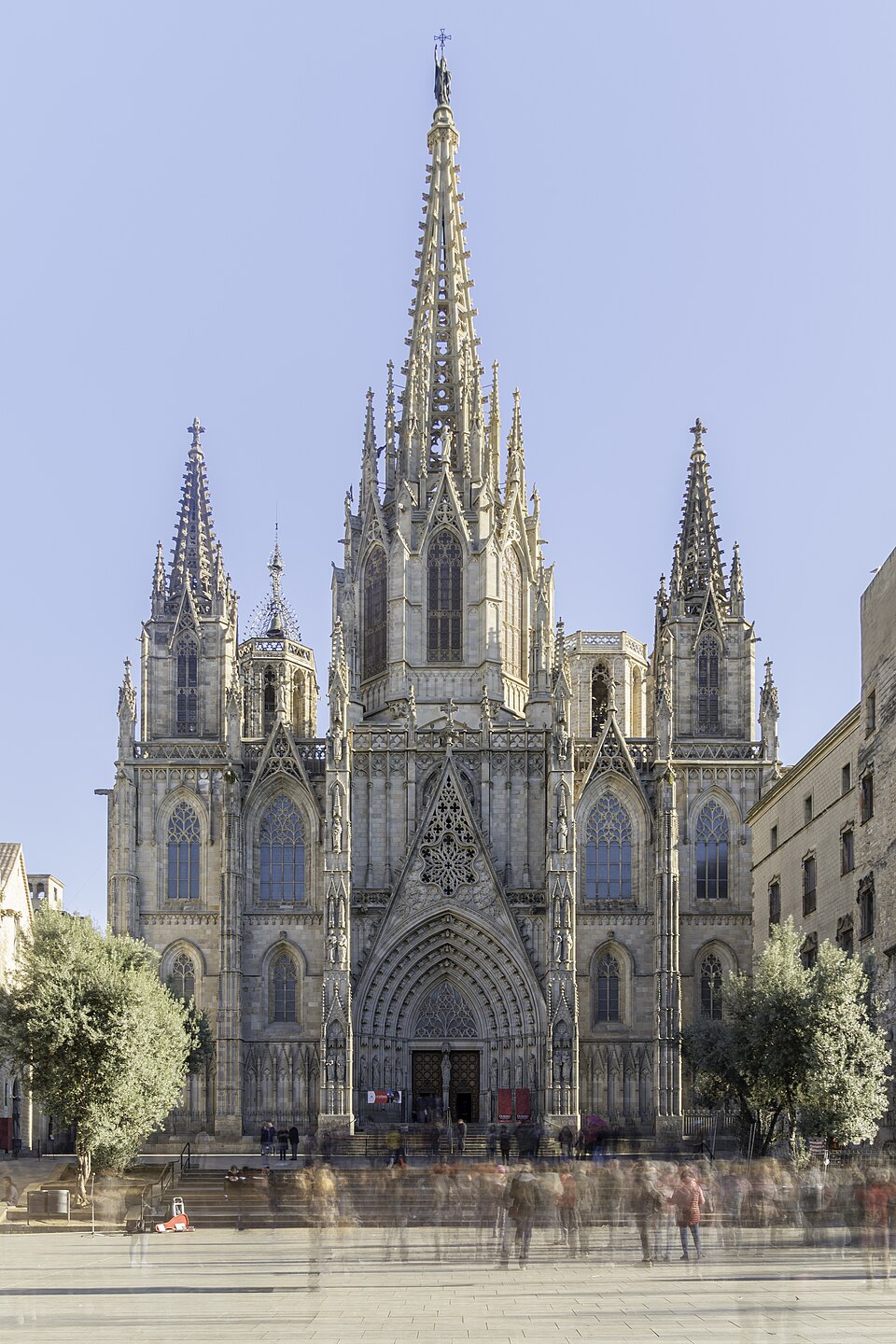
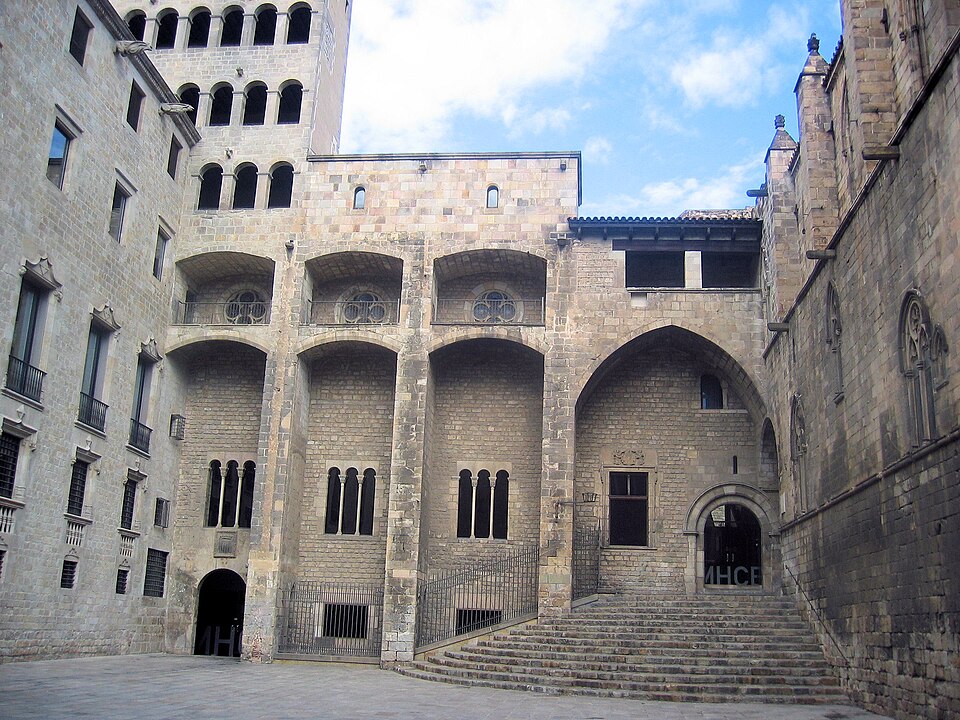
Tangled medieval lanes around Plaça del Rei and Carrer del Bisbe. Barcelona's oldest layers, best explored without a fixed route.
Barcelona reads like a built argument between centuries, and three days covers both sides of it: the Gothic Quarter's medieval stone and Domènech i Montaner's stained-glass Palau on day one, a full Gaudí day along the Eixample on day two with timed tickets doing the heavy lifting, and Park Güell's mosaic morning before a last panorama from the Bunkers del Carmel. Book the Sagrada Família and Park Güell before you fly; everything else falls into place around them.
 Planned by Robin
3 days · 16 stops
Planned by Robin
3 days · 16 stops
Tangled medieval lanes around Plaça del Rei and Carrer del Bisbe. Barcelona's oldest layers, best explored without a fixed route.
Gothic cathedral with a cloister of geese, the courtyard is quieter than the main nave and often overlooked.
Modernista café where a young Picasso designed the menu cover, order the classic Catalan set lunch.
Domènech i Montaner's concert hall, the stained-glass skylight over the auditorium is the detail to look up for.
Miralles' wavy ceramic-roofed market, a striking contrast to the Gothic Quarter's stone, wander the stalls even if not buying.
Historic 1836 restaurant famous for paella and Catalan classics, a proper sit-down first dinner.
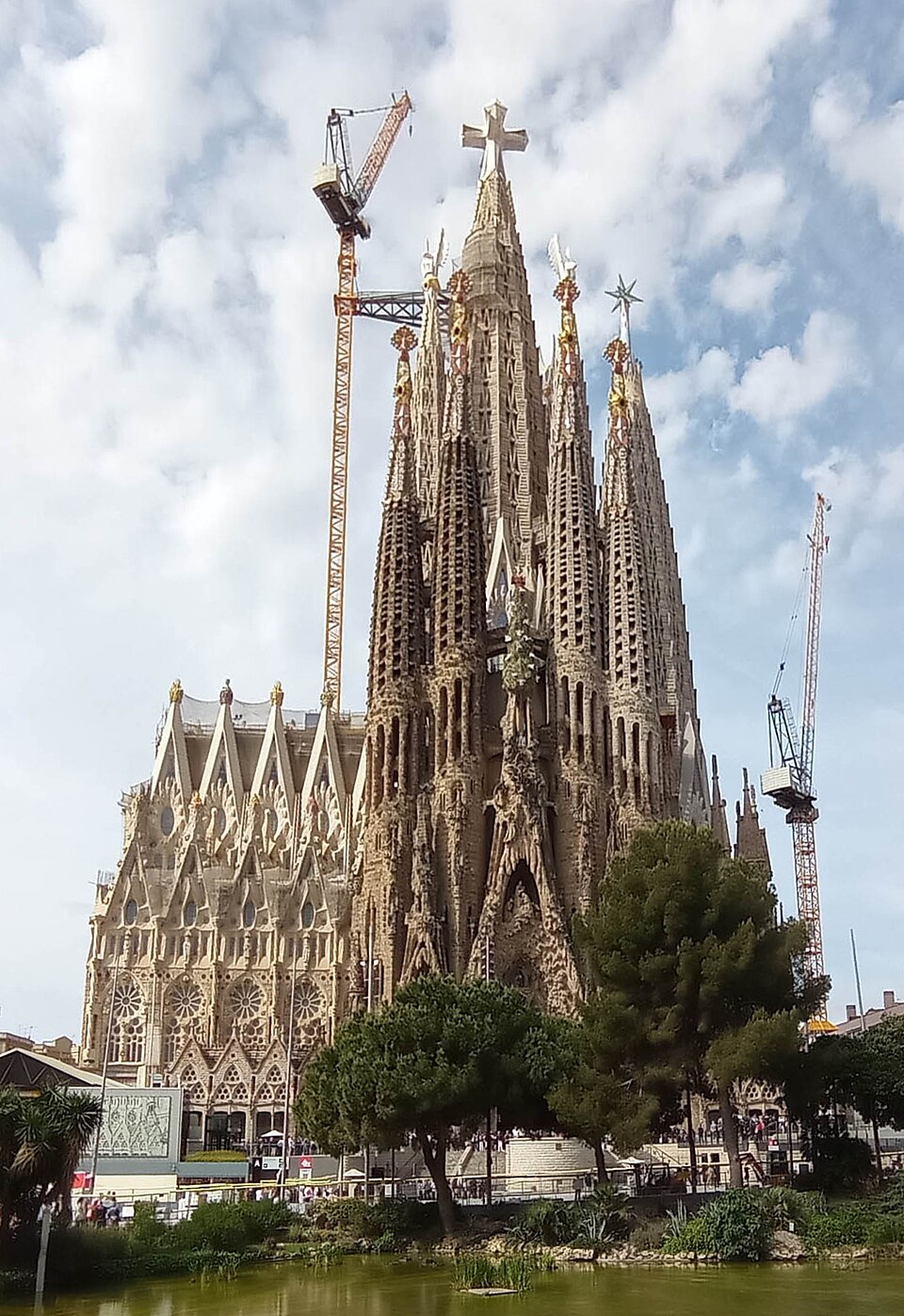
Enter via timed advance ticket, go straight to the Passion Façade side first, it's less crowded at opening.
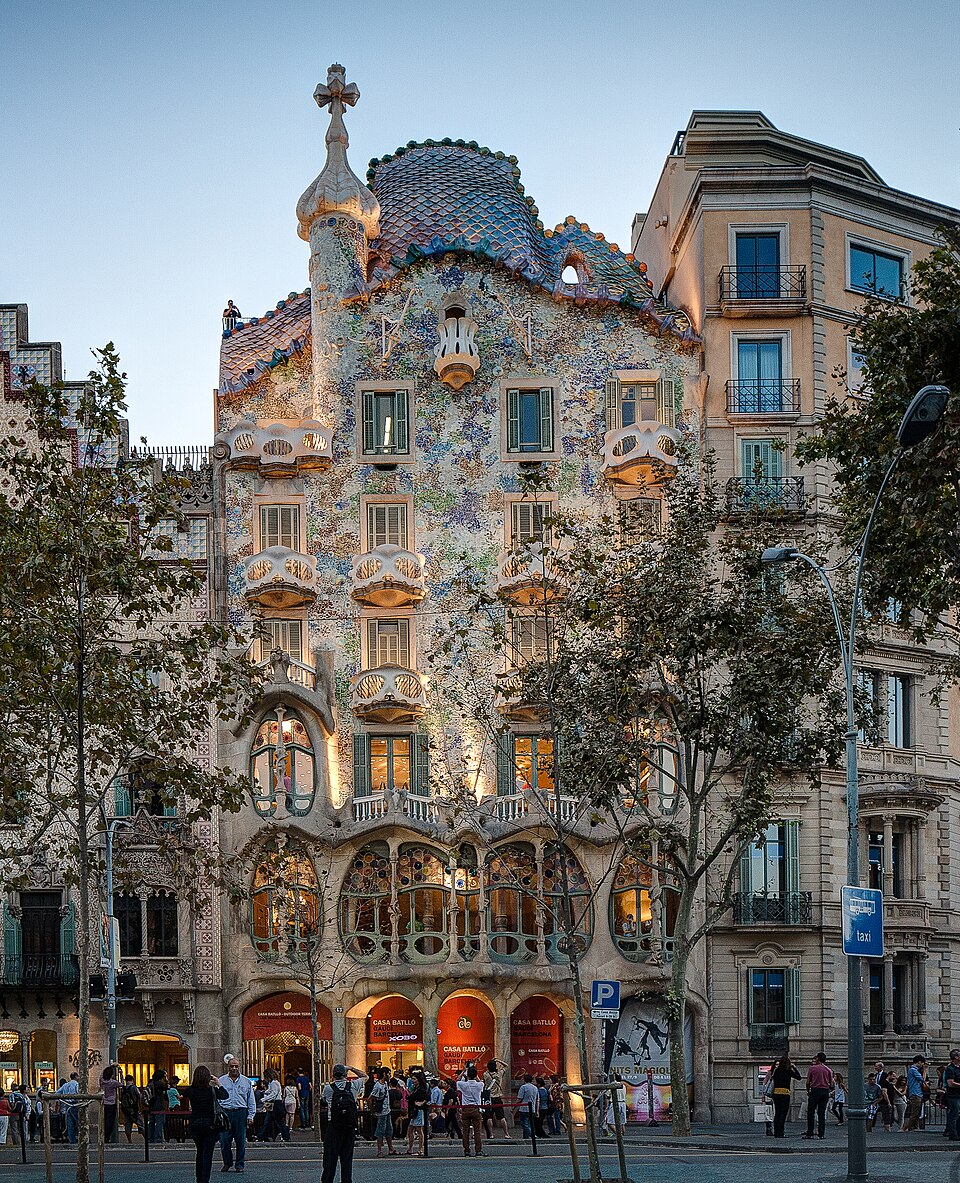
Gaudí's bone-like façade on Passeig de Gràcia, the rooftop chimneys resemble a dragon's spine.
Busy tapas bar just off Passeig de Gràcia, loved by locals for quality pintxos at the counter.
Gaudí's undulating stone façade with no straight lines, the rooftop chimney-warriors are the highlight.
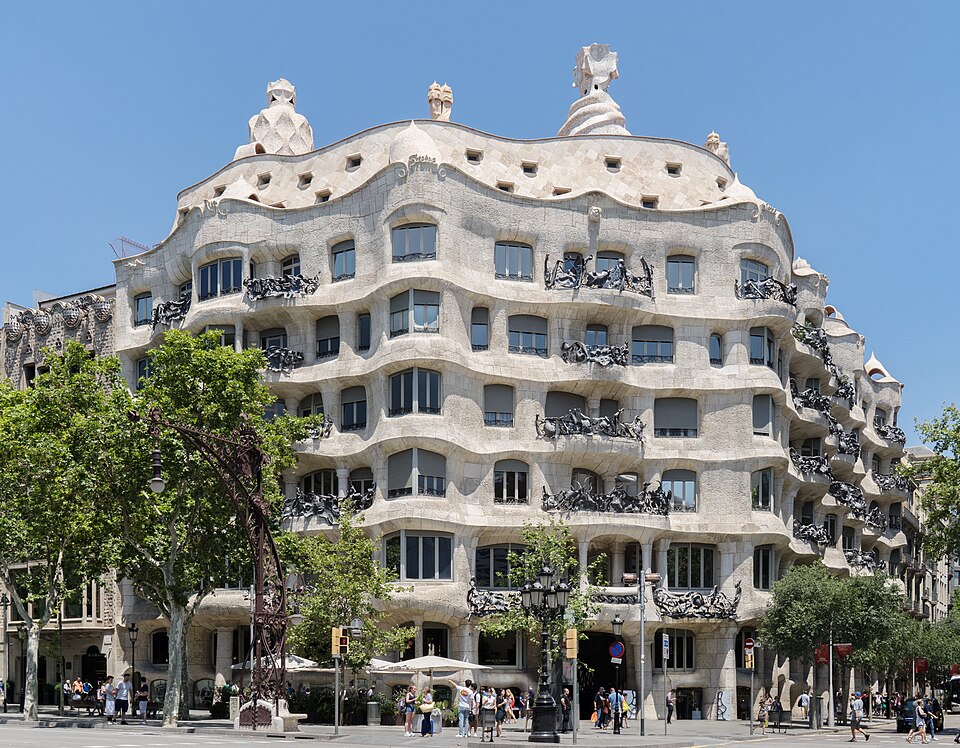
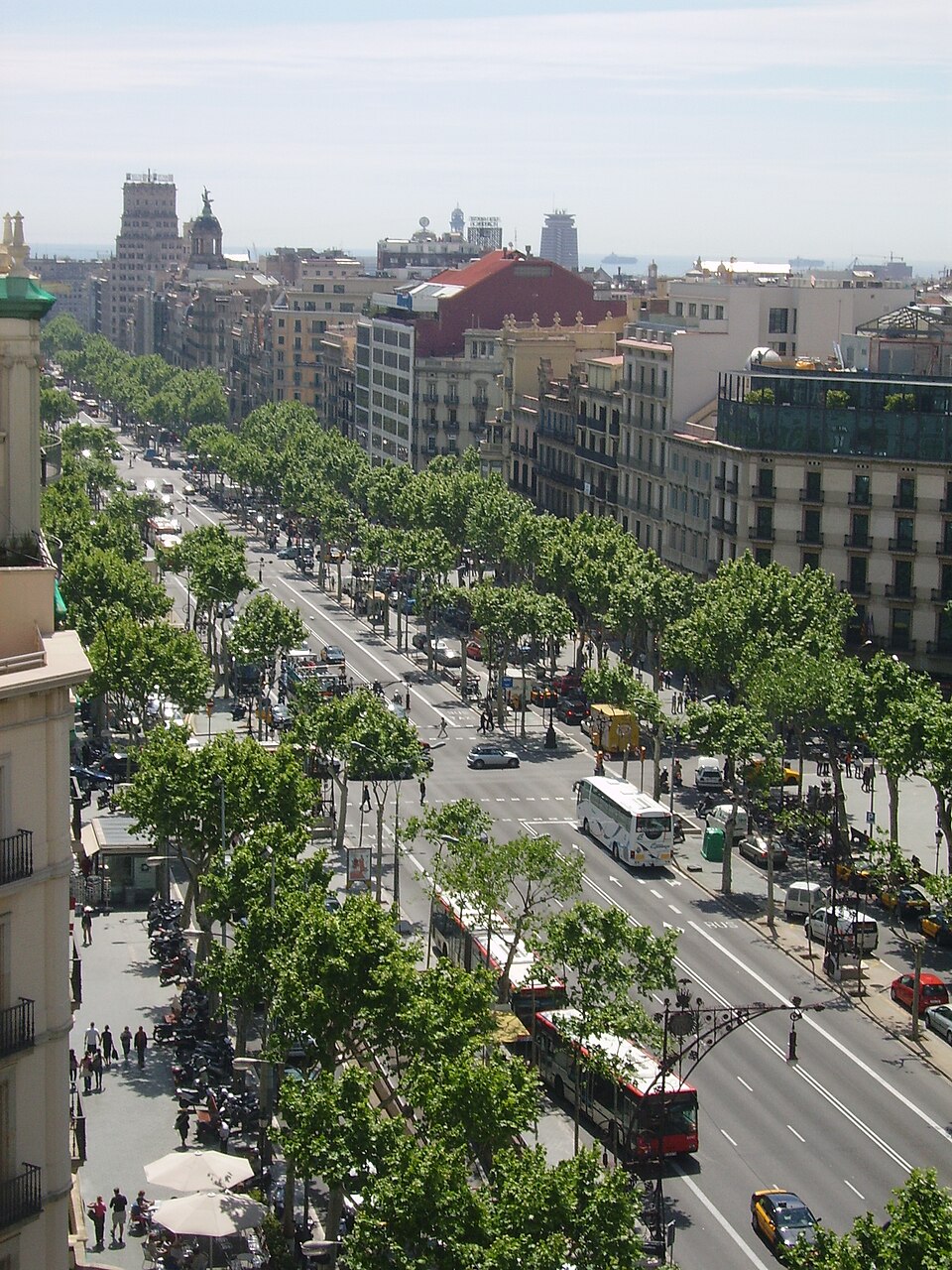
Walk the boulevard itself, noting the Manzana de la Discòrdia's clash of three rival Modernista façades side by side.
19th-century milk bar, inventor of the Cacaolat drink, a lighter dinner stop for something distinctly local.
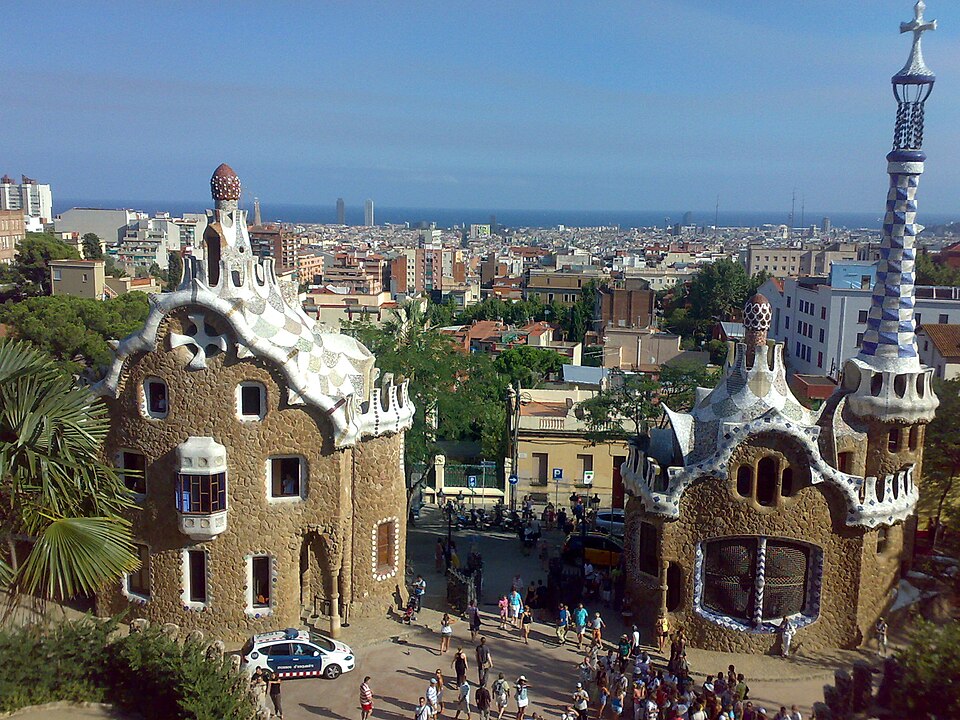
Advance timed ticket for the Monumental Zone, the mosaic salamander and Sala Hipóstila are best seen before midday crowds.
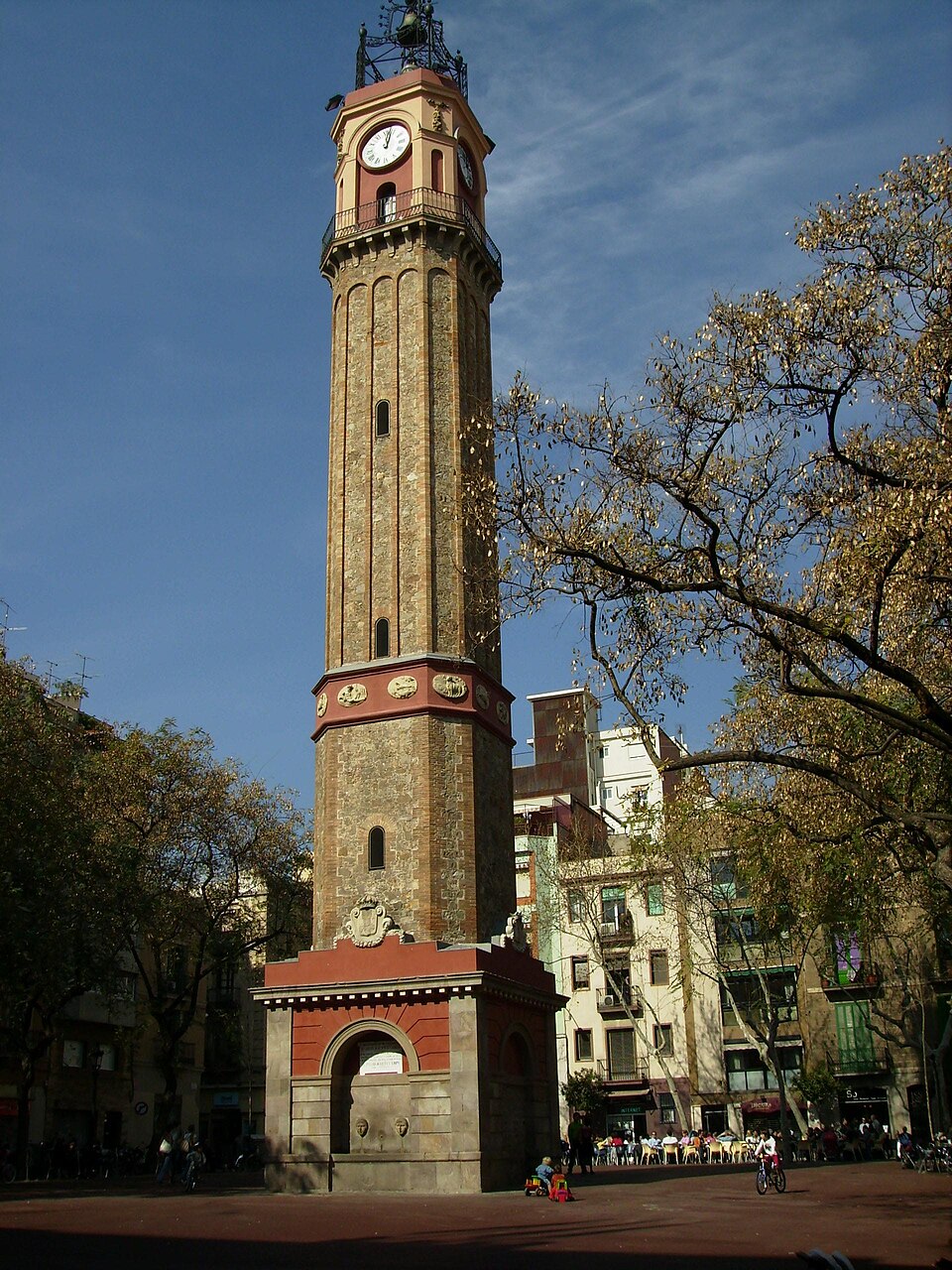
Leafy squares like Plaça del Sol just below the park, a village feel that's a world away from the tourist core.
Historic 1929 café on La Rambla, a fitting last real meal before heading toward the airport.
Old anti-aircraft bunkers turned viewpoint, 360° skyline over the whole city, a fitting last look at Barcelona.
Els Quatre Gats fed the Modernista crowd from 1897; order the Catalan classics and study the room.
Stand-up tapas culture at its Eixample best, order in twos and keep the toothpicks for the bill.
Granja M. Viader is the 19th-century milk bar that invented Catalonia's beloved chocolate drink; suizos and melindros are the pairing.
The formal first-night dinner: 7 Portes has served rice under its arcades since 1836.
The Sagrada Família and Park Güell's Monumental Zone, both timed and both routinely sold out on the day. Casa Batlló and La Pedrera usually have same-week availability but booking saves the queue; the Palau's interior visit is by guided tour with limited slots.
No. The metro's L2 and L5 serve the Eixample sights, day 1 is entirely on foot, and one taxi tames day 3's hill. Driving here means circling for parking you will not find.
For the essential Gaudí works plus the Gothic core and one Domènech i Montaner interior, yes. What it leaves out are Casa Vicens, the Sant Pau Recinte Modernista and the Colònia Güell crypt, which is exactly what the four-to-five-day version adds. For beaches, food crawls and nightlife, pair this with the first-visit Barcelona itinerary.
The two timed entries protect you at the worst pinch points. Elsewhere, mornings are everything: the Gothic Quarter before 10am and Park Güell at opening feel like different cities from their afternoon selves.
La Pedrera's rooftop warriors late in the day if your ticket allows, otherwise the Bunkers del Carmel: the old anti-aircraft platform gives the only 360-degree sweep that puts the Sagrada Família, the sea and Tibidabo in one frame.
Morning at the Sant Pau Recinte Modernista, Domènech i Montaner's tiled hospital city a short walk up from the Sagrada Família, then Casa Vicens, Gaudí's first house, tucked into Gràcia.
Take the short train to the Colònia Güell: Gaudí's unfinished crypt is where he tested the leaning columns and catenary arches the basilica later perfected, and hardly anyone goes.
Split day 2 in two, Sagrada morning and Passeig de Gràcia the next, and give the freed afternoon to the Santa Caterina market roofline and the Born's medieval lanes at dusk.
This trip was built for a typical first visit. You aren't typical. Find your loves, your budget, and your perfect Barcelona adventure by building on this trip with Hey Robin.
Finish this itinerary FREE at Hey Robin →


