09:30–12:00
1Titanic Belfast Culture
Nine interactive galleries built on the actual slipway where she was launched, the gantry ride is the one to linger over.
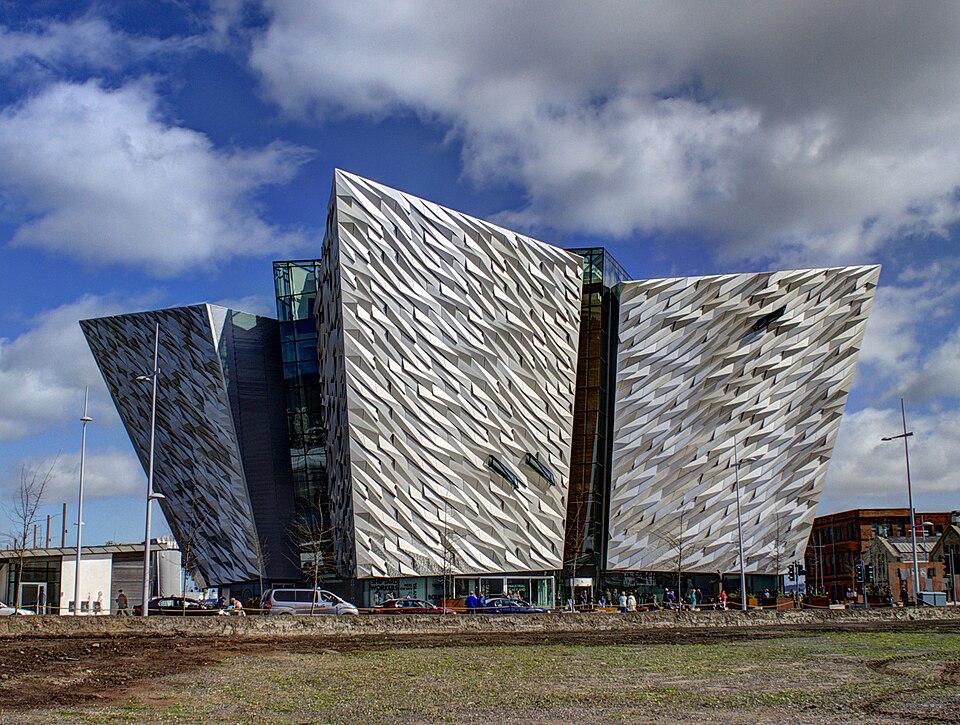

1 Olympic Way, Queen's Road, Belfast BT3 9EP · website
Belfast in three days runs its history in the right order: the Titanic story first, in the shipyard where she was built and aboard the little SS Nomadic that tendered her passengers, then the harder history of the Falls and Shankill murals told from a black cab by someone who lived it, and finally the long view from Cave Hill with a quiet hour in the Linen Hall Library's political archive. Around all of it: market breakfasts, Victorian gin palaces and the Cathedral Quarter's lanes.
 Planned by Robin
3 days · 13 stops
Planned by Robin
3 days · 13 stops
Nine interactive galleries built on the actual slipway where she was launched, the gantry ride is the one to linger over.
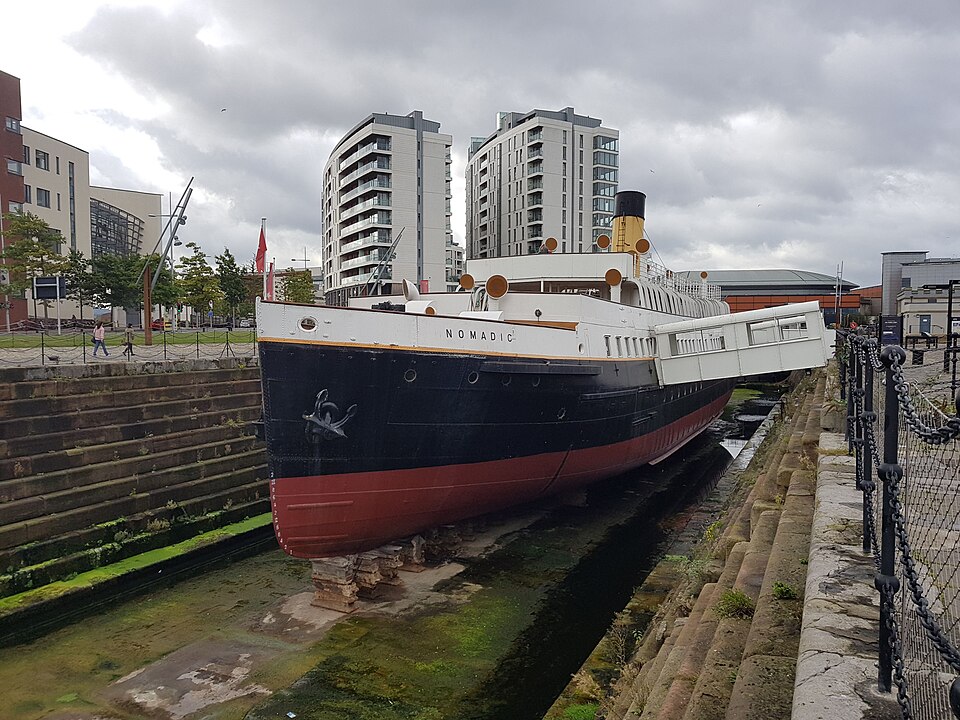
The last surviving White Star Line ship, moored steps away, she ferried Titanic's first-class passengers out to the liner in Cherbourg.
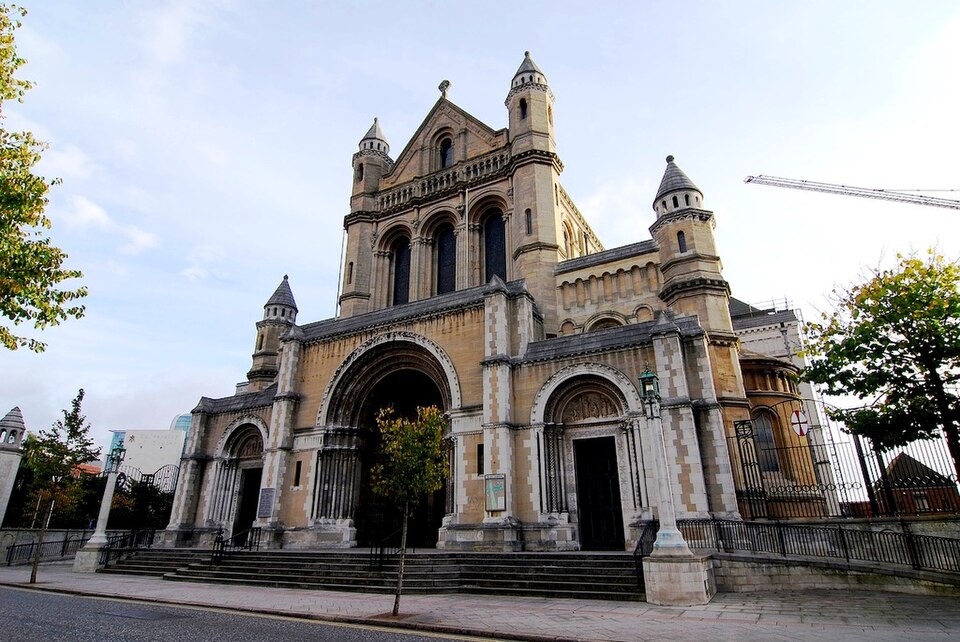
Wander the cobbled lanes around St Anne's Cathedral, the Duke of York's alley and the old warehouse fronts show Belfast's Victorian commercial heyday.
A National Trust-owned Victorian gin palace of tiled snugs and gas lamps, order the Ulster fry or oysters and soak in the ornate ceiling.
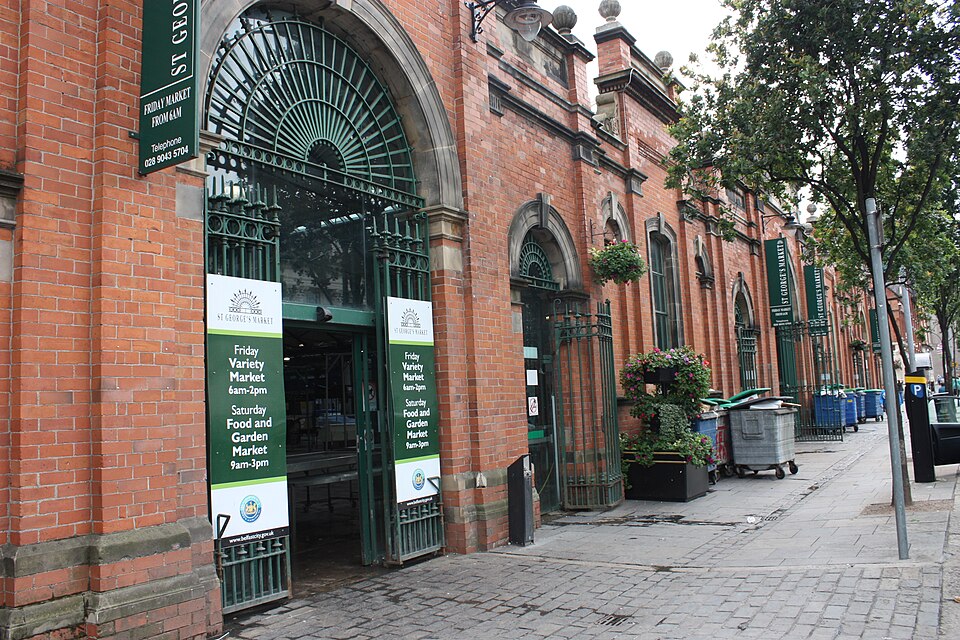
Belfast's Victorian market hall, open Fridays for the variety market, pick up breakfast rolls and Irish produce to carry with you.
A licensed West Belfast driver reads the Falls Road and Shankill murals and the Peace Wall gates like a text you couldn't get from a book.
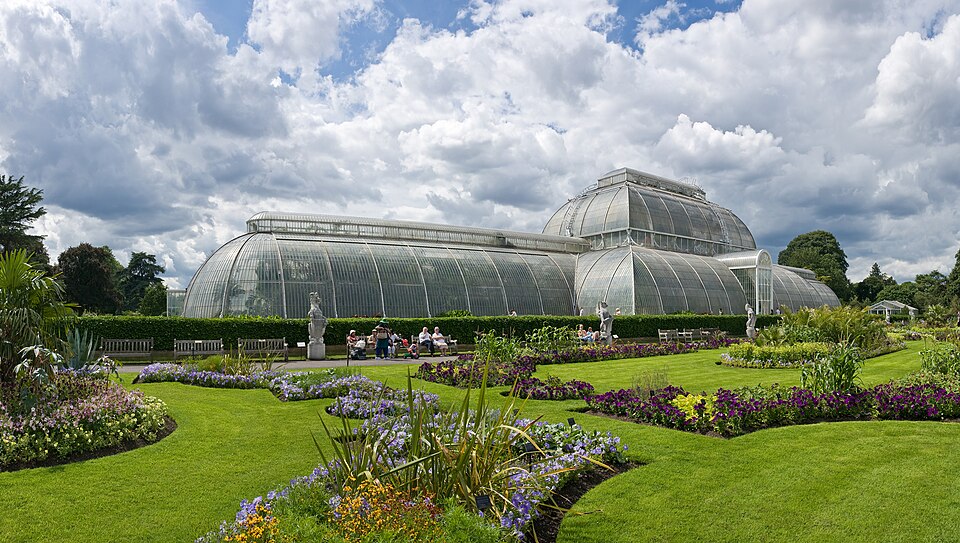
Free entry, the Troubles gallery on the top floor gives real context to the murals you just saw.
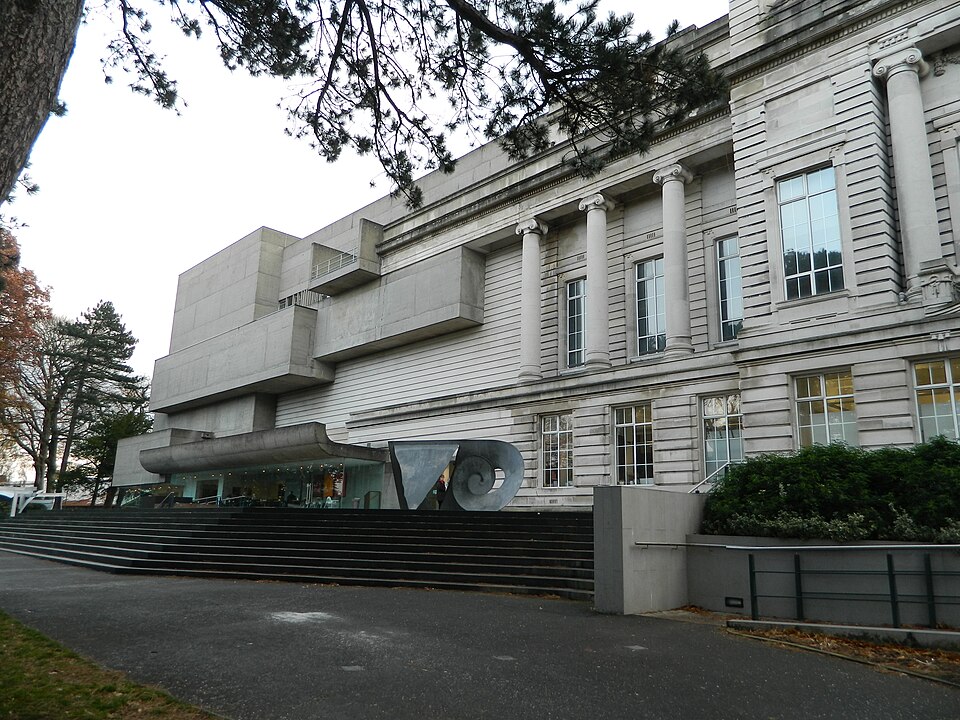
An 1840s curvilinear glasshouse, one of the earliest of its kind, the warm, humid dome makes a lovely late-afternoon detour.
A relaxed local favourite doing modern Ulster comfort food, good for a proper sit-down after a long day on your feet.
Climb to the basalt outcrop above Belfast Castle for the whole city and Belfast Lough laid out below, the summit is a 45-min walk from the castle car park.
Lunch inside the Scottish-baronial castle you just hiked below, with the same lough views from the terrace.
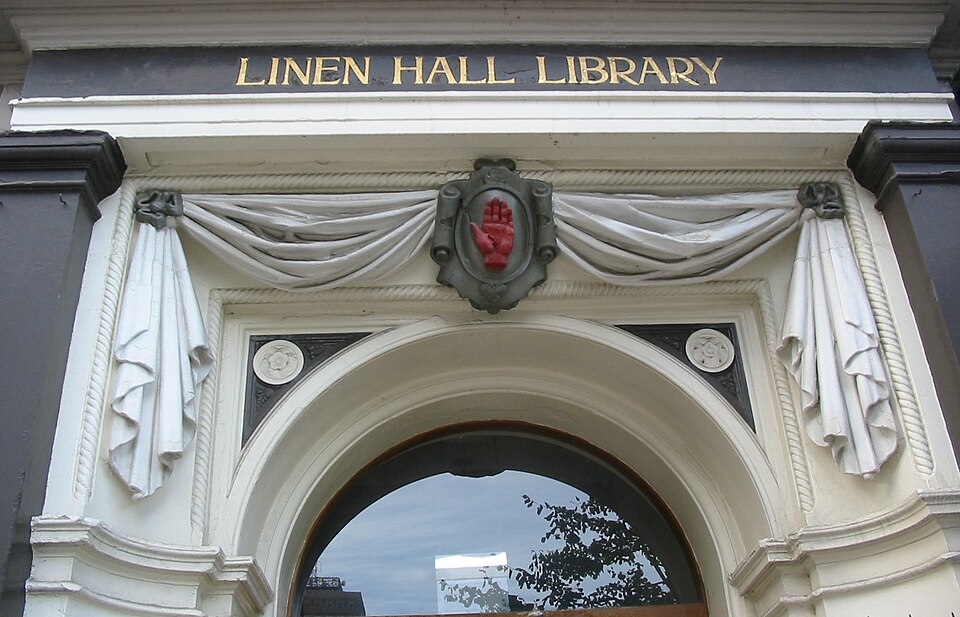
Founded 1788, ask to see the Northern Ireland Political Collection, a quietly extraordinary archive of Troubles-era ephemera most visitors never find.
A tucked-away Cathedral Quarter pub with nightly trad sessions and Belfast's own whiskey behind the bar, a warm last night.
The full Northern Irish breakfast with its two non-negotiables: soda farls and potato bread, fried till the edges catch.
Eaten under gaslight fittings and carved snugs in one of the most ornate bars ever built.
Mourne-coast mussels, langoustines and oysters are Belfast's quiet strength. This plan's dinners went to the classics, so ask Robin to swap in a seafood house for one evening.
Fifteens, caramel squares and the whole sugar-dusted family, a Northern Irish institution best bought by the slab.
No. This whole plan is walking plus one black cab tour, and the city centre is compact. A car only enters the picture if you add the Causeway coast, and even that runs fine as a guided day tour.
Titanic Belfast sells timed entry, book the morning slot, and the black cab tours fill on summer weekends. The Crown is walk-in; claiming one of its snugs is a matter of timing, not reservations.
Two airports: Belfast City is ten minutes out, Belfast International about forty. Both run frequent express buses to the centre; taxis are easy at either.
For the city itself, yes, and this plan uses them fully. The Giant's Causeway, Carrick-a-Rede rope bridge and the Antrim coast are what a fourth day buys, and they're worth it.
Yes, and locals run them for exactly that reason. Go with a guide rather than wandering the peace lines alone: context is everything here, and the gates between some neighbourhoods still close at night.
Move the Ulster Museum and Botanic Gardens to their own relaxed half day, so the black cab tour can run long when the conversation does, which it will.
The Giant's Causeway's basalt columns, Carrick-a-Rede rope bridge and Dunluce Castle's clifftop ruin string into one of Europe's great coastal drives, doable as a tour from the city.
Either walk in the Mourne Mountains that inspired Narnia, or loop Strangford Lough for Mount Stewart and a seafood lunch in Portaferry.
This trip was built for a typical first visit. You aren't typical. Find your loves, your budget, and your perfect Belfast adventure by building on this trip with Hey Robin.
Finish this itinerary FREE at Hey Robin →.jpg)

.JPG)


