09:00–09:40
1Place de la Bourse & Miroir d'eau Sight
The city's postcard shot: 18th-century façade reflected in Europe's largest reflecting pool, best with morning light before crowds.
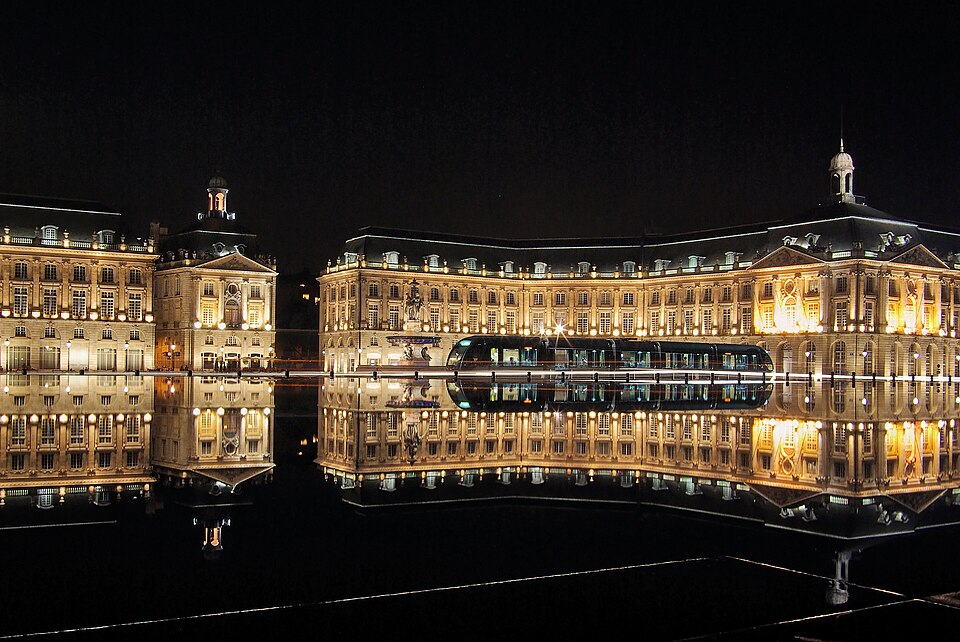
Three days in Bordeaux divide the way the city itself does: one for the 18th-century showpiece, the Place de la Bourse doubling in its mirror pool and the old streets running to the cathedral, one for wine, from the Cité du Vin's spiral to a riverbank picnic and an industry-run tasting bar, and one aboard a short train to Saint-Émilion, the medieval hilltop with a church carved underground. September means harvest in the air. No car; the tram and your feet do all of it.
 Planned by Robin
3 days · 20 stops
Planned by Robin
3 days · 20 stops
The city's postcard shot: 18th-century façade reflected in Europe's largest reflecting pool, best with morning light before crowds.
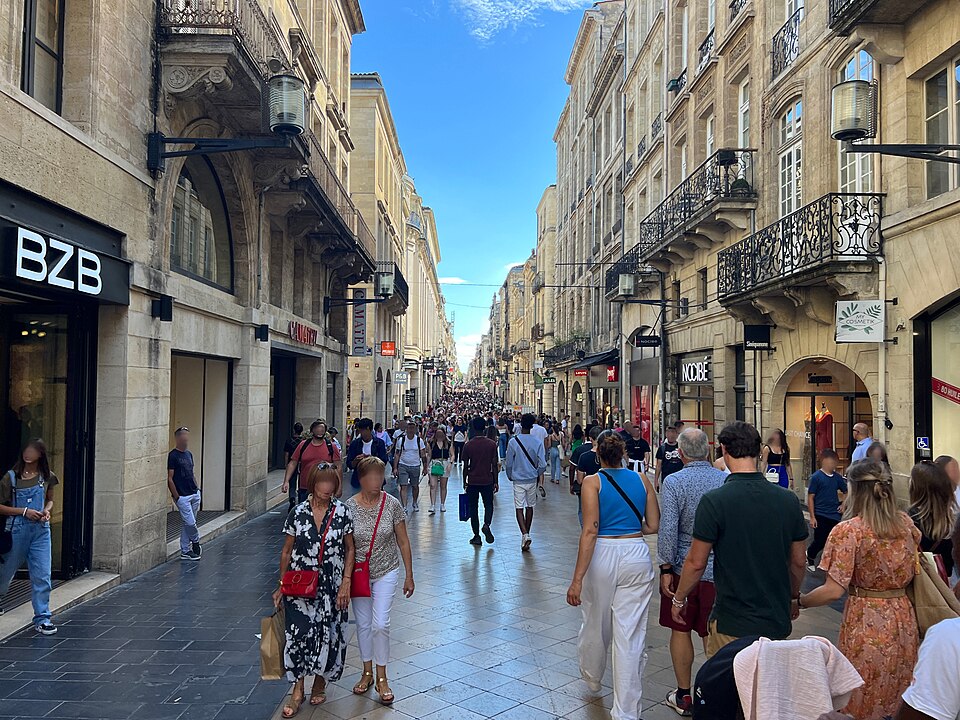
Wander Europe's longest pedestrian shopping street then duck into the medieval Grosse Cloche belfry gate, a living contrast to the Bourse's grandeur.
Pick up canelés here, the caramelised-crust Bordeaux specialty, best eaten still slightly warm.
Bordeaux's grandest Gothic church, with the freestanding Pey Berland bell tower beside it worth the climb for rooftop views.
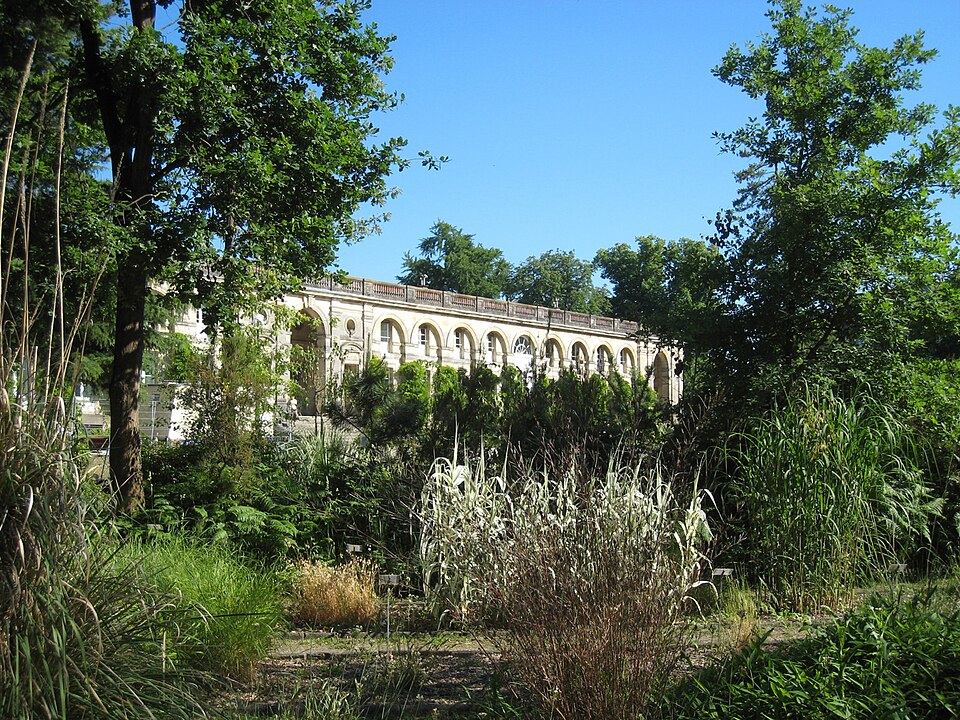
A quiet 18th-century English-style garden locals actually use at dusk, a calm bench moment before dinner.
A Bordeaux institution built around the open hearth, duck, foie gras and Sud-Ouest classics done with real care.
The wine museum's swirling architecture and top-floor tasting-with-a-view make it the essential wine-lover stop; book the morning slot to beat tour groups.
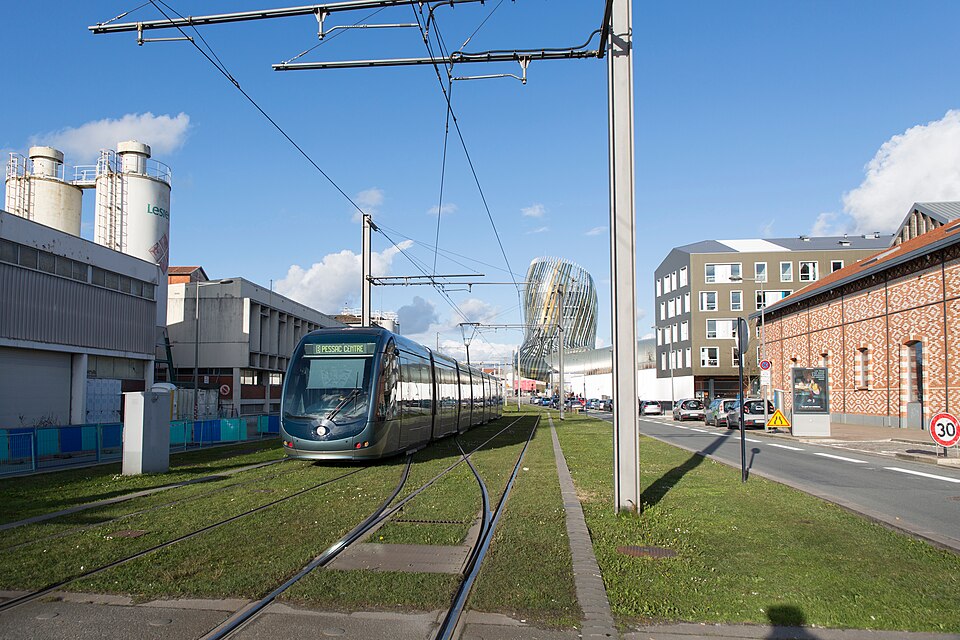
Bordeaux's beloved covered food market, graze oysters and charcuterie standing at the counters like the locals do.
Carry canelés and market finds down to the grassy river edge here, the Garonne curves wide and the light softens by mid-afternoon.
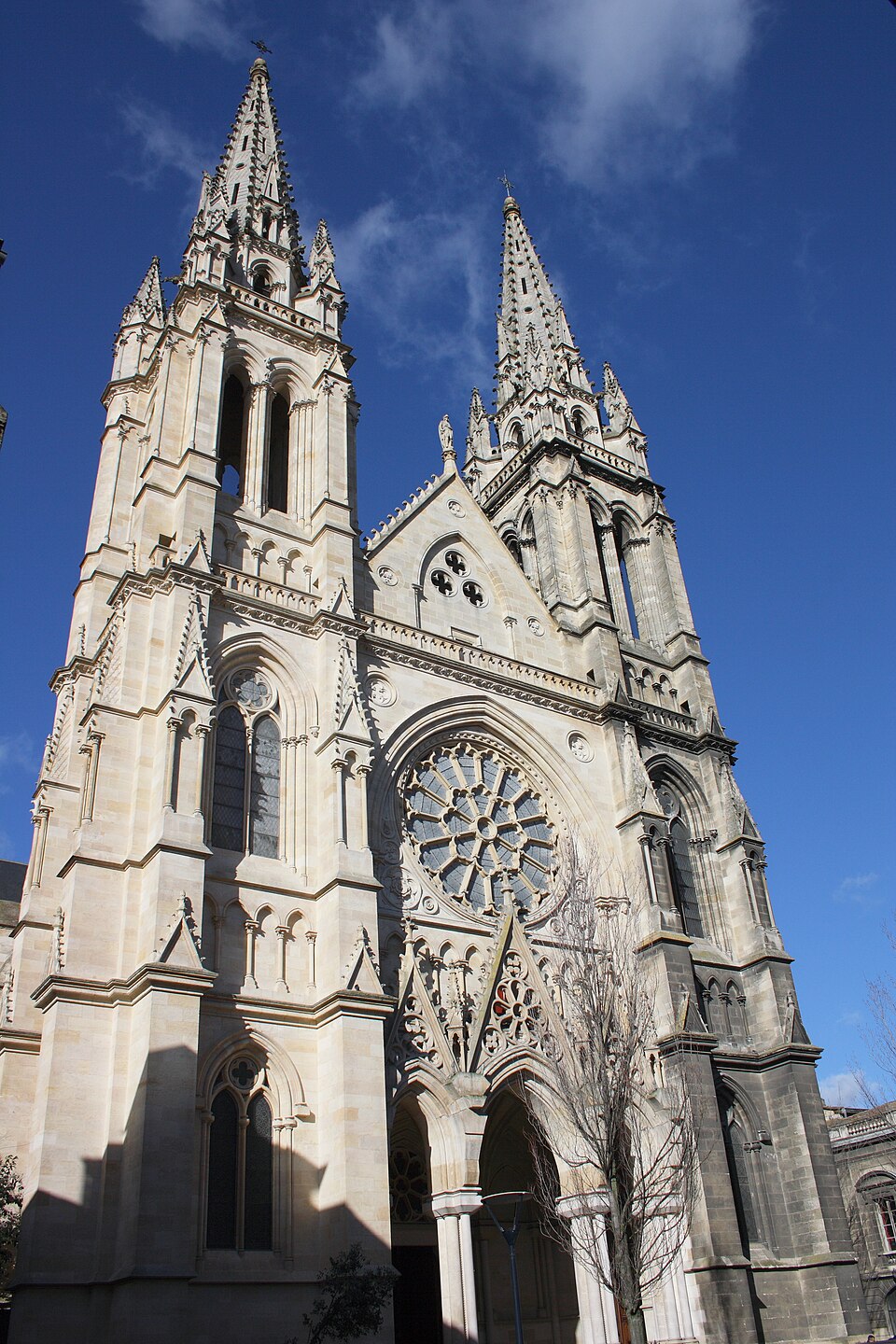
A small, tucked-away wine-trade museum in a 18th-century cellar in the Chartrons district, the trade history the Cité du Vin skips.
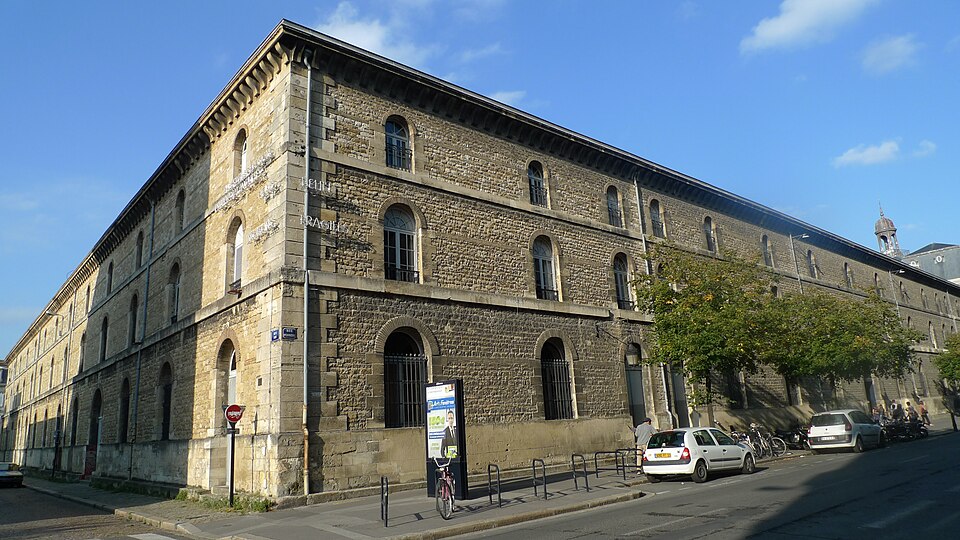
An unpretentious cellar-level bar run by the regional wine board, pouring flights from small Bordeaux estates by the glass.
A lively, well-rated bistro for a relaxed second dinner, classic bouillon-style French plates at fair prices.
TER regional train from Bordeaux Saint-Jean, about 35–40 minutes through vineyard country.
Cobbled medieval lanes ringed by vines, one of the great classic day-trips from Bordeaux, climb to the King's Tower for the vineyard panorama.
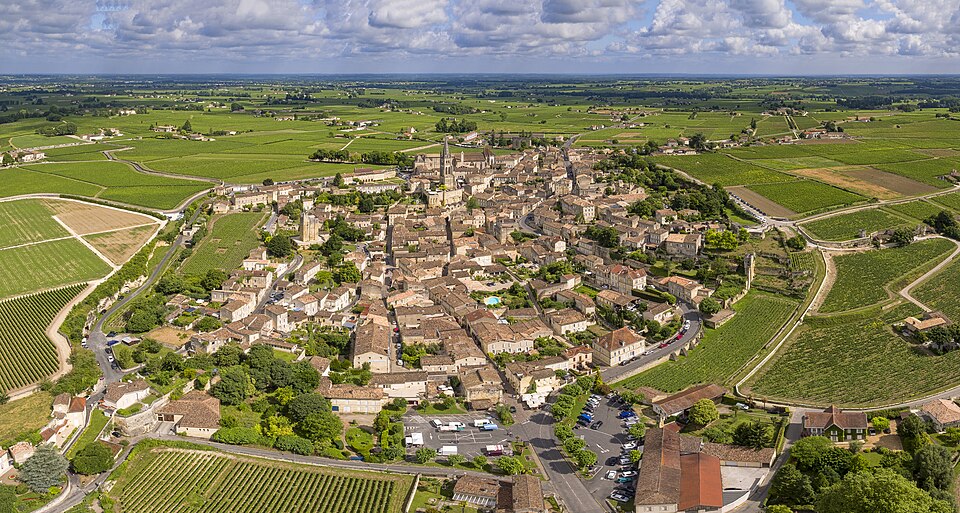
Europe's largest underground church, carved directly into limestone in the 12th century, the guided entry is the only way in.
A relaxed village terrace popular with locals for Sud-Ouest plates and a well-chosen Saint-Émilion wine list.
A small family estate whose limestone cellars run right under the village, an approachable, non-touristy tasting.
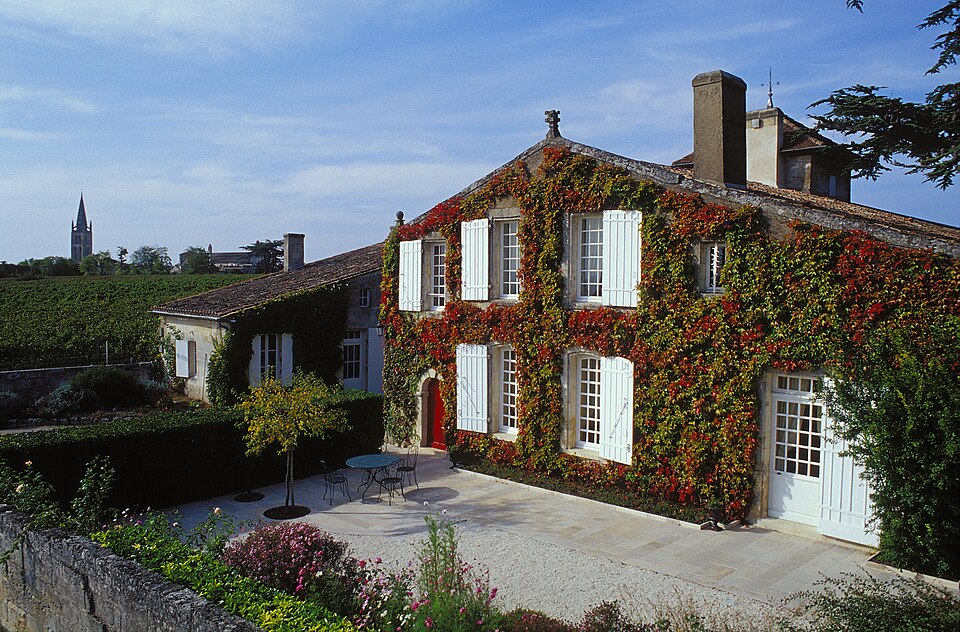
Return TER train to Bordeaux Saint-Jean, arriving with time to freshen up before dinner.
An easy riverside walk back toward the centre as the light turns over the Garonne, a last look at the city's waterfront.
An easygoing brasserie near the Grand Théâtre for a final unhurried dinner, close to your last evening walk.
Bordeaux's own pastry: a dark, chewy, rum-and-vanilla crust around a custard heart, best slightly warm.
Arcachon Bay oysters shucked at a market counter with a cold glass, the Bordelais Saturday ritual any day of the week.
Rib steak in the city's own shallot-and-red-wine sauce, cooked over vine cuttings where tradition holds.
The village has baked its rough-shelled almond macarons since 1620, nothing like the Parisian kind. Pick up a sleeve near the church square on day 3 for the train home.
No. The city runs on trams and walking, and Saint-Émilion is a direct regional train of about 40 minutes from Gare Saint-Jean, then a short uphill walk to the village. A car only makes sense if you add Médoc châteaux.
The Cité du Vin's morning slot, the Saint-Émilion cellar tour, and a table at La Tupina. In September, harvest season, book the château visit earlier than feels necessary.
Bordeaux-Mérignac connects to the centre by tram line A in around 40 minutes, or half that by taxi. If you arrive by rail instead, Gare Saint-Jean is already on the tram network.
For the city plus one wine village, yes, and Saint-Émilion is the right village. A longer stay buys the Médoc's grand châteaux in one direction and Arcachon's oysters and the Dune du Pilat in the other.
No. Day 2 is built so the wine arrives through a museum, a food market and a riverbank before anyone hands you a tasting glass, and day 1 and 3 stand on architecture alone.
Split it: the Bourse, miroir and walking tour one morning, the cathedral and Jardin Public another. The plan's biggest weakness is cramming its prettiest day.
A 50-minute train to oyster shacks on the bay, then Europe's tallest sand dune, a genuinely surreal climb with the Atlantic on one side and pine forest on the other.
The château day proper: two booked tastings among the famous gravel banks north of the city. Without a car, take one of the small-group half-day runs from the tourist office.
This trip was built for a typical first visit. You aren't typical. Find your loves, your budget, and your perfect Bordeaux adventure by building on this trip with Hey Robin.
Finish this itinerary FREE at Hey Robin →
_-_2022-09-10_-_2.jpg)


