09:00–09:45
1Mosteiro dos Jerónimos Culture
The Manueline cloister is the trip's must-see, arrive right at opening-adjacent hours to beat coach groups in the carved stone arcades.
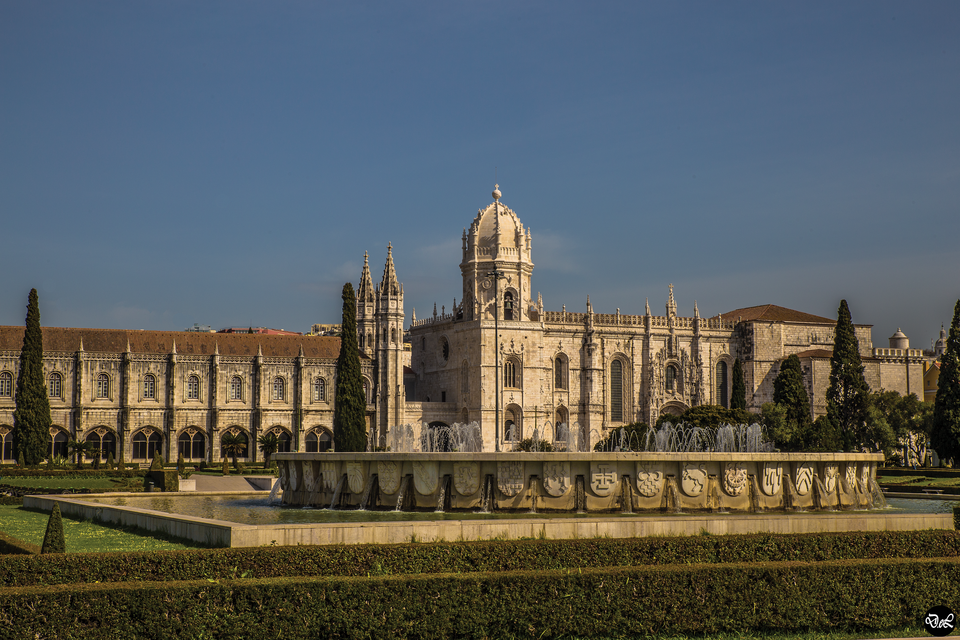

Praça do Império 1400-206 Lisboa · Google Maps · Website
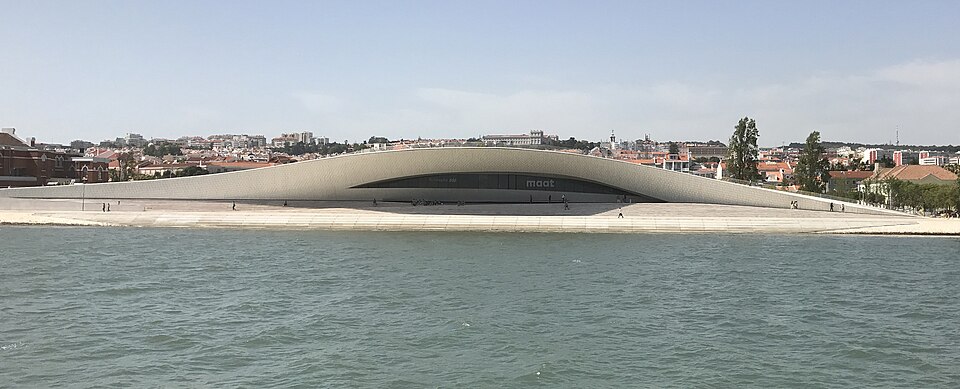
Lisbon wears its whole architectural history on its walls, and three days is enough to read it in order: the Manueline stone fantasia of the Jerónimos cloister and Amanda Levete's rippling MAAT on day 1, a day 2 built around the Museu Nacional do Azulejo's centuries of blue-and-white tile before Alfama's Moorish-era lanes, and a Chiado goodbye through the Pombaline grid that rose from the 1755 earthquake. The meals keep the theme, from an 1837 custard-tart bakery to a beer hall lined in nineteenth-century azulejos.
 Planned by Robin
3 days · 14 stops
Planned by Robin
3 days · 14 stops
The Manueline cloister is the trip's must-see, arrive right at opening-adjacent hours to beat coach groups in the carved stone arcades.
The original 1837 custard-tart bakery two minutes from the monastery, still warm from the oven, still the real thing.
Stroll the Tagus promenade past the Belém Tower and the Discoveries monument, the river breeze makes this the day's easy delight.
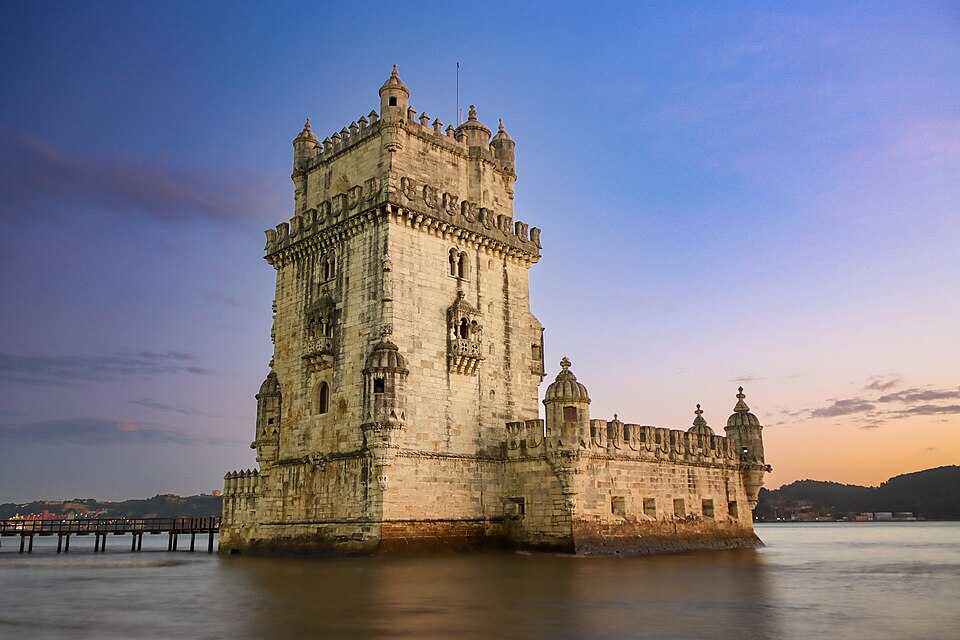
The undulating white river-facing shell by Amanda Levete, an architecture-lover's must for the building itself, not just what's inside.
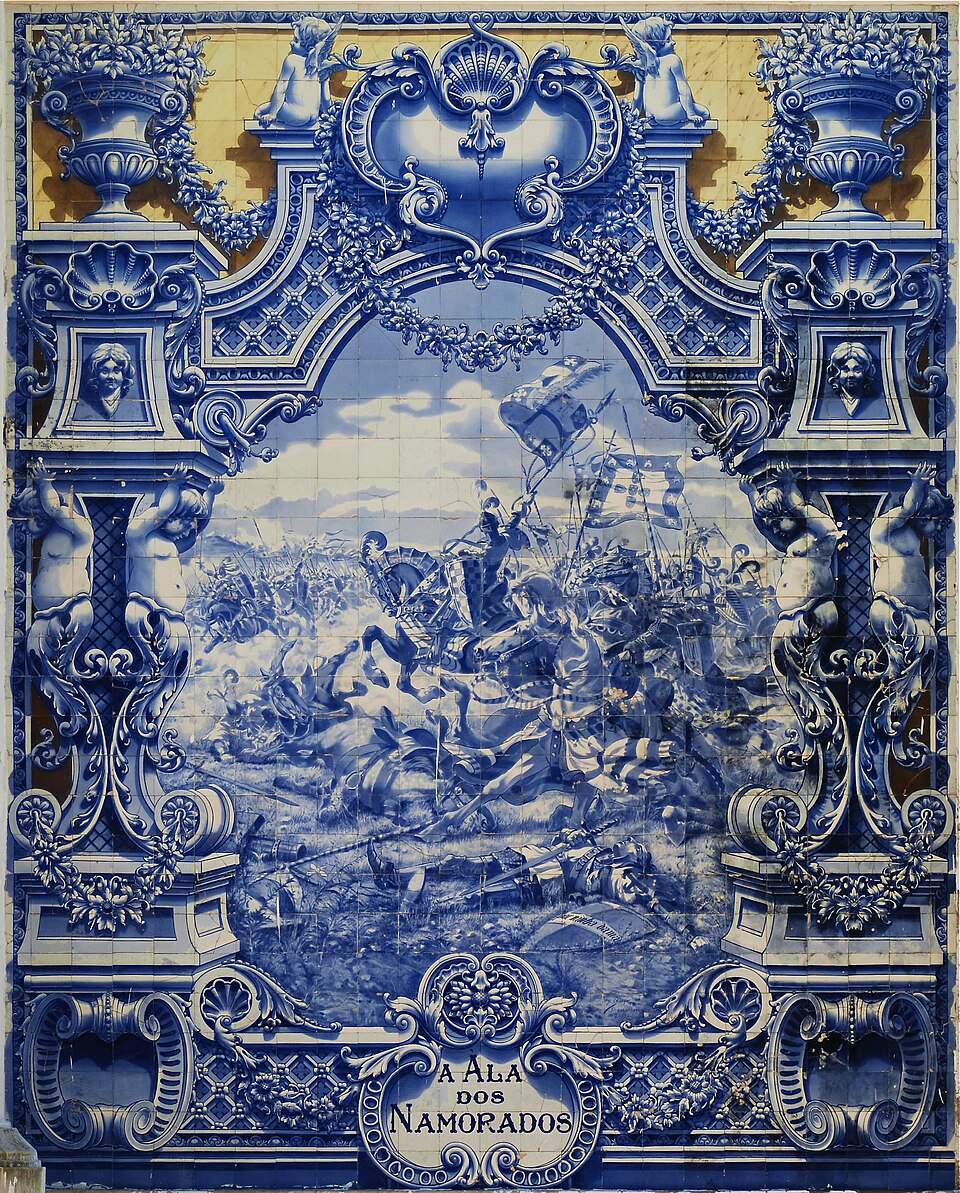
Lisbon's oldest beer hall, its dining room lined floor-to-ceiling in 19th-century azulejo panels, architecture on your dinner plate too.
Settle in after a full first day.
Housed in the former Madre de Deus convent, the must-see nave lined entirely in blue-and-white tile is the museum's showstopper.
A single lunch stop under one roof, pick a stall for grilled fish or bifana rather than a sit-down meal, keeping the day light.
Lisbon's oldest quarter, a tangle of Moorish-era lanes that survived the 1755 earthquake, wander with no fixed route toward the castle.
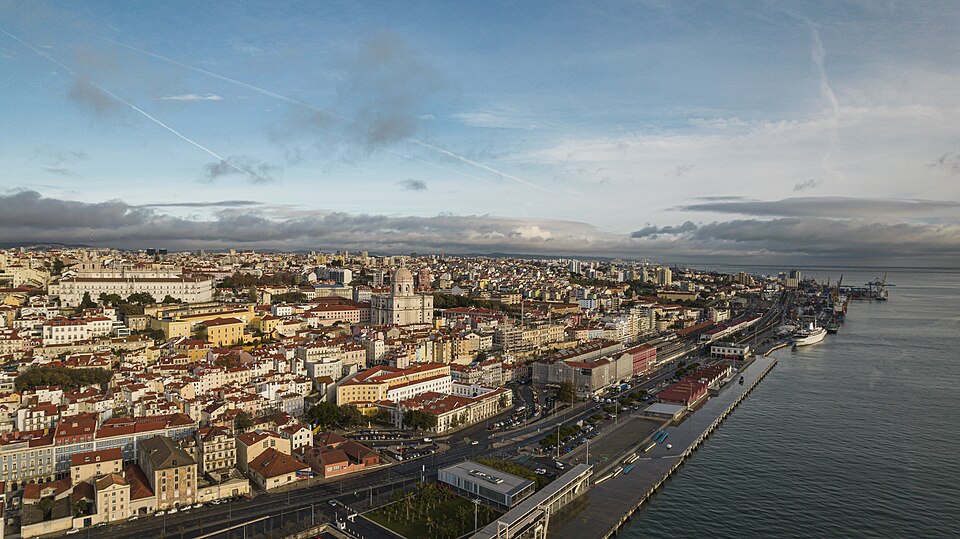
A quieter alternative to the crowded castle viewpoint, locals come here at dusk for the same view over red rooftops to the river.
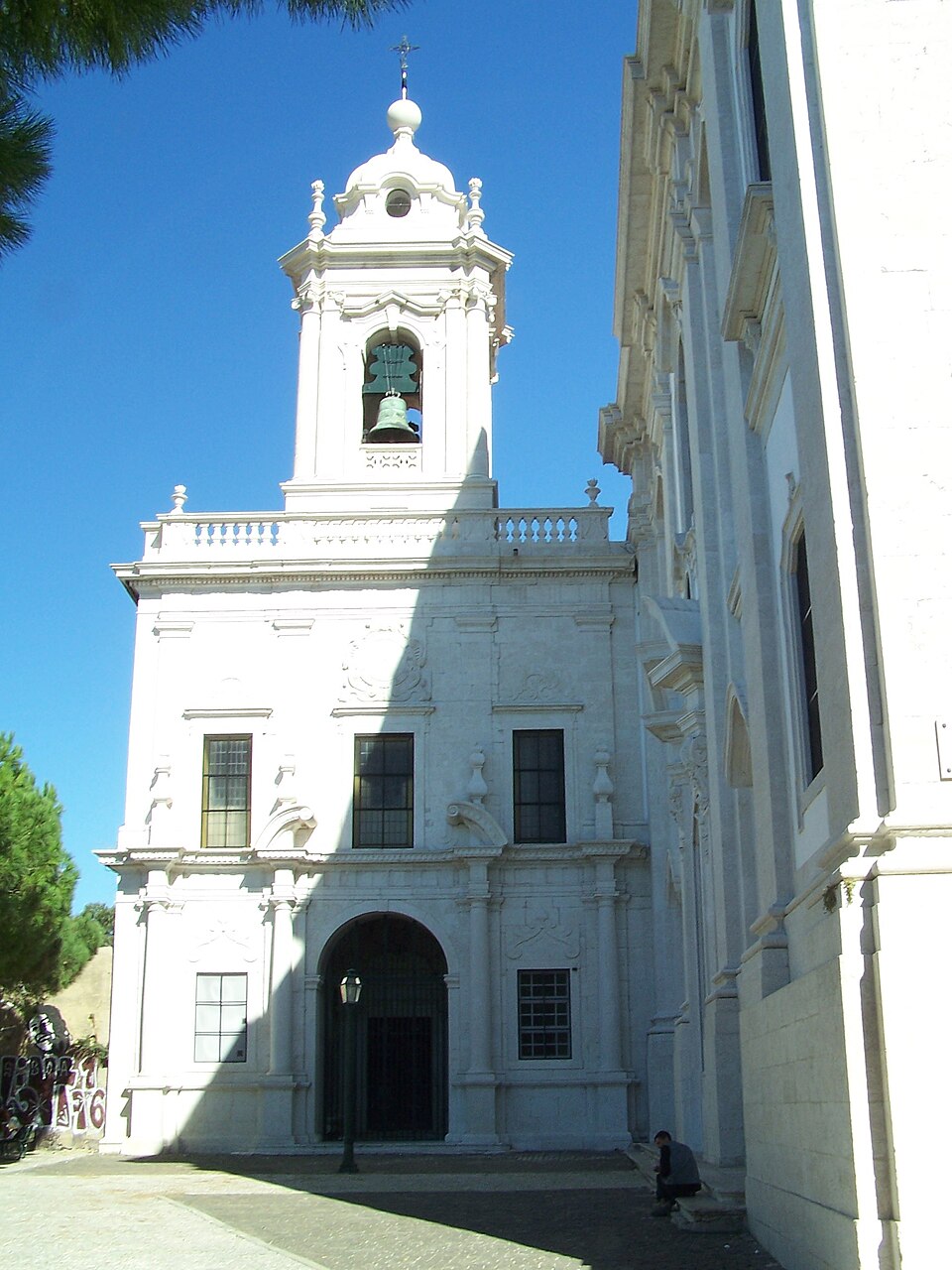
A Lisbon institution since 1969 for hearty Portuguese classics, the cured hams hanging by the door are the tell.
The 1905 Art Nouveau café Pessoa once haunted, sit inside at the marble counter under the ornate ceiling, not on the terrace.
Wander the tiled shopfronts and 18th-century Pombaline grid rebuilt after the earthquake, an easy last look at the architecture that defines this city.
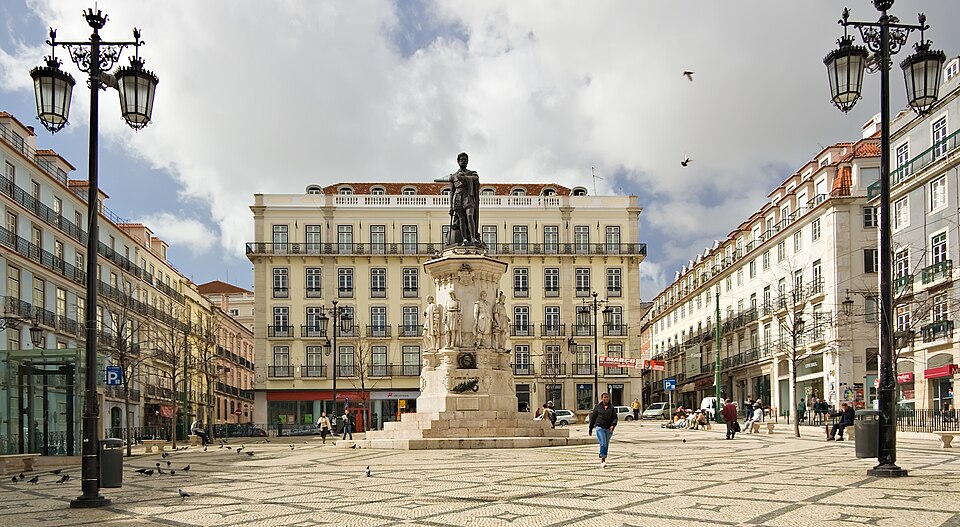
A west-facing terrace over the Tagus with the 25 de Abril bridge in view, a quiet last hour before heading onward.
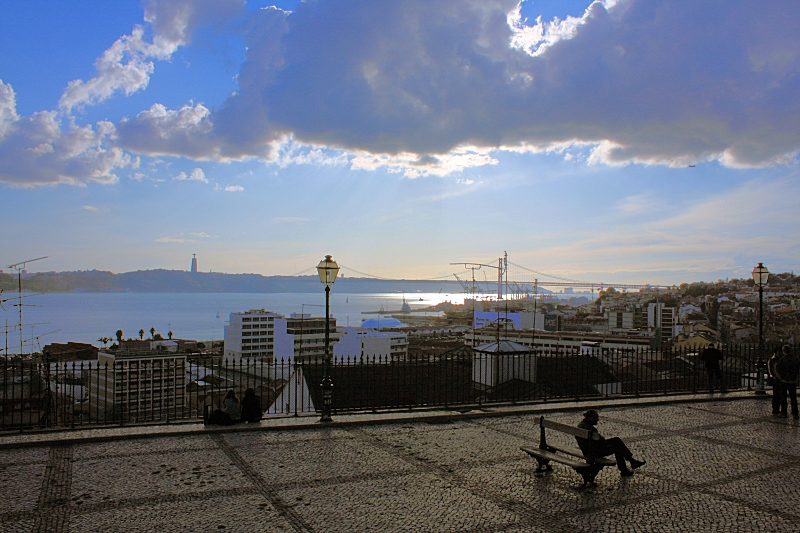
The 1837 bakery beside the monastery still bakes the original recipe; eat them warm, cinnamon on top, standing if you must.
Salt cod in Lisbon's oldest beer hall, its walls a nineteenth-century tile gallery you dine inside.
Grilled fish or a bifana under one iron roof; the modern food hall grafted onto a genuine 1892 market.
Cured hams hanging over a dining room unchanged since 1969, where Lisbon celebrates and closes deals.
No, and Lisbon's hills and tram tracks punish one. Day 1 is the 15E tram to Belém and back; day 2 needs one short bus or taxi hop east to the Azulejo museum; everything else is on foot.
Jerónimos sells timed tickets and the cloister queue builds fast, so book it and arrive near opening. Solar dos Presuntos deserves a reservation. The rest of this plan queues briefly at worst; the Pastéis de Belém line moves quicker than it looks.
Portugal's own late-Gothic style, carved with ropes, coral and armillary spheres from the age of the navigators. The Jerónimos cloister is its masterpiece, and seeing it first makes every later tile and rebuilt facade read as chapters of the same story.
Enough for the tile-and-stone core this plan walks. What it saves for another trip is the azulejo hunt at street level: whole neighborhoods like Mouraria and Marvila keep their best facades for those with a fourth day.
Yes. The first-visit Lisbon plan owns the castle, the viewpoints circuit and the classic neighborhoods; this page shares Belém with it out of necessity, then goes where that plan does not: into the tile museum and the grid.
Forty minutes by train to the hill palaces, where Pena's painted terraces and the Quinta da Regaleira's initiation well take Portuguese architecture into full fantasy. Go early; the queues are the only flaw.
Give a morning to the facades themselves in Mouraria and along the Graça slopes, where whole buildings wear their original azulejo skins without a museum wall between you.
Ride out to the Parque das Nações for the Expo 98 district: Calatrava's station, the Oceanário and Portugal's contemporary waterfront answer to Belém. Ask Robin to build the day with river time between.
This trip was built for a typical first visit. You aren't typical. Find your loves, your budget, and your perfect Lisbon adventure by building on this trip with Hey Robin.
Finish this itinerary FREE at Hey Robin →


.jpg)
