10:00–11:15
1Sørenga Sjøbad Nature
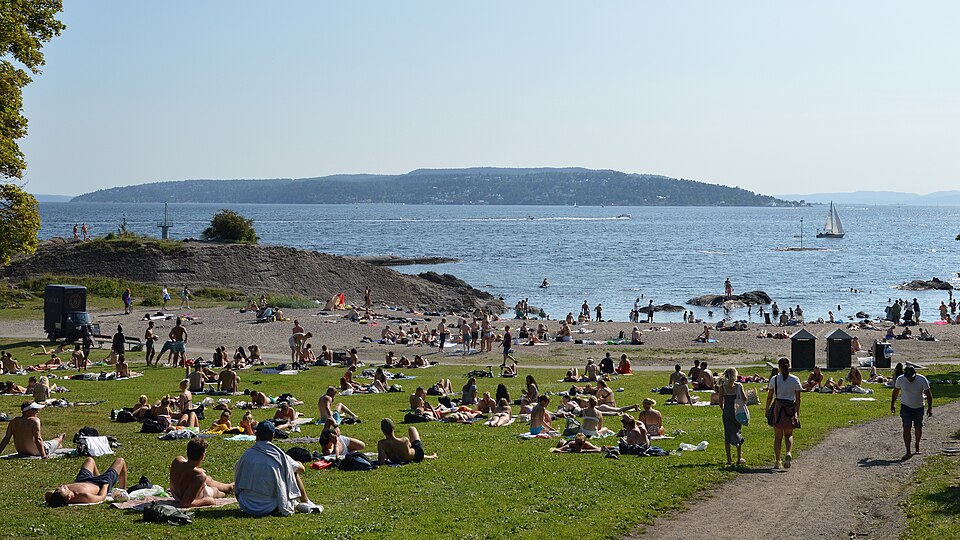
Shallow, calm harbour pool with a sandy edge, perfect low-key toddler splash right off the plane.
Sørengkaia, 0194 Oslo
Oslo does not perform for children; it simply works for them. The harbour has a shallow toddler pool, the city's most famous artwork is a furious bronze 2 year old, the ferries have pram spots, and the whole town eats dinner at five. Robin planned four days around one park, one island of museums and beaches, and a lot of waterfront, with a nap threaded through the middle of each and every dinner seated by 18:30 at the latest.
 Planned by Robin
4 days · 17 stops
Planned by Robin
4 days · 17 stops
Shallow, calm harbour pool with a sandy edge, perfect low-key toddler splash right off the plane.
Flat boardwalk past bobbing yachts and street performers, an easy stroll that eases everyone into the city.
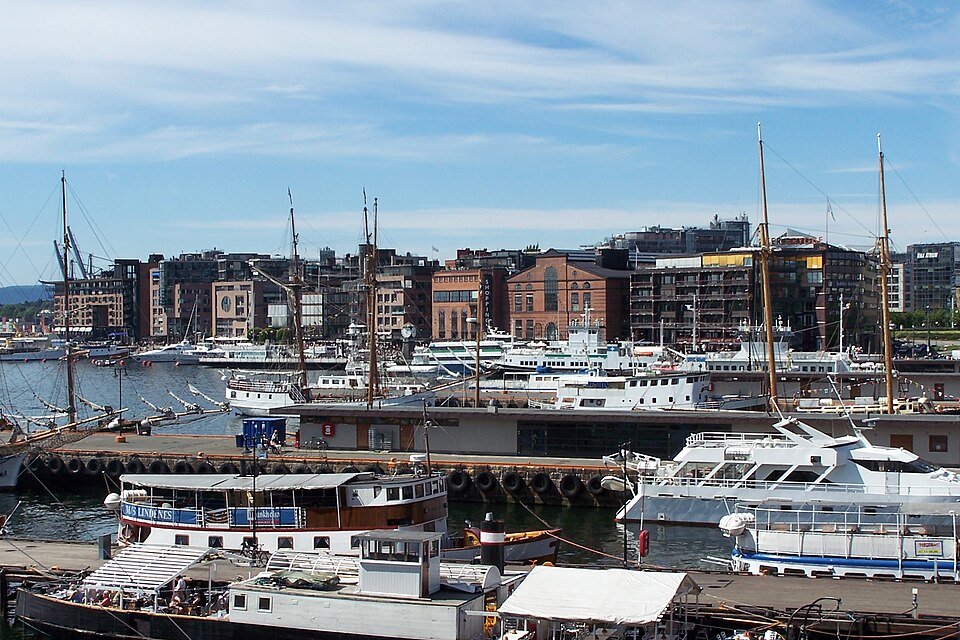
Harbourfront food hall in a converted warehouse, grab a bench by the water and let everyone choose their own stall.
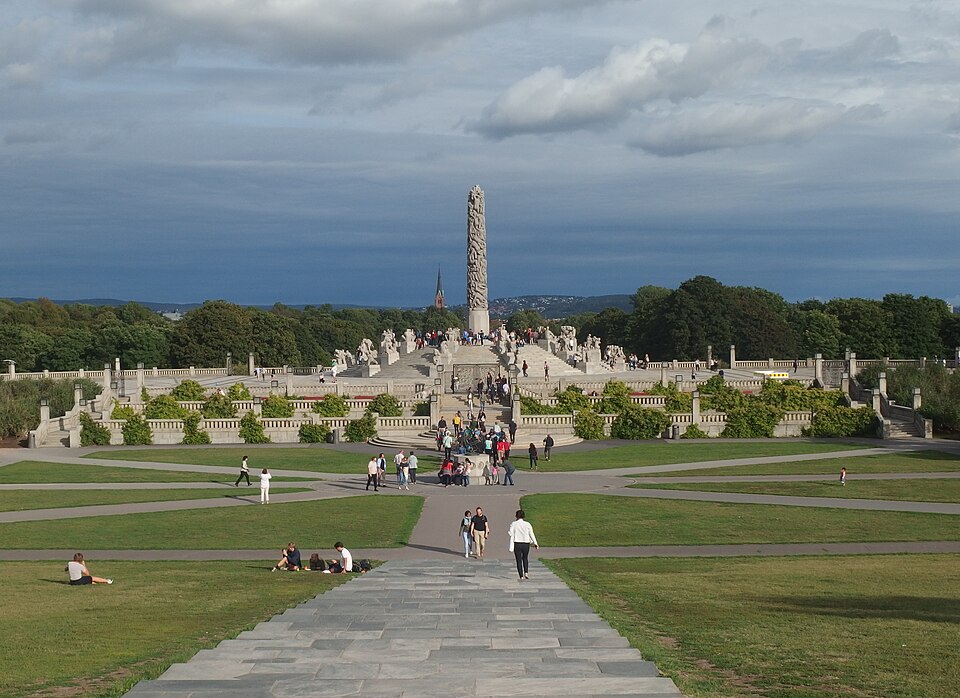
Gustav Vigeland's 200+ bronze and granite figures spread across open lawns, the Angry Boy statue is a toddler magnet.
Casual restaurant right inside Frognerparken, kid-welcoming with a garden terrace overlooking the fountain axis.
Long flat loop past the pond and rose garden, timed as the nap-inducing walk, stroller-smooth the whole way.
A proper run-around playground tucked near the park's south lawns, shaded and fenced.
No-frills fish counter turned restaurant, the fish soup is the local specialty locals actually order.
Public city ferry departing from Aker Brygge pier, check the posted summer timetable, buy tickets onboard or via the Ruter app.
Norway's largest open-air museum, over 160 relocated timber buildings including a 13th-century stave church.
Simple museum café on-site, no need to move the stroller, waffles and soup keep it easy.
Shallow, gently sloping fjord beach on Bygdøy's western tip, calm enough for wading toddlers.
Return leg of the same ferry line, a good stretch of fjord views as the toddler winds down.
Indoor food hall in an old ironworks, try the reindeer sausage or fresh waffles from the local stalls.
Grassy stroller-friendly ramparts overlooking the fjord, the west bastion has the best harbour view of the trip.
Short flat pier walk to watch ferries and gulls, an easy last toddler run-around before lunch.
Seafood spot right on Aker Brygge's water's edge, relaxed and used to families, good last taste of Norwegian fish.
Creamy, mild and spoonable, the dish Oslo locals actually order at a fish counter. A toddler-compatible national classic.
Heart-shaped waffles with Norway's caramel-brown cheese, the standard museum-cafe reward and a reliable toddler win.
Mild, smoky and sold in kid-sized portions at the food-hall stalls; the grown-ups usually end up stealing bites back.
The custard-and-coconut school bun every Norwegian childhood runs on. Any bakery counter, ideally eaten on a pier.
Yes, always: Norway's child-restraint rules contain no taxi exemption at all, so a 2 year old needs a proper seat even for a short cab hop. Oslo Taxi lets you request a child seat in its booking app, and the standard family arrival is the Flytoget airport train plus a pre-booked seat-equipped taxi for the last stretch. Uber and Bolt have no child-seat category in the Nordics, so treat ride-hail as unavailable unless you carry your own seat. Within this plan you will not need any of it: ferries, trams and your own feet cover everything.
For restaurants, yes, the steepest of the Nordic capitals. The local family pattern is the one this plan borrows: a simple packed or bakery lunch, then one proper early dinner. Food halls like Vippa and Mathallen let everyone eat differently without a single overpriced kids' menu, tap water is free everywhere, and hotel breakfasts are often free for small children, worth checking when you book.
The small stuff the city treats as transport: standing at the ferry rail counting sailboats, the tram bell on the nap loop, gulls shadowing the piers, and the barnehage groups in high-vis vests waddling through museums on weekday mornings, which toddlers watch like celebrities. Build slack around these moments; they are the trip.
With blackout help: portable blinds or a hotel room with proper curtains. Norwegian kids are themselves outside at nine in the evening in June, so shift expectations rather than fight the light, protect the midday nap, accept a later bedtime, and let the dark hotel room do the persuading.
The lower slopes, yes, and they are worth the ten-minute photo stop; the marble plaza rises straight from street level. The upper pitch gets steep, slick when wet and broken by steps, so park the pram low or carry. Treat it as a detour on the way to Sørenga, not an outing of its own.
This is a genuinely gentle plan: one anchor a day, water or a playground every afternoon, naps that ride ferries and park loops instead of fighting them, and dinners by 18:30 in a country that eats at five. The pacing honesty is that days 2 and 3 hold the real weight while days 1 and 4 are deliberately soft landings, exactly what flight days with a 2 year old should be. Pack for wind and bring blackout blinds; everything else here is built for you.
Only if you book one, and in Norway that booking matters more than anywhere: there is no taxi exemption in the law, so a 2 year old must be in a proper car seat for any ride. Request the seat in the Oslo Taxi app when booking, or skip taxis entirely as this itinerary does. Uber and Bolt offer no child-seat option here.
Everywhere, without asking twice. Norway is the country that invented the Tripp Trapp; cafes, food halls and museum restaurants all keep proper high chairs, and this plan's dinner spots are used to strollers parked mid-room.
As completely ordinary guests, which is the best treatment there is. Norwegians eat middag between four and six, so your 17:30 table is prime family hour, kids' portions are honest, and nobody performs either delight or annoyance. A crying toddler draws less attention in Oslo than almost anywhere.
Excellent in the centre: level-boarding trams and ferries with pram spots, flat routes from Karl Johans gate to the harbour, changing rooms in every museum. Children under 6 ride Ruter transport free and prams go free when there is room. The edges climb, and Ekebergparken's woodland paths want a carrier, but nothing on this plan does.
Highs around 20 to 22 degrees with routine showers: one fleece and a stroller rain cover are mandatory kit. The fjord runs 15 to 17 degrees, so Huk and Sørenga are digging-and-wading water. Daylight stretches past 22:30, which makes blackout blinds the most important item in the bag.
With quiet competence rather than fuss: drivers wait, pram spots appear, strangers hold doors and say nothing. The tell that children own this city is everywhere on weekday mornings, when entire kindergartens in reflective vests take over the museums and ferries.
Do the Folkemuseum and the Fram on separate days instead of choosing; each is a half-day at toddler pace, and the ferry there is a treat worth repeating.
If the sky is clear, ride the metro up to Holmenkollen for the city view and the look-up-and-wow ski jump. The train ride is half the value; skip the tower queue with a 2 year old.
Drop day 4's fortress morning and fold the farewell lunch into day 3's return from Bygdøy. Days 1 to 3 carry everything a toddler will remember: the splash, the angry statue and the boat.
This trip was built for a typical first visit. You aren't typical. Find your loves, your budget, and your perfect Oslo adventure by building on this trip with Hey Robin.
Finish this itinerary FREE at Hey Robin →
.jpg)
