09:00–10:15
1Sainte-Chapelle Culture
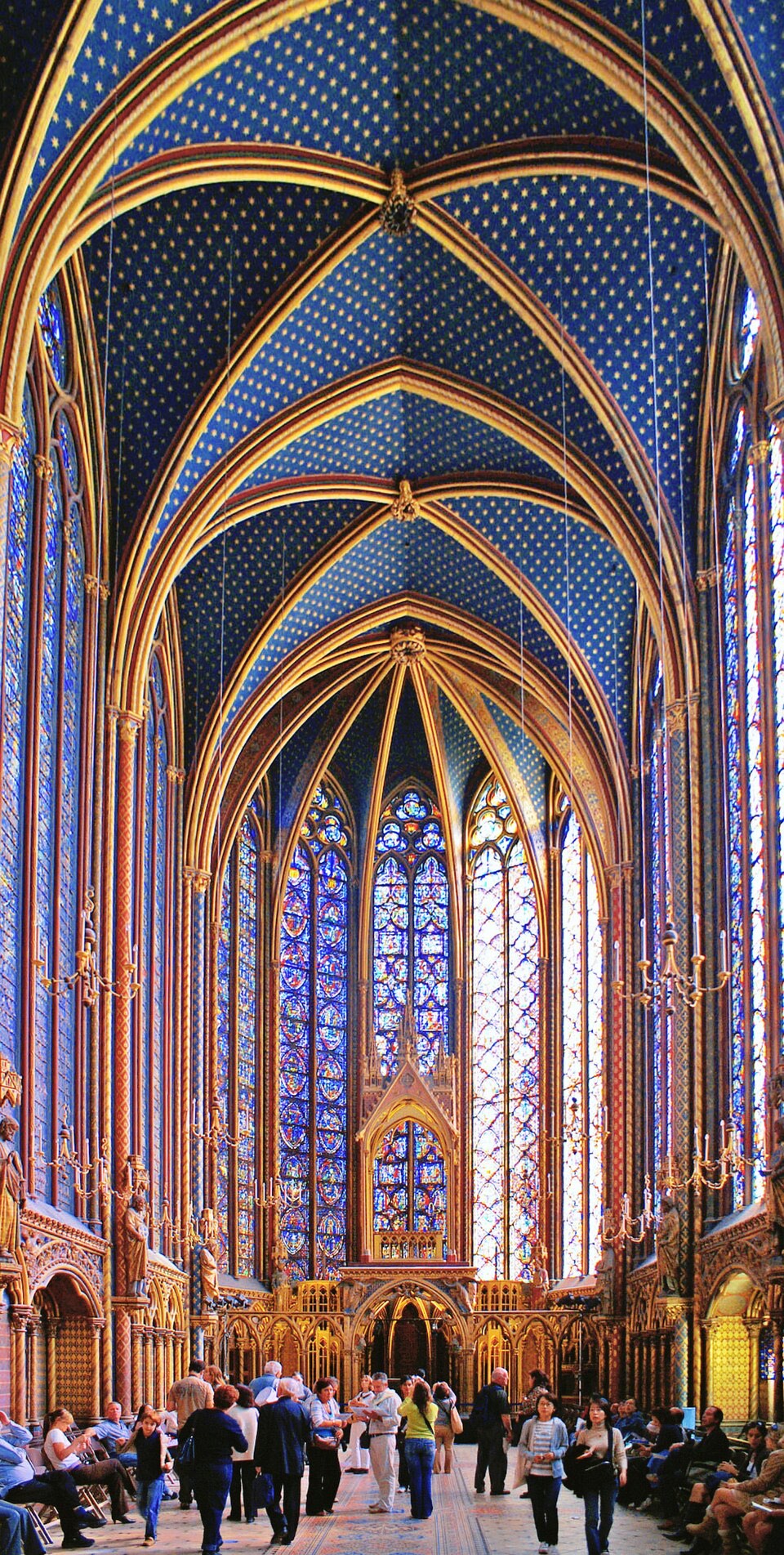
Book the timed morning slot, the upper chapel's 15 stained-glass windows glow brightest before 11am sun moves west.

8 Bd du Palais, 75001 Paris · Google Maps · Website
Paris will happily show you its postcards; this plan reads it as a building instead. Three days move in chronological order: Sainte-Chapelle's medieval glass and the anatomy of a Haussmann facade on day one, Le Corbusier's Villa La Roche and Guimard's whiplash ironwork on day two, then La Defense's Grande Arche folding back into the Orsay's train shed to finish. Dinners do double duty, every one of them (Bofinger, Bouillon Julien, Le Train Bleu) is a landmark interior you get to eat in.
 Planned by Robin
3 days · 18 stops
Planned by Robin
3 days · 18 stops
Book the timed morning slot, the upper chapel's 15 stained-glass windows glow brightest before 11am sun moves west.
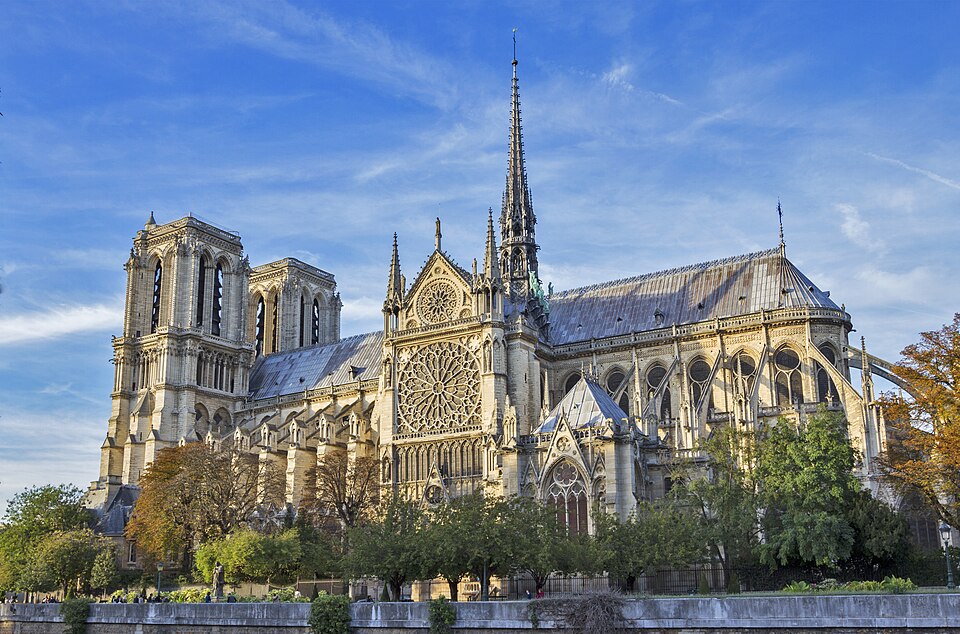
Walk the island's flying buttresses and the Pont Neuf, the cathedral's stonework is best read from the Left Bank quay.
Napoleon III-era dining room facing the Palais Garnier, order a croque and watch the Haussmann façade opposite.
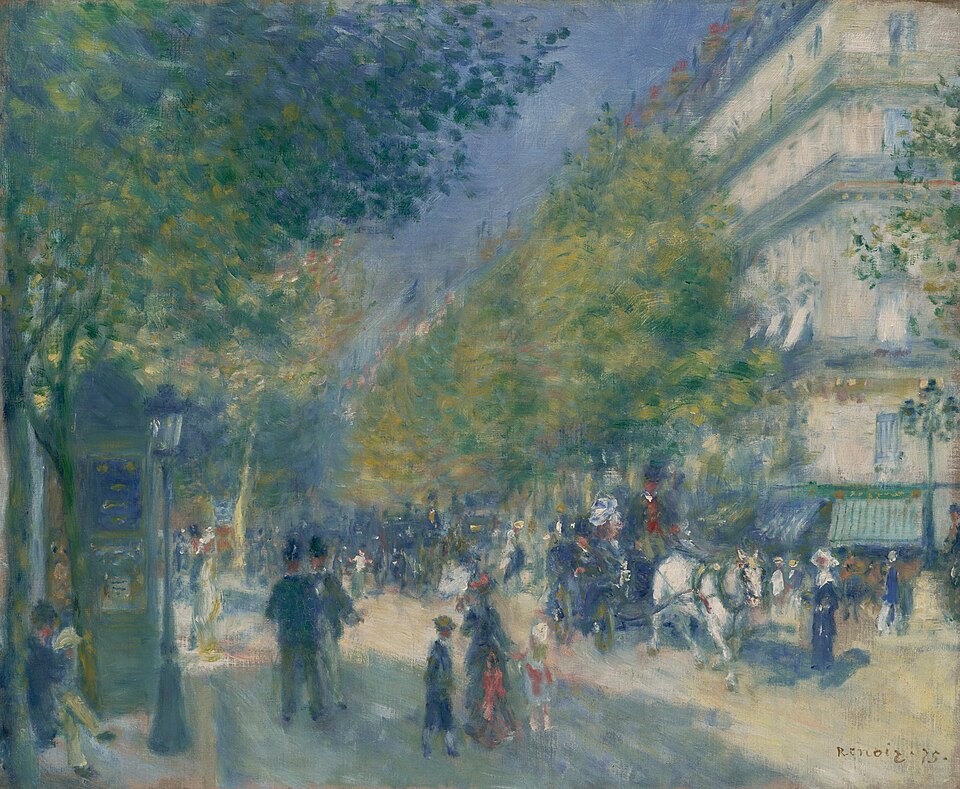
Trace the anatomy of a Haussmann façade, uniform cornice line, wrought-iron balconies on floors 2 and 5, from Opéra to Rue de la Paix.
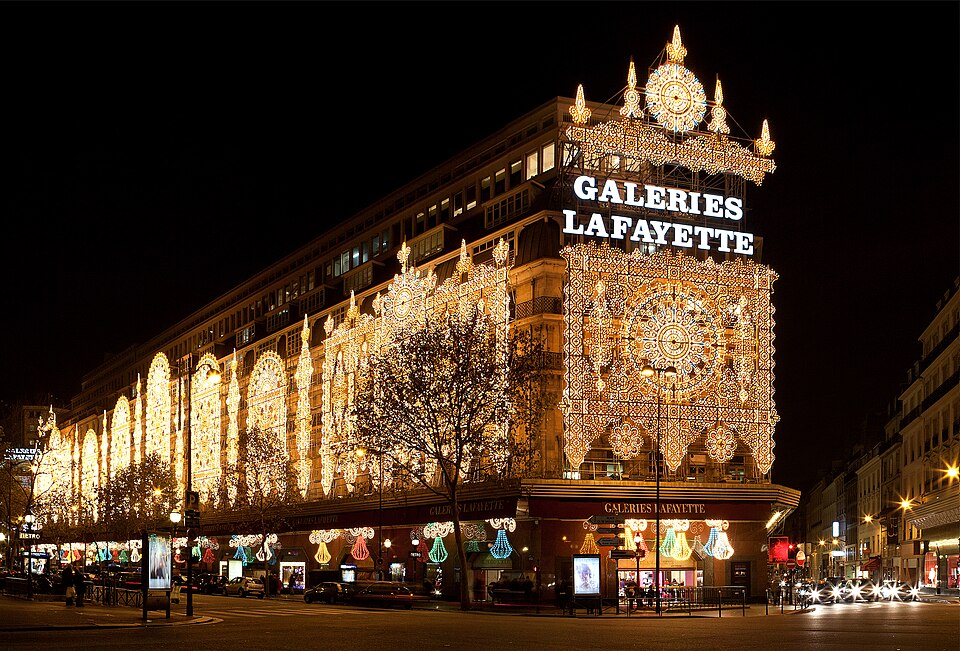
Free rooftop terrace and the 1912 stained-glass dome inside, a Belle Époque counterpoint to Sainte-Chapelle's, and it's free to view.
Paris's oldest brasserie (1864), its Art Nouveau glass ceiling near Bastille, order the choucroute for the full effect.
Corbusier's own 1923 house-manifesto: free plan, ribbon windows, roof garden, the modernism anchor for the trip.
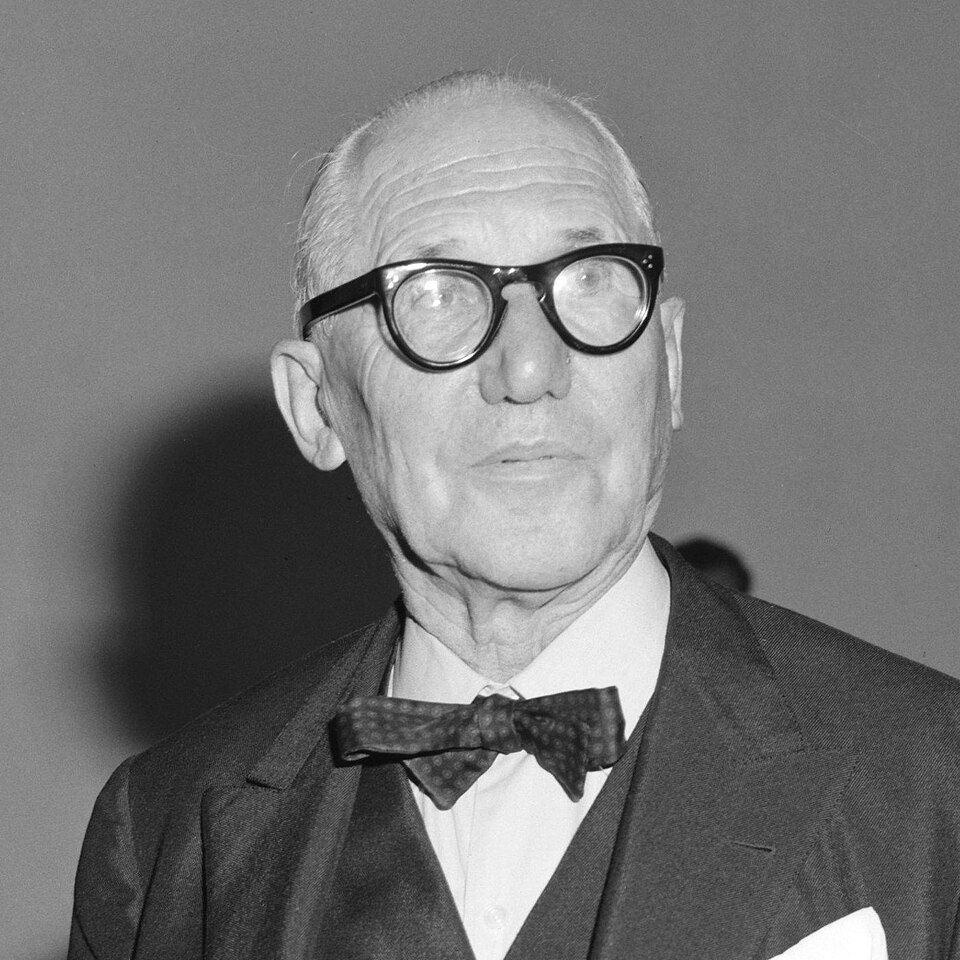
Hector Guimard's 1898 Art Nouveau apartment building on Rue La Fontaine, look for the sea-serpent ironwork on the gate.
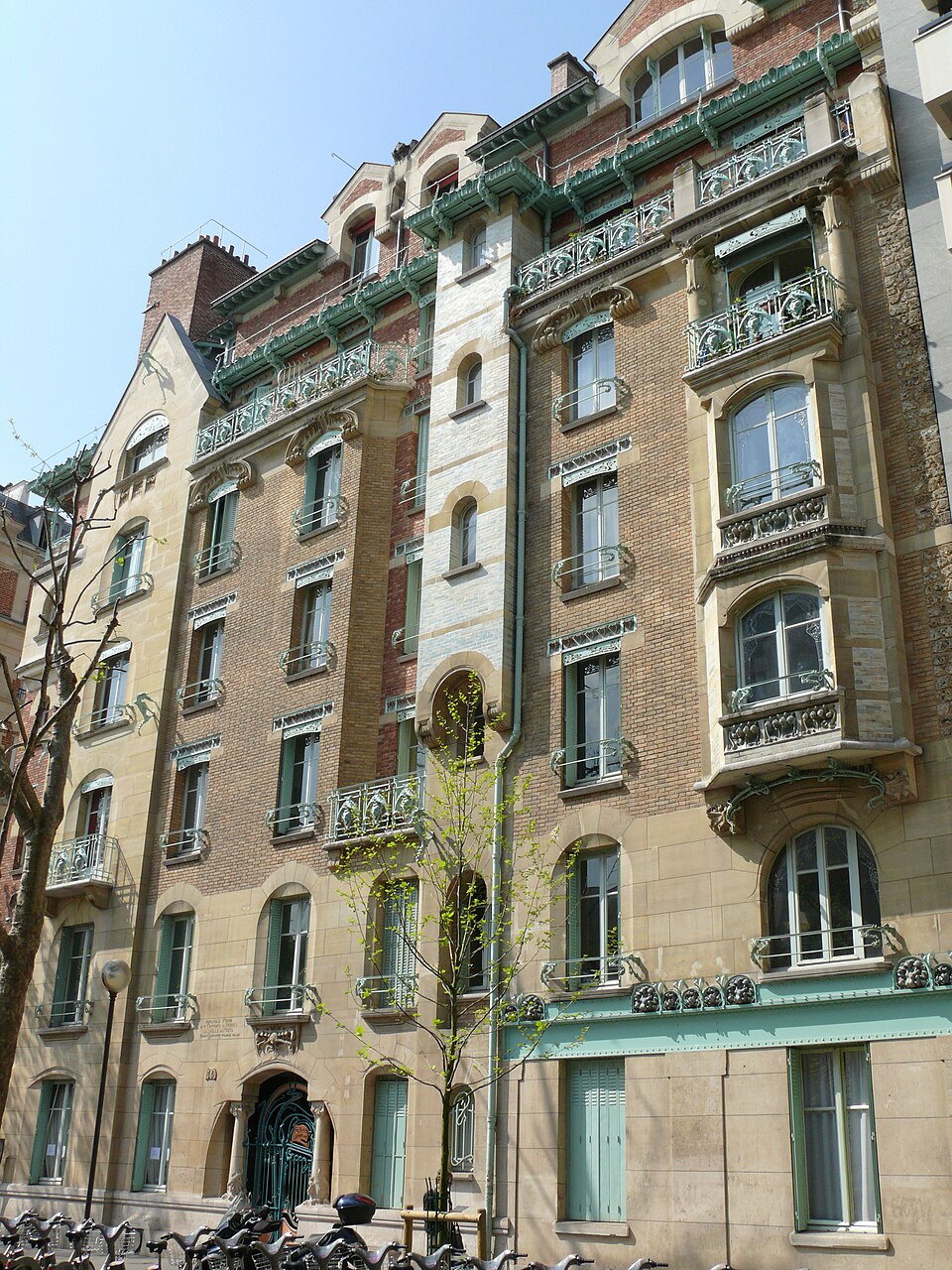
One of only two surviving Guimard glass-canopy entrances, the whiplash cast iron is the whole Art Nouveau argument in miniature.
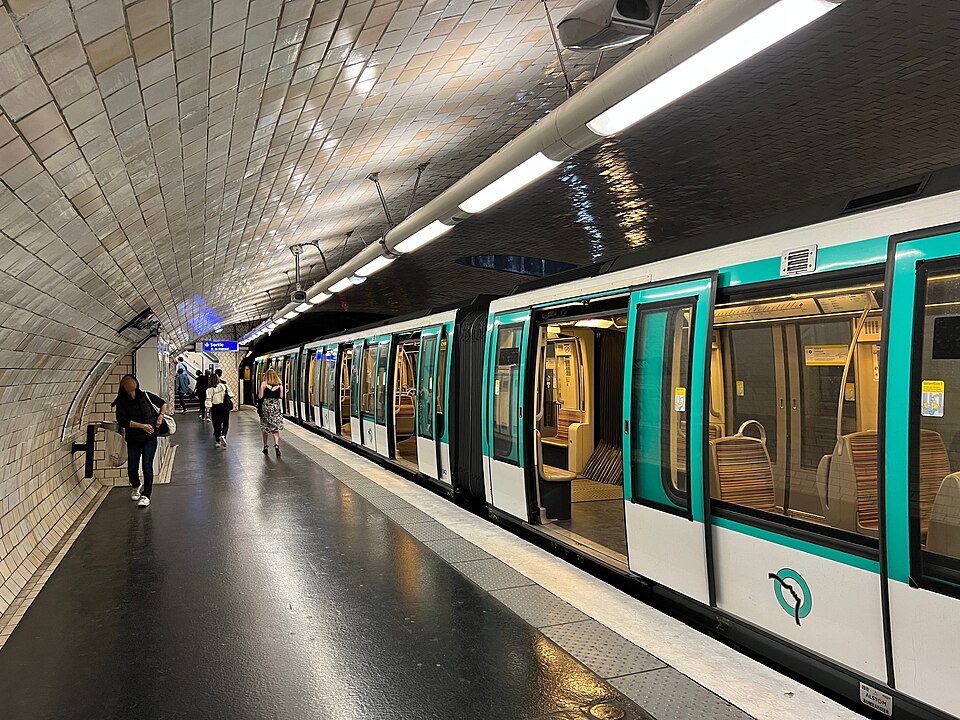
A century-old neighborhood bistro with original 1900 ceramic tilework, tucked a few streets from Castel Béranger.
Dominique Perrault's four glass towers around a sunken forest courtyard, the counterpoint to everything Haussmann built.
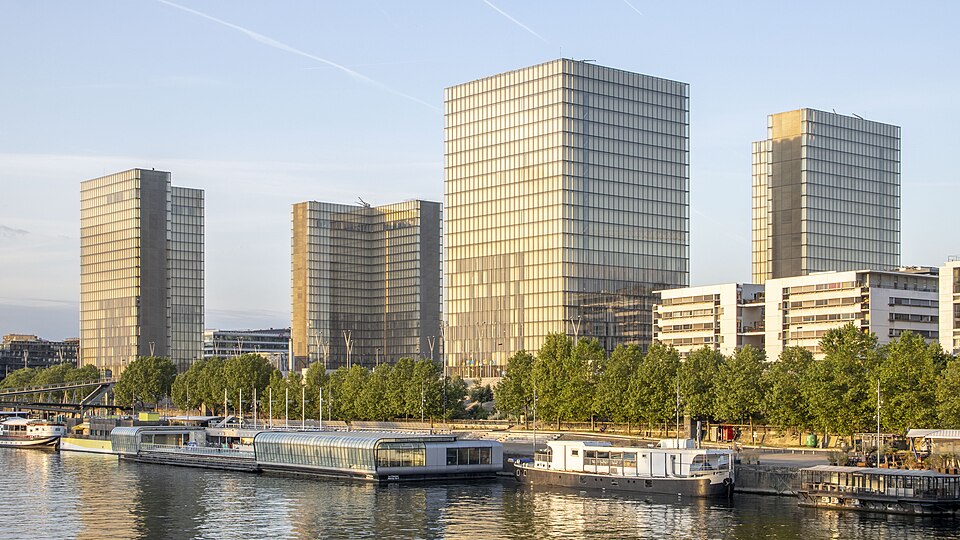
This footbridge's double-curve steel arc gives the best low-angle view back at the BNF towers as the sun drops toward the river.
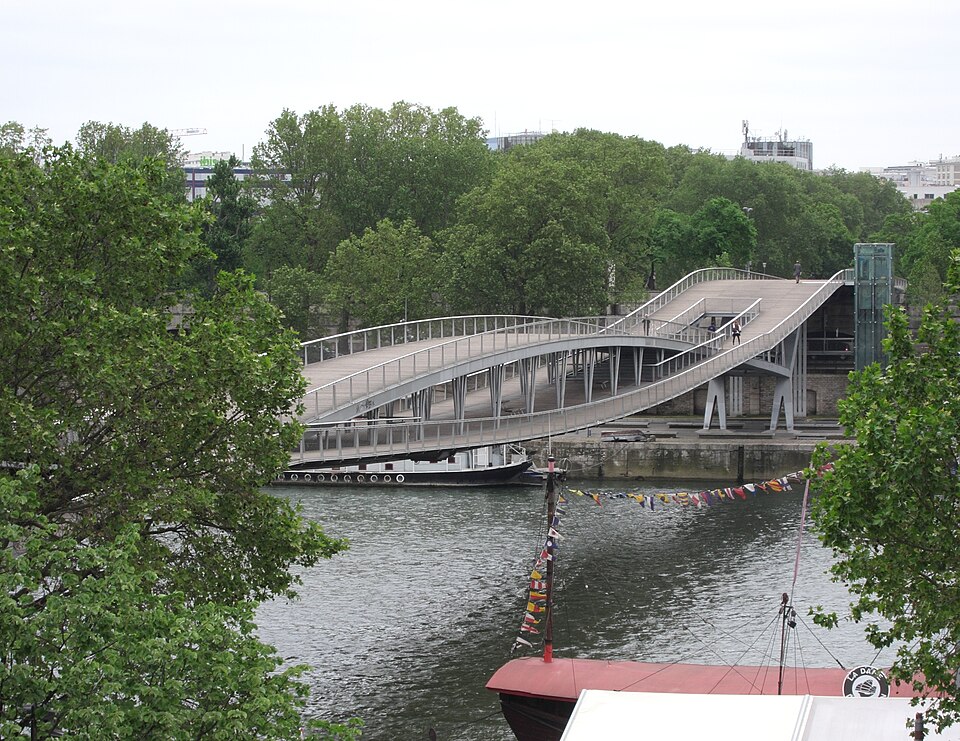
A working-class 1906 dining hall preserved whole, peacock stained glass, carved mahogany, unbeatable value classics.
Walk the CNIT and the arch's plaza, the 1989 arch frames the Arc de Triomphe dead-on down the historic axis.
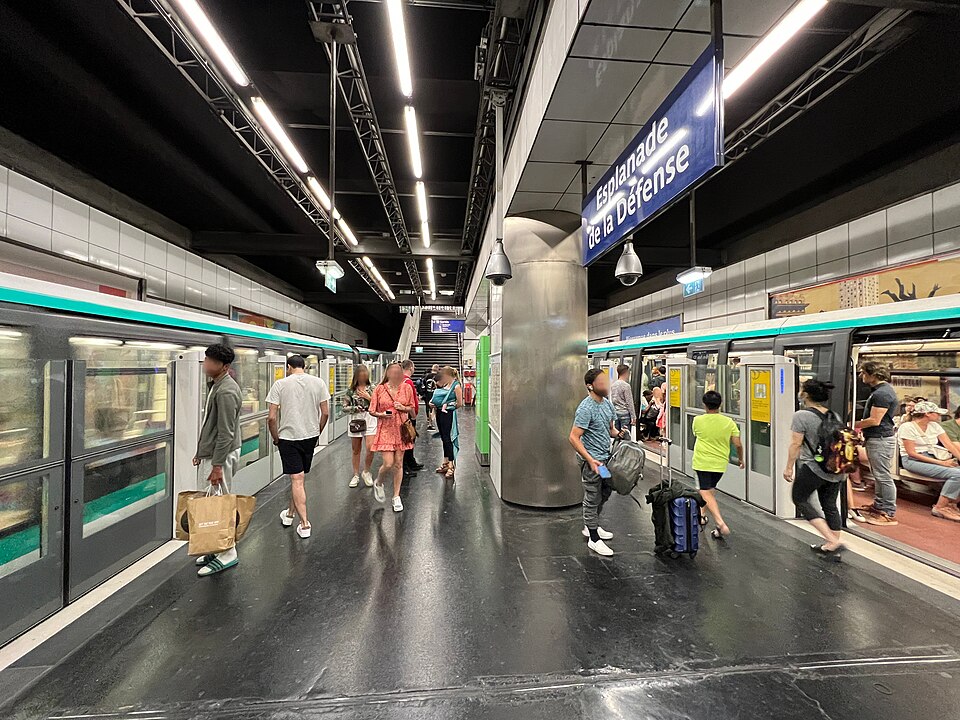
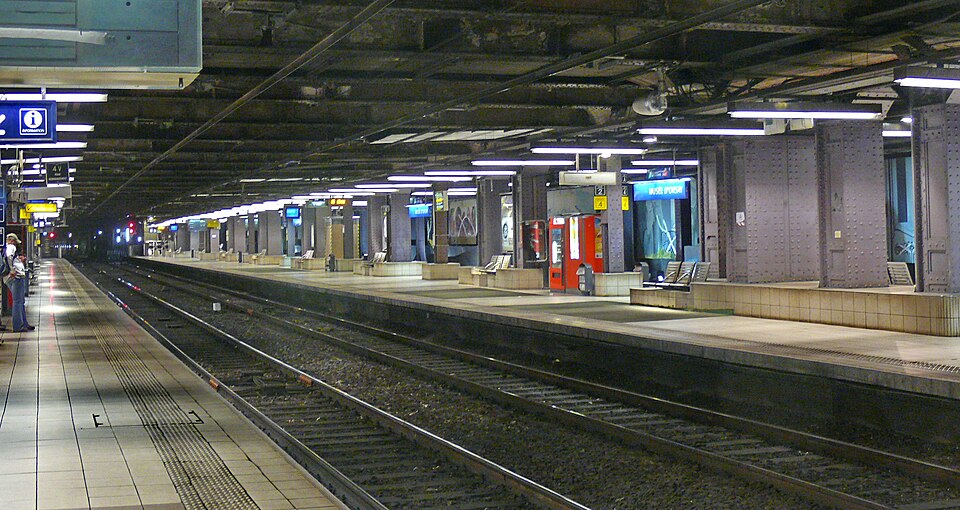
Lunch inside the 1900 station's Belle Époque dining room before the museum proper, its gilded clock still keeping time overhead.
The former Gare d'Orsay's iron-and-glass train shed is as much the show as the Impressionists inside, look up at the clock face.
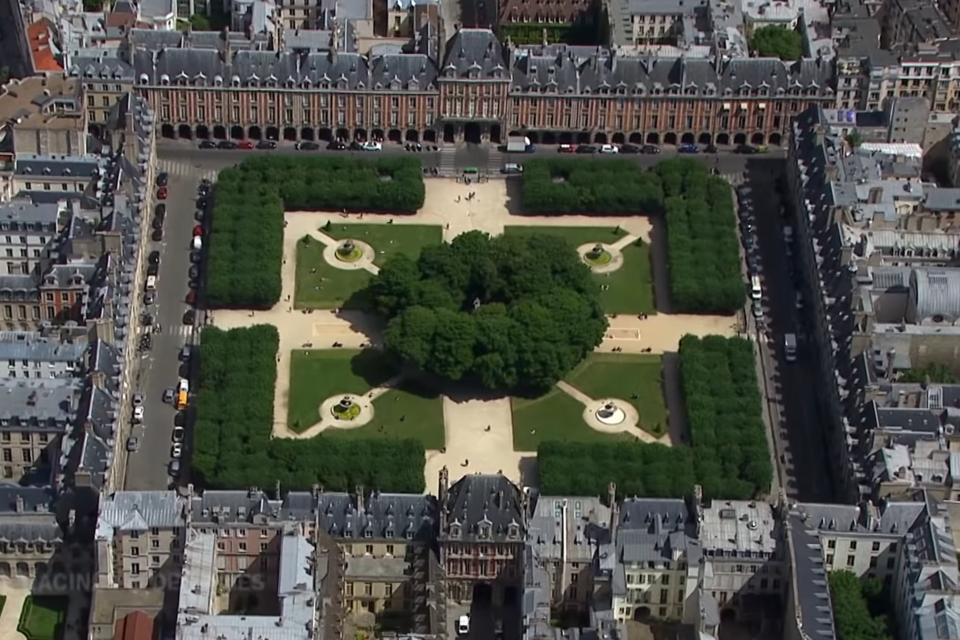
Paris's oldest planned square, its uniform 1605 brick-and-stone arcades a preview of everything Haussmann later systematized.
Gare de Lyon's gilded 1900 dining hall, painted ceilings and all, a fittingly grand architectural farewell to the trip.
The classic Alsatian sauerkraut platter, eaten in a listed interior where the room is half the meal.
The working-class dining halls of 1900, preserved whole: quick classics, small prices, peacock stained glass overhead.
Eating under painted ceilings inside a working train station is the most Parisian architectural finale there is.
The one Paris food ritual this plan leaves unscheduled. Ask Robin to pin a bakery near your hotel for each morning and it will.
No. The plan is metro plus walking throughout; even the day-2 villa run and La Defense are straightforward metro rides.
Sainte-Chapelle sells timed entries and the morning light is the whole point, so book the first slot. Villa La Roche keeps limited opening days; check the current schedule before you lock day 2's order.
The Orsay and several small houses keep a weekly closing day, and the Fondation Le Corbusier's hours shift by season. Check current hours for day 2 and 3 anchors when you set your dates, or let Robin re-order the days around them.
From Charles de Gaulle, the RER B runs into the center in about 35 minutes; from Orly, the metro line 14 link makes it similarly simple.
Three days covers the medieval-to-modern arc well, but this is a themed plan, not a first-visit one. If this is your first time in Paris, run it alongside the first-visit itinerary and let the icons live there.
Villa La Roche rewards a slow visit, and the Guimard streets around Rue La Fontaine hold more facades than the plan lists. Spread the modernism day across a full morning and afternoon and add the Maison de Verre's street if the courtyard is viewable.
The Grand Palais and Petit Palais face-off, the passage arcades near the Bourse, and the Parc de la Villette's red follies give the 19th-century engineering chapter its own day.
Take the RER out to Poissy for Le Corbusier's five-points manifesto house. It is the building day 2 has been pointing at all along; check current opening days before you commit.
This trip was built for a typical first visit. You aren't typical. Find your loves, your budget, and your perfect Paris adventure by building on this trip with Hey Robin.
Finish this itinerary FREE at Hey Robin →


_-_2022-06-29_-_1.jpg)


_-_2022-07-02_-_1.jpg)

