09:00–09:45
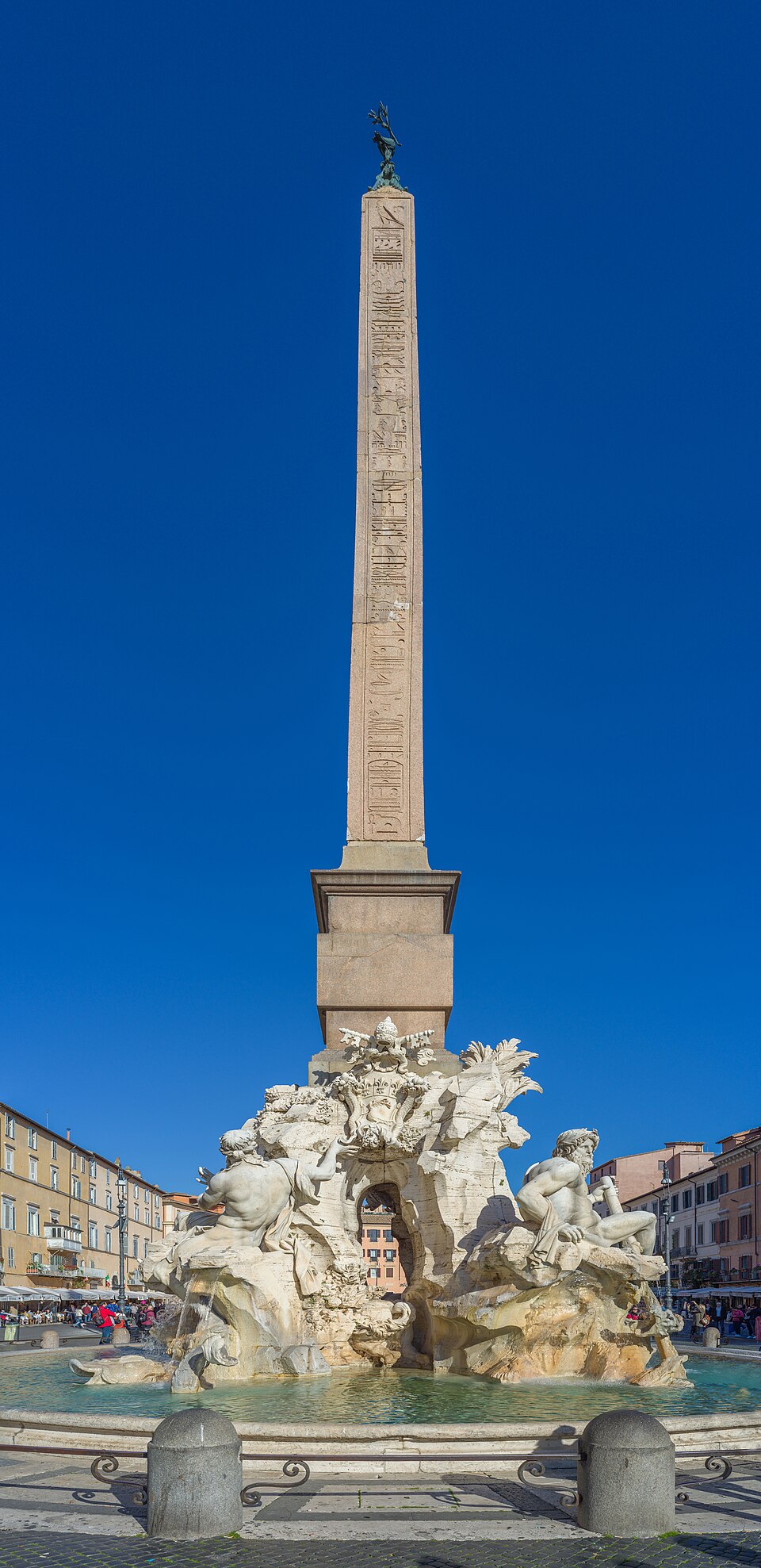
1Piazza Navona. Fontana dei Quattro Fiumi Sight
Bernini's fountain theatre, best seen before the coach groups arrive at 9am.
Rome as a building site of twenty centuries, read in three days: the Borromini-versus-Bernini duel through the centro's churches on day one, Meier's glass pavilion and the gasholders of industrial Ostiense on day two, then EUR's travertine rationalism and the Aventine's keyhole view to close. The Pantheon gets its due as the day-one detour it deserves; everything else here is the Rome most visitors walk straight past.
 Planned by Robin
3 days · 21 stops
Planned by Robin
3 days · 21 stops
Bernini's fountain theatre, best seen before the coach groups arrive at 9am.
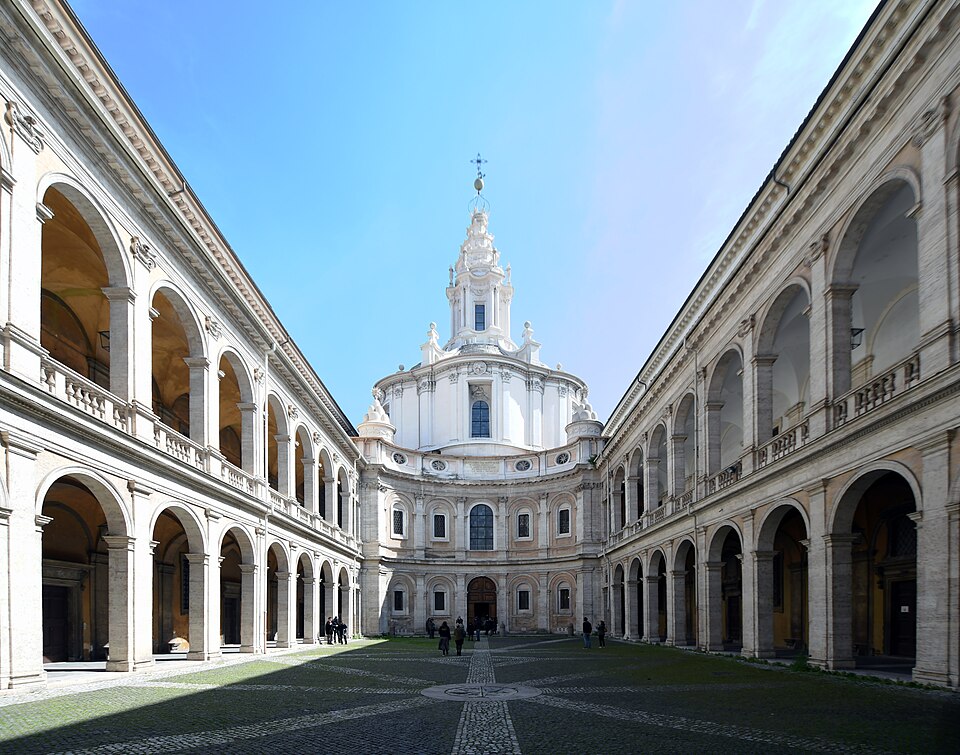
Borromini's spiral lantern, a masterclass in geometry that Bernini never attempted; check it's open (mornings, closed Mon).
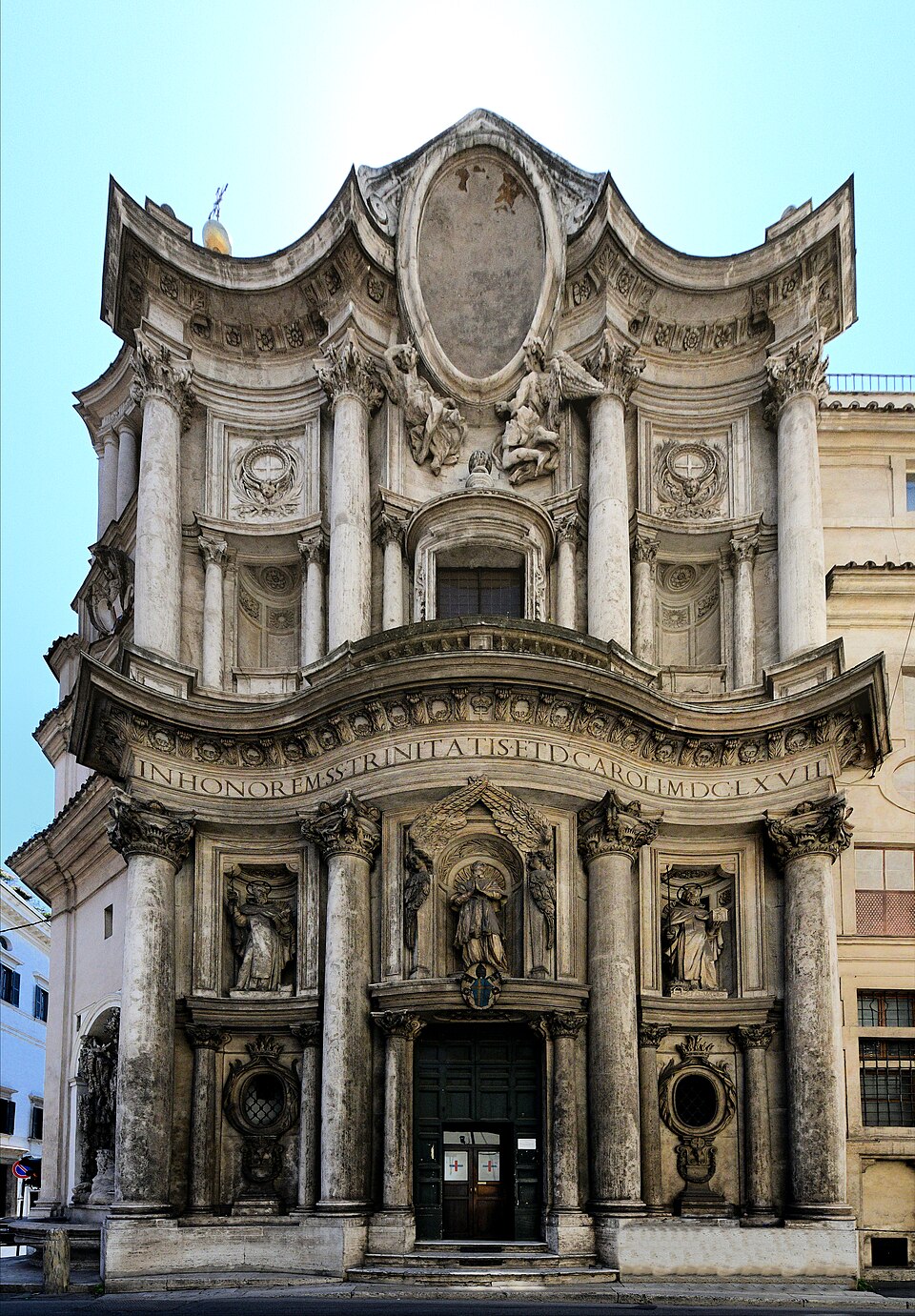
Borromini's tiny, undulating masterpiece, the oval dome inside is smaller than St Peter's baldacchino's base.
Family-run trattoria steps from the Pantheon, known for cacio e pepe since 1961.
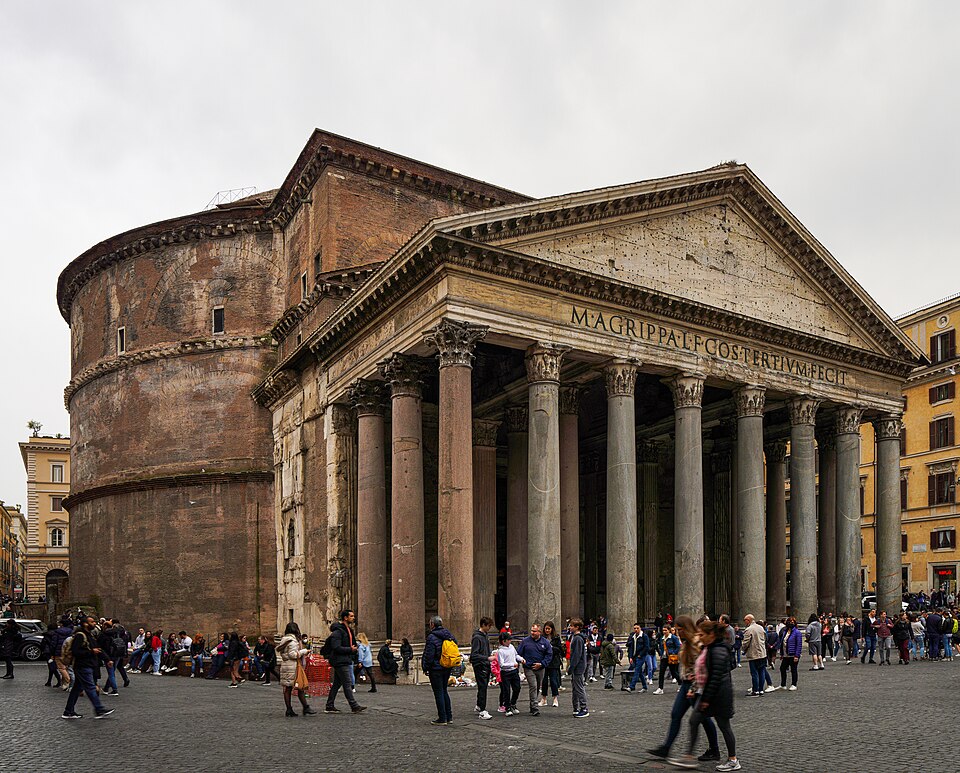
Your one required ancient-Rome stop, study the coffered dome and oculus, the largest unreinforced concrete dome ever built.
Borromini's twisting bell tower outside, Bernini's marble angels inside, the day's rivalry in one building.
Let the streets between Piazza Navona and Campo de' Fiori carry you toward dinner as the light turns gold.
Legendary bakery-deli for pizza al taglio and supplì, a lighter second food stop after a heavier lunch.
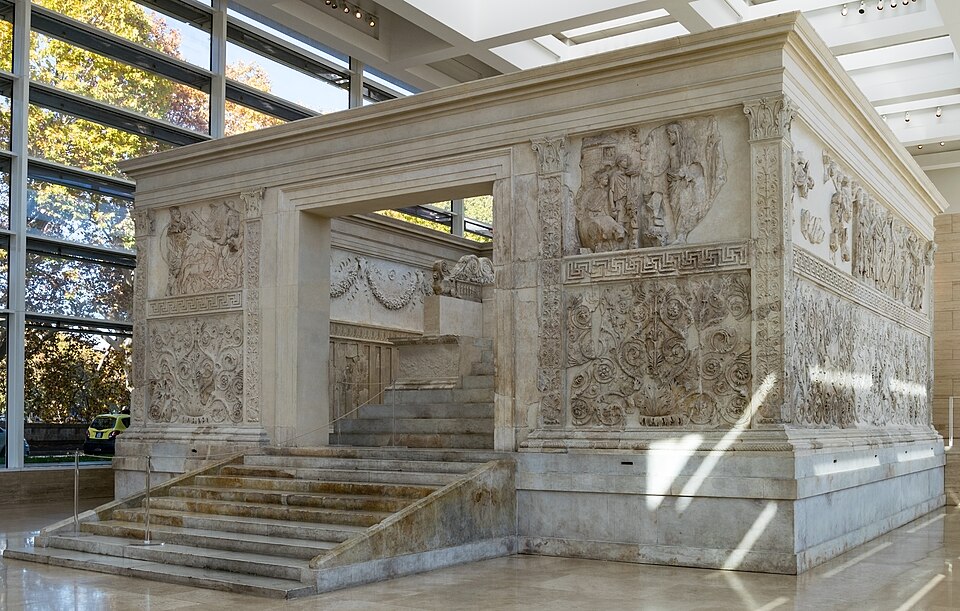
Richard Meier's controversial 2006 glass pavilion around Augustus's Altar of Peace, modern architecture housing ancient.
A Roman pyramid tomb wedged into the city walls, the odd hinge point between antiquity and the Ostiense district ahead.
Walk Via del Porto Fluviale for Blu's giant murals on former granaries and gasholder silhouettes. Rome's rawest architectural edge.
Grab a quick supplì or trapizzino from a stall. Testaccio's covered market is where Romans actually shop.
Classical statues staged among a decommissioned power station's turbines and boilers, industrial archaeology meets antiquity.
Wander the grid streets past the old Mattatoio (slaughterhouse, now MACRO Testaccio) before heading back for dinner.
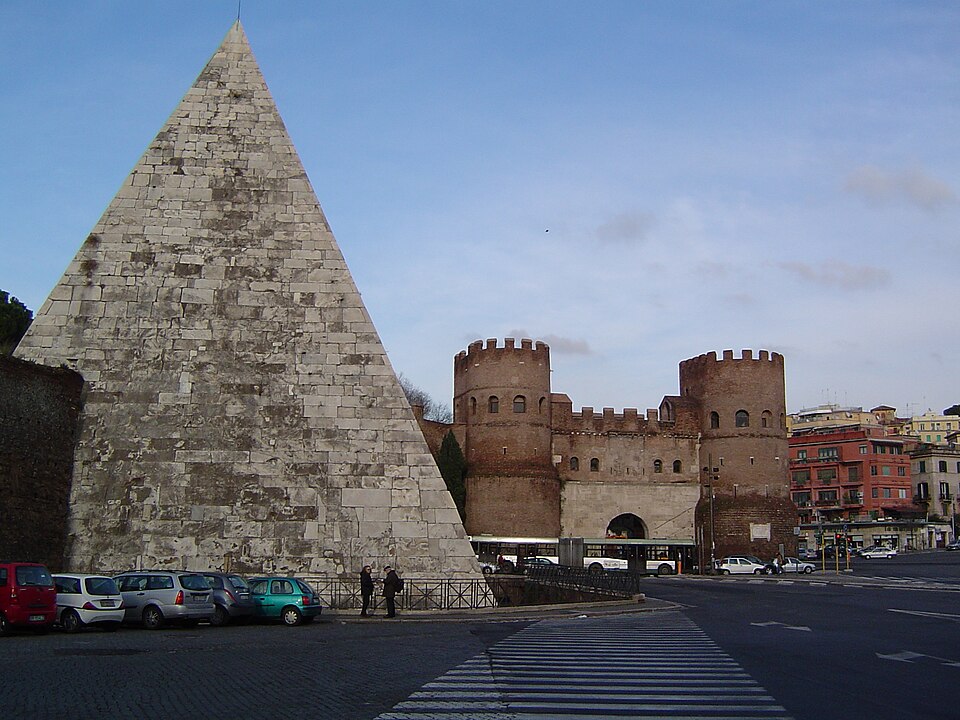
Built into Monte Testaccio's ancient shard-hill, this trattoria does Roman classics like the hill it sits on.
The 'Square Colosseum', 1930s rationalist arches translating classical Rome into Fascist-era geometry, best photographed before crowds.
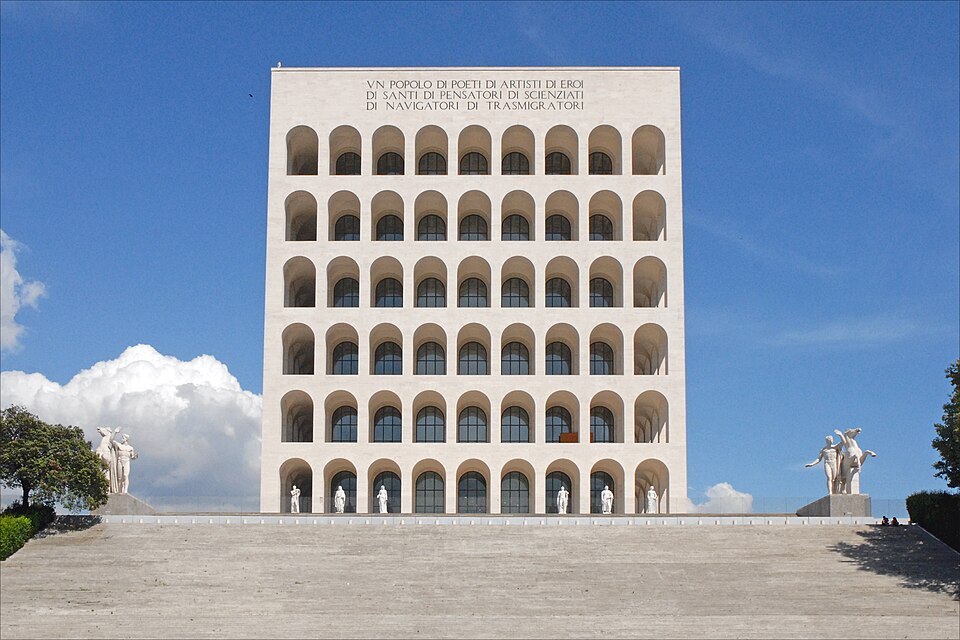
Stroll past Palazzo dei Congressi and the district's wide travertine boulevards. Mussolini's planned utopia, eerily quiet on weekdays.
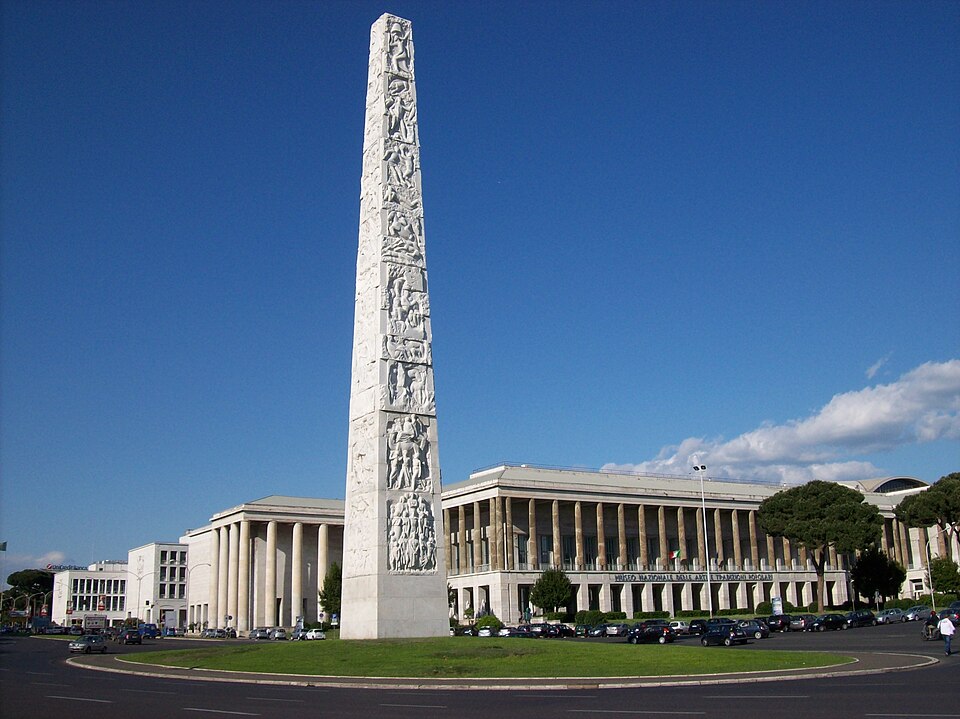
EUR institution since the 1950s, grab a quick lunch panino here before heading back toward the centro.
Peer through this famous keyhole on Piazza dei Cavalieri di Malta for a perfectly framed view of St Peter's dome.
Orange-tree garden on the Aventine with Rome's best free sunset-hour view over the Tiber and the domes beyond.
Tiny, much-loved Trastevere trattoria for cacio e pepe and carciofi alla romana to close out the trip.
The Roman pasta benchmark, done by a family trattoria that has held its corner since 1961.
Rome's standing food: squares of pizza by weight and fried rice croquettes with the mozzarella pull.
Monte Testaccio is a hill of two-thousand-year-old amphora fragments; eating Roman classics dug into its side is peak architecture-lover dining.
The plan leaves gelato unscheduled on purpose. Ask Robin to pin a gelateria near each evening's neighbourhood and it will.
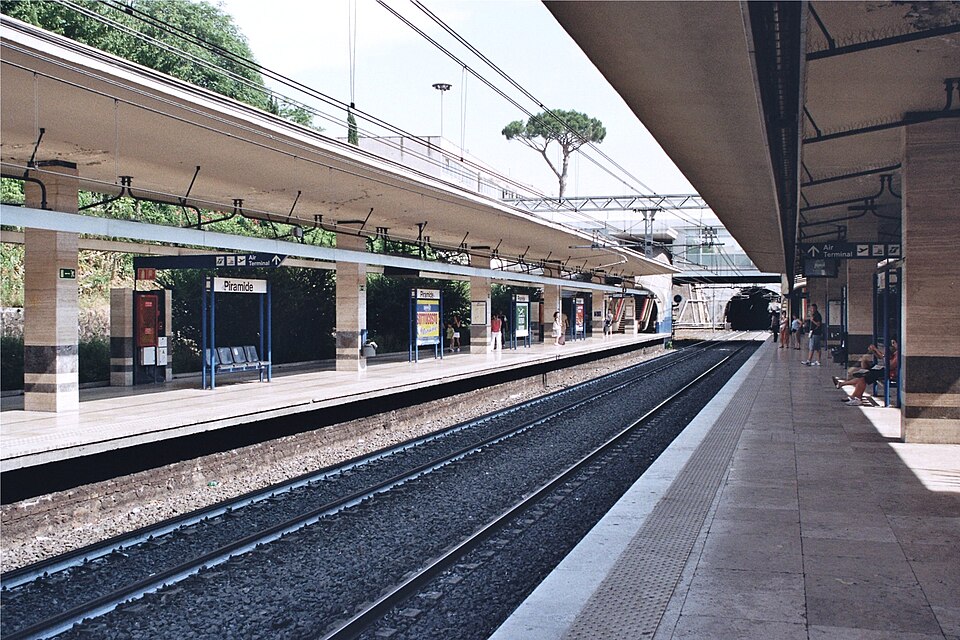
No. Metro line B links Piramide, EUR and the center; day 1 and the Aventine are walking territory. Central Rome driving is a punishment, not a convenience.
Nothing is strictly timed, but Borromini's churches keep short and shifting opening windows, usually mornings. Check current hours for Sant'Ivo and San Carlo the evening before day 1, and let Robin reshuffle if one is shut.
On the first-visit itinerary, where they belong. This plan gives ancient Rome one perfect stop, the Pantheon's dome, and spends its remaining hours on the Rome that never makes the postcards.
The Leonardo Express runs from Fiumicino to Termini in about half an hour; from Ciampino, the bus links to Termini are simplest.
For the baroque, industrial and rationalist chapters, yes. The missing pieces are the moderns: Zaha Hadid's MAXXI and Nervi's sports palaces make a natural fourth day.
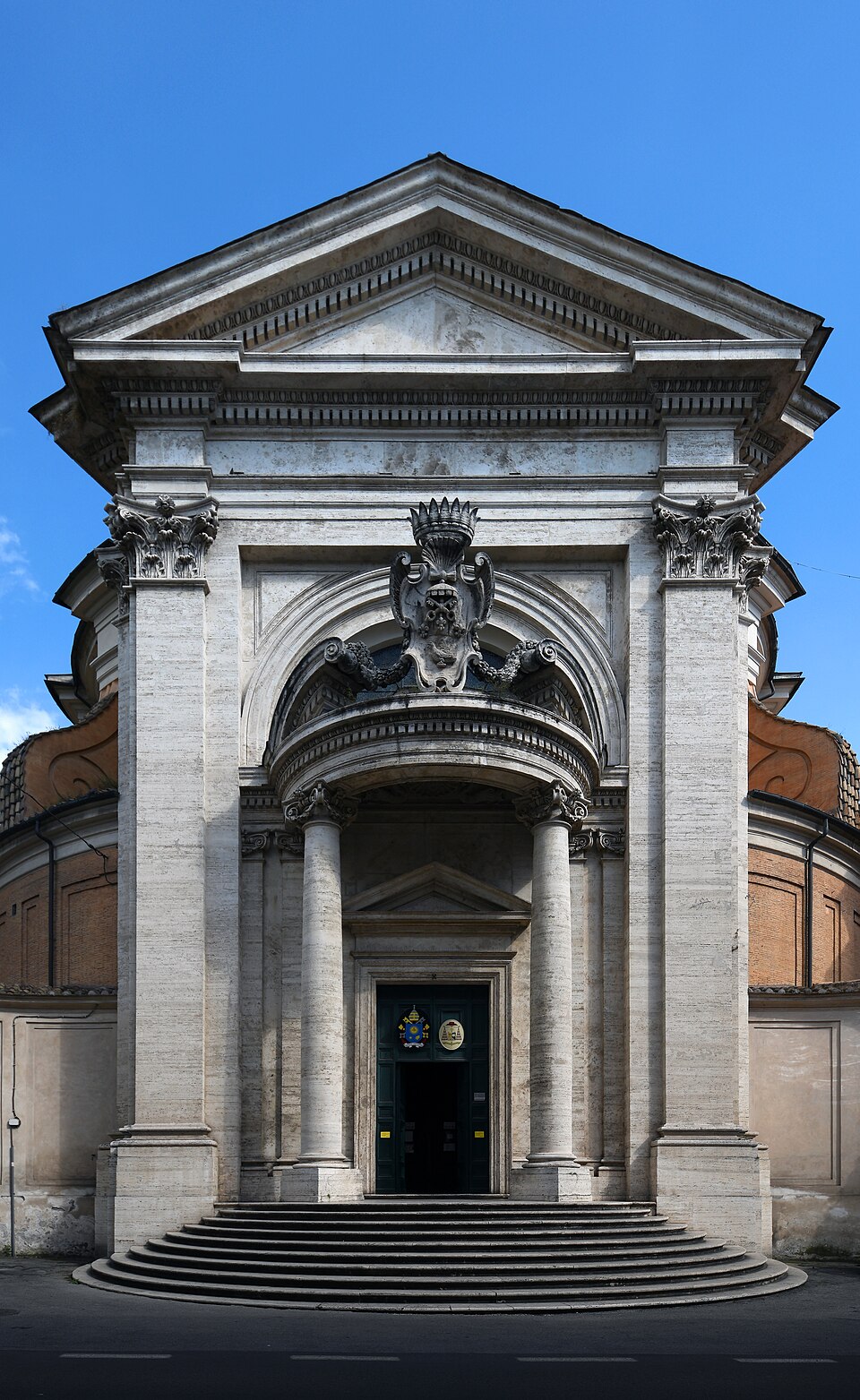
Add Galleria Spada's forced-perspective corridor and Sant'Andrea al Quirinale, Bernini's own favourite, so the baroque duel gets its full set of moves.
MAXXI's concrete ribbons in the morning, then Nervi's Palazzetto dello Sport and the Foro Italico complex; Rome's twentieth century after EUR deserves its own day.
Hadrian's Villa is the emperor's own architecture lab, and the Villa d'Este's water gardens close the loop from antiquity to mannerism in one out-of-town day.
This trip was built for a typical first visit. You aren't typical. Find your loves, your budget, and your perfect Rome adventure by building on this trip with Hey Robin.
Finish this itinerary FREE at Hey Robin →


_-_Right_side_and_front.jpg)

.jpg)


_(5904657870).jpg)
