09:00–10:00
1Sultan Mosque Culture
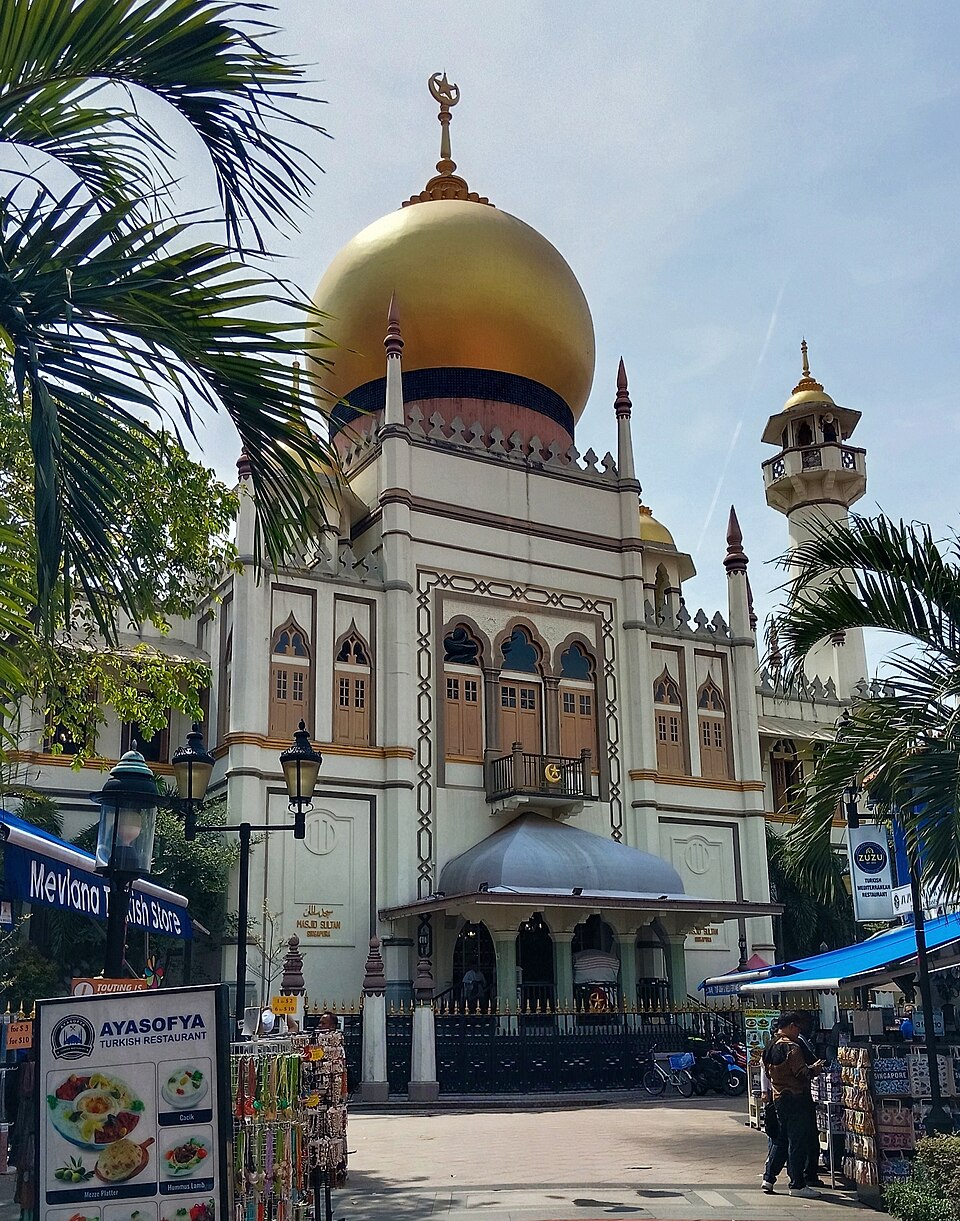
Golden dome built 1928; the courtyard's cool marble is a good first taste of Singapore's layered architecture.
.jpg)
3 Muscat St, Singapore 198833 · Google Maps
Singapore compresses two centuries of building into a walkable city-state, and this plan reads it in order: Kampong Glam's shophouse rows and the golden-domed Sultan Mosque before the Supertrees light up on day 1; Emerald Hill's Peranakan terraces, a nail-free 1839 temple and the colonial courts fused into the National Gallery on day 2; then Joo Chiat's technicolor facades, Tiong Bahru's Streamline Moderne curves and the timber ribs of Henderson Waves at golden hour to finish. Look for the details the plan names: pintu pagar half-doors, five-foot ways, carved transoms.
 Planned by Robin
3 days · 17 stops
Planned by Robin
3 days · 17 stops
Golden dome built 1928; the courtyard's cool marble is a good first taste of Singapore's layered architecture.
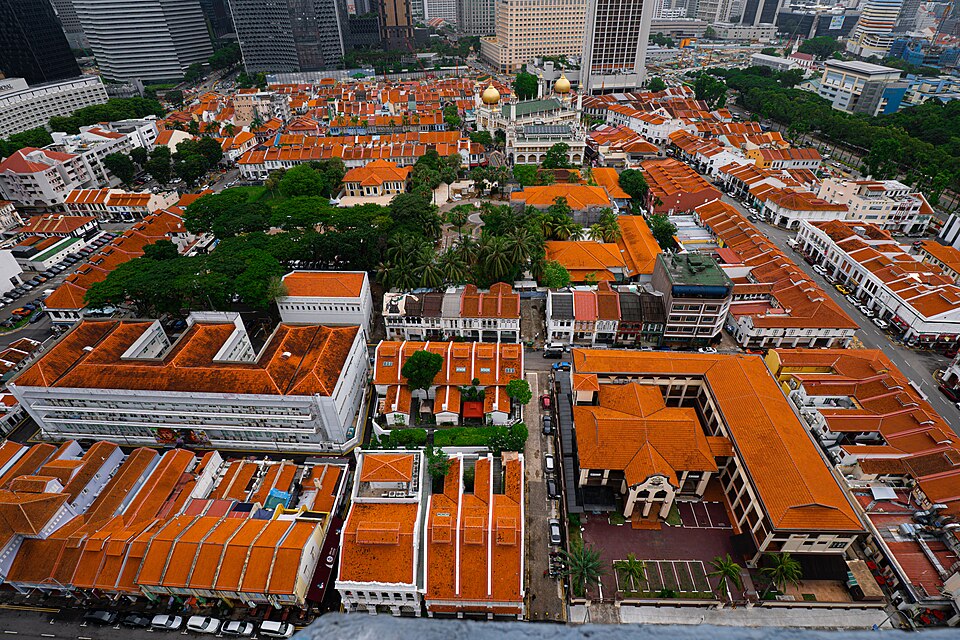
Wander Haji Lane's narrow shophouse row, the upper-floor shutters and five-foot-ways are original 1900s trader housing.
Order murtabak, this stall has been folding it fresh on the griddle across from Sultan Mosque since 1908.
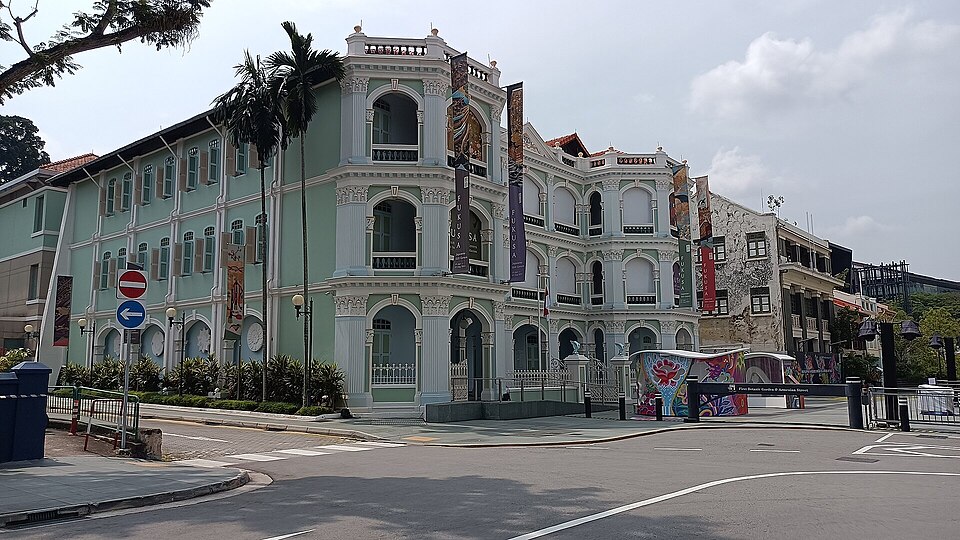
Intricate beadwork and carved shophouse facades explain the hybrid culture behind Joo Chiat and Emerald Hill.
Walk the elevated Skyway between the towering Supertrees before the free light show begins at dusk (~19:45 is a later show, this slot is for the view and golden light).
Victorian cast-iron market hall (1894) turned hawker centre, satay street fires up right outside after dark.
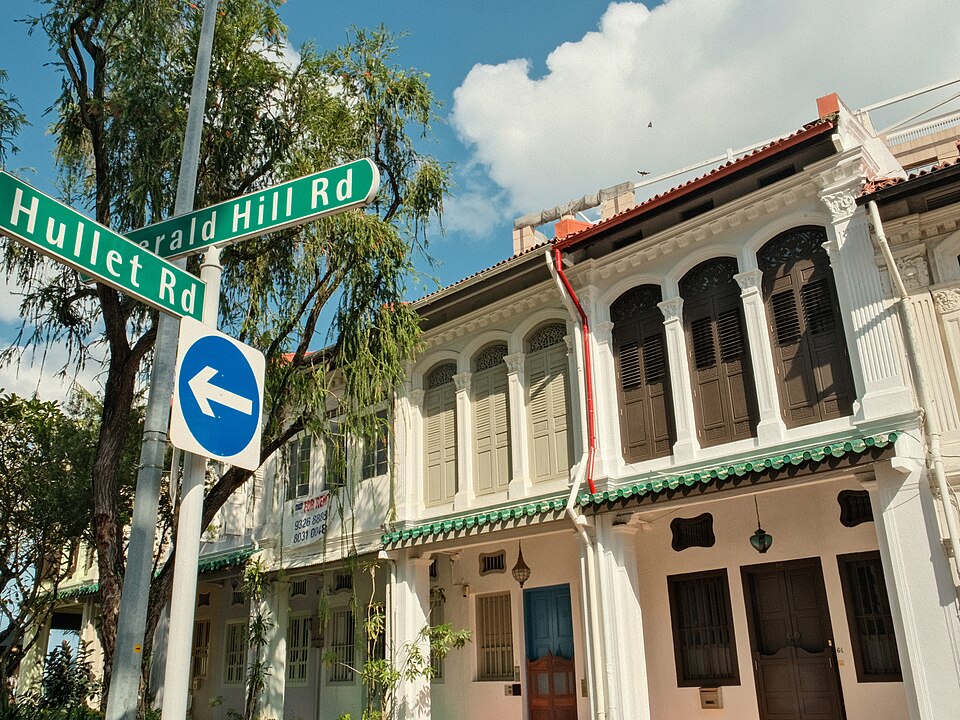
The must-see stretch of Peranakan terrace shophouses, look for the ornate carved pintu pagar swing-doors at No. 39.
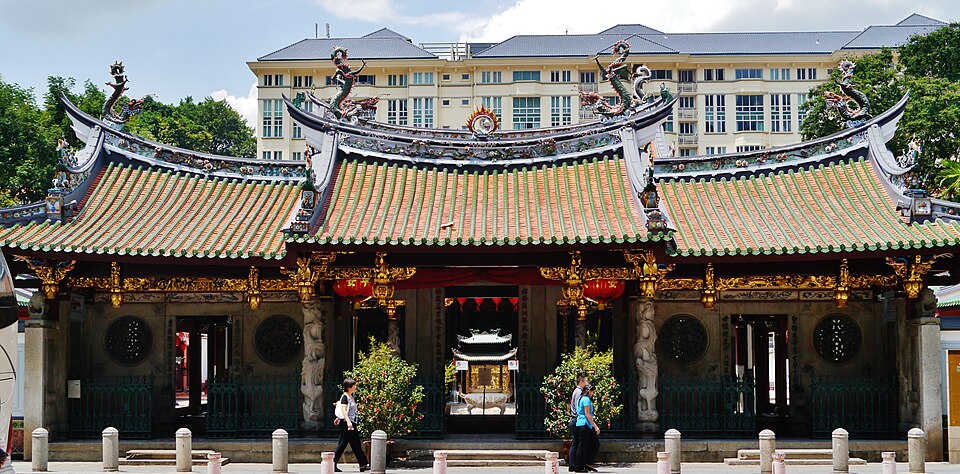
Singapore's oldest Hokkien temple (1839), built without a single nail; the granite pillars were shipped from China.
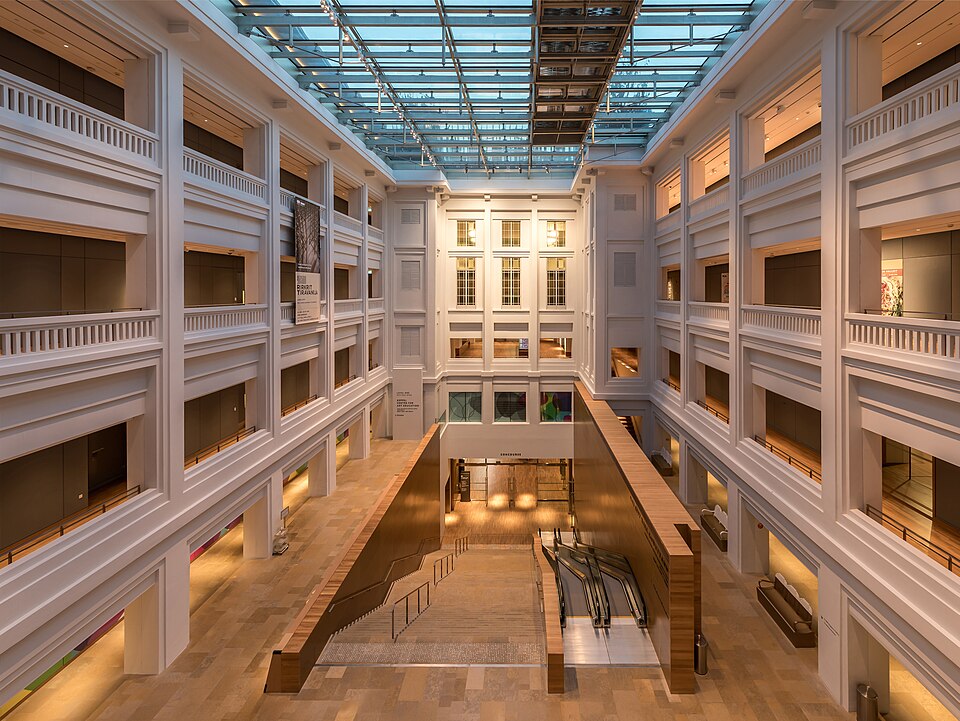
Two colonial-era landmarks, the old Supreme Court and City Hall, fused under a rippling steel-and-glass canopy.
The queue tells you which stall, go early in the window, it sells out most afternoons.
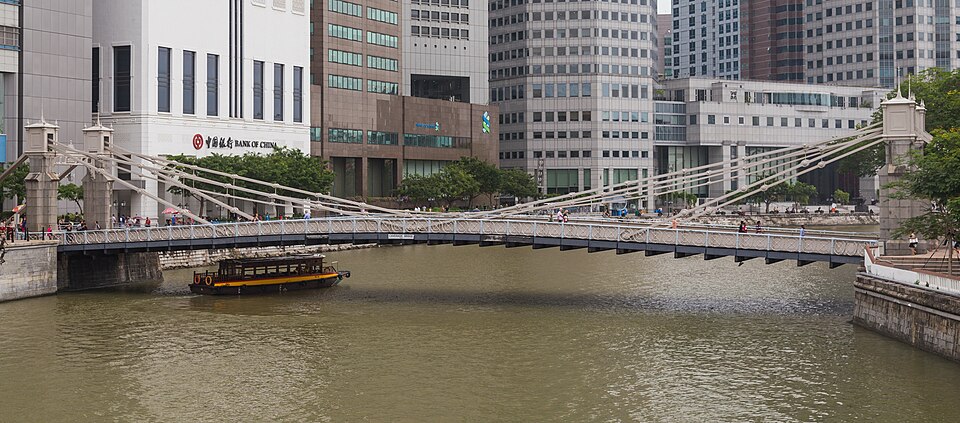
Walk from the 1928 neoclassical former GPO across the 1869 suspension bridge into Boat Quay's restored godowns.
The chili crab that put Singapore seafood on the map, book ahead, it's the trip's one splurge dinner.
Technicolor Peranakan shophouses with sculpted floral tiles, the trip's second must-see shophouse street, quiet before 10am.
Kaya toast and soft-boiled eggs the way Hainanese coffee-shop owners have served it since the 1940s.
Singapore's oldest public housing, 1930s Streamline Moderne curves, look for the spiral staircase blocks on Kim Pong Road.
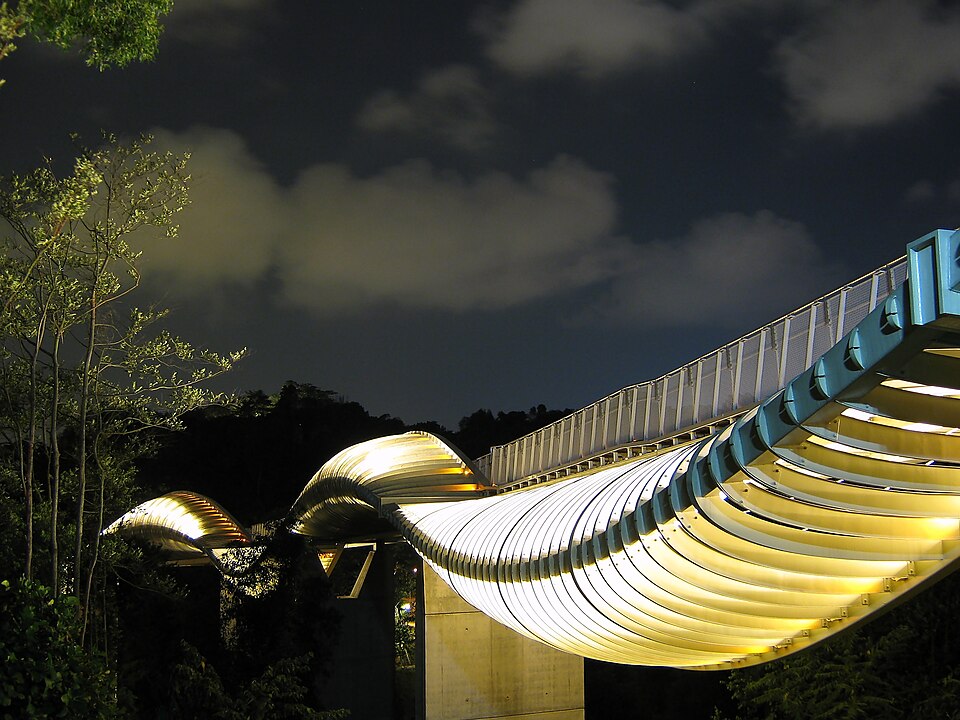
Singapore's highest pedestrian bridge, the undulating timber ribs glow gold right before sunset over the forest canopy.
A quiet, elegant close with home-style Peranakan dishes like buah keluak chicken, steps from where you began at the museum.
Stuffed, folded and fried across from the Sultan Mosque; the definitive Kampong Glam lunch.
The 1894 cast-iron Lau Pa Sat turns hawker center by day and satay street by night; eat under the ironwork you came to see.
Singapore's national argument, eaten with your hands and extra mantou for the sauce.
The black-nut chicken that defines Nyonya cooking, in a dining room as ornamented as the shophouses outside.
No, and Singapore makes sure of it: the MRT is fast, cold and everywhere this plan goes. Get an EZ-Link card or just tap a contactless card at the gates.
Jumbo Seafood on day 2; chili crab night fills up. The Supertree light show is free and unticketed. The National Gallery sells tickets online, worth having in the wet season when everyone else has the same indoor idea.
The region's signature building: shop below, family above, sharing a covered five-foot way with its neighbors. Read the fronts as you walk: carved pintu pagar half-doors, glazed floral tiles, and the pastel plasterwork that dates each row within a decade.
The plan already does: mornings outdoors, midday inside temples, museums and hawker halls, golden hour back out. Carry water, surrender to the humidity, and let the MRT's air conditioning be your reset button.
Yes. The first-visit Singapore plan covers Marina Bay's icons and the greatest hits; this page borrows only the Supertrees at dusk, and spends its days in the streets that plan can only wave at.
Give the skyline its own day: Marina Bay Sands' engineering, the conserved Fullerton waterfront from the water, and the new supertalls of the CBD. Ask Robin to add the river cruise angle the walking days skip.
Tiong Bahru is the vintage chapter; the Pinnacle@Duxton's sky bridges are the modern one. Together they explain more about Singapore than any monument.
The colonial black-and-white houses around Dempsey and the Botanic Gardens make a gentler final chapter, trading street grids for verandas and rain trees.
This trip was built for a typical first visit. You aren't typical. Find your loves, your budget, and your perfect Singapore adventure by building on this trip with Hey Robin.
Finish this itinerary FREE at Hey Robin →
,_August_2024.jpg)


_(cropped).jpg)

