09:00–10:00
1Tiong Bahru Market Eat
Go early while stallholders are still setting up, the wet market upstairs food centre does a excellent chwee kueh and kopi breakfast locals actually eat.
This is Singapore with the postcard turned face-down: a whole first day inside Tiong Bahru, from the wet market's dawn-quiet stalls to the songbird corner where retirees still hang their cages, then Everton Park's back lanes and a canopy walk to Henderson Waves at dusk, and a last day in Katong-Joo Chiat for painted shophouses, a private front-room museum of Peranakan heirlooms, and laksa eaten the local way, spoon only. Marina Bay never appears, which is the point.
 Planned by Robin
3 days · 19 stops
Planned by Robin
3 days · 19 stops
Go early while stallholders are still setting up, the wet market upstairs food centre does a excellent chwee kueh and kopi breakfast locals actually eat.
Wander the 1930s streamline-moderne walk-up blocks along Kim Pong and Yong Siak Street, look for the spiral staircase block, a rare surviving design.
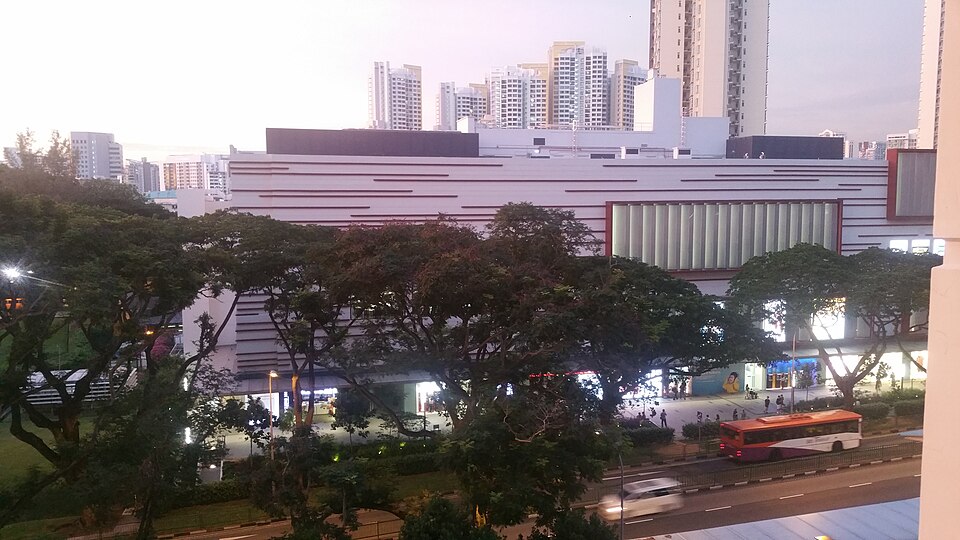
Retired residents still gather most mornings with caged songbirds hung on poles, a genuine local ritual, not staged for tourists.
Head back toward your base or wander Yong Siak Street's independent shops at an easy pace, no fixed stop, just breathing room.
Two small, unpolished neighbourhood temples a few streets apart. Qi Tian Gong's Monkey God shrine draws devotees, not tour groups.
The original branch's kouign-amann is the one thing worth the queue here, grab one to eat on a bench in the estate's central green.
An old-school zi char shophouse restaurant in Tiong Bahru serving dishes locals have ordered for decades, book ahead, it's small.
Wander the quiet back lanes above Chinatown. Everton Road's low-rise shophouses feel a world away from Marina Bay, with almost no foot traffic before 10am.
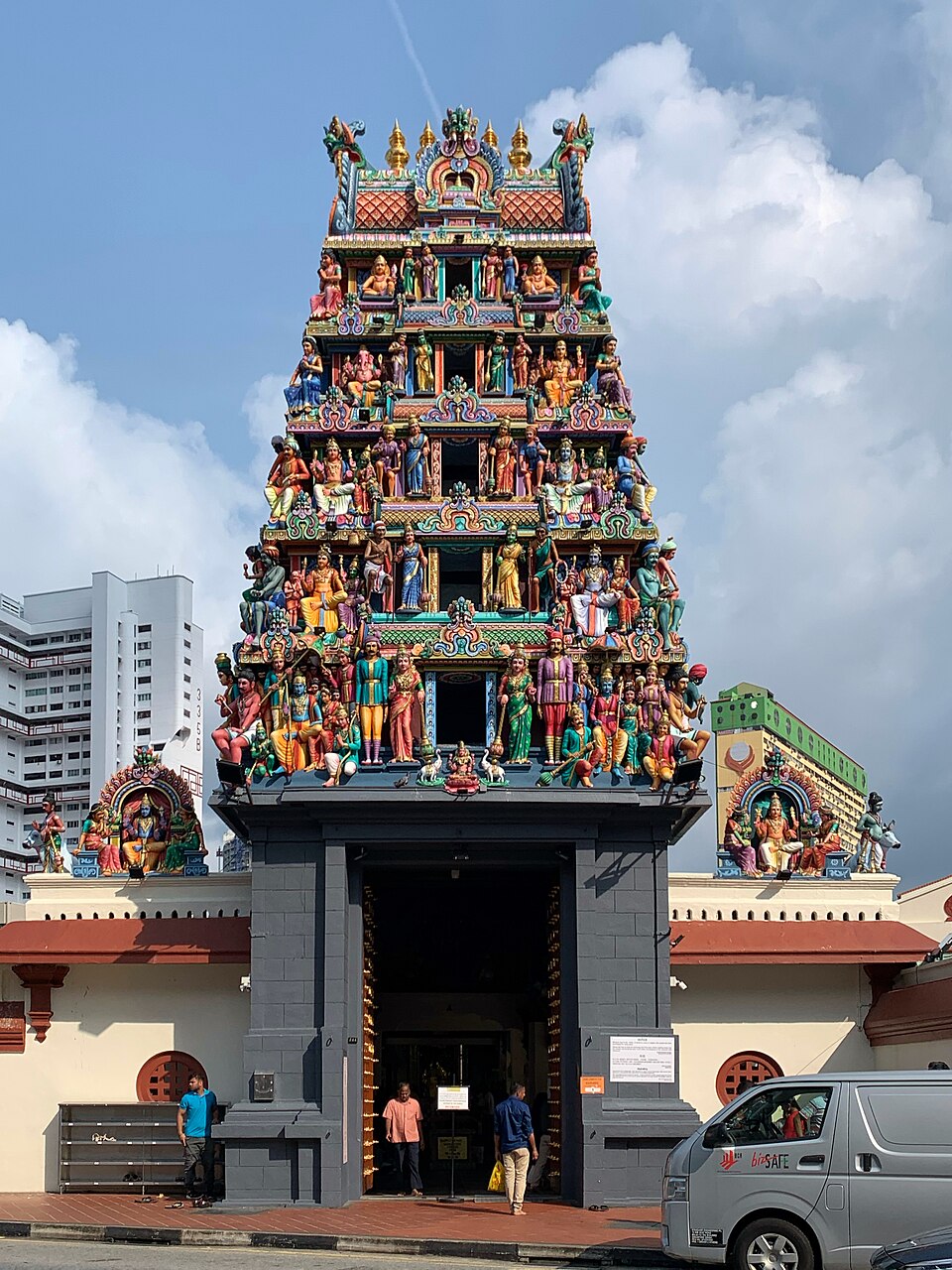
Singapore's oldest Hindu temple, its gopuram gate rebuilt in the 1930s, step in quietly, this is an active place of worship, not a museum.
Tian Tian Hainanese Chicken Rice's queue is real but moves fast, this is the sit-down hawker lunch worth the wait.
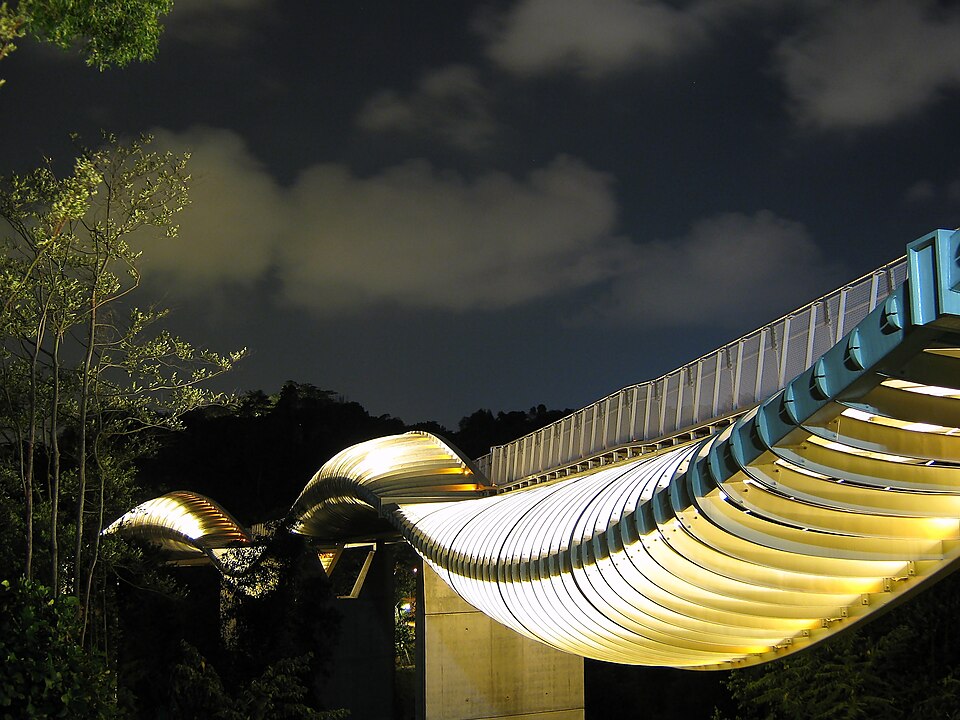
Start at Mount Faber and walk the elevated Forest Walk to Henderson Waves. Singapore's highest pedestrian bridge, best just as the light starts to turn gold.
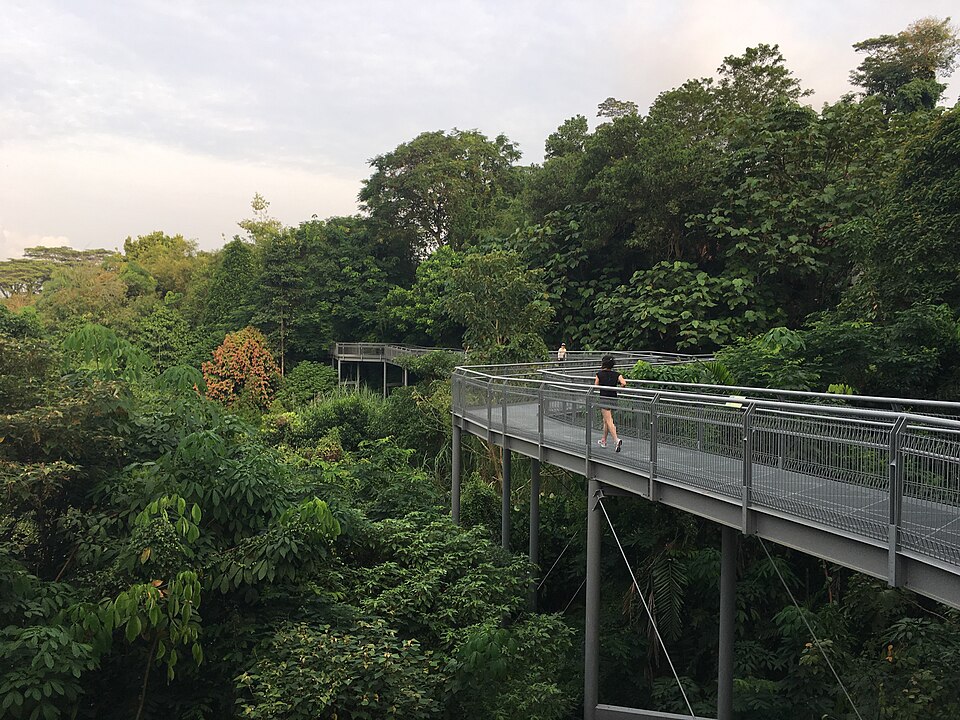
Linger on the bridge's curved timber deck as the sun sets over the port, the undulating form is lit softly after dark, worth the wait.
A long-running Peranakan restaurant near Tanjong Pagar for buah keluak and beef rendang, a fitting closer after a day rooted in old neighbourhoods.
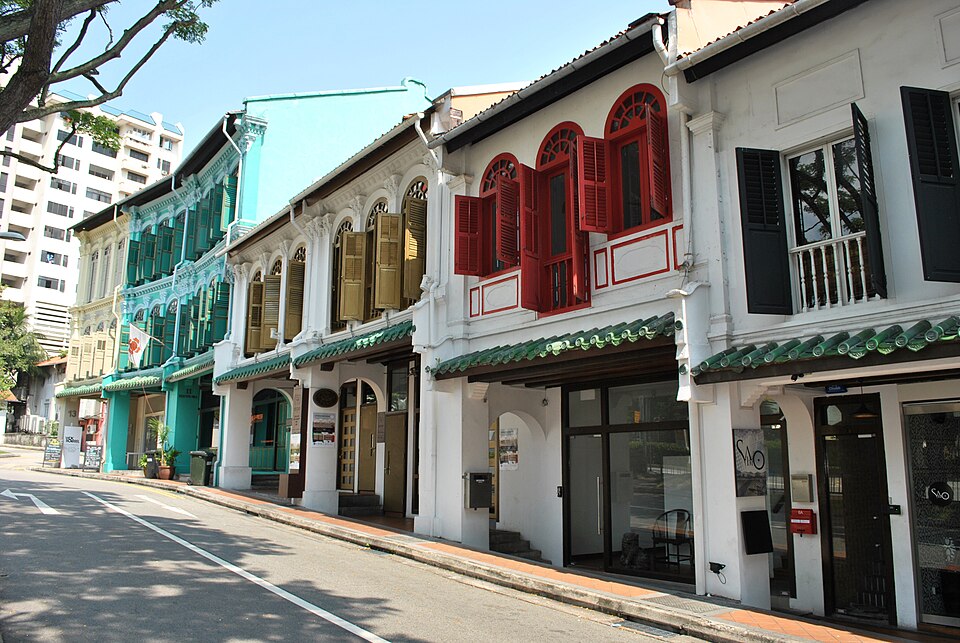
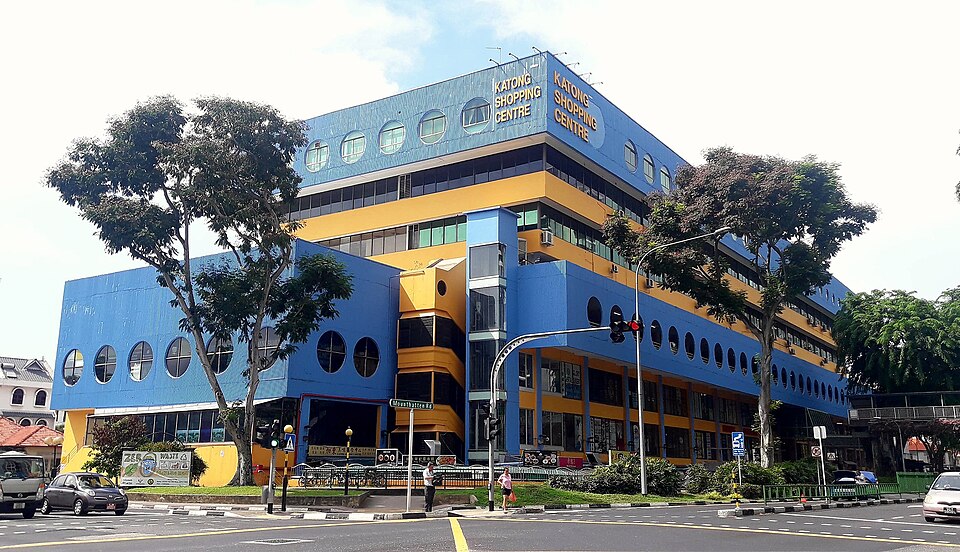
Trace the painted Peranakan shophouses along Koon Seng Road, then Joo Chiat Road's mix of shrines, tailors and old trades, go early before the heat sets in.
A 1920s Hainanese bakery beloved for kaya toast and pastries, order at the counter, seating is simple old-school tables.
A private collector's front-room museum of Peranakan heirlooms, call ahead, visits are by informal appointment and feel like a friend's living room.
Eat it the local way, spoon-only, no fork, this stall's rich coconut-curry broth is the reason Katong laksa has its own name.
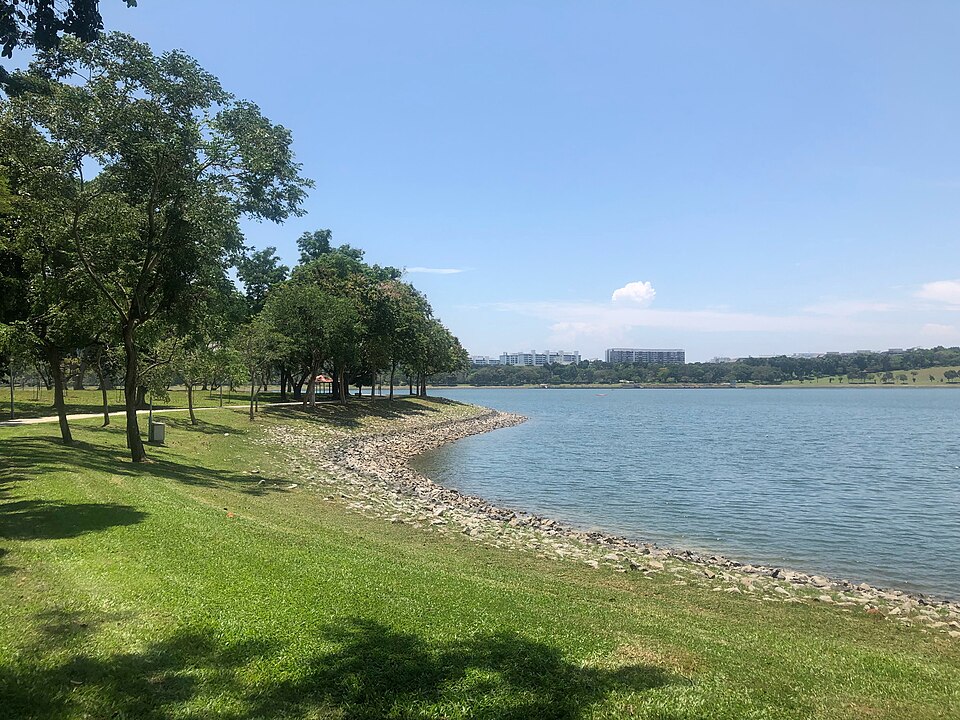
Rent from a stand near Marine Parade and ride the coastal path to Bedok Jetty, pull off for a last dip in the sea before the ride back.
The jetty faces west over the strait, a quiet, unpolished spot locals fish from, and a good last look at the water before you leave.
Chwee kueh and kopi among stallholders setting up; the most local hour this trip owns.
Tian Tian's line at Maxwell is real and moves fast; poached chicken over fragrant rice, the national comfort dish.
Coconut-curry broth over cut noodles, eaten the house way at the stall that defines the style.
A 1920s Hainanese bakery's charcoal-grilled toast and pastries, ordered at the counter like everyone's grandparents did.
No. Each day is one neighborhood reached by MRT or a short taxi, then walked slowly. Day 3's only vehicle is a rented bicycle on the coastal path.
Katong Antique House visits are by arrangement, so call ahead a day or two; it is one collector's front room, not a ticketed museum. Blue Ginger takes reservations and deserves one. Everything else on this plan queues, and the queues are short before 11:00.
Only if it is your first time and you never come back. If it is, do our first-visit Singapore plan for the icons and keep this one for the return trip; the neighborhoods age better than the skyline anyway.
At 328 the noodles come pre-cut: you eat the whole bowl with a spoon, no chopsticks, no fork. It is not a test, just the house way, and the rich coconut broth makes the case for it by the third spoonful.
Yes, because it is flat, sea-breezy and timed for late afternoon. Rent near Marine Parade, roll east to Bedok Jetty for the sunset, and hand the bike back before dark.
Ride the MRT out to Toa Payoh or Ang Mo Kio for HDB-block Singapore: void-deck life, neighborhood kopitiams and the best-value hawker food on the island. Ask Robin to pick the center matching what you like to eat.
Tekka Centre's morning market and the sari-and-spice rows of Serangoon Road extend the neighborhood thesis into a different register entirely.
The bumboat to Ubin is the local escape hatch: kampong lanes, rented bikes and the Singapore that predates the skyline. Weekdays are quietest.
This trip was built for a typical first visit. You aren't typical. Find your loves, your budget, and your perfect Singapore adventure by building on this trip with Hey Robin.
Finish this itinerary FREE at Hey Robin →

_-_img_01.jpg)


