09:00–10:30
1Omotesando & Aoyama Architecture Walk Walk
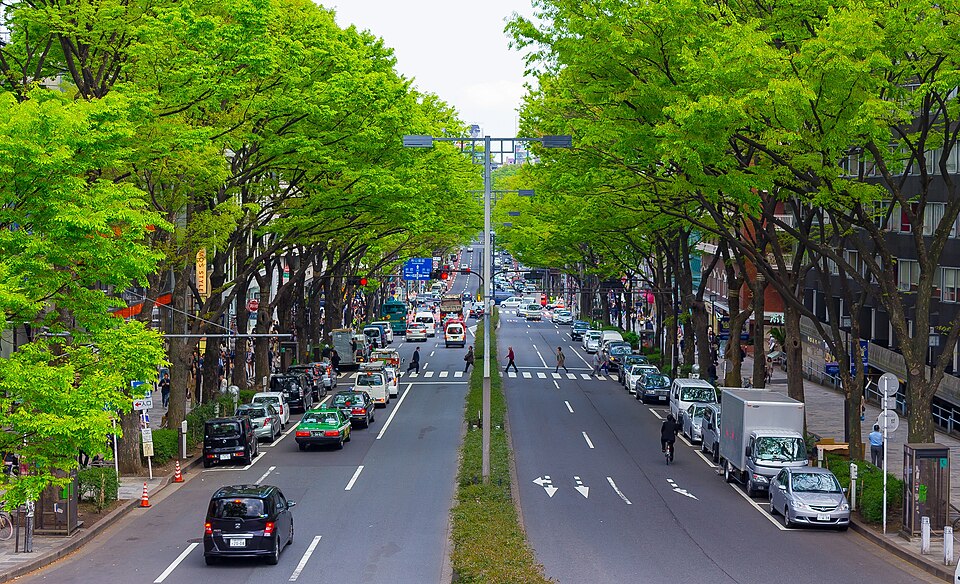
Stroll past Omotesando Hills (Ando's sloped atrium) and Herzog & de Meuron's diamond-glass Prada Aoyama building.
Three days of Tokyo read through its buildings: Ando's sloped atrium and Herzog & de Meuron's crystalline Prada store on the Omotesando walk, Kengo Kuma's bamboo-eaved Nezu Museum, Tange-era Roppongi from the Mori Tower deck, and Ginza's facade parade from Kuma's latticed Ginza Six to Ito's pearl-skinned Mikimoto. The galleries are chosen for their rooms as much as their art, Watari-um, 21_21 Design Sight, SCAI in its 200-year-old bathhouse, and the meals keep the theme, from a tonkatsu house in a converted 1930s sento to dinner under Sometaro's wooden beams.
 Planned by Robin
3 days · 20 stops
Planned by Robin
3 days · 20 stops
Stroll past Omotesando Hills (Ando's sloped atrium) and Herzog & de Meuron's diamond-glass Prada Aoyama building.
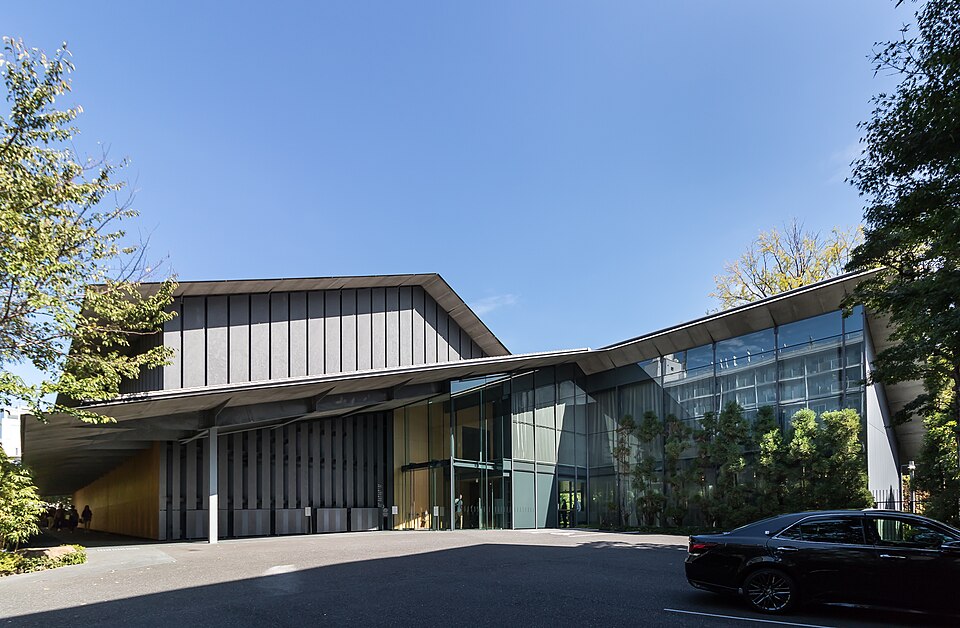
Kengo Kuma's bamboo-eaved building opens onto a hillside garden with teahouses, arrive before the tour groups.
Housed in a converted 1930s bathhouse; the pork loin katsu is the local specialty to order.
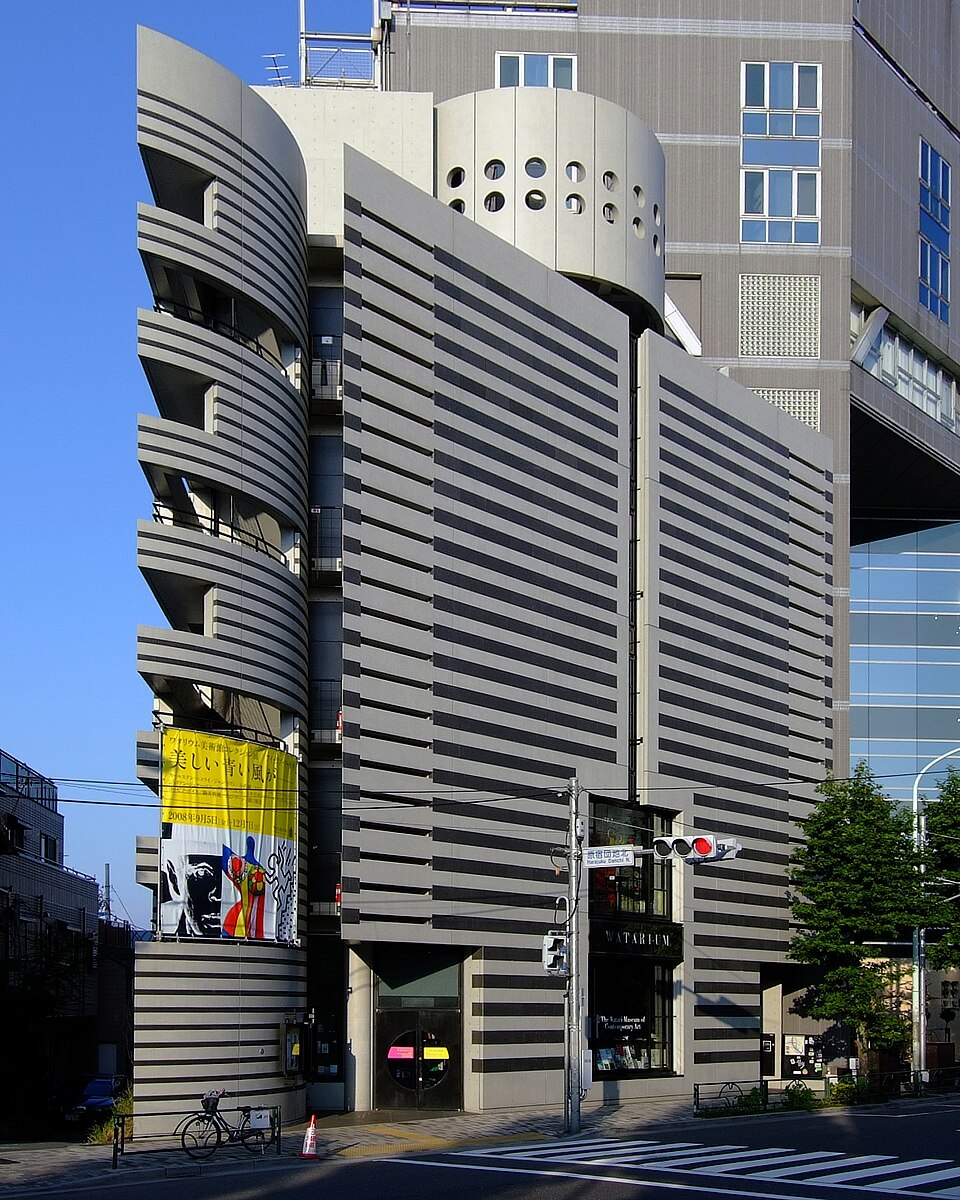
A small, angular concrete gallery showing rotating contemporary art, rarely crowded, easy to linger.
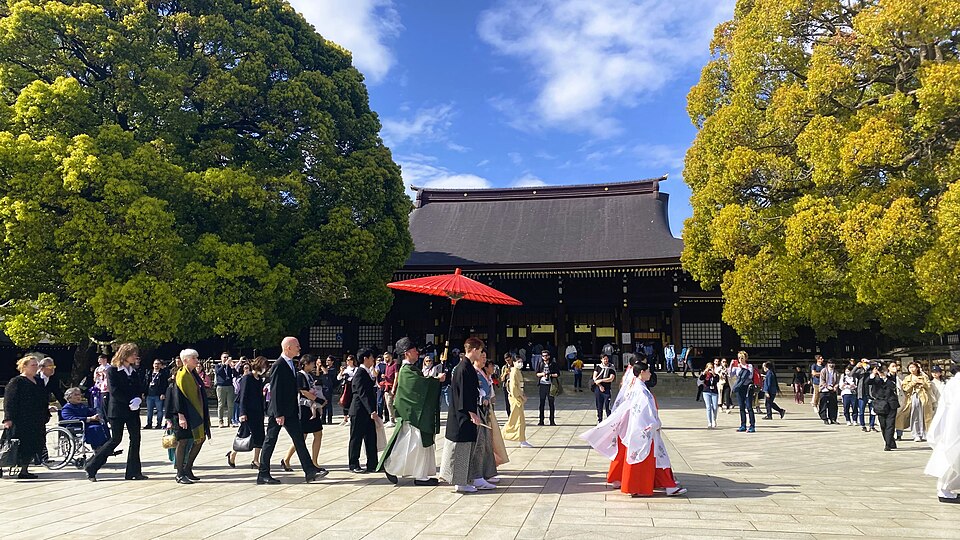
The gravel approach through 100,000 planted trees turns gold in late afternoon light before the shrine gates.
An unmarked Aoyama izakaya locals book ahead for, seasonal small plates over binchotan charcoal.
52nd-floor deck at Roppongi Hills gives an unobstructed skyline sweep, go before midday haze builds.
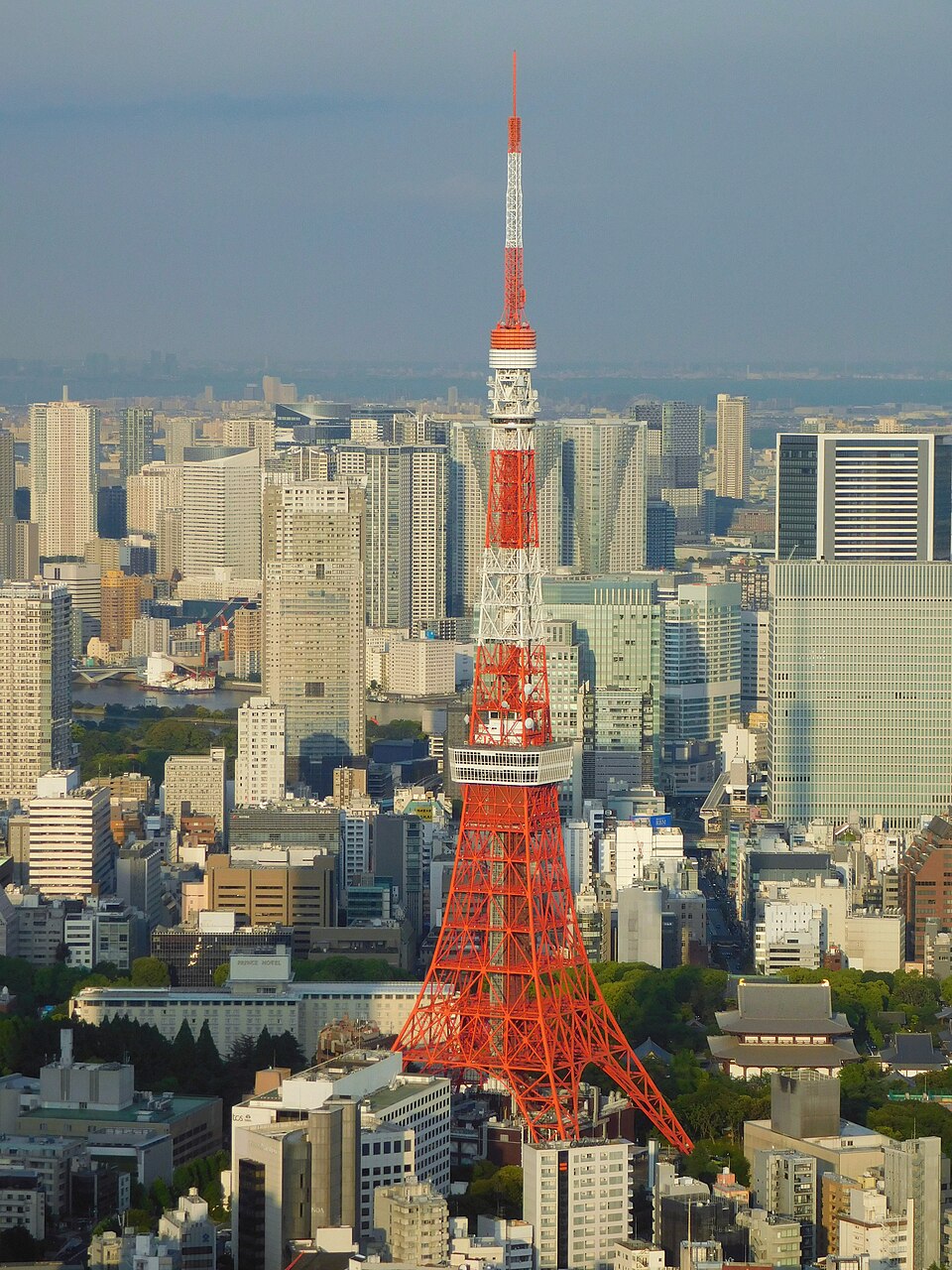
Tadao Ando's folded-steel-roof building beside Issey Miyake's design institute; check which exhibition's on.
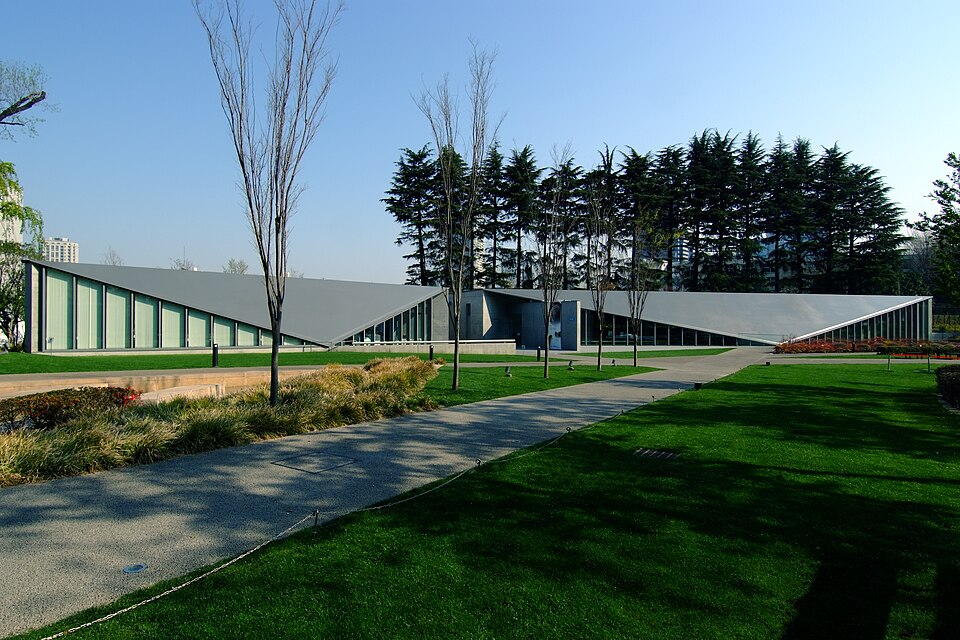
A casual bowl of the original tonkotsu ramen chain, a five-minute walk from Roppongi Hills.
Kengo Kuma's lattice-clad Ginza Six and Toyo Ito's petal-patterned Mikimoto building bookend this stretch.
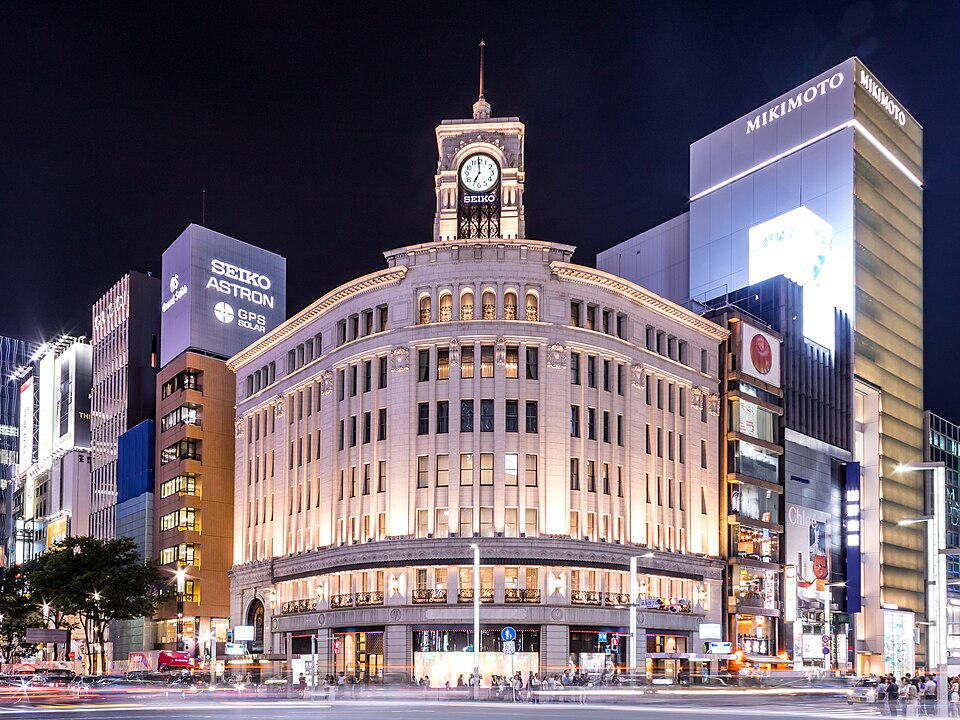
The Ishibashi family's private Impressionist-to-contemporary collection in a quiet Kyobashi tower, far less crowded than the big museums.
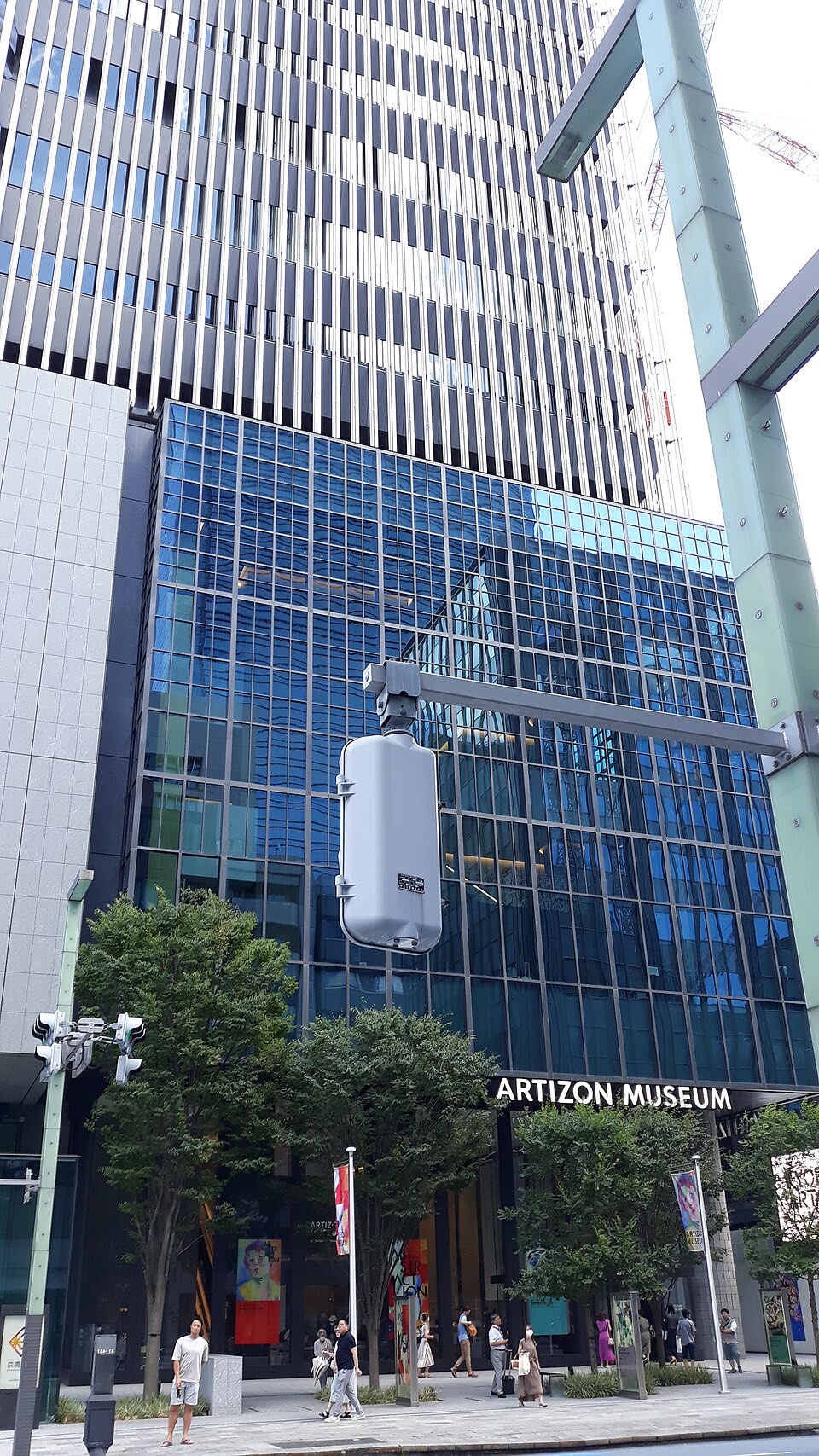
Standing sushi bar where Tsukiji dealers eat, order by the piece, no reservation culture here.
Barefoot, water-and-light installations, go after dark for the mirrored infinity room's full effect; book ahead.
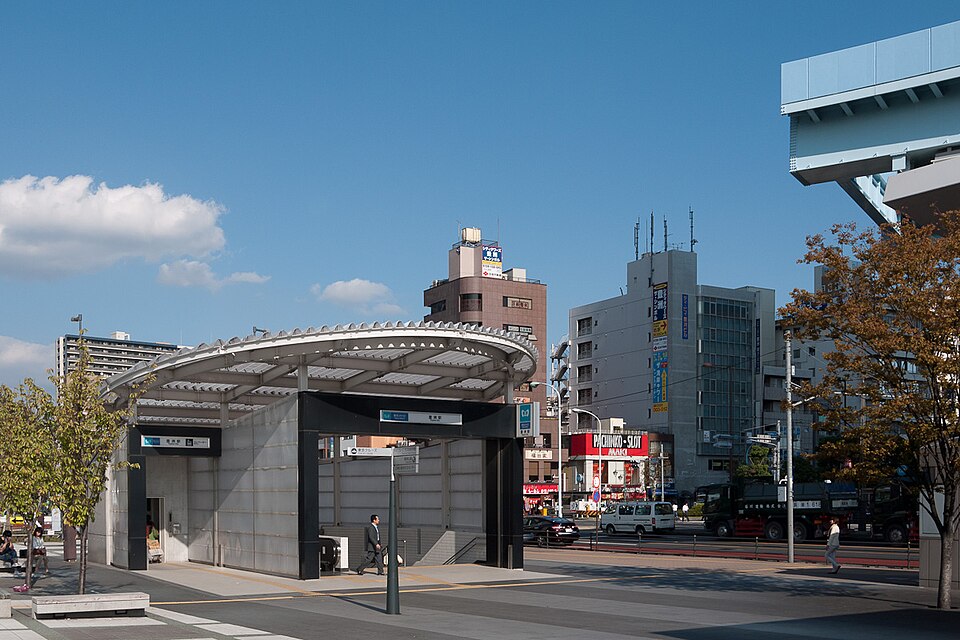
A 200-year-old public bathhouse converted into a contemporary gallery, one of Tokyo's quietest, best-kept art spaces.
Wooden shophouses and cats underfoot, one of the few Tokyo districts that survived the 1945 firebombing.
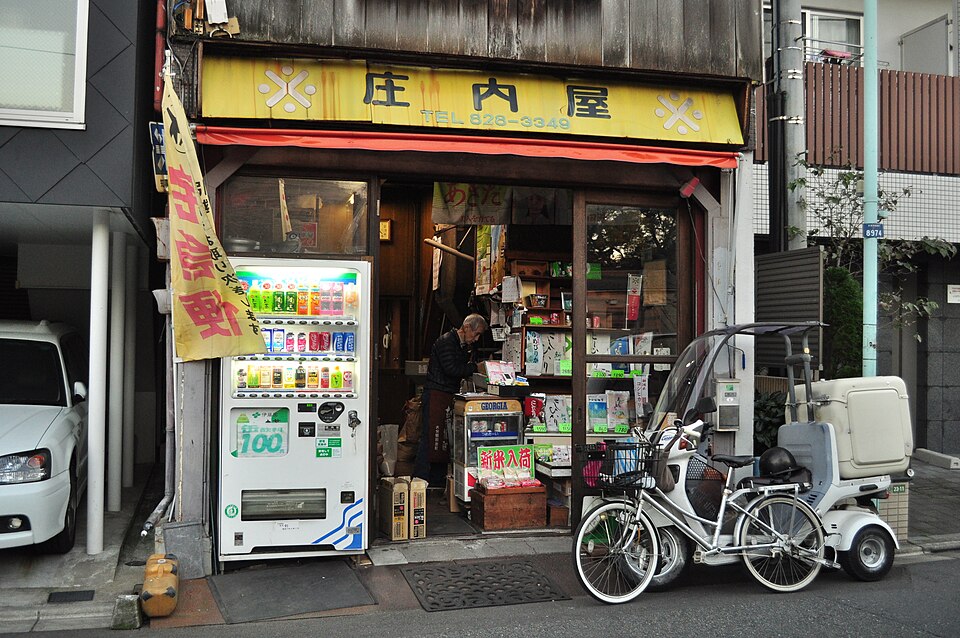
An 1884 soba house near Kanda, order the seiro cold soba, the way it's been served for over a century.
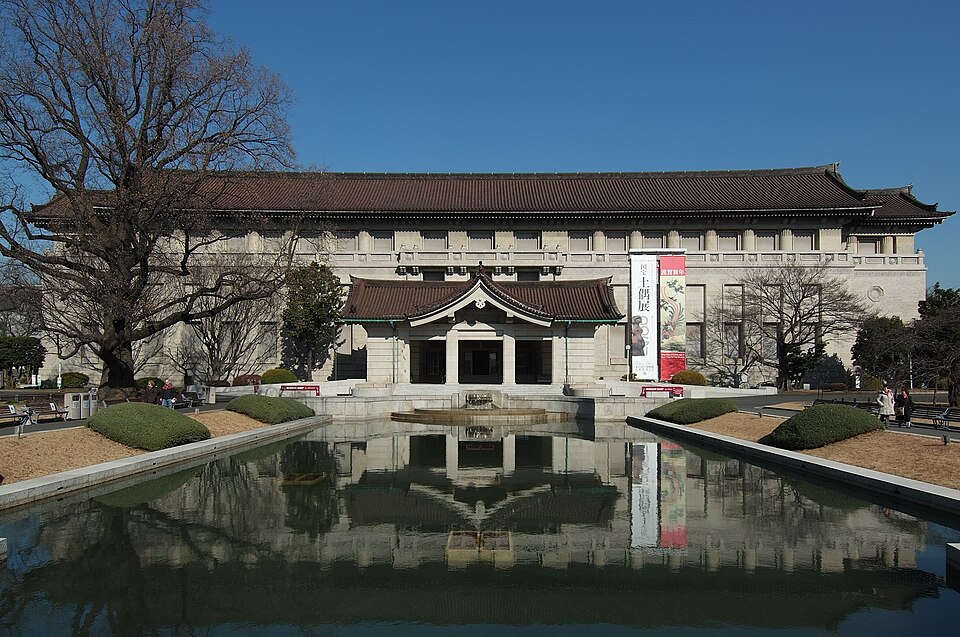
The Kengo Kuma-renovated Hyokeikan wing and the Kuroda Memorial Hall reward architecture-minded visitors as much as the artifacts.
Lotus-covered pond ringed by a walking path, the light softens here just before sunset.
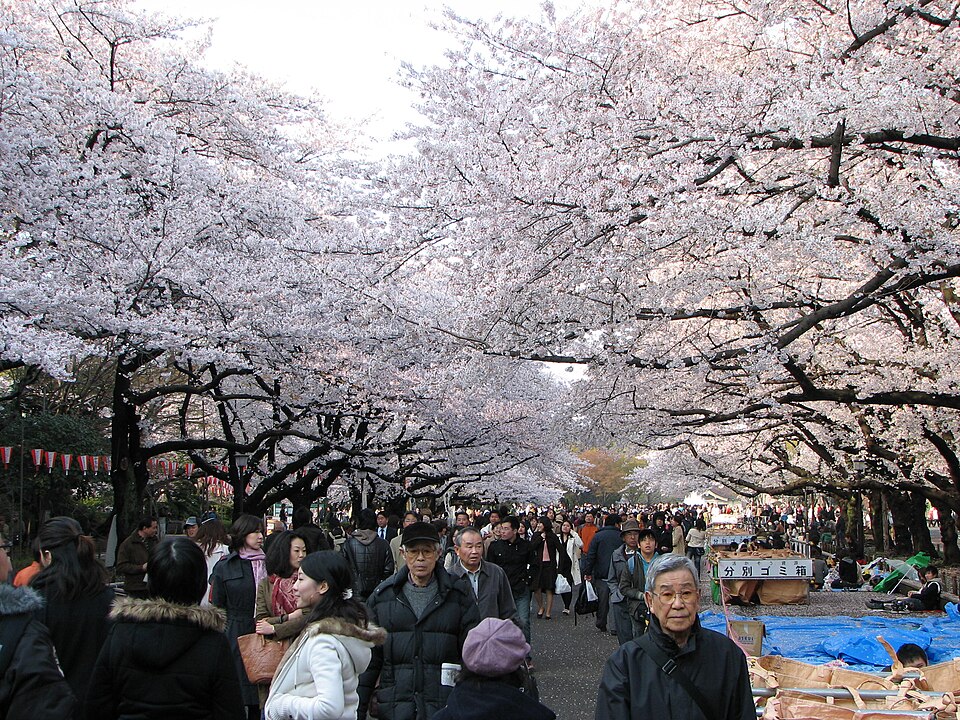
A wood-floored, seven-decade-old okonomiyaki spot in Asakusa where you grill your own at the table.
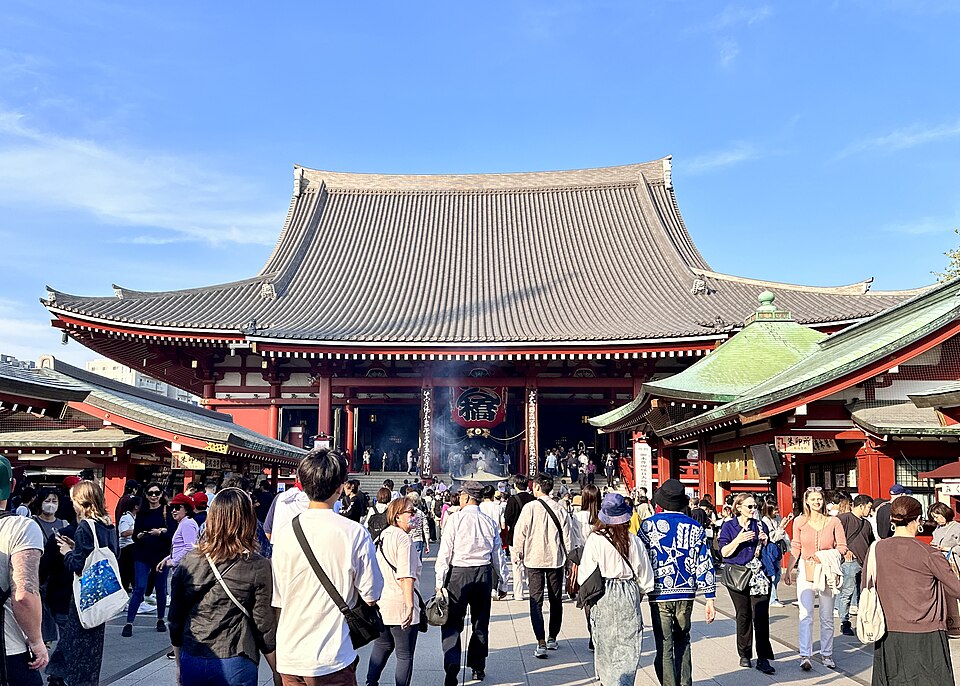
The main hall and five-story pagoda stay lit after dark, and the crowds thin to almost nothing.
Crisp pork loin served under the bones of a 1930s sento, the meal that matches the theme.
Order by the piece at the counter, no reservations, no ceremony, all fish.
A wood-floored room, a hot plate in the table, and seven decades of practice around you.
Tokyo's mid-century coffee rooms are interiors worth a pilgrimage in themselves, all dark wood and siphon glassware. The plan has no slot for one, ask Robin to fold in a Ginza or Jinbocho classic and it will.
No. This is a metro-and-walking plan, and the walks are the point, Omotesando, Ginza and Yanaka are best read at footpace.
teamLab Planets sells timed tickets and evenings go first, book before you fly. Narukiyo takes bookings and needs them, it is unmarked and locals fill it. Museum tickets are otherwise walk-up, though checking 21_21's current exhibition is worth a minute.
Both, deliberately. Nezu is Kuma at his best, 21_21 is Ando in folded steel, SCAI keeps its bathhouse bones, and the Tokyo National Museum's rewards here are the Kuma-renovated Hyokeikan wing and Kuroda Hall as much as the collection.
It can be, you still touch Meiji Jingu and Senso-ji, but at the edges of the day rather than its center. For the full famous-Tokyo sweep, the first-visit plan covers what this one deliberately reads past.
Add Shibuya's newer skyline and the Setagaya side: the Japan Folk Crafts Museum's timber halls and a walk through Daikanyama's T-Site, then dinner back in Ebisu.
Le Corbusier's National Museum of Western Art, a UNESCO-listed building, plus Taniguchi's Gallery of Horyuji Treasures, the two calmest great rooms in the city, with Shinobazu Pond between them.
Yoyogi National Gymnasium's swooping roofs, the cathedral of St. Mary in Bunkyo, and the Metropolitan Government towers at dusk, the postwar trilogy that made Tokyo a modernist capital.
This trip was built for a typical first visit. You aren't typical. Find your loves, your budget, and your perfect Tokyo adventure by building on this trip with Hey Robin.
Finish this itinerary FREE at Hey Robin →


