09:00–10:15
1Senso-ji & Nakamise-dori Sight
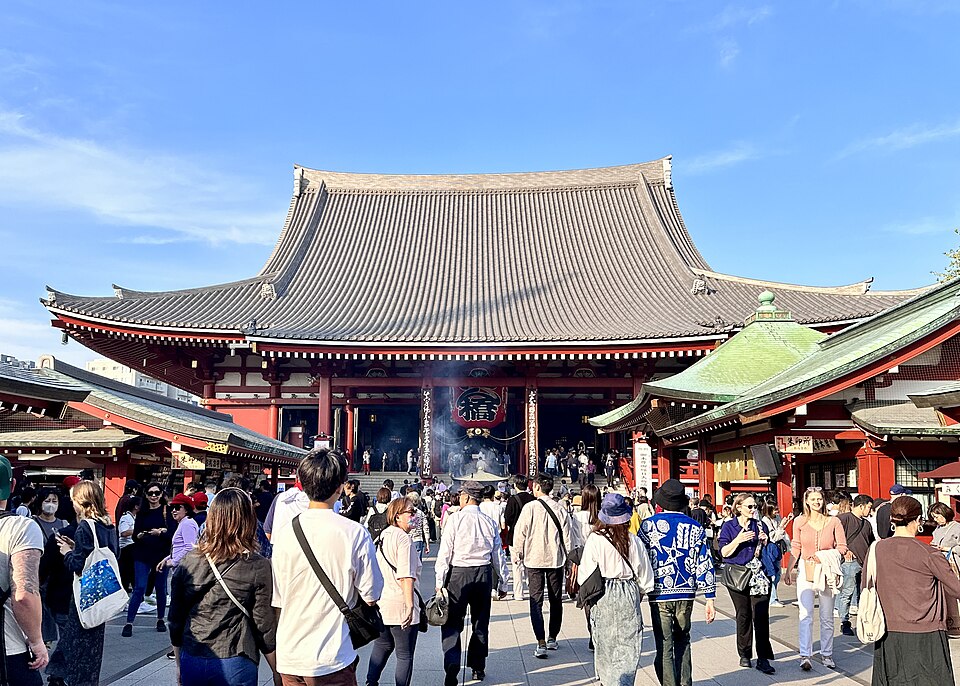
Tokyo's oldest temple; arrive by 9 to beat the tour buses and still catch the incense-lit main hall quiet.
2-3-1 Asakusa, Taito City, Tokyo
Tokyo does not have a center, so this plan gives each of five days a neighborhood and lets the city change character daily: incense and soba in old Asakusa, the fish market and Ginza's polish, the Meiji shrine forest into Harajuku's noise and Shibuya's scramble, then a slower day among Yanaka's wooden lanes and a farewell of contemporary art in Roppongi. It is built for early April, when the last cherry blossoms are still drifting through Ueno Park, and it runs entirely on trains, feet and one very good bathhouse.
 Planned by Robin
5 days · 28 stops
Planned by Robin
5 days · 28 stops
Tokyo's oldest temple; arrive by 9 to beat the tour buses and still catch the incense-lit main hall quiet.
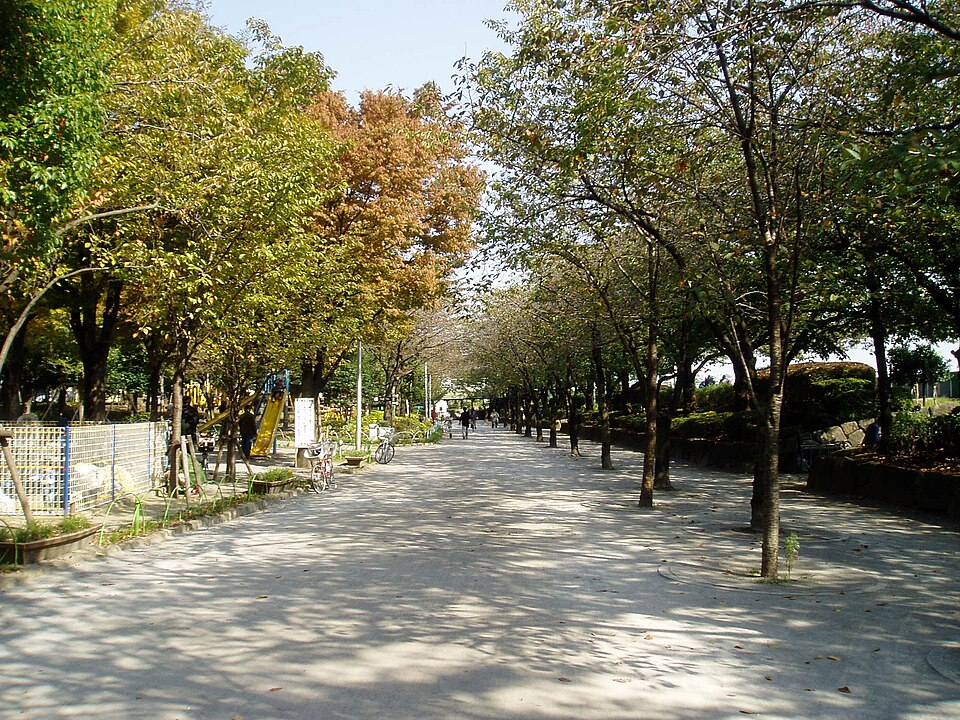
Stroll the riverside path with the Skytree growing larger ahead, best photo angle is from Azuma Bridge.
Century-old soba house near Senso-ji, famous for its dark, smoky broth.
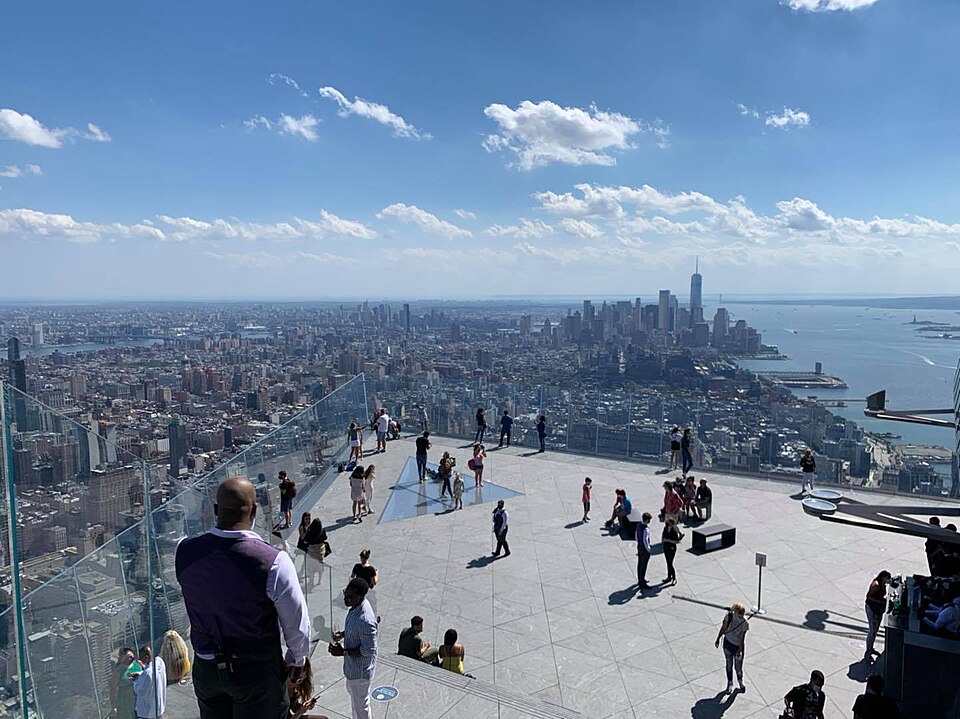
Go up for the Tenbo Deck view across the whole city and, on clear days, Mt. Fuji to the west.
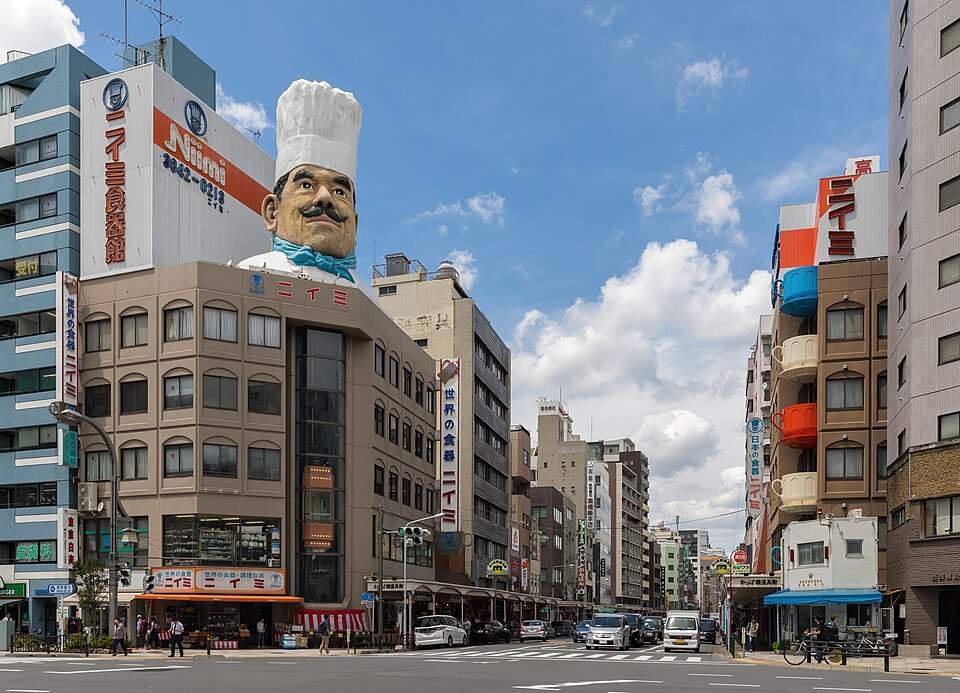
A street of restaurant-supply shops selling the plastic food models and knives locals actually use, a real trade district, not a tourist market.
Long-running sukiyaki house near the temple, a warm sit-down close to a big first day.
Wander the lanes for grilled skewers and tamagoyaki while stalls are freshest, before the day-trip crowds arrive.
Legendary sushi counter, arrive right at opening, the queue moves but the omakase is worth the wait.
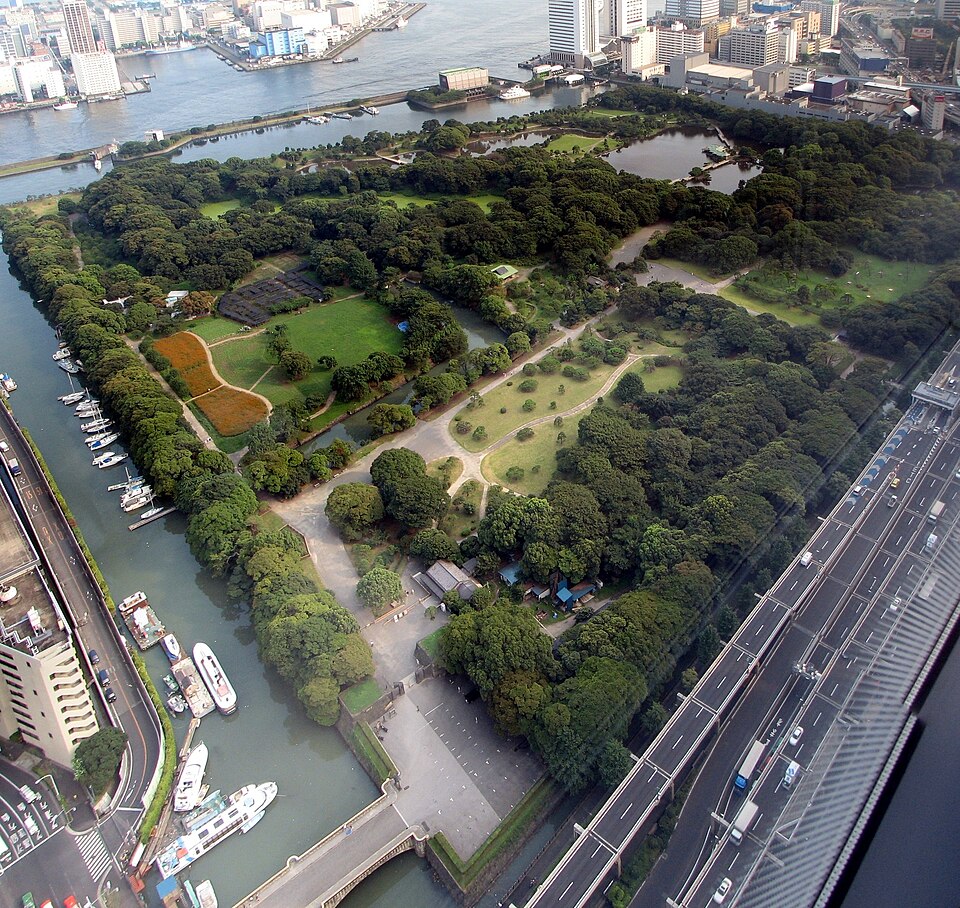
A tidal seawater garden with a teahouse island, the modern skyline framing an Edo-era pond is unique to this spot.
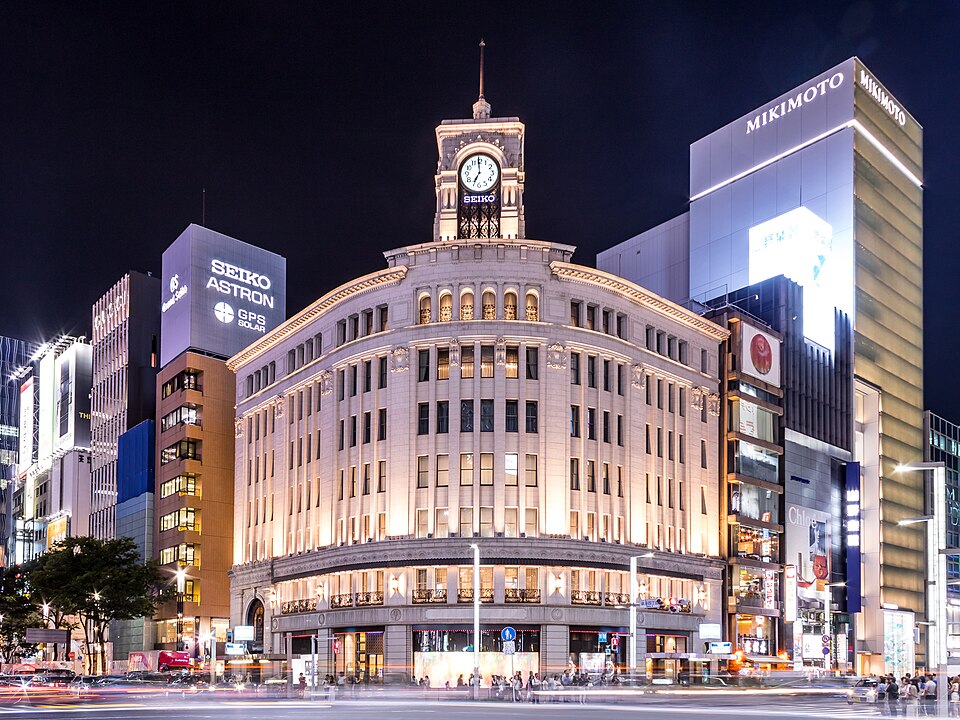
Window-shop the flagship stores and step into a rooftop gallery or two. Ginza Six's top floor often has free contemporary art shows.
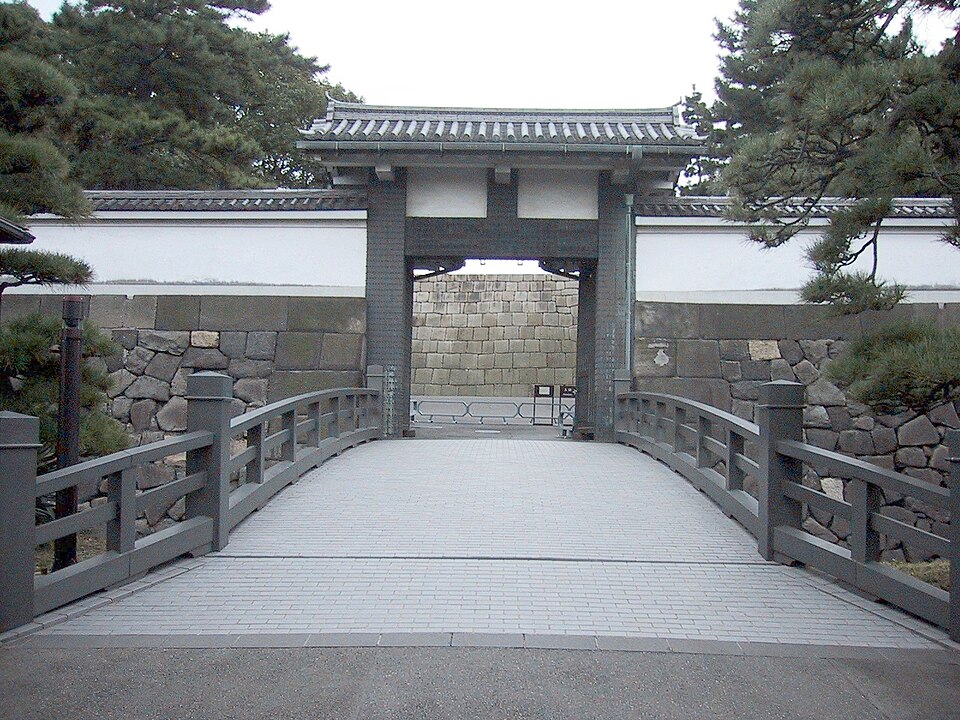
Free public gardens on the old castle grounds, quiet stone walls and moats a short walk from the palace itself.
Old-school Ginza tempura counter, crisp and light, a fitting close to a Ginza afternoon.
Walk in through the towering torii and the forest quiets the city almost instantly, best in the early hours before tour groups.
Tokyo's teenage-fashion epicentre, loud, fun, and a real contrast to the shrine forest you just left.
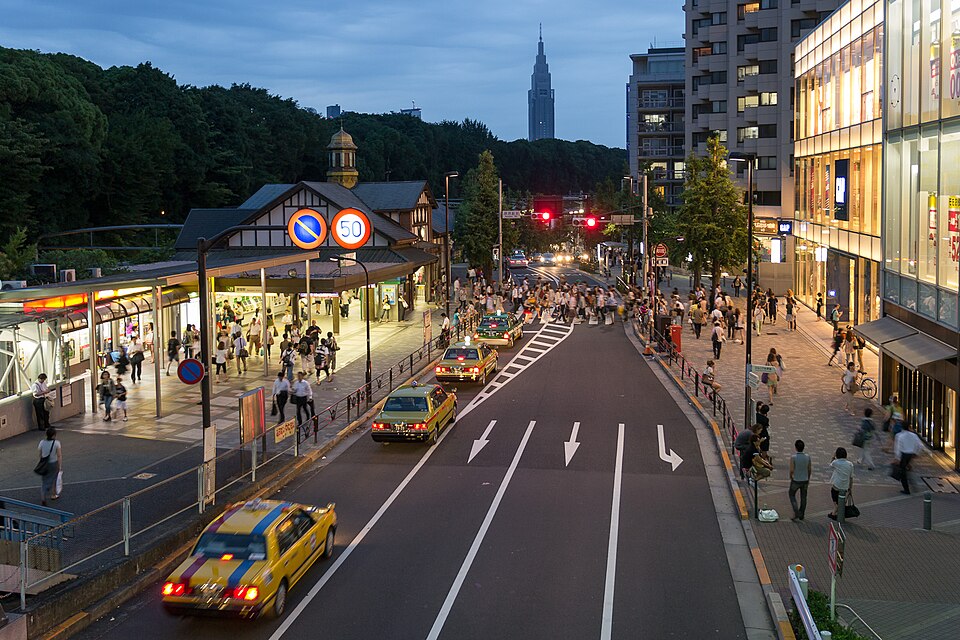
Cult favourite tsukemen (dipping ramen) shop near Shinjuku, the dashi broth is blended with fish and pork stock.
Watch it once from street level, then again from the Starbucks window above for the full choreography of it.
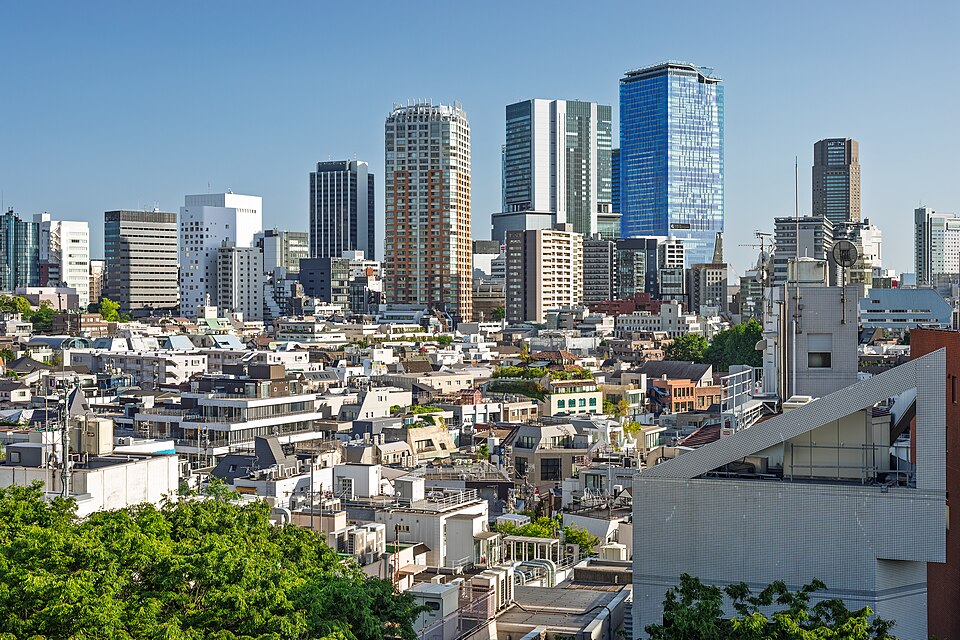
Open-air rooftop deck, time it for sunset so the crossing lights up just as the sky turns.
Fast, fun conveyor-belt sushi with bullet-train delivery, a lighter, playful dinner after a big day.
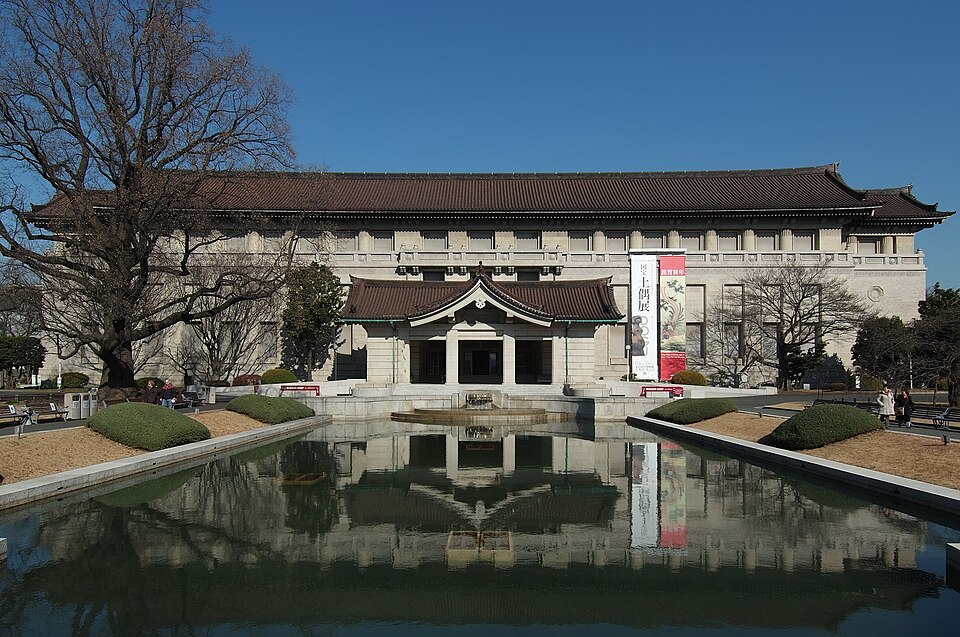
Japan's largest collection of art and antiquities, the Honkan building's samurai armor and ukiyo-e rooms are the ones to prioritize.
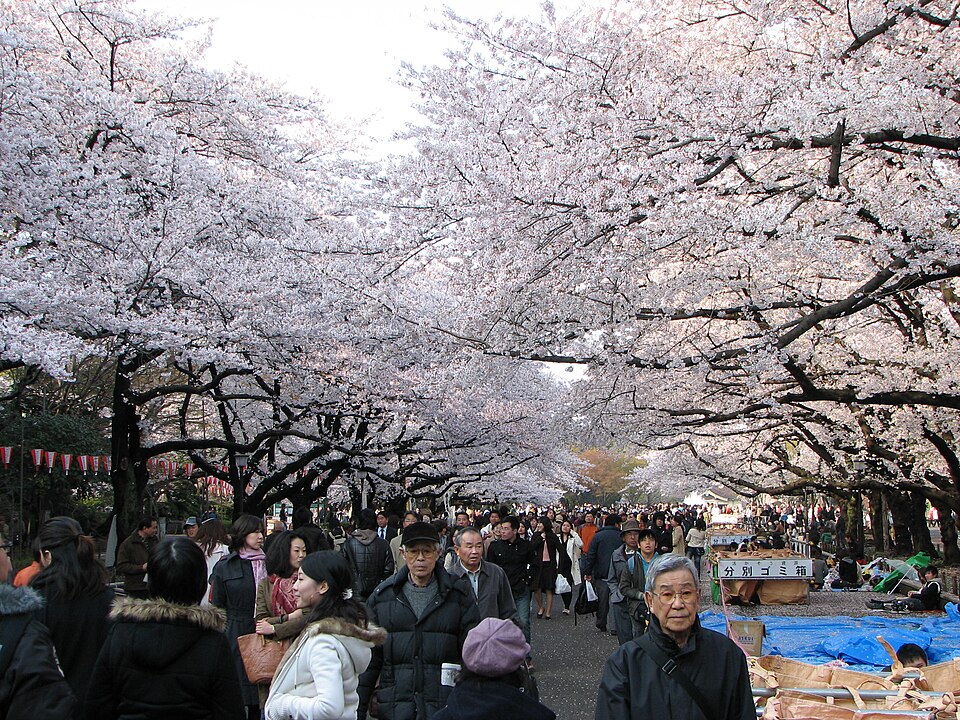
Cherry-blossom season crowds thin by midday, walk past Shinobazu Pond and its lotus-covered shrine island.
Reopened 1930s coffeehouse on the edge of Yanaka, sandwiches and a look at old Tokyo woodwork.
One of the few districts to survive both the 1923 earthquake and WWII bombing, cats, incense shops, and a real neighbourhood feel.
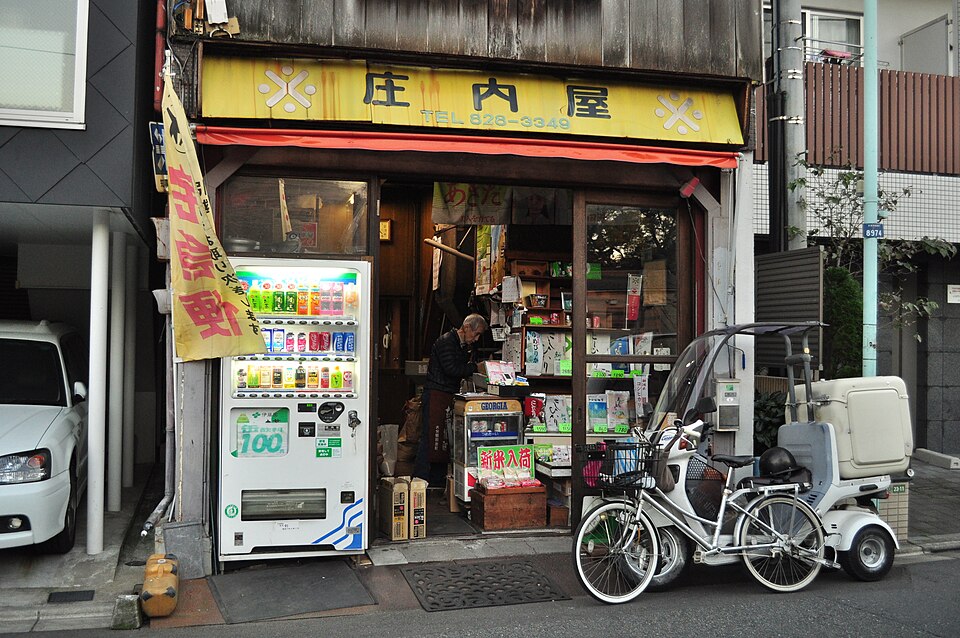
A genuine neighbourhood bathhouse with a black hot-spring-style bath, soak the way Yanaka locals actually do.
Casual grilled-skewer izakaya on Yanaka's main lane, a relaxed close to the neighbourhood day.
Famous tonkatsu set in a converted 1930s bathhouse building near Omotesando, the black-pork option is the one to get.
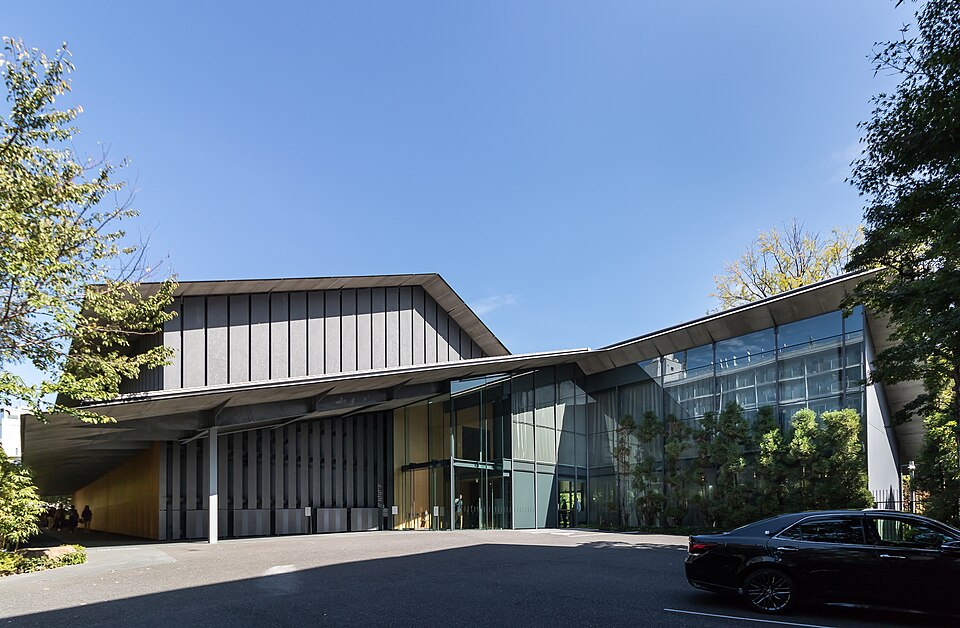
A quiet private collection of East Asian art wrapped around a stroll garden with a teahouse and stream.
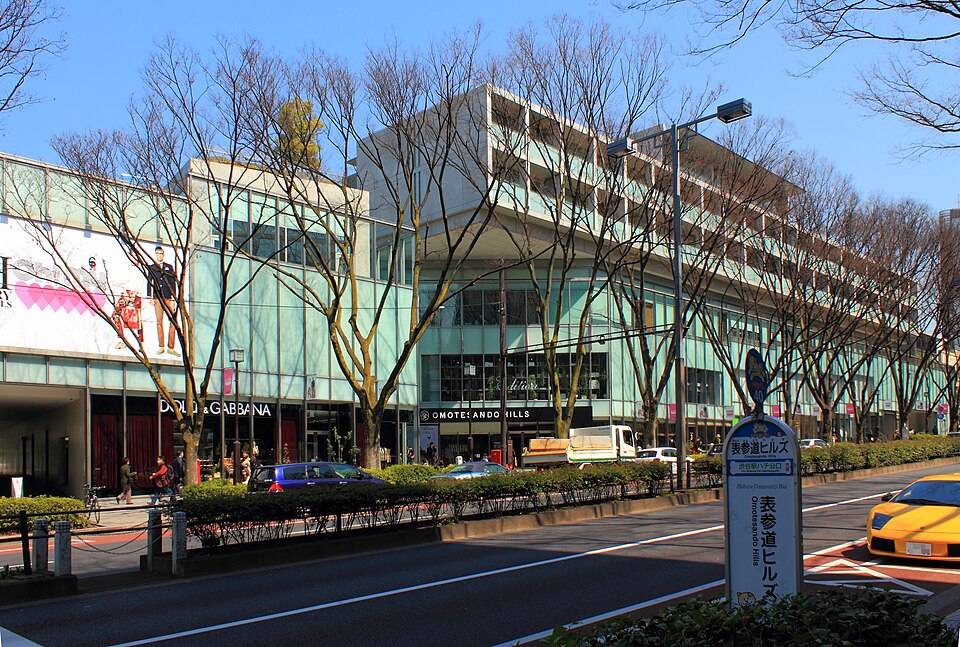
A last unhurried wander down Tokyo's grandest avenue before heading back, architecture-watching along the way.
The chef chooses, piece by piece, at a counter a few meters from where the fish was sold that morning: the definitive market meal.
Thin-sliced beef simmered tableside in sweet soy, dipped in raw egg, at a house that has been doing it for over a century.
Cold noodles dunked into an intense hot broth, the queue-worthy cult version thickened with fish powder.
The basement food halls of the big department stores: bento, wagashi sweets and perfect fruit as theater. The plan leaves it unscheduled, ask Robin to fold one into your Ginza afternoon.
No, emphatically. The metro and JR lines reach everything in this plan faster than any car could; get a Suica or Pasmo card on arrival and tap through the whole trip.
Shibuya Sky's sunset slots sell out days ahead, book online. The Ghibli Museum, if you swap it in, sells out the moment monthly tickets release. Most restaurants here queue rather than book; Asakusa Imahan is the one dinner worth reserving.
From Narita, the Narita Express or Skyliner reach the city in under an hour; from Haneda, the monorail or Keikyu line does it in half that. Both connect straight into the loops this plan rides.
Five days covers five real neighborhoods without the death-march feeling, which is the honest maximum most first trips manage. What it does not cover is day trips, Kamakura, Nikko, Hakone each want a day of their own.
Tokyo queues are orderly, fast-moving and usually worth it. Solo diners and pairs get seated fastest at counters; put your name on tablet lists where offered, and never try to hold a table before ordering.
Asakusa, the market and the Meiji-to-Shibuya arc are the spine of a first visit; they hold up as a complete short trip on their own.
Day 4's old lanes, museum and bathhouse show you the Tokyo that survived the century, a better single addition than more skyline.
Resist folding Skytree and Shibuya Sky into one trip at three days, one tower view is plenty, and ask Robin to rebalance the evenings around it.
An hour south: the Great Buddha, hillside temples and a surf-town beach, the easiest great day trip in the region.
Choose ornate shrine forests and waterfalls at Nikko, or hot-spring baths with Fuji views around Hakone, both about two hours out and worth the whole day.
A week in Tokyo needs one unplanned night, pick the neighborhood that surprised you most and just go back.
This trip was built for a typical first visit. You aren't typical. Find your loves, your budget, and your perfect Tokyo adventure by building on this trip with Hey Robin.
Finish this itinerary FREE at Hey Robin →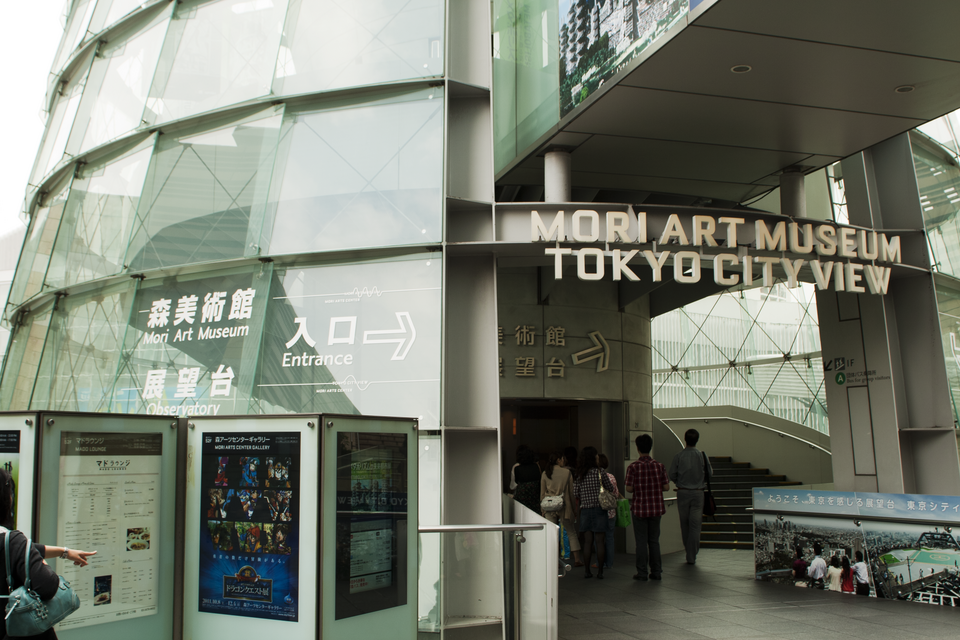


_Tokyo_Japan.jpg)


