09:00–09:40
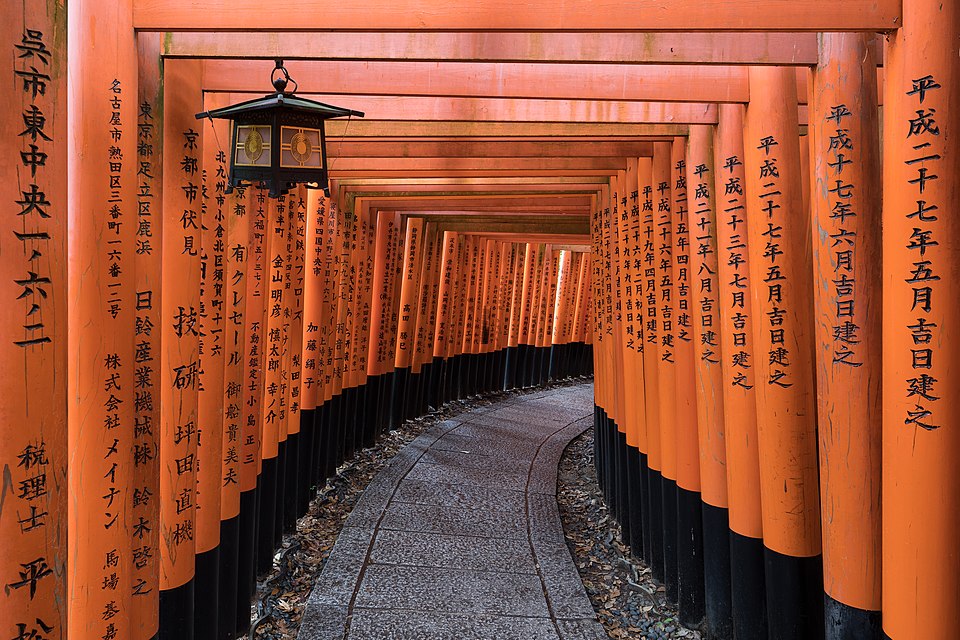
1Fushimi Inari Taisha Sight
Climb past the first few hundred torii gates for the classic tunnel shot, then push on to the quieter upper paths where crowds thin fast.

68 Fukakusa Yabunouchicho, Fushimi Ward, Kyoto
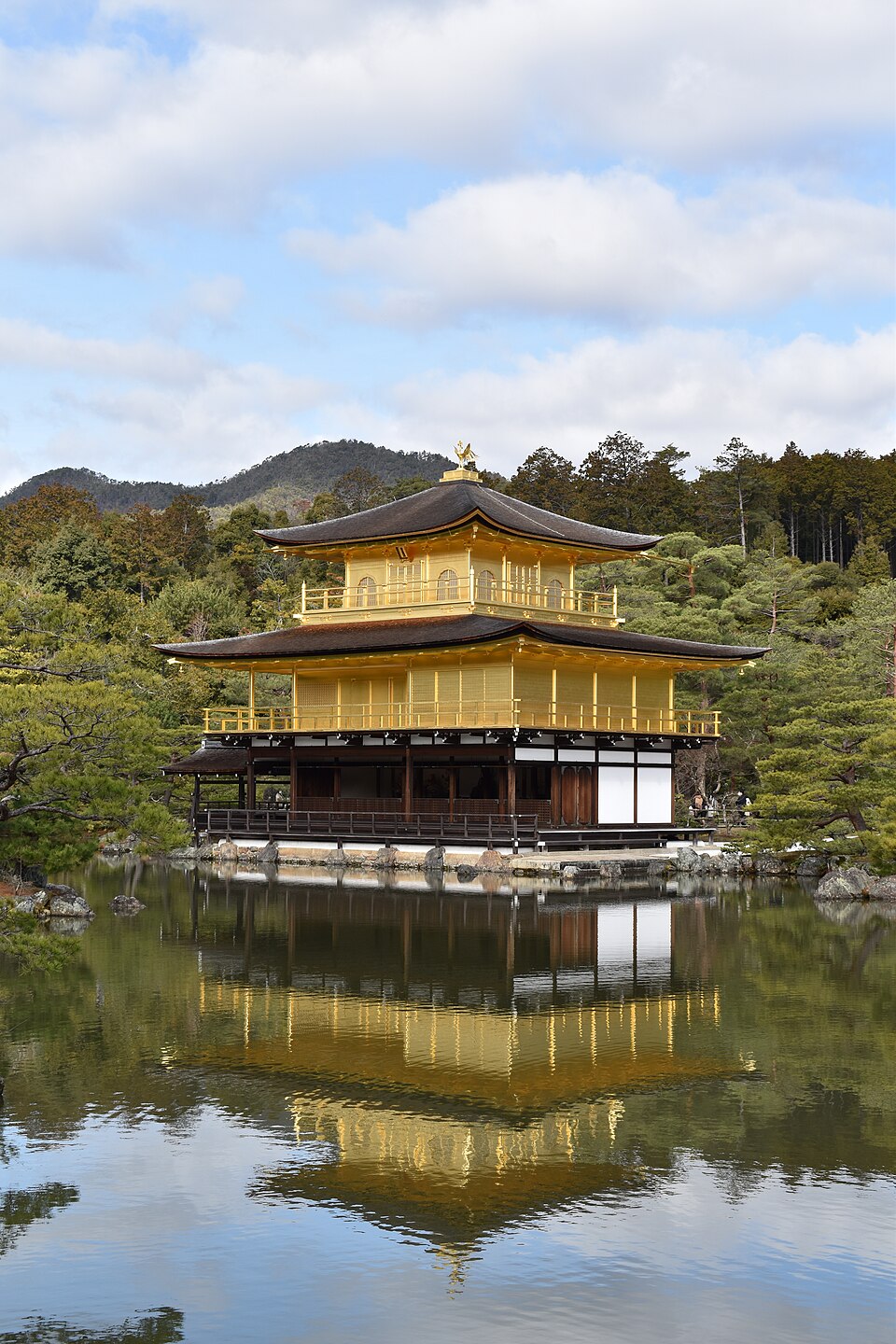
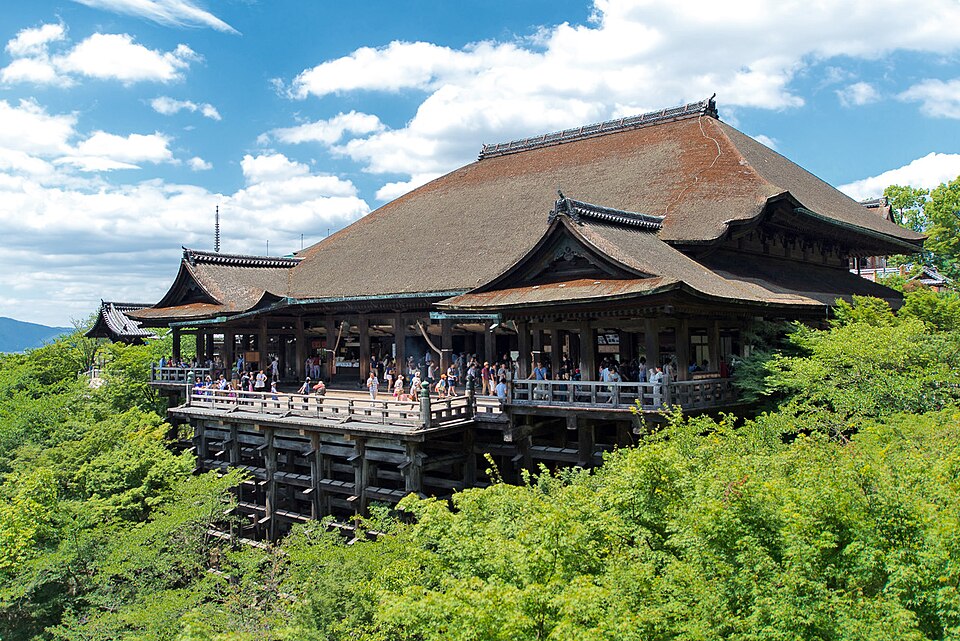
Three days in Kyoto in mid-November is the trip this city was built for: Fushimi Inari's vermilion gates before the tour groups, Tofukuji's maples at their reddest, the Arashiyama bamboo grove in opening light and the Golden Pavilion doubled in its pond. The plan runs east one day, west the next, and saves Kiyomizu-dera's wooden stage and the preserved lanes below it for the finale, with saba-zushi, burnt-miso ramen and soba from a kitchen that has been serving it since 1465 in between.
 Planned by Robin
3 days · 18 stops
Planned by Robin
3 days · 18 stops
Climb past the first few hundred torii gates for the classic tunnel shot, then push on to the quieter upper paths where crowds thin fast.
One of Kyoto's great maple-viewing temples; the Tsutenkyo bridge view over the gorge is the one to linger on.
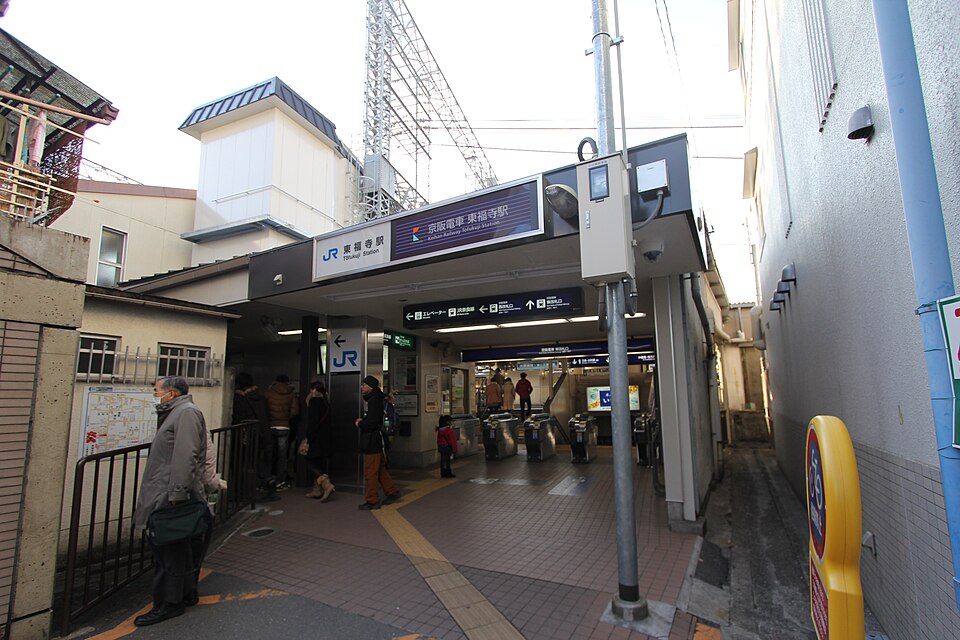
Century-old sushi shop famous for saba-zushi (pressed mackerel sushi), a genuine Kyoto specialty rather than a tourist stand-in.
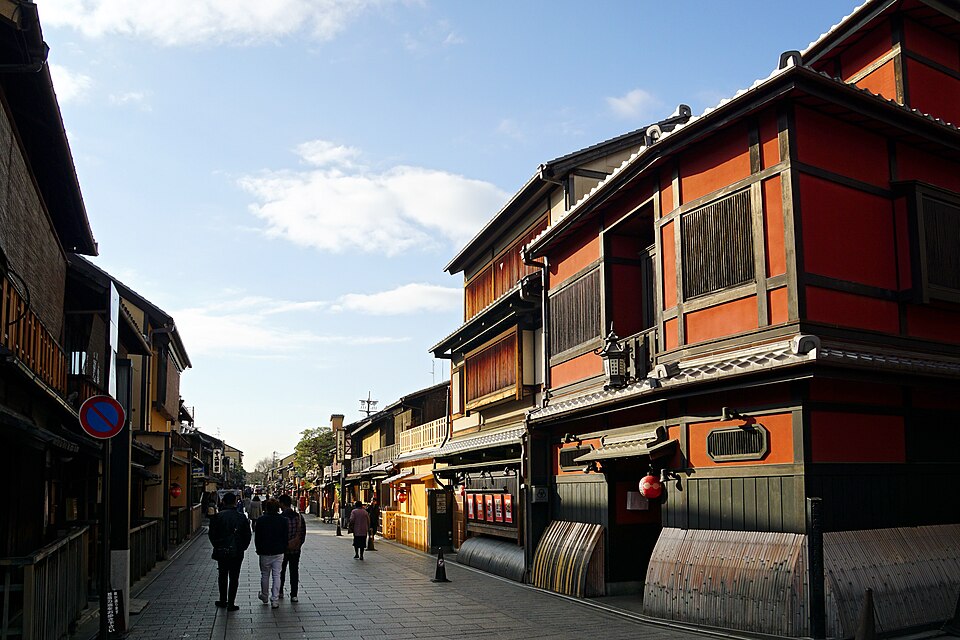
Wander the machiya-lined lanes of Hanamikoji and Shirakawa canal, where you might spot a geiko heading to an appointment near dusk.
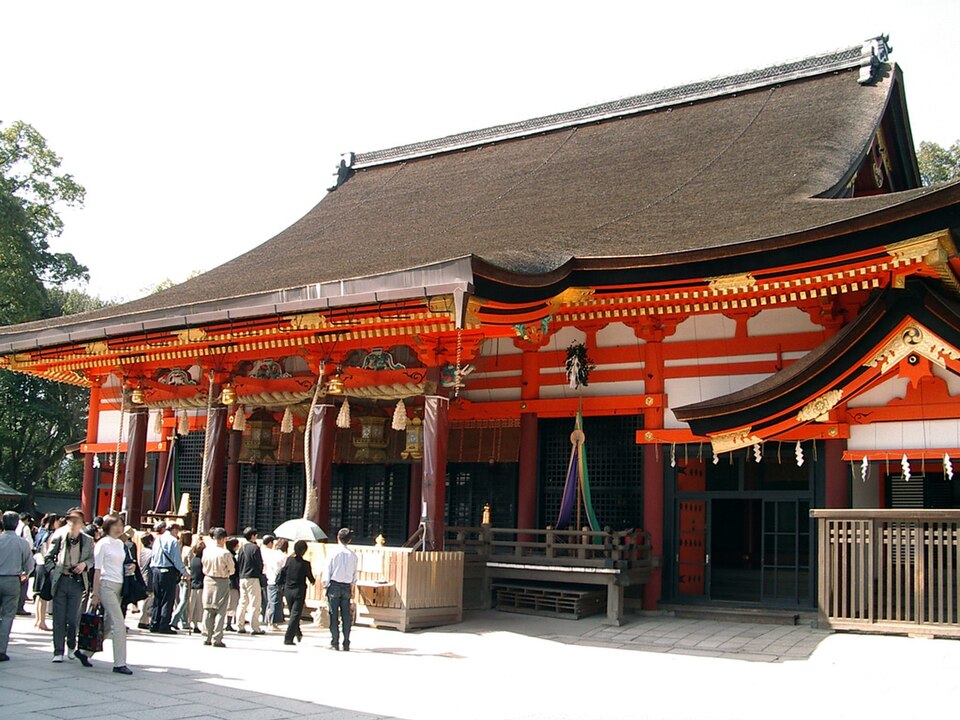
The park's famous weeping cherry is bare in November, but the lantern-lit paths and shrine's vermilion gate glow beautifully as light fades.
Try the signature 'kogashi' burnt-miso ramen, a smoky, unusual Kyoto twist on the noodle bowl.
Arrive right at opening light to have the towering green corridor nearly to yourselves before the day-trip crowds arrive.
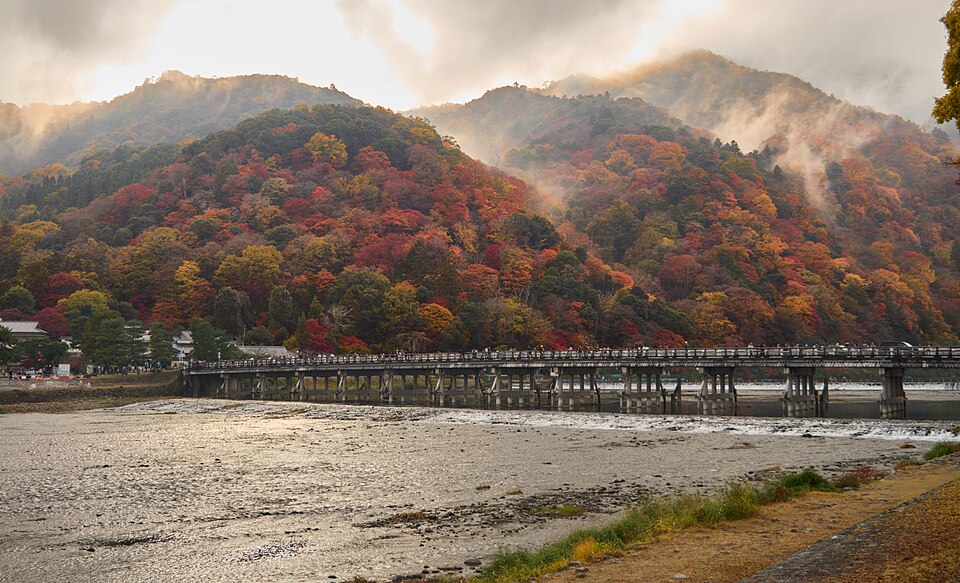
A UNESCO Zen garden built around a pond that borrows the Arashiyama hills as living backdrop, the strolling path circles it slowly.
Pick up onigiri and mochi at Nakamuraya near Tenryuji's gate, then eat on the banks of the Hozugawa with the Togetsukyo bridge in view.
The gold-leaf pavilion mirrored in its pond is best seen from the far side of the lake path, where reflections are sharpest on a still afternoon.
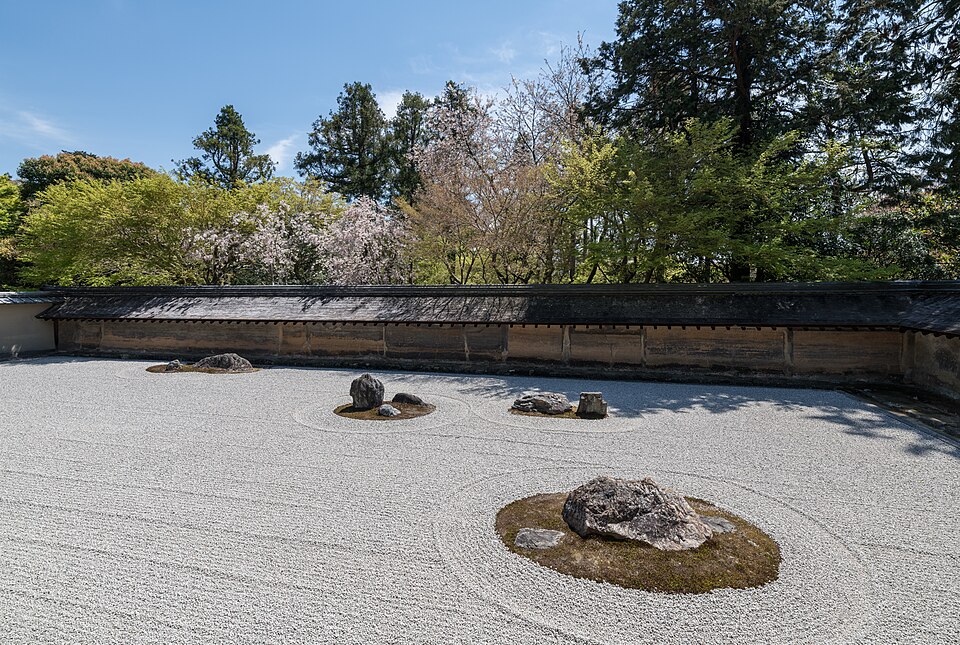
Sit on the temple veranda and count the fifteen stones, famously, no vantage point lets you see all fifteen at once.
Kyoto's oldest soba house, serving noodles since 1465, the nishin soba (herring soba) is the dish to order.
Reach the wooden stage early for open views over the maples before tour groups fill the platform.
These stone-stepped streets of preserved machiya houses lead gently downhill from Kiyomizu, a genuine slice of old Kyoto street life.
Kyoto's 'kitchen', graze the stalls for yuba, tsukemono pickles and grilled skewers, a proper local-life lunch on foot.
Walk the 'nightingale floors' built to chirp under footsteps, a shogun's security trick still audible today.
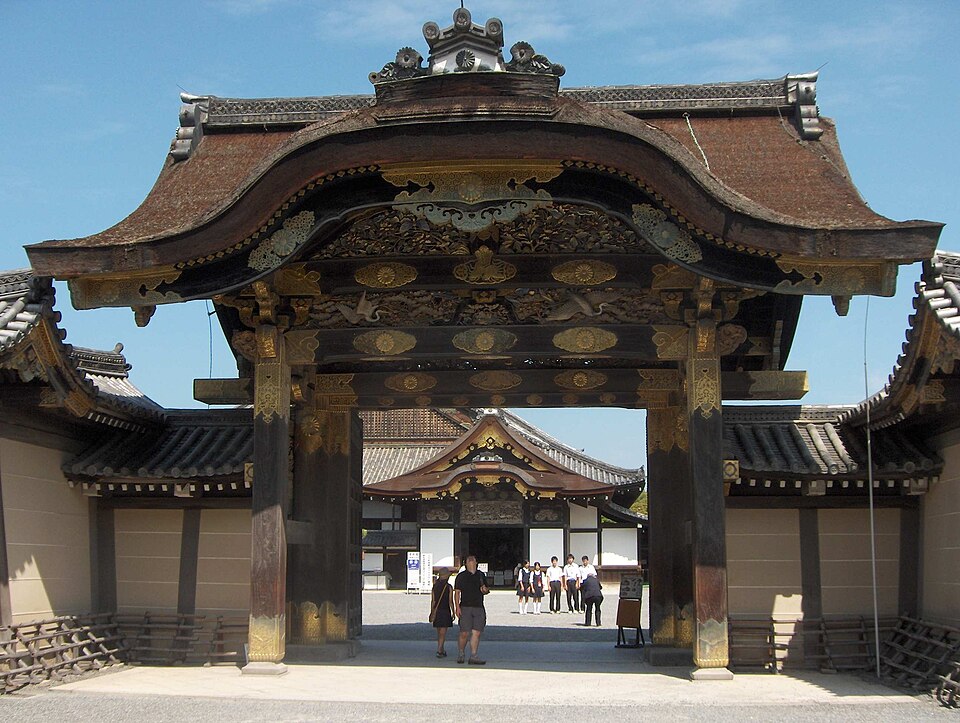
Stroll the riverside path near Sanjo/Shijo where locals sit along the banks at dusk, the classic Kyoto evening ritual.
A relaxed farewell dinner of unagi (grilled eel) over rice, a Kyoto comfort classic to close the trip.
Kyoto's inland answer to sushi: cured mackerel pressed over rice, a preservation craft from before refrigeration, still made by century-old specialists.
Serving since 1465, originally to the imperial court and temple monks: the nishin soba, topped with sweet-simmered herring, is the house classic.
Yuba, tsukemono pickles, grilled skewers and matcha everything along a five-block covered arcade that has fed the city for centuries.
Kyoto's refined multi-course tradition, or its humble tofu-simmered-at-the-table cousin in a garden setting. This plan eats more casually, ask Robin to trade a dinner up if it is a priority.
No. The JR line drops you at Fushimi Inari's gate, buses and taxis cover the western temples, and the whole eastern day is on foot. Temple parking is scarce and the lanes were built for geta, not cars.
Less than you would think: the big shrines and temples here are walk-up. Book dinner at Honke Owariya and any kaiseki ambitions a few days out, and in peak leaf season reserve your hotel far earlier than feels reasonable.
From Kansai airport, the Haruka express runs direct to Kyoto Station in about 75 minutes. From Tokyo, the shinkansen takes just over two hours; either way you arrive at the station this plan's buses and trains radiate from.
For the icons of east and west plus real market and river time, yes, at a humane pace. What it leaves out is the quiet tier, Ohara's villages, Kurama's hillside temple, the moss and sand gardens of the northwest, which is what a fourth and fifth day are for.
Real, but they sleep in. This plan's opening-time starts are the whole strategy: by 10:30 the famous spots belong to the tour buses, by which time you are already two sights ahead.
Give Arashiyama the whole day it deserves, adding the Okochi Sanso garden and the riverbank at dusk, and move Kinkaku-ji and Ryoan-ji to their own unhurried morning.
Forty-five minutes by train: the Great Buddha in the world's largest wooden hall, bowing deer in the park, and the lantern paths of Kasuga Taisha, back in Kyoto for dinner.
Choose your mountain morning: Ohara's Sanzen-in gardens in the northern hills, or the hike over from Kurama's temple to the riverside dining platforms of Kibune.
This trip was built for a typical first visit. You aren't typical. Find your loves, your budget, and your perfect Kyoto adventure by building on this trip with Hey Robin.
Finish this itinerary FREE at Hey Robin →


