09:00–09:30
1Tsukiji Outer Market Eat
Graze the narrow lanes for tamagoyaki and grilled skewers, arrive before 10 to beat the tour buses.
Three days of eating Tokyo, planned so every sight earns its place between meals: Tsukiji's outer market lanes before the tour buses, cold tsukemen at Fuunji, chicken sukiyaki at Tamahide where oyakodon was invented, and a last supper of Edo-style tempura at a century-old Asakusa counter. Day 3 slows down on purpose, you shape nigiri with your own hands in the morning and let Yanaka's shitamachi lanes walk it off. The famous skyline gets exactly one appearance; the rest of the trip is appetite management.
 Planned by Robin
3 days · 16 stops
Planned by Robin
3 days · 16 stops
Graze the narrow lanes for tamagoyaki and grilled skewers, arrive before 10 to beat the tour buses.
Sip matcha at the Nakajima-no-Ochaya teahouse on its pond island, a real Edo-era ritual, not a recreation.
The Suijo Bus water bus glides you upriver past bridges into Asakusa, buy tickets at the Hamarikyu pier, roughly ¥1,200.
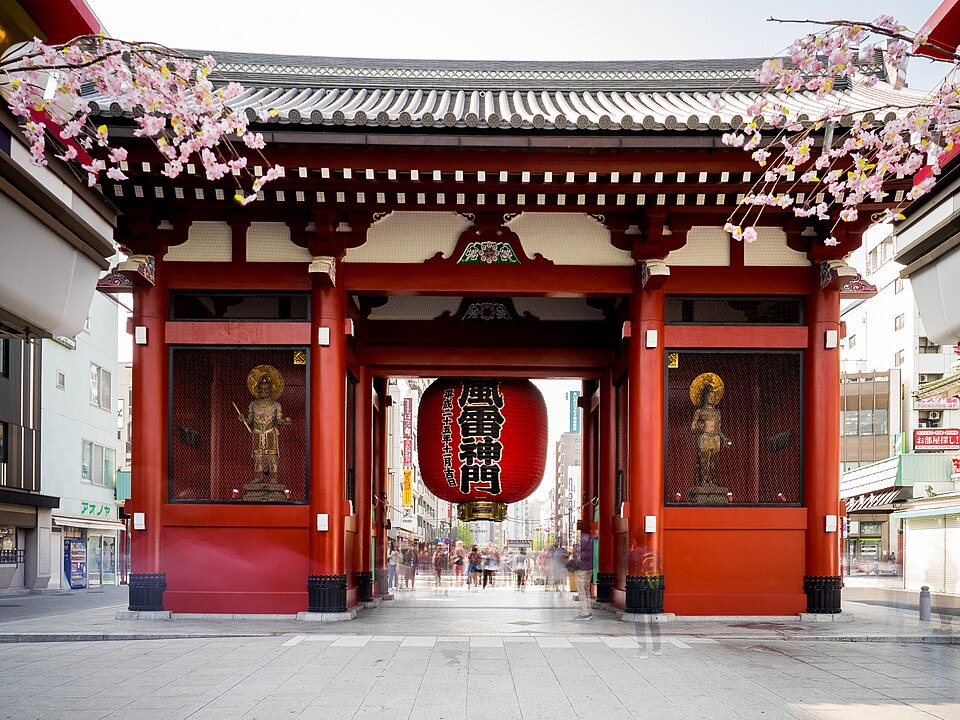
Walk Nakamise-dori to Senso-ji's Kaminarimon gate, then loop the quieter backstreets east of the temple.
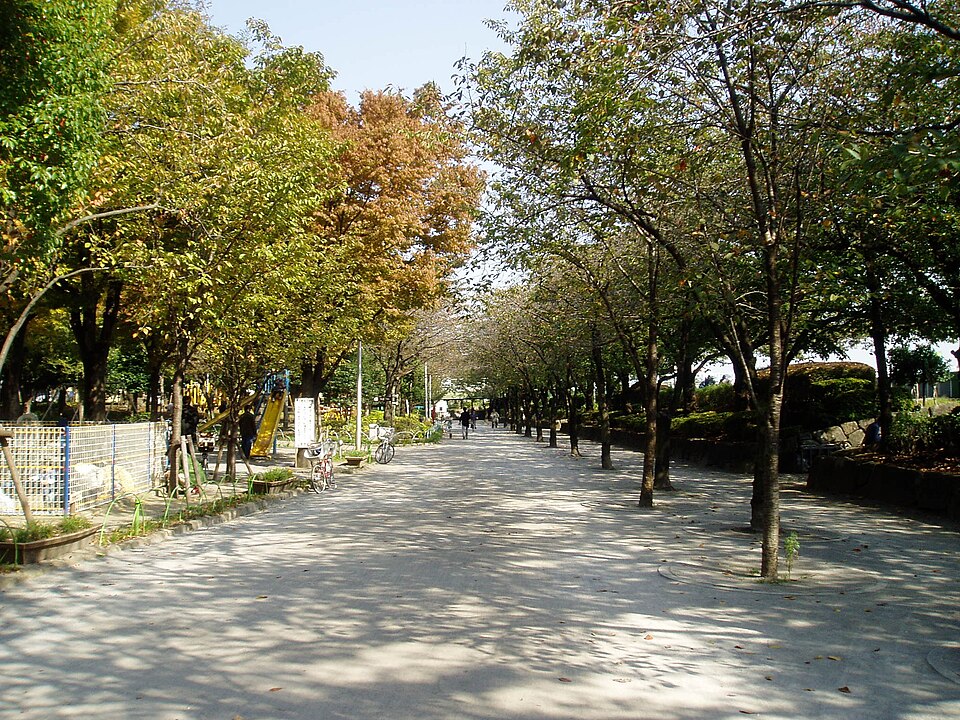
April means the cherry trees along the river are at their peak here, a proper golden-hour stroll before dinner.
Chicken sukiyaki (oyakodon's birthplace) at a restaurant run by the same family since 1760.
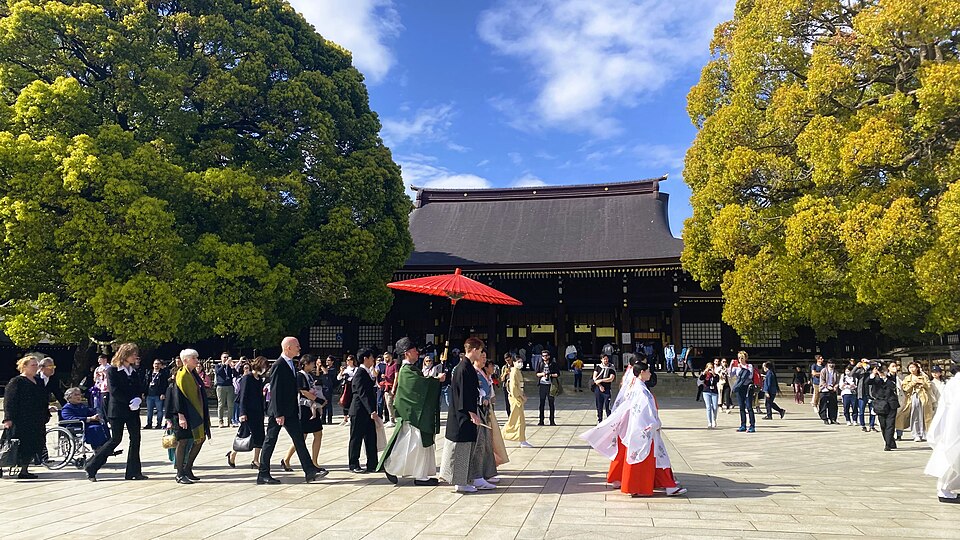
Walk the gravel approach through the forest to the shrine, arrive early for the quiet before the crowds.
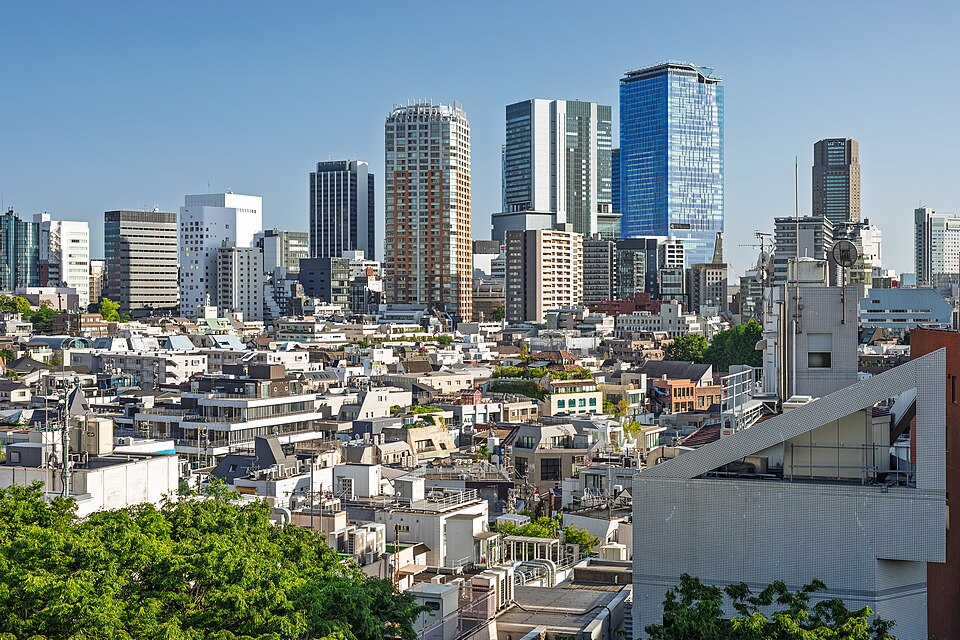
Harajuku's youth-culture chaos on one side, Omotesando's tree-lined architecture boutiques on the other.
Cold tsukemen dipping noodles, queue early, it's routinely called Tokyo's best ramen shop.
Ride to the rooftop deck for an open-air 360° view, go for the 16:30-17:00 slot to catch dusk settling over the crossing below.
The two-story timber izakaya said to have inspired Kill Bill's restaurant scene, order the yakitori skewers.
Hands-on class where you shape nigiri yourself under a real chef's eye, in a small home-kitchen studio near Asakusa.
Handmade buckwheat soba in a garden-courtyard house that's served it since the Meiji era.
One of the few Tokyo districts to survive the war and 1923 quake intact, a shopping-street shitamachi feel found almost nowhere else in the city.
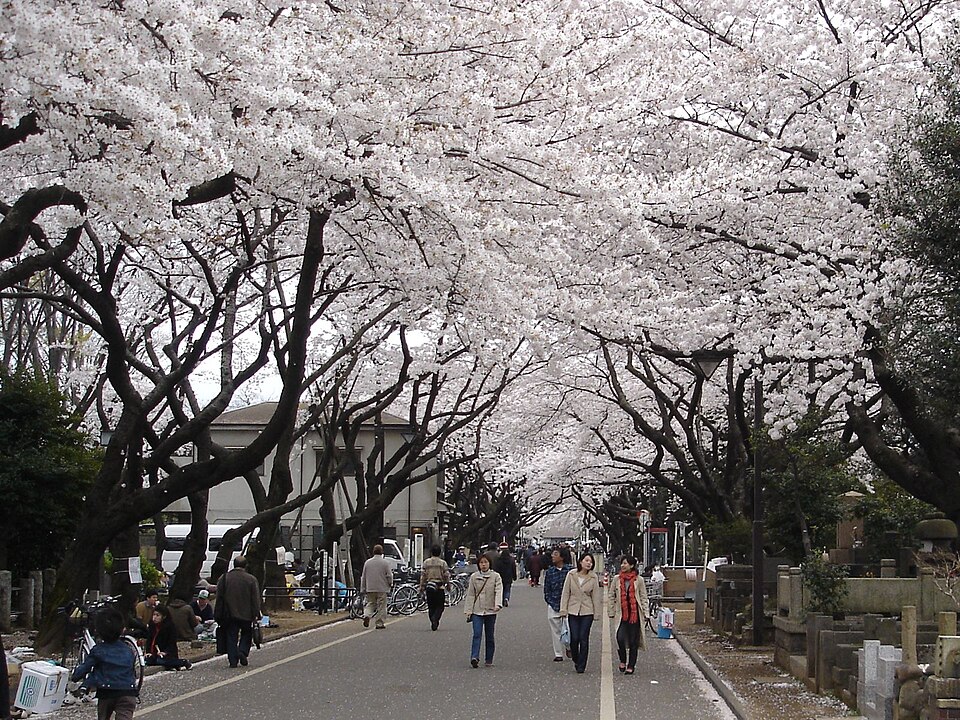
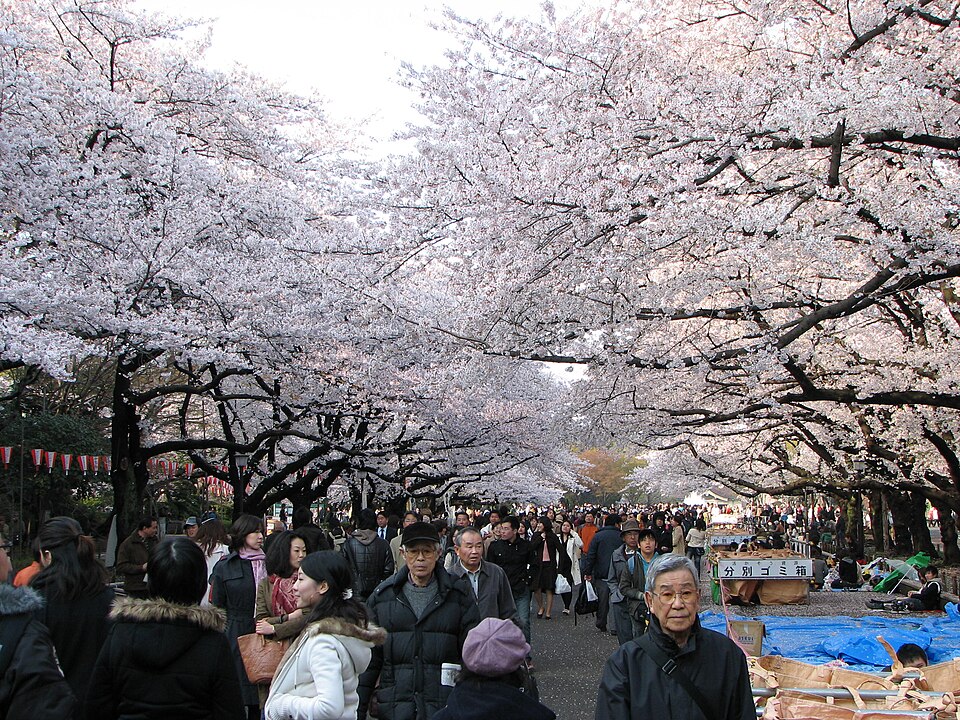
The cherry-lined main path glows warm-pink in late light, a quieter, closing counterpart to Sumida Park's crowds.
Edo-style tempura fried in sesame oil, at a century-old shop near Asakusa, a fitting last supper.
Tamagoyaki, grilled seafood skewers and strong coffee eaten standing in the outer-market lanes.
Thick cold noodles dipped into an intense hot broth, a different animal from soup ramen.
Buckwheat noodles and sesame-oil tempura from houses that predate electric light.
Department-store basements stacked with wagashi, bento and thousand-yen strawberries. The one great Tokyo food ritual this plan could not fit, ask Robin to slot one in and it will.
No. The metro covers everything, day 1 even swaps a train for the Sumida river boat, and parking would only separate you from the eating.
The sushi-making class needs advance booking, small studios fill a week or more out. Tamahide and Gonpachi take reservations and reward them. Everything else on the plan is walk-up, queues included.
Fuunji and the great ramen counters move faster than they look, twenty to forty minutes at peak. Go at open or mid-afternoon to halve it. Queueing solo is normal, and there is no shame in a konbini snack beforehand.
A depachika department-store food hall, the great basement spectacle of Japanese food retail. There was no honest slot for one, so ask Robin to fold in Isetan or Mitsukoshi's basement if you have a spare hour near Shinjuku or Nihonbashi.
It works as one if eating is your priority: you still get Senso-ji, Meiji Jingu and the skyline. For the museum-and-palace version of Tokyo, pair it with the first-visit plan across five or more days.
Give the shrine-and-Harajuku morning its own relaxed day ending in Shibuya, and move Fuunji to a dedicated ramen day that adds a second bowl style, shoyu or miso, for comparison. Queues stop dictating your schedule.
Toyosu's tuna auction viewing deck at dawn for the spectacle, then back to Tsukiji for the eating, the two halves of the old market's story in one morning.
The great department-store basements, a taiyaki stand, and the old shitamachi confectioners around Ningyocho, ending with a proper sushi counter dinner Robin can book to your budget.
This trip was built for a typical first visit. You aren't typical. Find your loves, your budget, and your perfect Tokyo adventure by building on this trip with Hey Robin.
Finish this itinerary FREE at Hey Robin →.jpg)


