09:00–10:30
1Osaka Castle Sight
Climb the reconstructed keep for views over the moat and park; go early before tour buses arrive at 10.
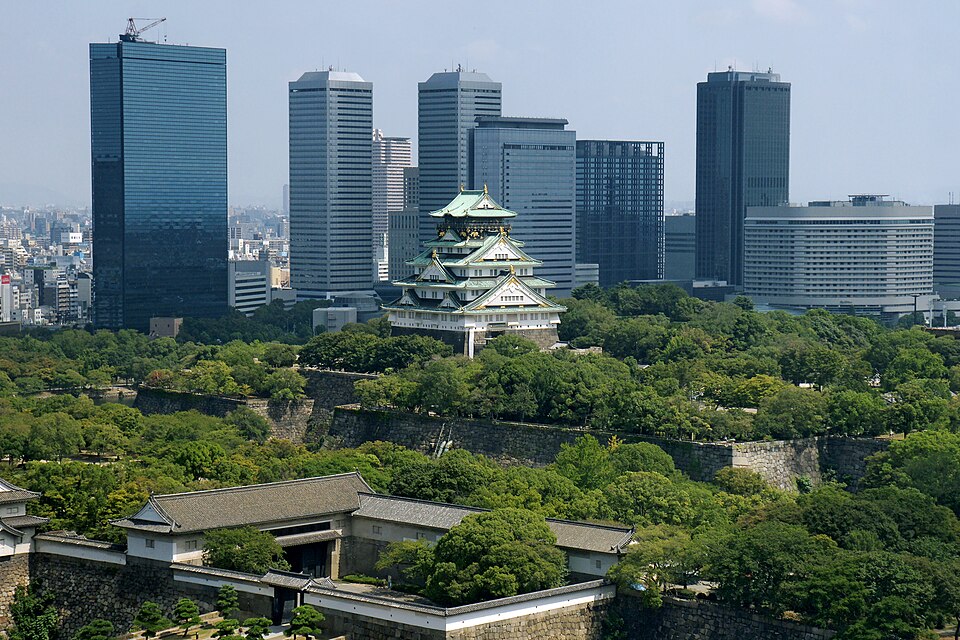
1-1 Osakajo, Chuo Ward, Osaka
Osaka calls itself Japan's kitchen, and this three-day plan eats accordingly: castle and market on day one before Dotonbori's neon and a lantern-lit alley, the country's oldest Shinto shrine and a whale shark on day two with takoyaki and kushikatsu between them, and a last day that climbs from a 6th-century temple to the open-air Floating Garden as the city turns gold. It is a walk-and-metro trip end to end.
 Planned by Robin
3 days · 16 stops
Planned by Robin
3 days · 16 stops
Climb the reconstructed keep for views over the moat and park; go early before tour buses arrive at 10.
Graze fresh uni, wagyu skewers and grilled scallops stall-by-stall. Osaka's kitchen since the Edo era.
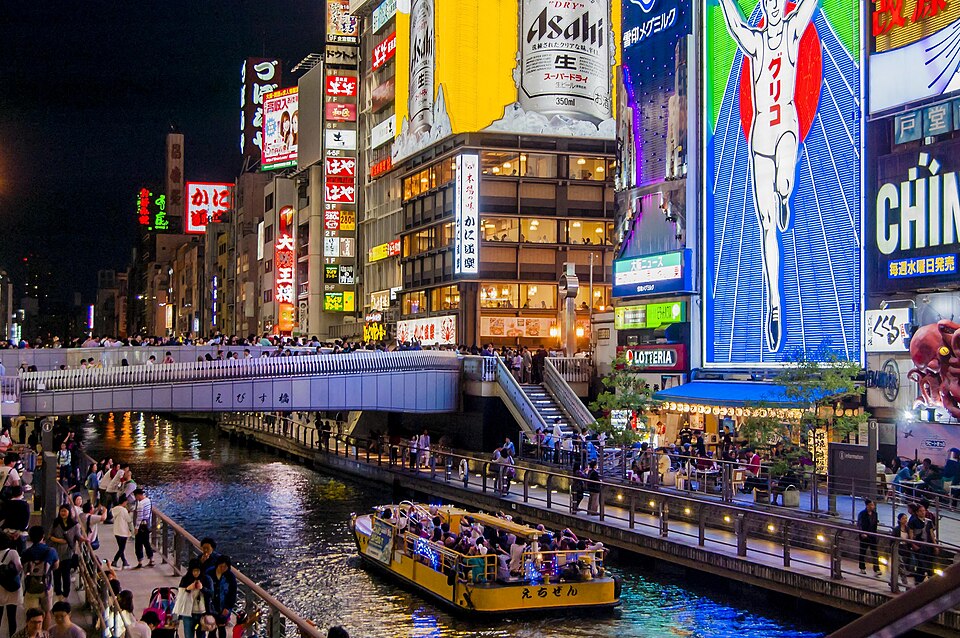
Walk the canal-front strip under the giant Glico sign, then duck into Shinsaibashi's covered arcade.
A narrow moss-lined stone alley beside a temple where locals toss water on the Fudo statue for luck, best at dusk when the lanterns come on.
Long-running Dotonbori okonomiyaki spot cooked on the teppan in front of you, order the yamaimo-batter classic.
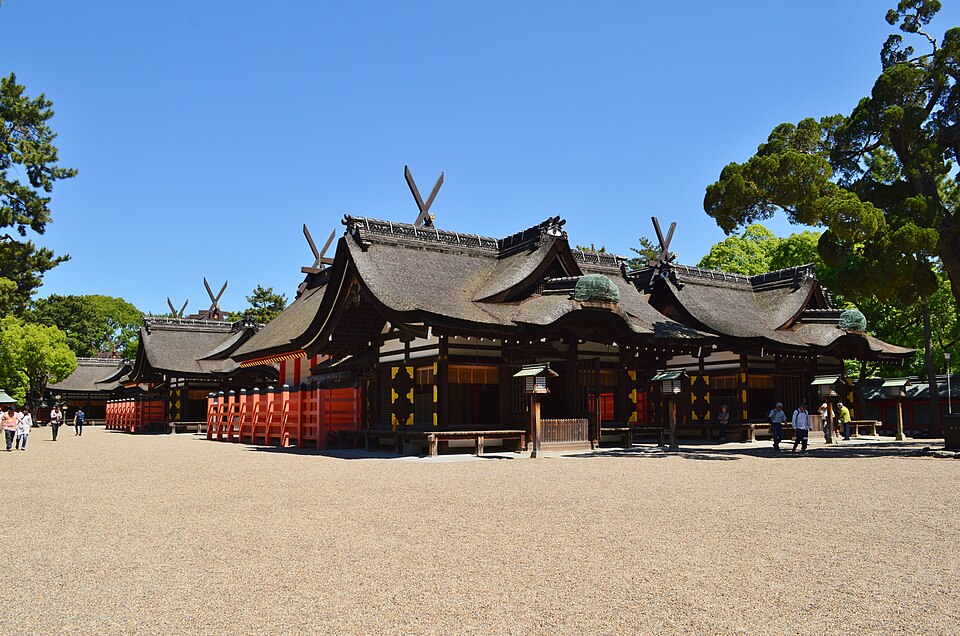
One of Japan's oldest Shinto shrines, its distinctive sumiyoshi-zukuri halls predate Buddhist influence, cross the steep vermilion Taiko-bashi bridge.
Crisp-outside, molten-inside takoyaki from a stall Osakans queue for, eat them standing, straight off the tray.
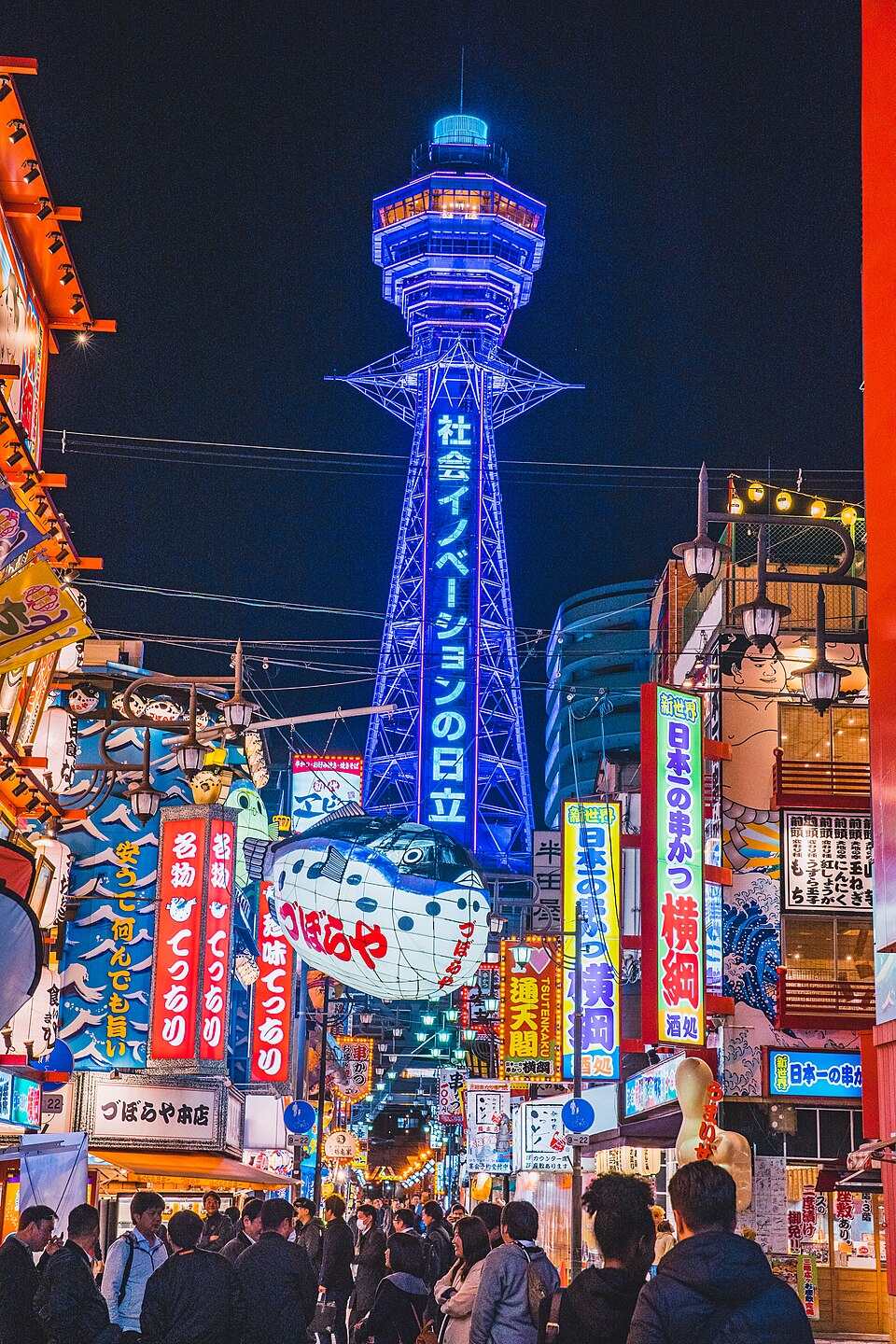
Ride the retro tower for a rooftop view over the district's Showa-era streets, modeled on Paris and New York a century ago.
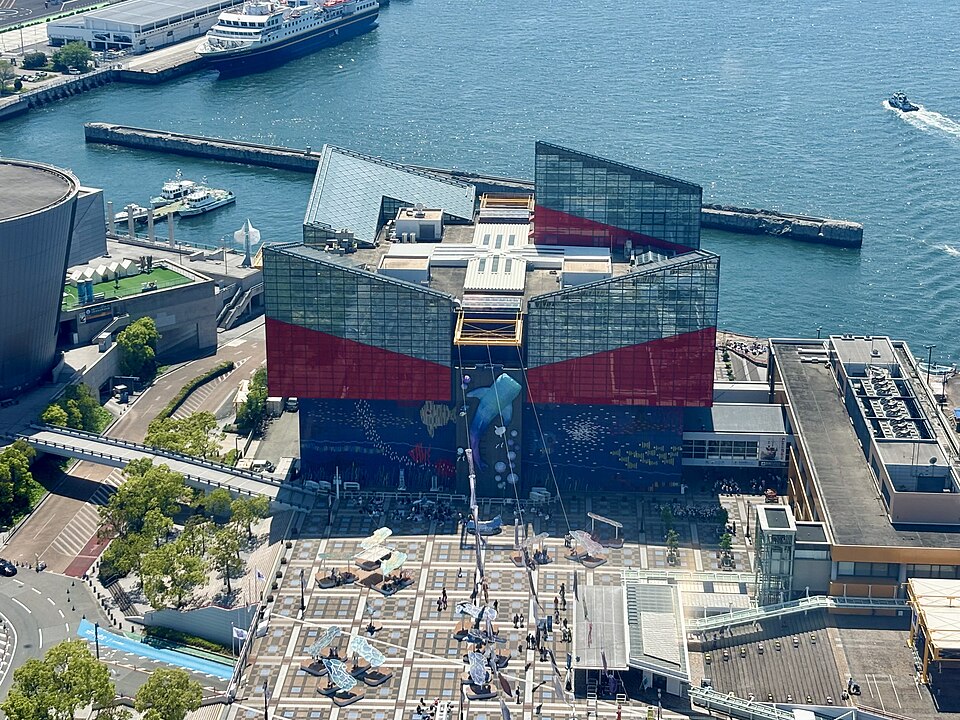
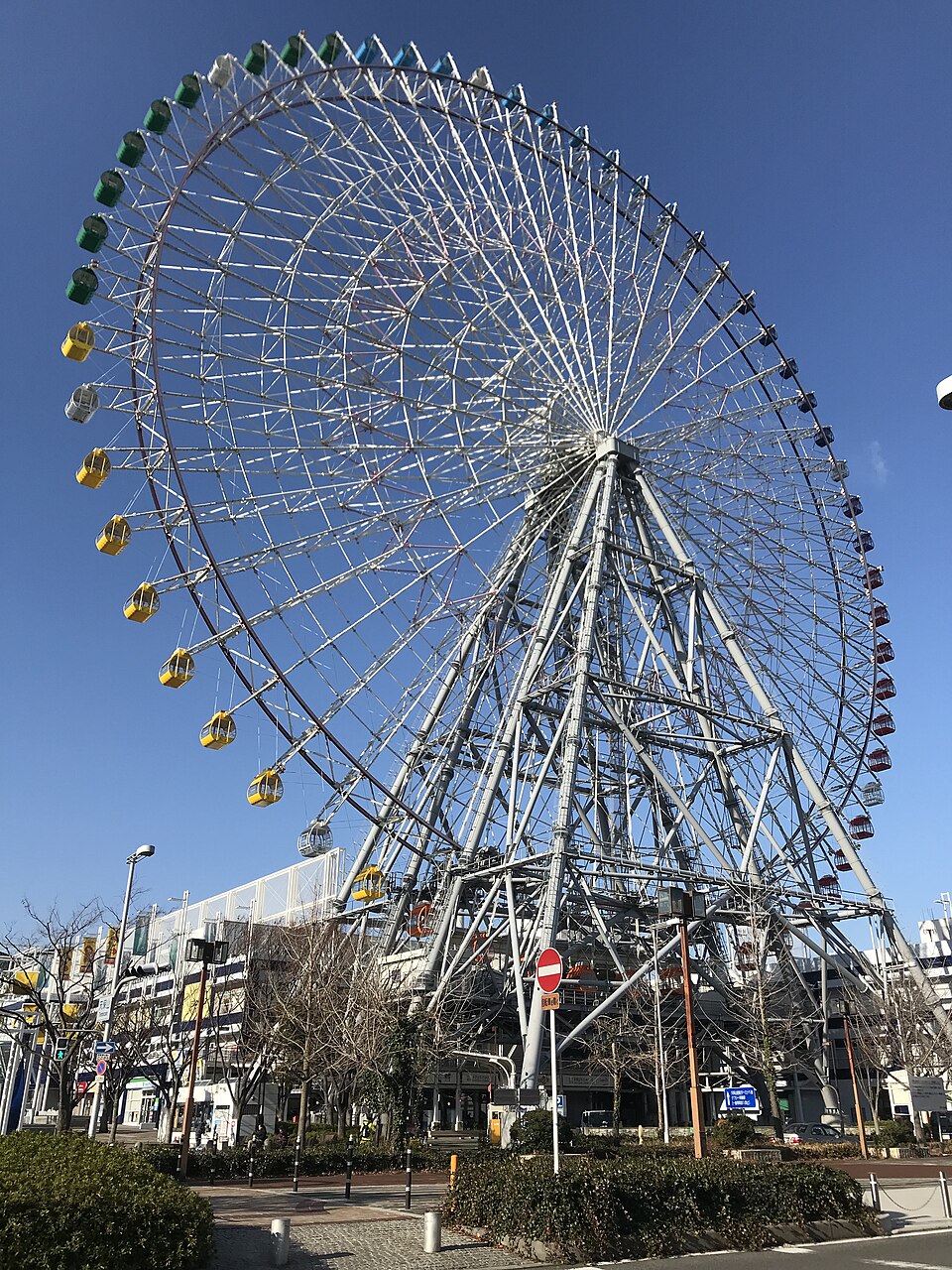
Stroll the waterfront promenade beside the giant Ferris wheel as the sun drops over Osaka Bay.
The original kushikatsu counter, famous for its one rule, no double-dipping the sauce.
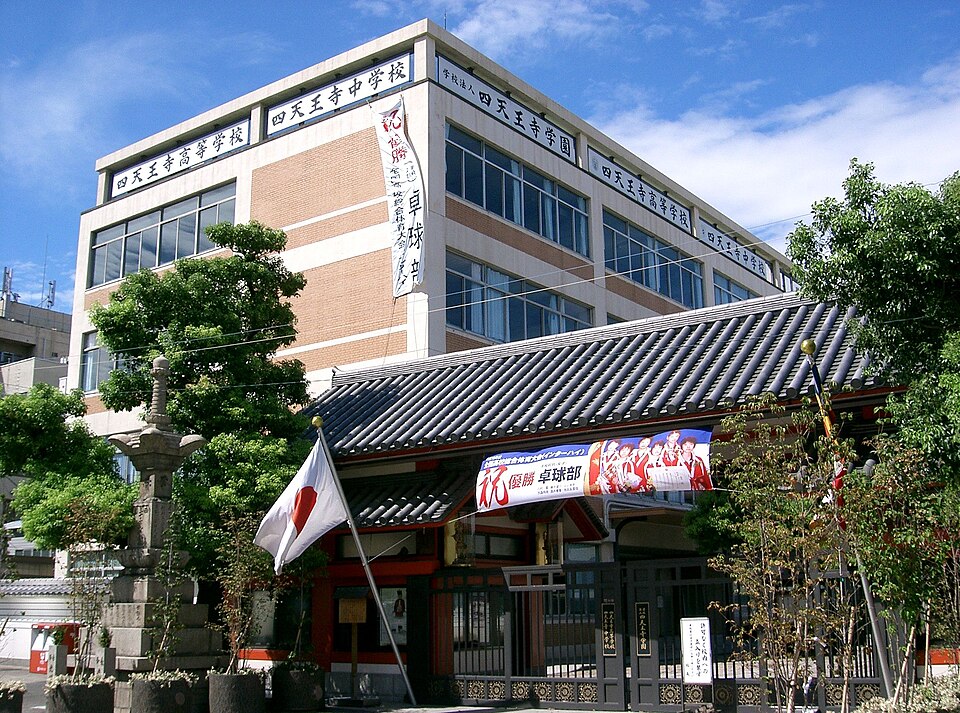
Founded in 593, among Japan's oldest state-built temples, the five-story pagoda's straight axial layout is unusual in Japanese temple design.
Wander a stretch of the nearly 3km-long covered arcade, one of Japan's longest, lined with everyday local shops.
Unhurried neighborhood sushi counter near Kyobashi, good value nigiri away from the tourist crush.
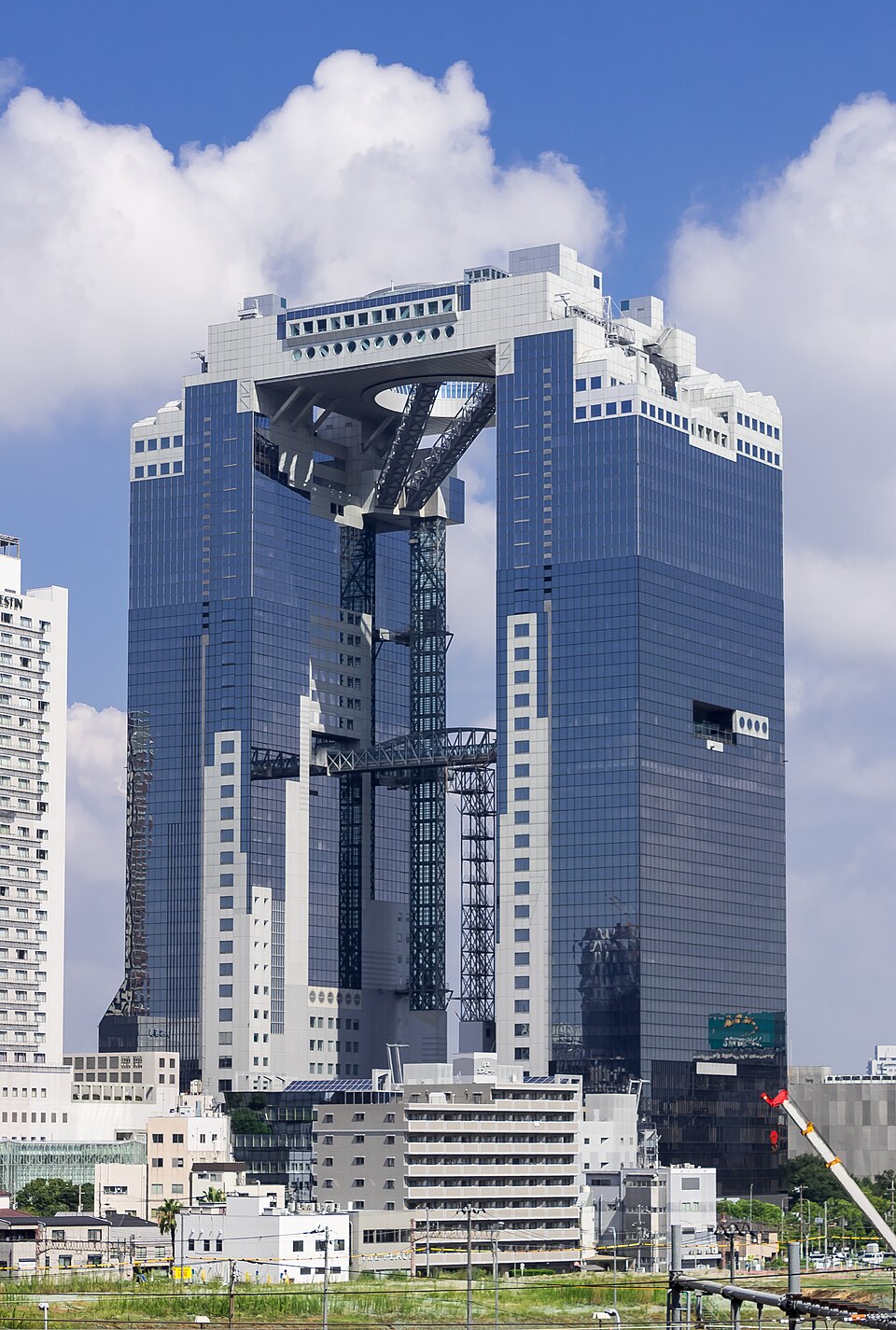
The open-air rooftop deck between the twin towers frames the whole city as it turns gold, arrive before sunset for the best light.
A last plate of Osaka-style okonomiyaki near the station before heading home, cooked tableside on the teppan.
Molten octopus dumplings straight off the griddle, eaten standing, burned tongue and all.
The savory pancake Osaka considers its soul food, cooked on the teppan in front of you.
Skewers fried to order under one sacred rule: no double-dipping the communal sauce.
Uni, wagyu skewers and grilled scallops, stall by stall through Osaka's kitchen.
No. Every stop on this plan sits near a metro station; an Osaka Metro day pass pays for itself by the third ride most days.
Nothing is strictly ticketed in advance here. Kaiyukan sells timed entry online, worth grabbing the night before in holiday weeks; the famous counters, Mizuno and Daruma, queue rather than book.
From Kansai International, the Nankai line reaches Namba in under an hour; the JR Haruka serves Tennoji and Shin-Osaka. Both run constantly.
For the icons and the eating, yes, Osaka rewards depth over sprawl. What it leaves out is the day-trip ring: Nara's deer and great Buddha, or Kobe, each under an hour away.
Both, but at their right hours, exactly as the plan does it: Kuromon is a daytime market, best grazed before 2pm; Dotonbori belongs to the evening.
Sumiyoshi Taisha and Shinsekai make one unhurried day; Kaiyukan and the Tempozan harbor sunset make another. The zigzag disappears and both halves get their best light.
Forty minutes by rail to the bowing deer, Todaiji's Great Buddha and Naramachi's lanes, the single best day trip in the region.
Either Kobe's harbor and an honest teppanyaki splurge, or the Minoo waterfall trail for maple forest an easy train from Umeda.
This trip was built for a typical first visit. You aren't typical. Find your loves, your budget, and your perfect Osaka adventure by building on this trip with Hey Robin.
Finish this itinerary FREE at Hey Robin →