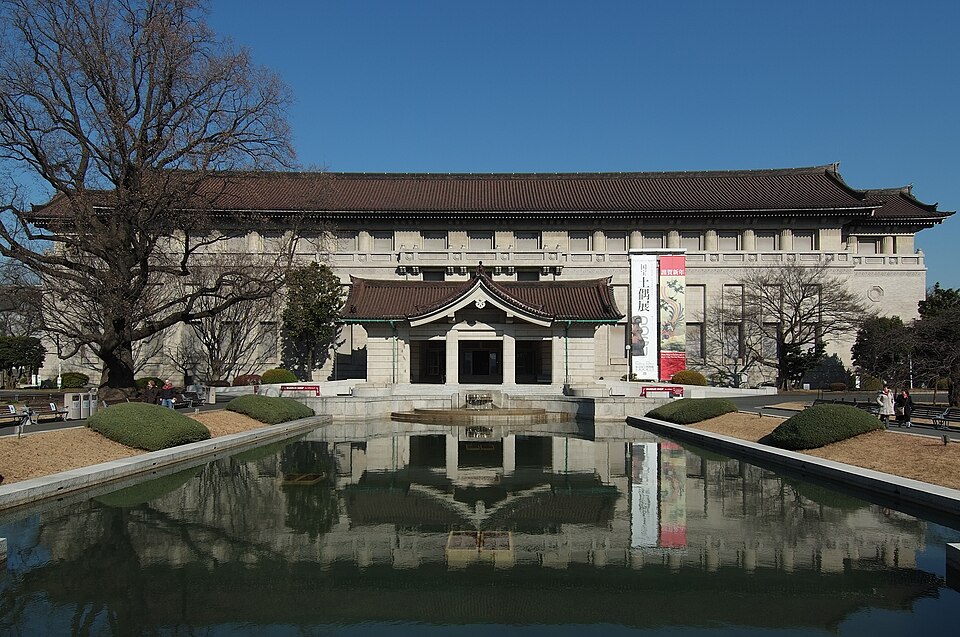
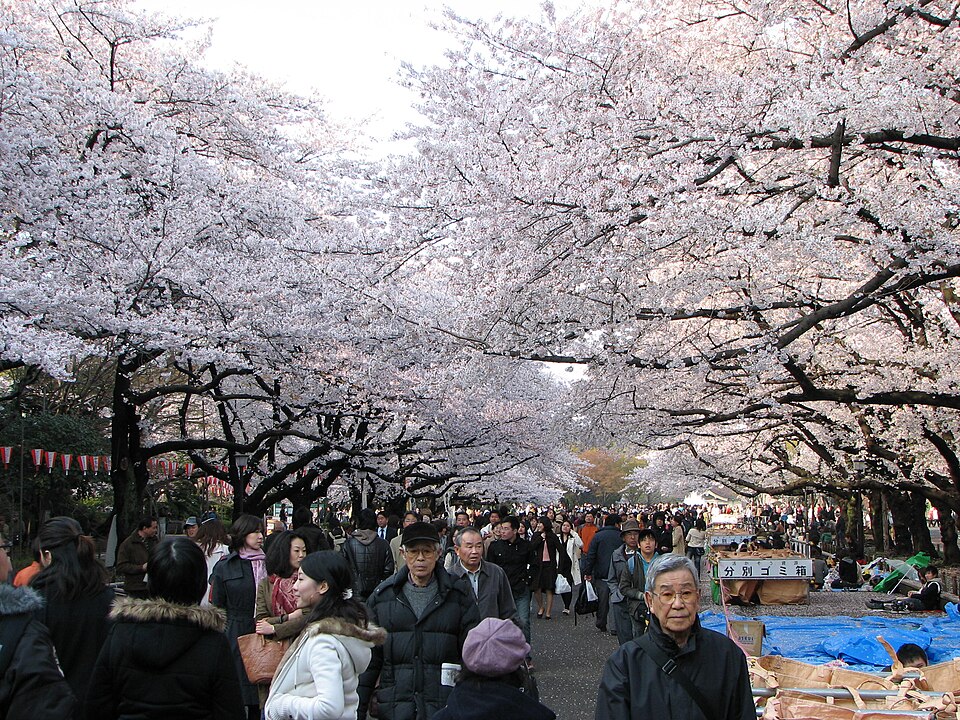
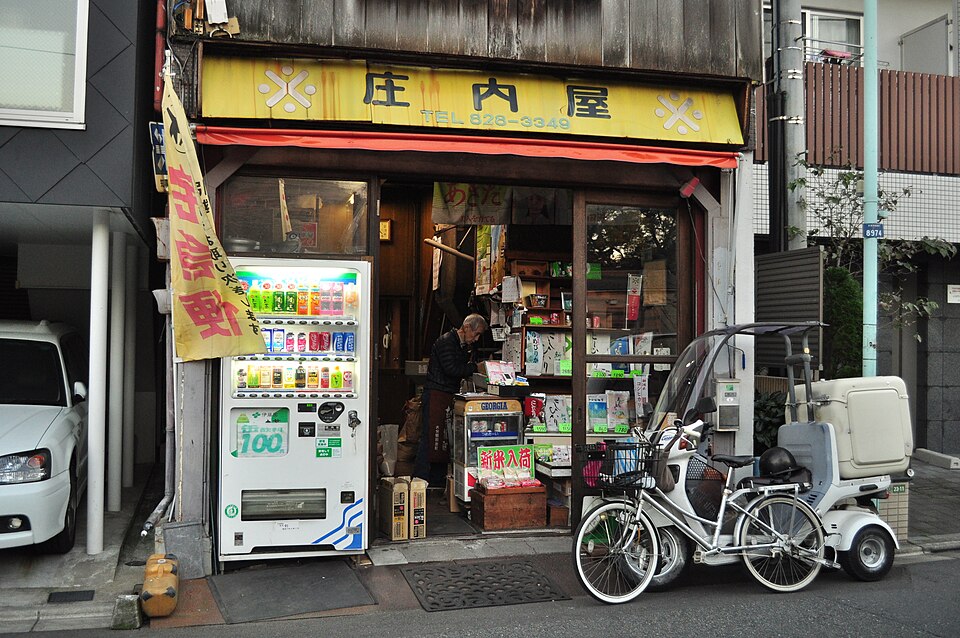
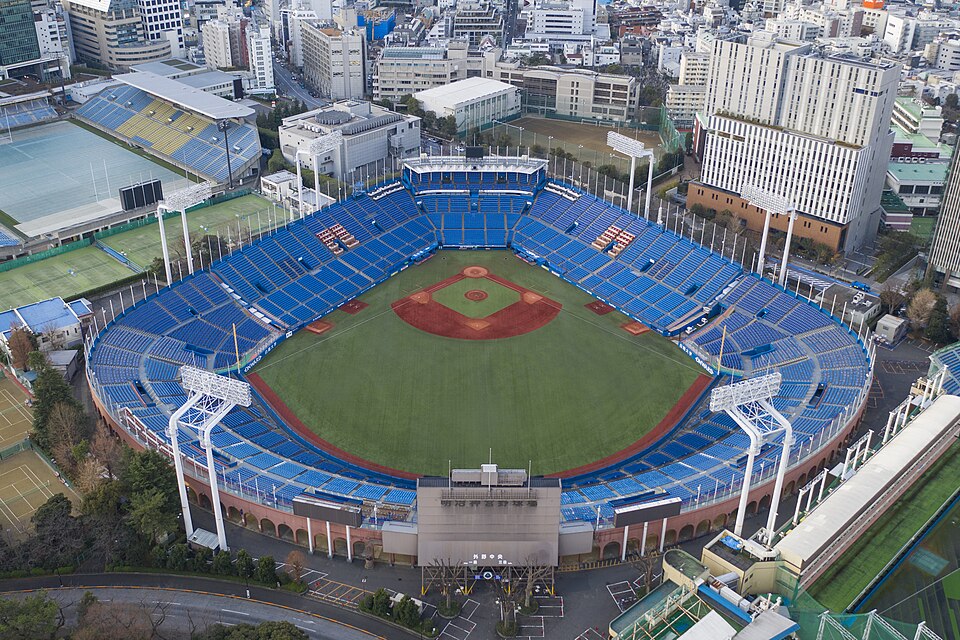
Ten days on the golden route, done at a human pace: four nights in Tokyo moving east to west through Asakusa, Ueno's museums, Harajuku and Shibuya; the shinkansen to Kyoto for three nights of temples taken early, Fushimi Inari's torii and Arashiyama's bamboo before the crowds; then two nights letting Osaka feed you, Kuromon's stalls to Dotonbori's neon. The trains do all the work, every day stays in one part of one city, and the meals, a 1465 soba house, a Meiji-era eel garden, a 1945 okonomiyaki griddle, are half the itinerary.
Robin planned this trip forFirst visitThe classic golden routeShinkansen between citiesBalanced paceMid-OctoberChange these assumptions →
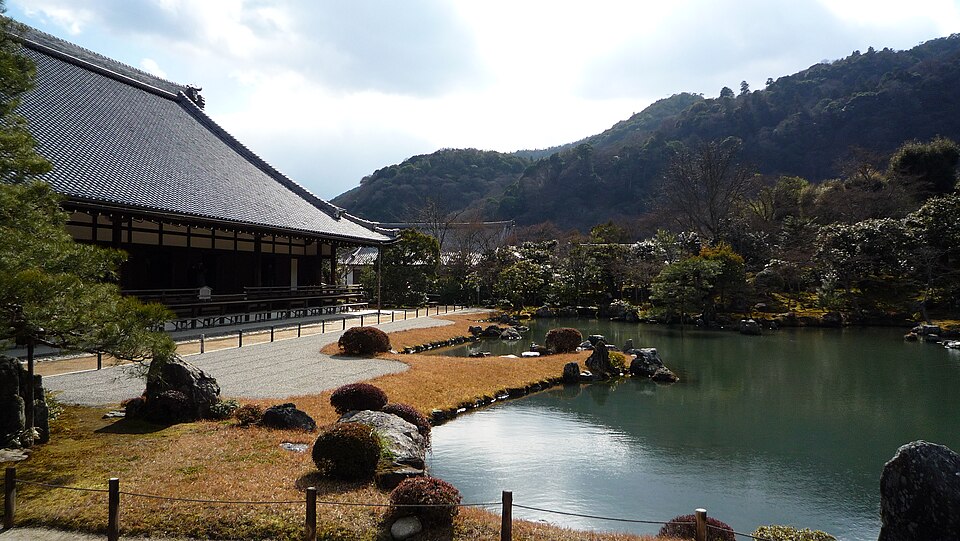
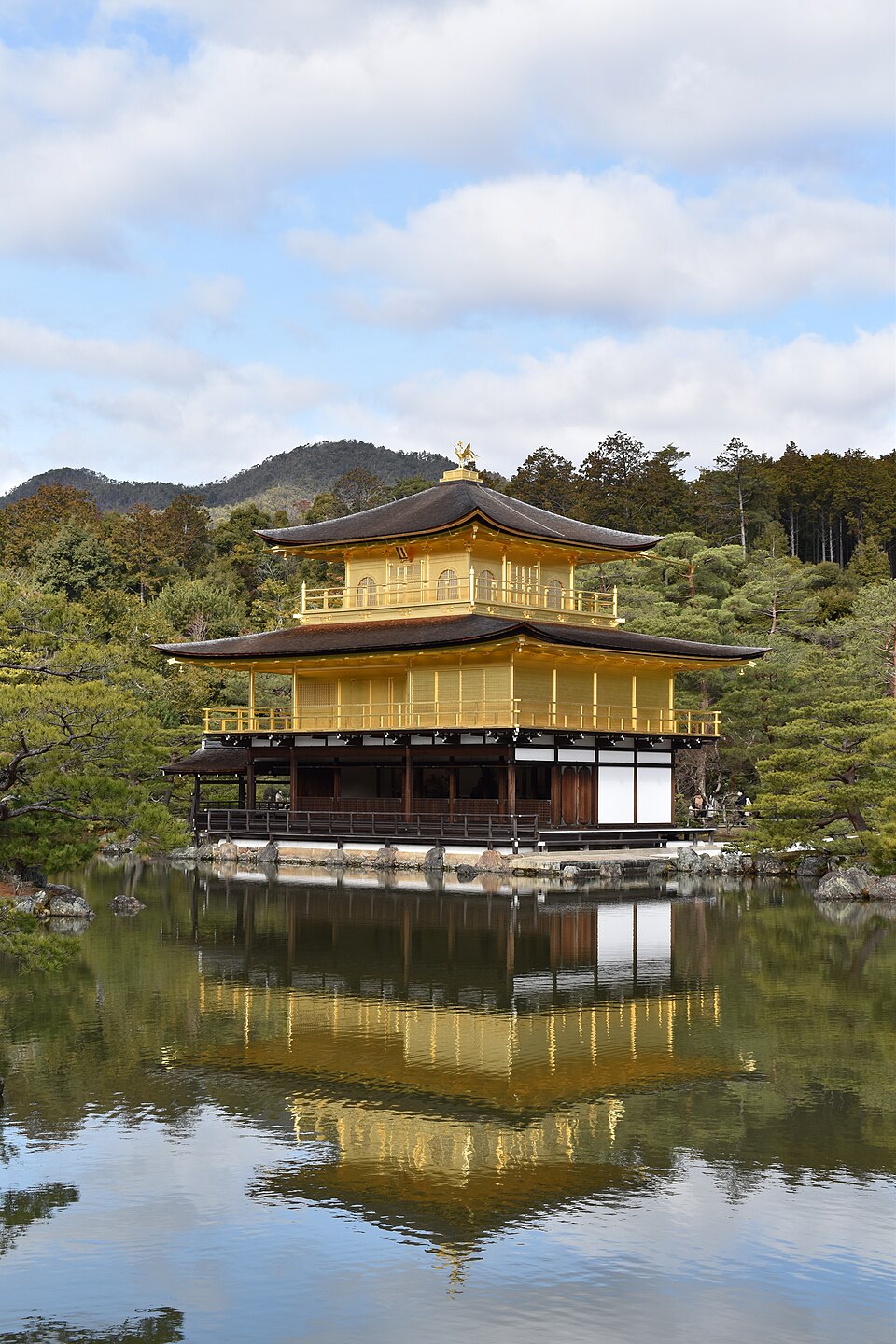
7Arashiyama bamboo at dawn→Tenryu-ji→river rowboat→Kinkaku-ji
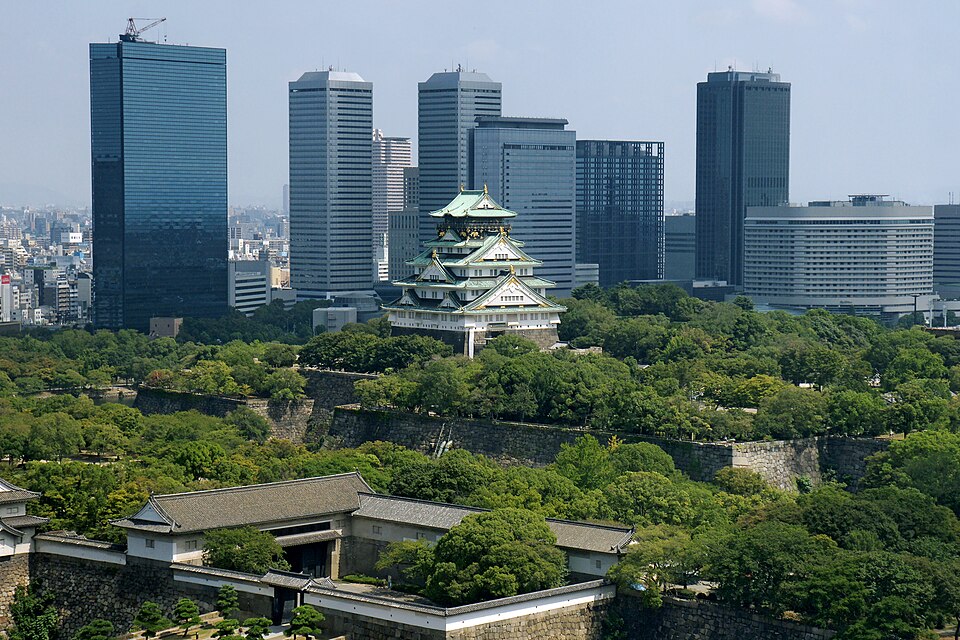
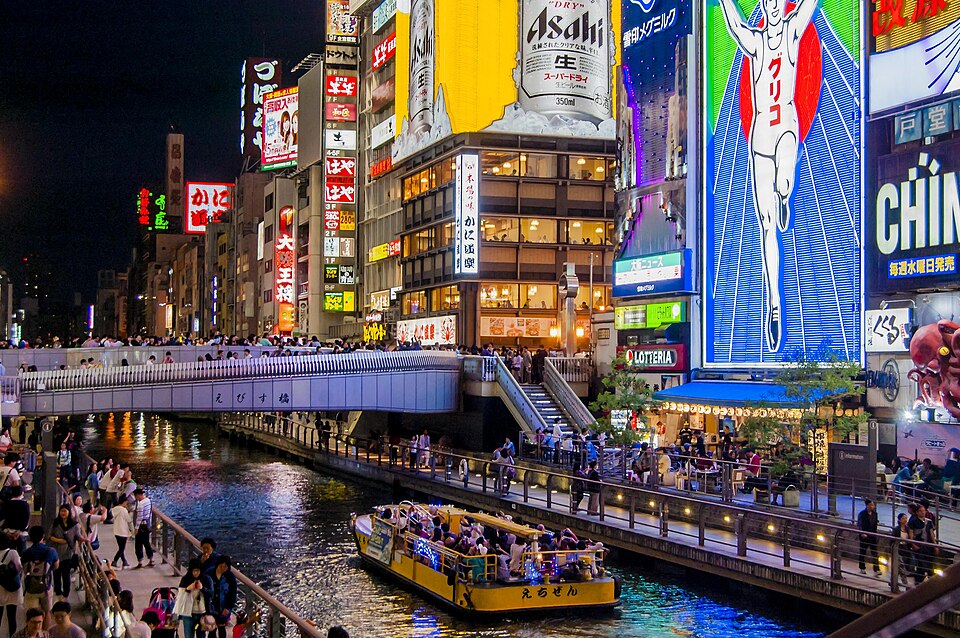
8Shinkansen to Osaka→Osaka Castle→Kuromon Ichiba→Dotonbori→Mizuno
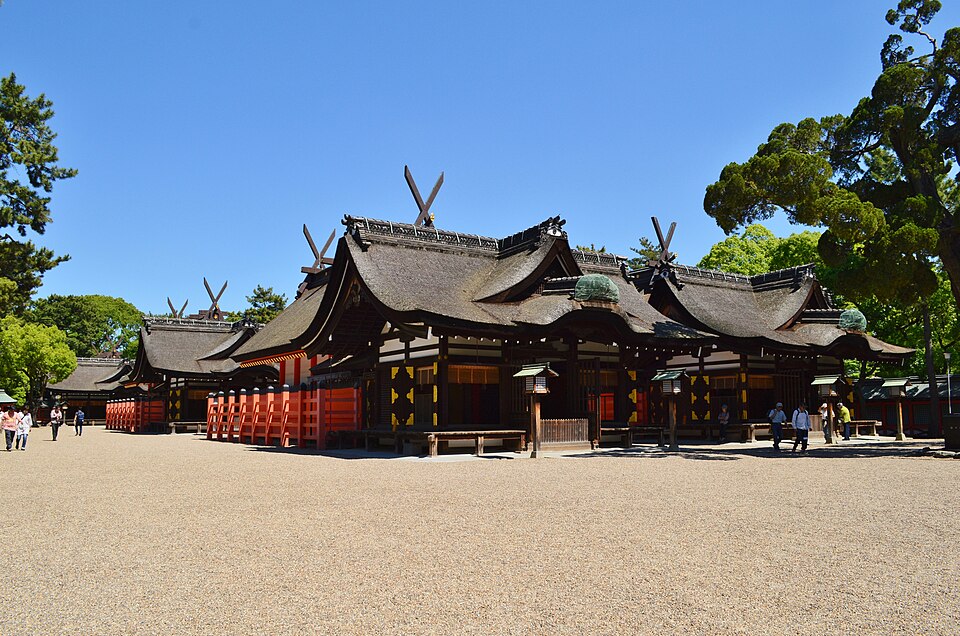
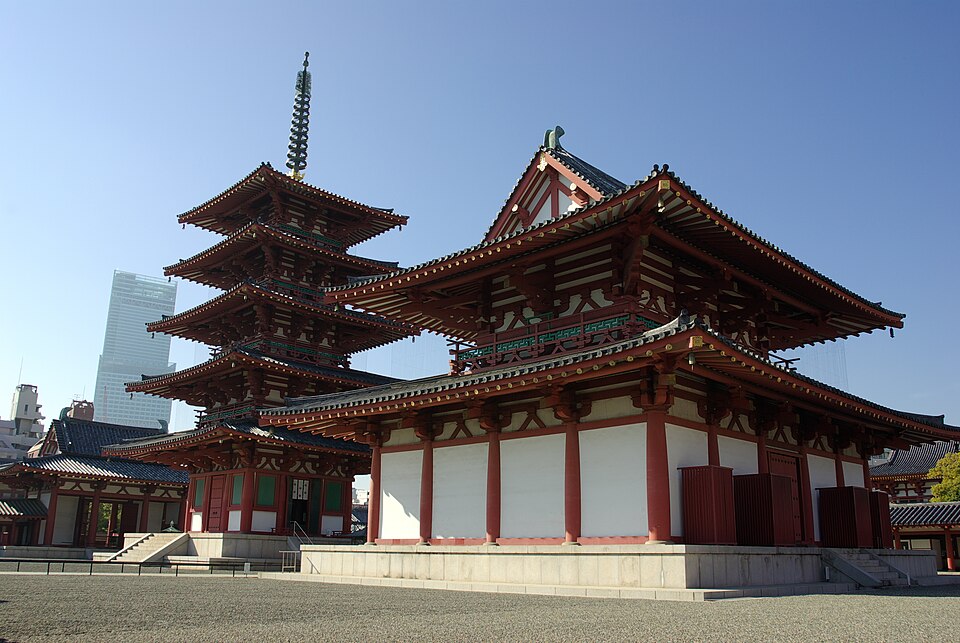
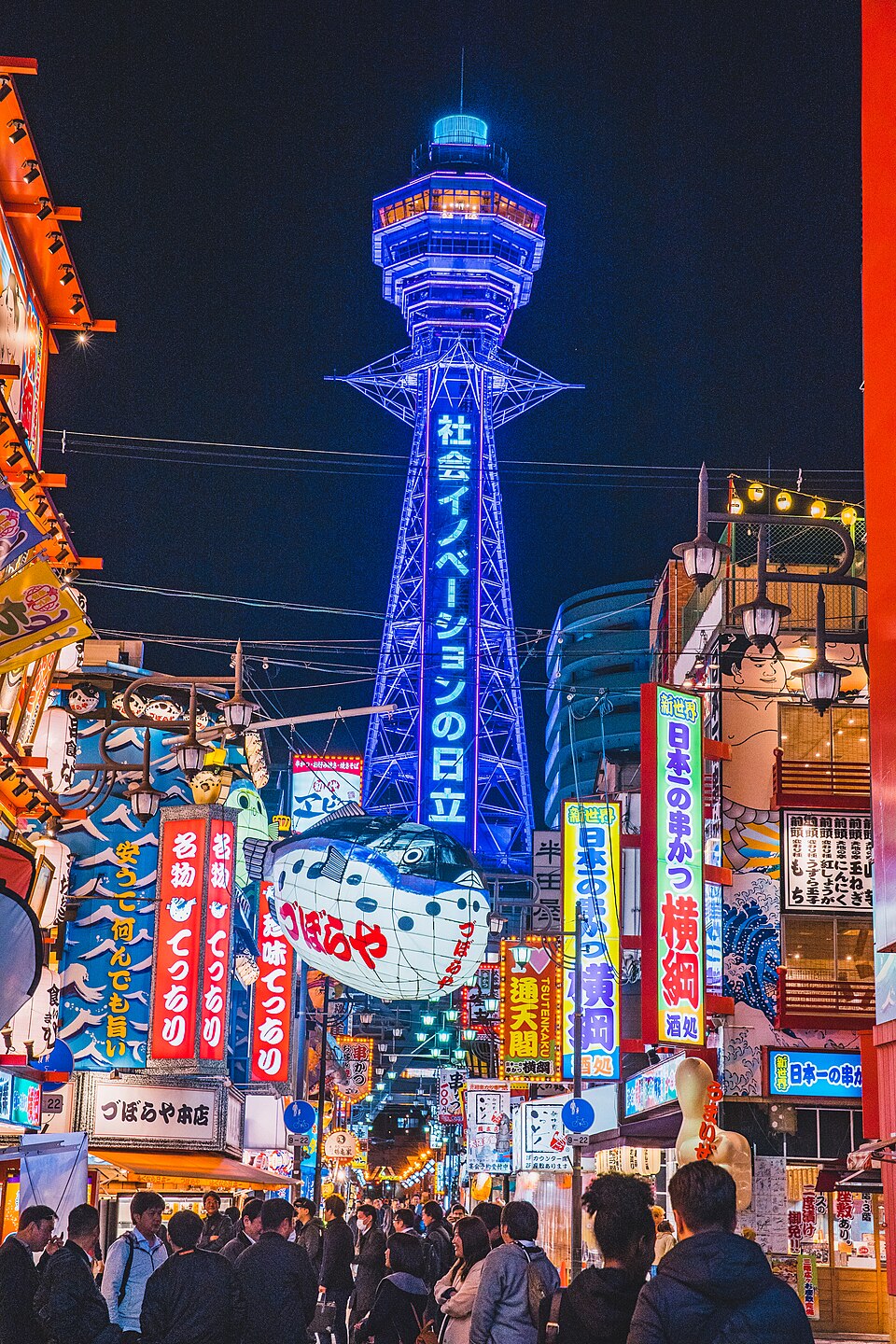
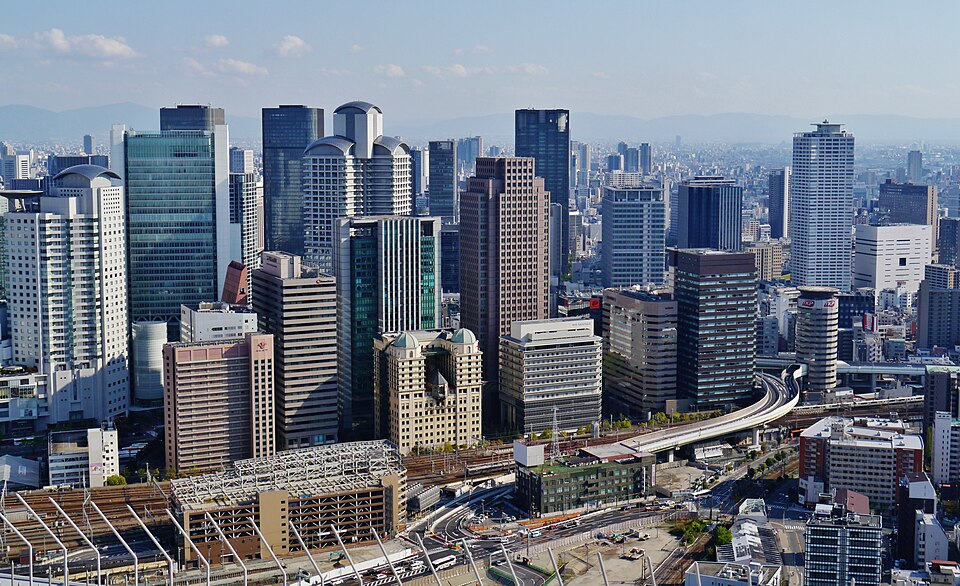
9Sumiyoshi Taisha→Shitennō-ji→Shinsekai→Umeda Sky at sunset
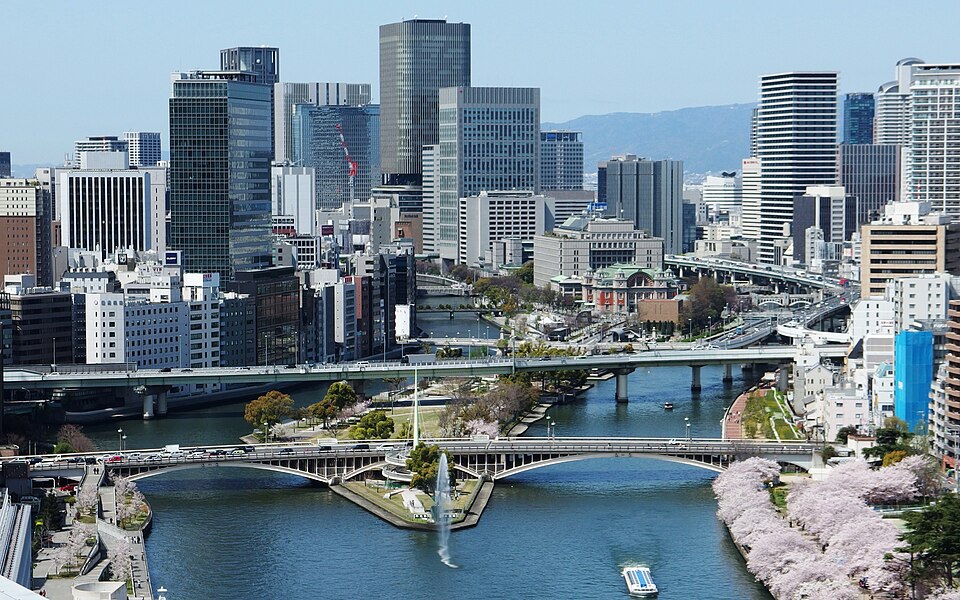
10Nakanoshima Park→a slow checkout & home
Best for
First visit, the classic golden route
Car needed
No. Trains and feet do everything; the shinkansen legs are part of the trip
Where to stay
Asakusa or Ueno in Tokyo, central Kyoto near the Kamogawa, Namba in Osaka
Best months
March–April for blossom, October–November (as planned) for clear skies and color
Pace
Balanced, one neighborhood cluster per day
Robin recommends
Reserving shinkansen seats and the teamLab and Shibuya Sky slots as soon as dates are fixed, the timed things on this plan are the only things that sell out
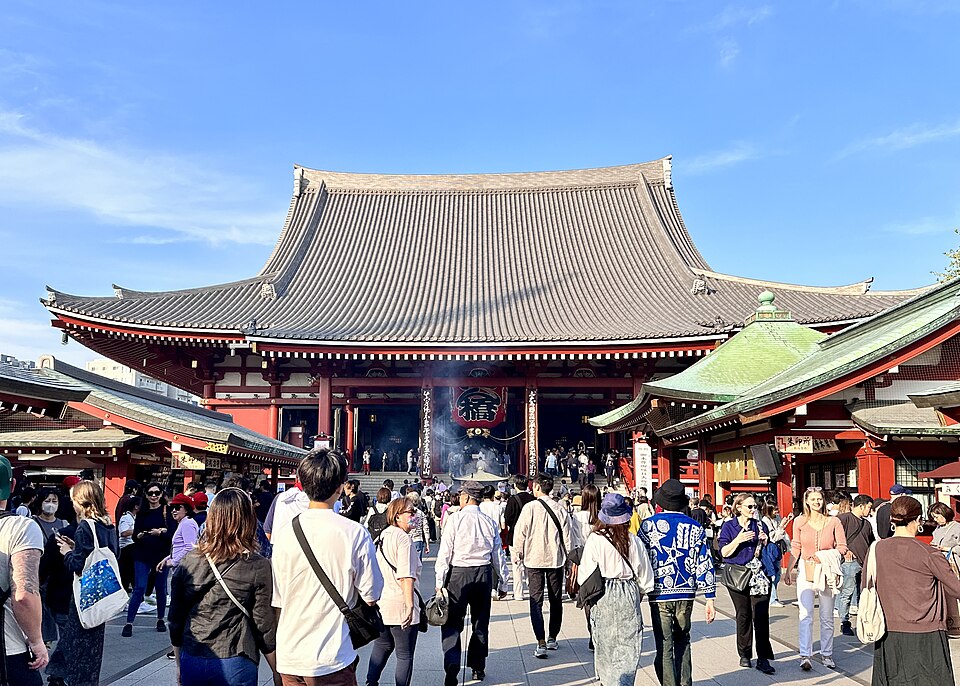
Tokyo's oldest temple; go in early evening light when the tour buses have thinned out.
Sensō-ji · photo: Akonnchiroll, CC0, via Wikimedia Commons
↓130 m · ~2 min walk
17:15–18:00
2Nakamise-dori Walk
The approach street to Sensō-ji, lined with centuries-old snack and craft stalls.
↓300 m · ~4 min walk
18:30–19:30
3Daikokuya Tempura Eat
Century-old Asakusa tempura house known for its dark, rich dipping sauce recipe.
Choose your first evening
If you are landing long-haulkeep it exactly this gentle, Sensō-ji in the lantern light, the Nakamise stalls, tempura, bed, jet lag is the enemy of day 2
If you arrive early and wiredwalk the Sumida riverbank before dinner, the Azumabashi bridge view across to the Skytree is Asakusa's free bonus panorama
If you want the temple without the evening crowdsask Robin to flip Sensō-ji to a 7am visit on day 4's Tsukiji morning, the courtyard near-empty at dawn is a different building
Wander the stalls for grilled skewers and tamagoyaki, arrive before 9 to beat the day-trip crowds.
↓3.7 km · a short ride
09:45–12:15
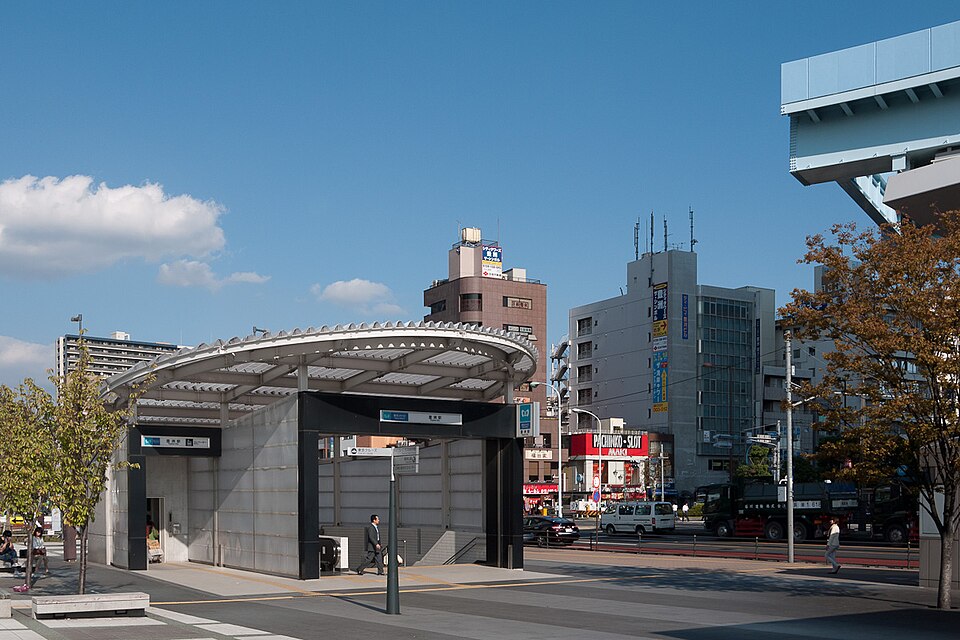
2teamLab Planets Toyosu Culture
You wade through water and mirrored rooms barefoot, a hands-on, immersive art world, not a museum to view from outside.
Toyosu Station · photo: Rs1421, CC BY-SA 3.0, via Wikimedia Commons
↓3.9 km · a short ride
13:00–14:15
3Hamarikyu Gardens Nature
A tidal garden with a 300-year-old pine and a teahouse on an islet reached by wooden bridge.
↓1.7 km · ~21 min walk
15:30–16:10
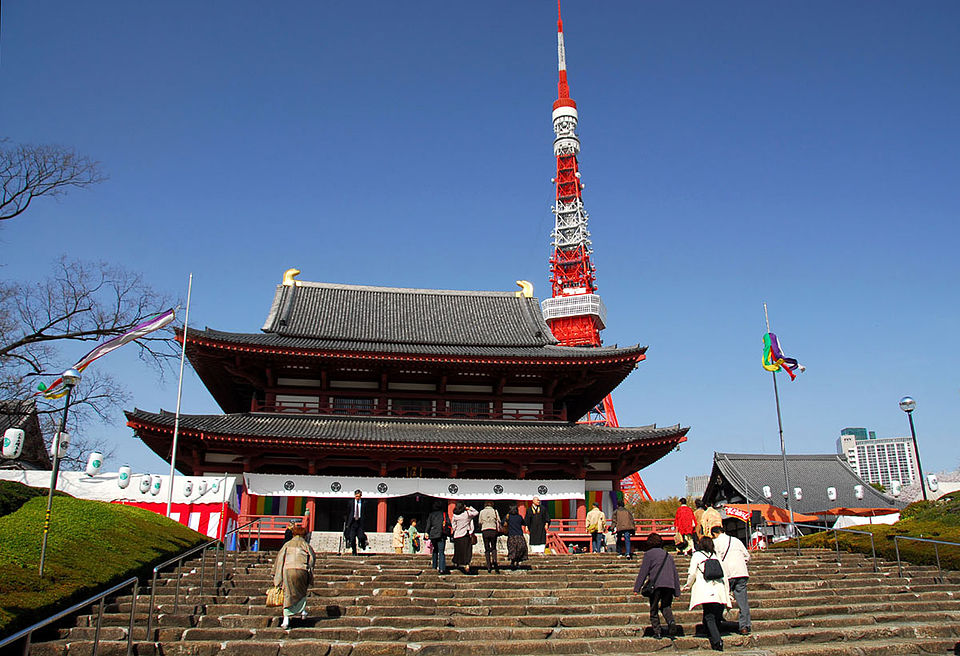
4Zōjō-ji Temple & Shiba Park Sight
The temple's main gate frames Tokyo Tower behind it, best photographed as the sky turns orange.
Shiba Park · photo: SElefant, CC BY-SA 3.0, via Wikimedia Commons
↓2.7 km · a short ride
18:00–19:15
5Rangetsu Ginza Eat
Long-running Ginza tempura and sukiyaki house, a proper sit-down close to a full day out.
Day 5 · Friday
Day 5: The move to Kyoto, soba first
Travel day to Kyoto, leave the hotel by 05:00 for your 09:00 train (a firm buffer, no exceptions), and once you land, ease into Kyoto with palace grounds and Gion at dusk.
Leave the hotel by 05:00–06:00 to allow buffer for your 09:00 Shinkansen, missing it costs the whole morning.
↓482 km · ~487 min drive
12:20–13:35
2Honke Owariya Eat
Kyoto's oldest soba house, serving noodles since 1465 near the Imperial Palace.
↓1.3 km · ~16 min walk
13:49–14:49
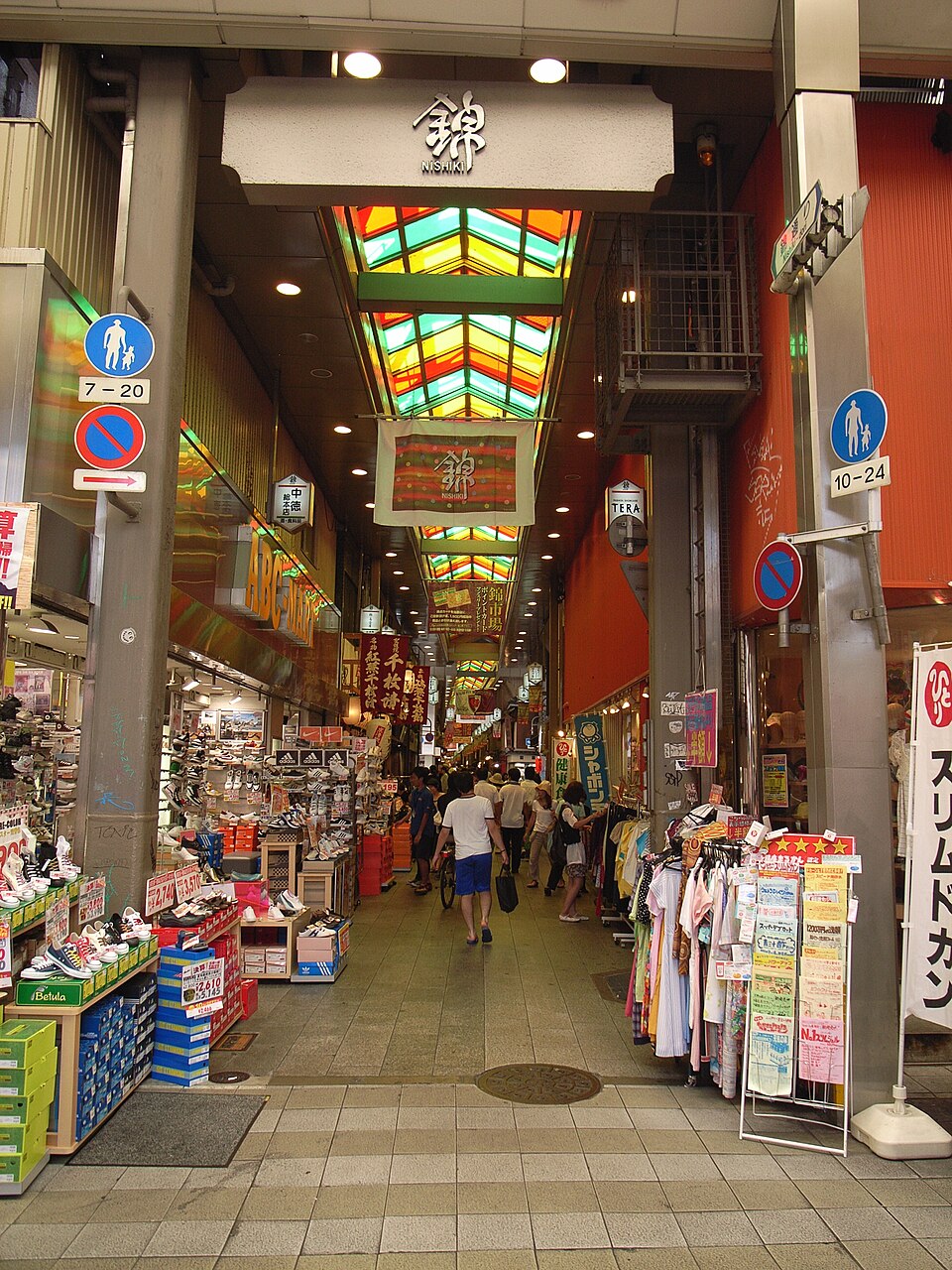
3Nishiki Market Shopping
Kyoto's 400-year-old covered market, good for browsing pickles and knives even just after lunch.
Nishiki Market · photo: matsuyuki, CC BY-SA 2.0, via Wikimedia Commons
↓2.9 km · a short ride
15:19–16:19
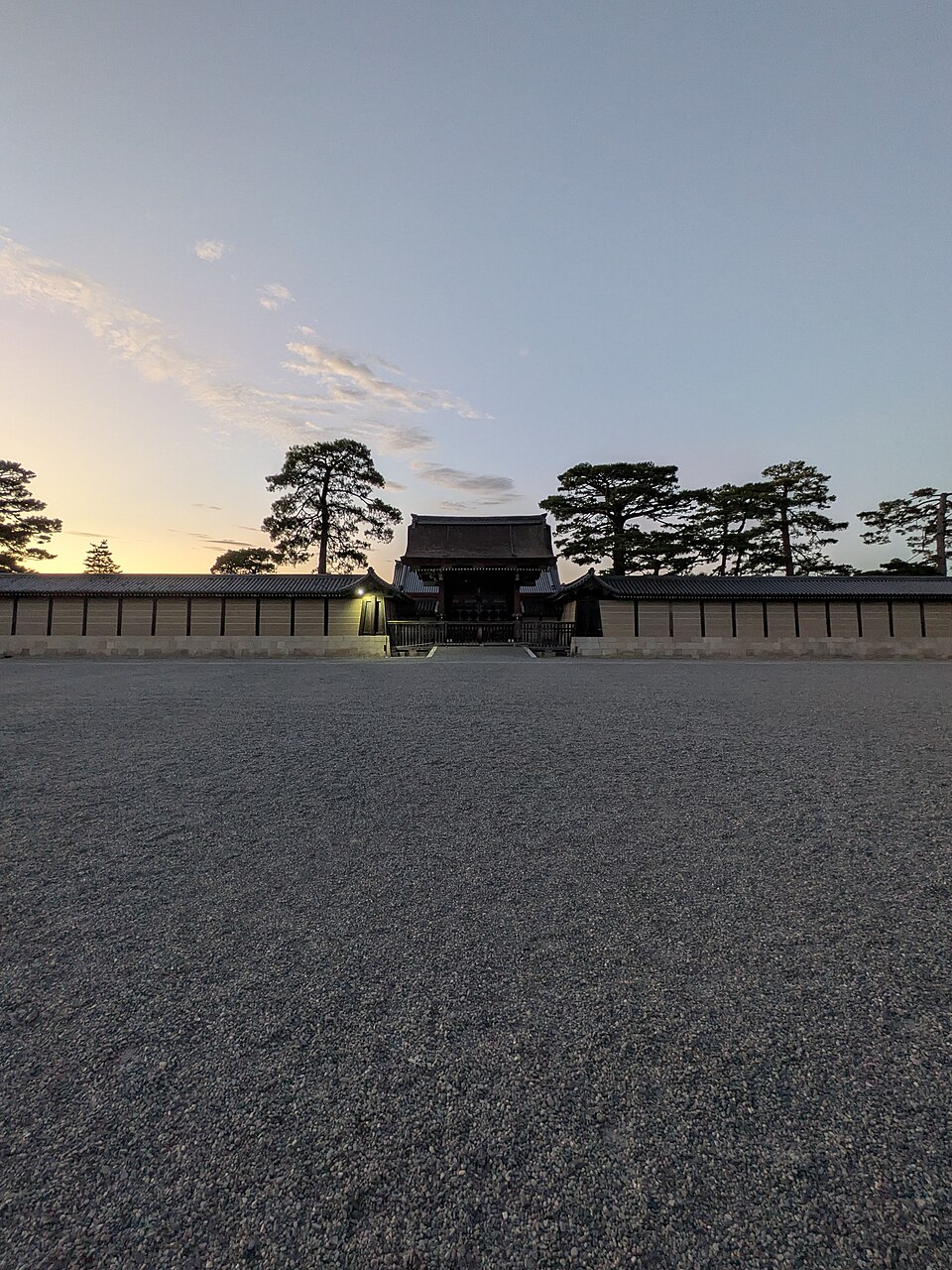
4Kyoto Imperial Palace Park Nature
Wide gravelled grounds where locals jog and picnic beneath the old palace walls.
Kyoto Imperial Palace · photo: 加茂川の民, CC0, via Wikimedia Commons
↓3.4 km · a short ride
16:34–18:04
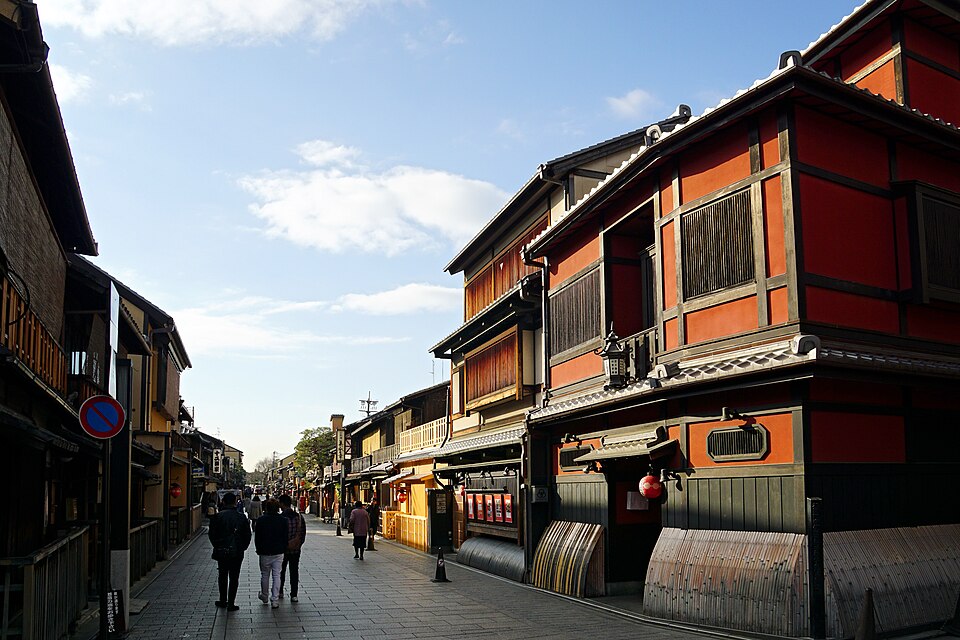
5Gion District Walk Walk
The old geisha quarter along Hanamikoji-dori, dusk is when the machiya lanterns come on.
Gion · photo: 663highland, CC BY 2.5, via Wikimedia Commons
↓450 m · ~6 min walk
18:30–19:30
6Gion Karyo Eat
Riverside Kamogawa dining room, casual enough for a travel-day dinner with a view of the water.
Robin's tip. Send your big luggage ahead by takkyubin from the Tokyo hotel the night before; it will be waiting in Kyoto (and again in Osaka) for a few hundred yen per bag, and the shinkansen with only a day-pack is a different experience. Every hotel front desk arranges it.
Day 6 · Saturday
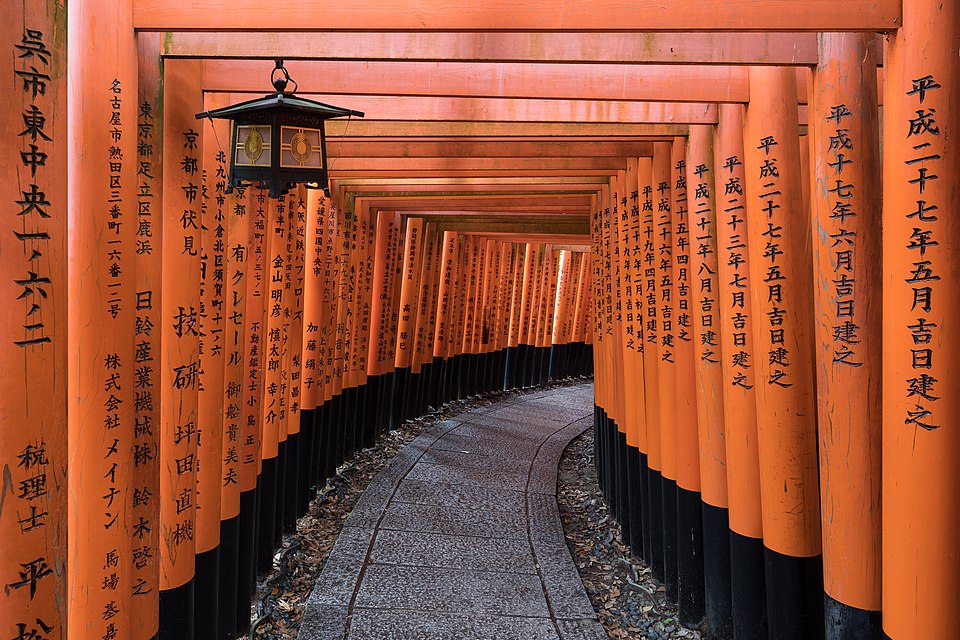
Day 6: Ten thousand torii & the Higashiyama lanes
Fushimi Inari's torii gates are best early, before the light and the crowds arrive; the afternoon winds through Higashiyama's lanes and gardens.
A river island park between Osaka's two waterways, the old Central Public Hall's brick facade reflects in the water at this hour.
Nakanoshima · photo: Mc681, CC BY-SA 4.0, via Wikimedia Commons
↓560 m · ~7 min walk
10:30–11:00
2Overnight in Osaka. Checkout Rest
Pack up and check out before heading onward; nothing else scheduled so you can move at your own pace.
Bucket-list foods in Tokyo
Temple-town soba & udon
Buckwheat noodles from a house that has served them since 1465, and Kyoto's sesame-broth udon original.
On this trip: Honke Owariya, day 5 lunch; Omen Kodaiji, day 6 dinner
Osaka's griddle food
Okonomiyaki layered and pressed since 1945, takoyaki on the canal, the city's konamon (flour-food) religion.
On this trip: Okonomiyaki Mizuno, day 8 dinner, Dotonbori
Market grazing
Tamagoyaki and grilled scallops eaten standing, Japan's best breakfasts have no chairs.
On this trip: Tsukiji Outer Market, day 4; Nishiki Market, day 5; Kuromon Ichiba, day 8
One-course-at-a-time kushiage
Skewers arriving singly at a wooden counter in a Meiji-era house, the meal as a slow ceremony.
On this trip: Hantei, day 2 dinner, Nezu
Proper sushi
The plan keeps sushi playful (a conveyor counter in Shibuya). For the omakase version, ask Robin to book a counter for one of the Tokyo nights and it will match the neighborhood you are sleeping in.
Where to stay for this itinerary
Stay in Tokyo: Asakusa or Ueno if…
you want this plan's east-side mornings (Sensō-ji, the museums, Yanaka) on your doorstep
old-Tokyo streets and an easier airport run beat nightlife at the window
Stay in Kyoto: downtown, near the Kamogawa if…
you want Nishiki, Gion and Pontocho within a night walk
you accept that temple mornings start with a short bus or cab, which they do from everywhere
Stay in Osaka: Namba if…
you want Dotonbori's glow and Kuromon's breakfast stalls in walking range
your last-morning airport run should be one train, Namba does that
Before you go
Do I need a Japan Rail Pass?
For this route, usually not anymore: Tokyo to Kyoto to Osaka point-to-point tickets generally cost less than the national pass since its price rise. Buy reserved-seat shinkansen tickets a few days ahead (or at the machines), and use an IC card, Suica or ICOCA on your phone, for everything inside the cities. Check current prices before you fly; Robin will do the math for your exact dates if you ask.
What must be booked ahead?
teamLab Planets and Shibuya Sky's sunset slot sell out days early, book both when you book flights. Reserve shinkansen seats for the two travel mornings. The temples need nothing, they need you early instead.
How do you get in from the airport?
From Narita, the Skyliner to Ueno puts you 10 minutes from the Asakusa hotels; from Haneda, it is one train even quicker. At the far end, Namba to Kansai airport is a single express, which is why the last night is there.
Is ten days enough for Japan?
For the golden route, done properly rather than at a run, yes, and this plan proves it by never leaving a city mid-day. What it saves for next time: Nara's deer and great Buddha (an easy Kyoto add), Hiroshima and Miyajima, an onsen night in the mountains.
How much walking is this, really?
A lot, 15,000-step days are normal here, but always in one cluster at a time: the plan never crosses a city twice in a day, and the two travel mornings are deliberately light. Shoes you trust matter more than any ticket.
12–14 days
Have 12–14 days?
First, break the Tokyo-Kyoto leg at Hakone
An onsen ryokan night in the mountains, dinner in a yukata, Fuji over Lake Ashi if the sky cooperates, turns the travel day into a highlight rather than a transfer.
Add Nara from Kyoto
The Great Buddha at Tōdai-ji and the bowing park deer are 45 minutes from Kyoto Station; it slots cleanly between days 6 and 7 without moving hotels.
Then Hiroshima & Miyajima from Osaka
Ninety minutes down the Sanyo shinkansen: the Peace Memorial in the morning, the floating torii at Miyajima for the afternoon tide. Doable as a long day trip; better as an overnight, ask Robin which your dates favor.
Make this itinerary yours
This trip was built for a typical first visit. You aren't typical. Find your loves, your budget, and your perfect Tokyo adventure by building on this trip with Hey Robin.
 Planned by Robin
10 days · 52 stops
Planned by Robin
10 days · 52 stops