Ten days, two cities, one bullet train, and a 2 year old who will be treated like a small visiting dignitary the entire time. This plan gives Tokyo five nights and Kyoto four, pairs every famous sight with a park or riverbank to run on, schedules the Shinkansen ride as the headline event it genuinely is, and lands in Kyoto during shichi-go-san season, when the shrines fill with three and five year olds in miniature kimono. Your toddler will fit right in.
Robin planned this trip forFirst visitToddler (age 2)Naps built inStroller friendlyRelaxed paceLate OctoberChange these assumptions →
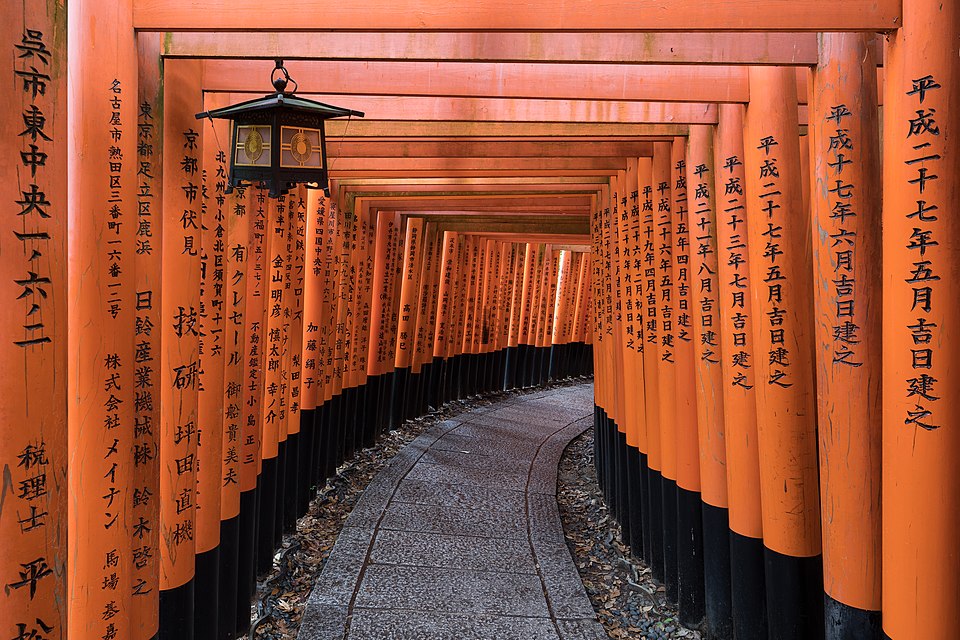
7Fushimi Inari lower gates→playground→riverbank nap walk
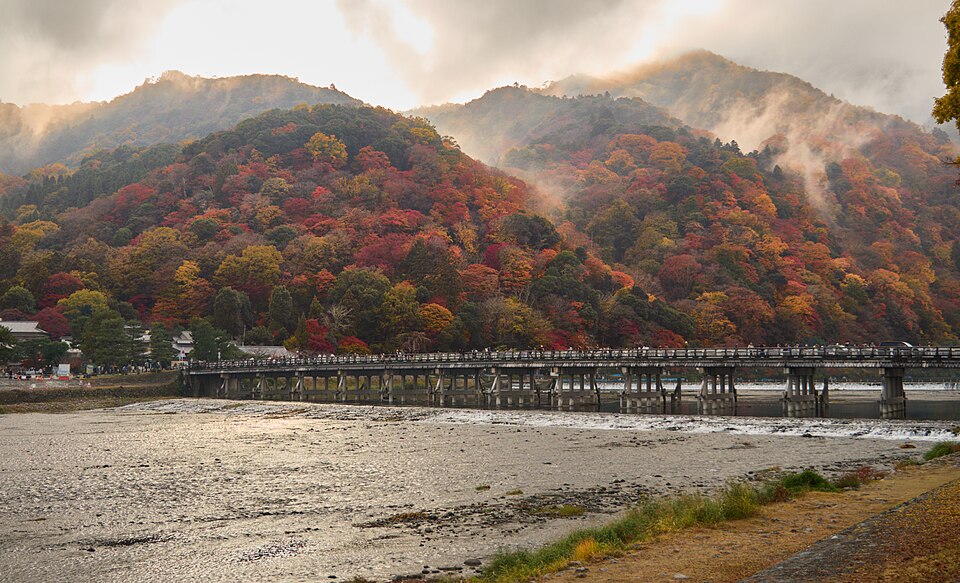
8Arashiyama bamboo→Togetsukyo riverside park→tram ride home
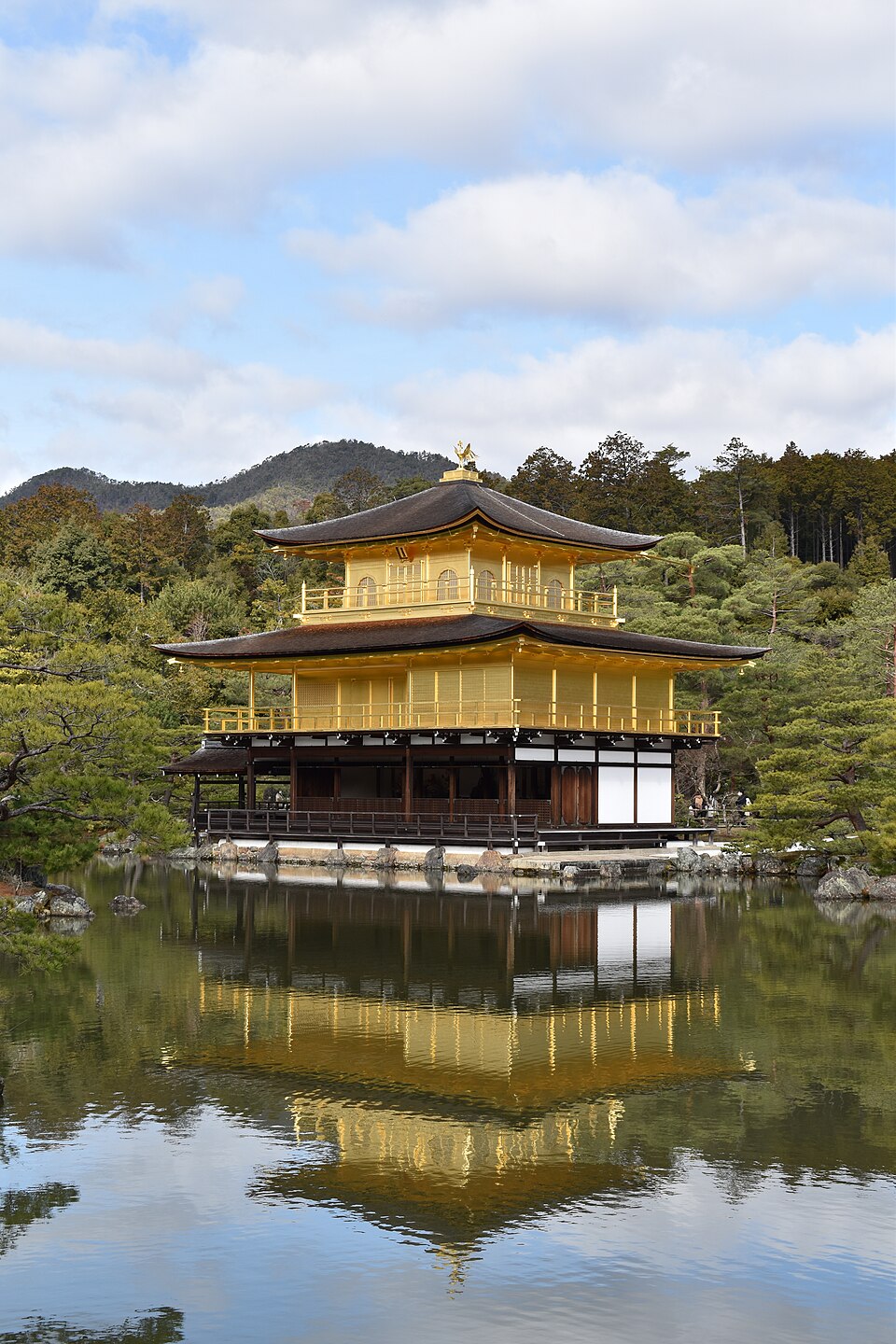
9Kinkaku-ji gold→Kyoto Gyoen lawns→Nishiki Market
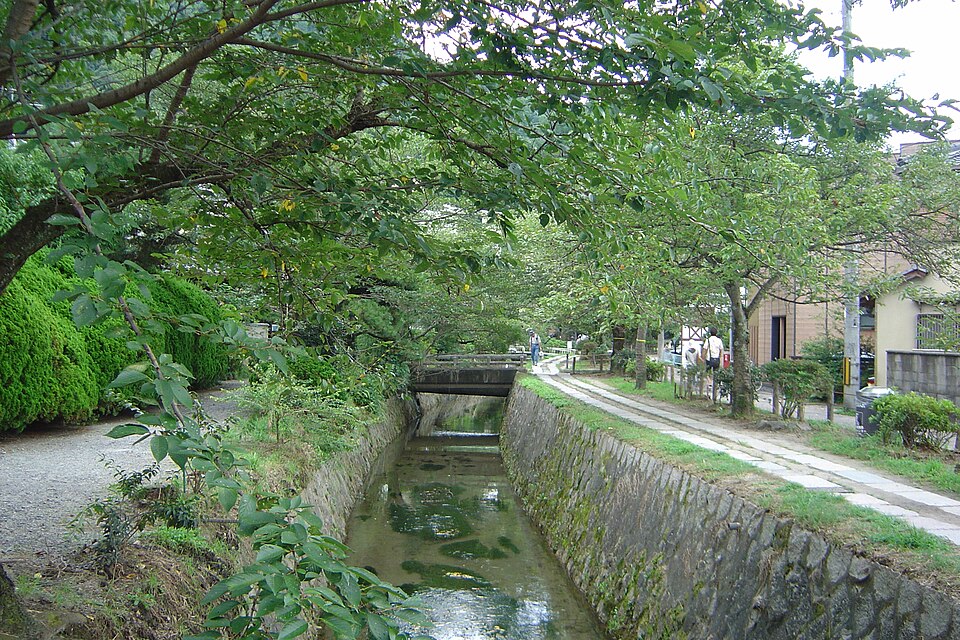
10Philosopher's Path goodbye→departure
Best for
The classic first Japan arc with a 2 year old: Tokyo's parks and pandas, one perfect train ride, and Kyoto's icons taken at toddler height
Car needed
No, at any point. Trains, trams, buses and the stroller cover all ten days
Where to stay
Nihonbashi or Ueno in Tokyo; downtown Kawaramachi in Kyoto
Best months
Late October into November, exactly as planned: autumn colour, dry skies, shichi-go-san season
Pace
One anchor, one park, one early dinner. The train day is its own event
Robin recommends
The anchor-then-park pairing is this plan's engine: every temple, shrine and market is followed by lawns or a riverbank where the toddler cashes in the patience they just spent. Protect that second half of each day fiercely
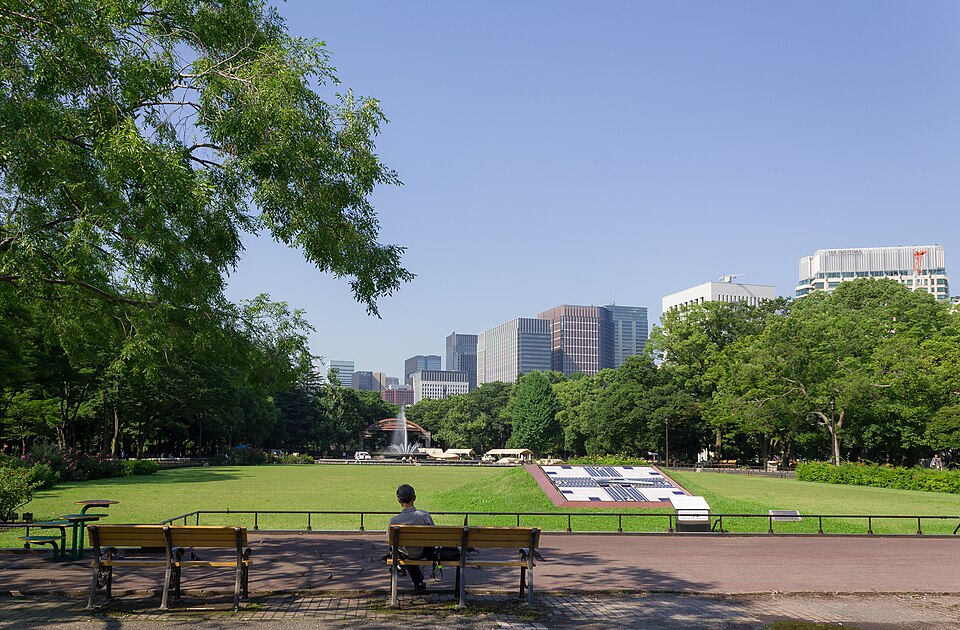
You land, settle into the Nihonbashi-area hotel, and ease in with a slow evening stroll, no big ambitions today, just Hibiya Park's ponds and an early dinner at the park's own century-old café-restaurant.
A 1903 park-side restaurant inside Hibiya Park itself, gently Western menu that welcomes families.
Robin's tip. Nothing on this day is compulsory except the park. Hibiya's fountain and lawns fix jetlagged toddler energy better than any hotel room, and dinner at 18:00 in a grand old Western-style dining room is a gentle first bow to Japan.
Day 2 · Tuesday
Day 2: Pandas and the pond
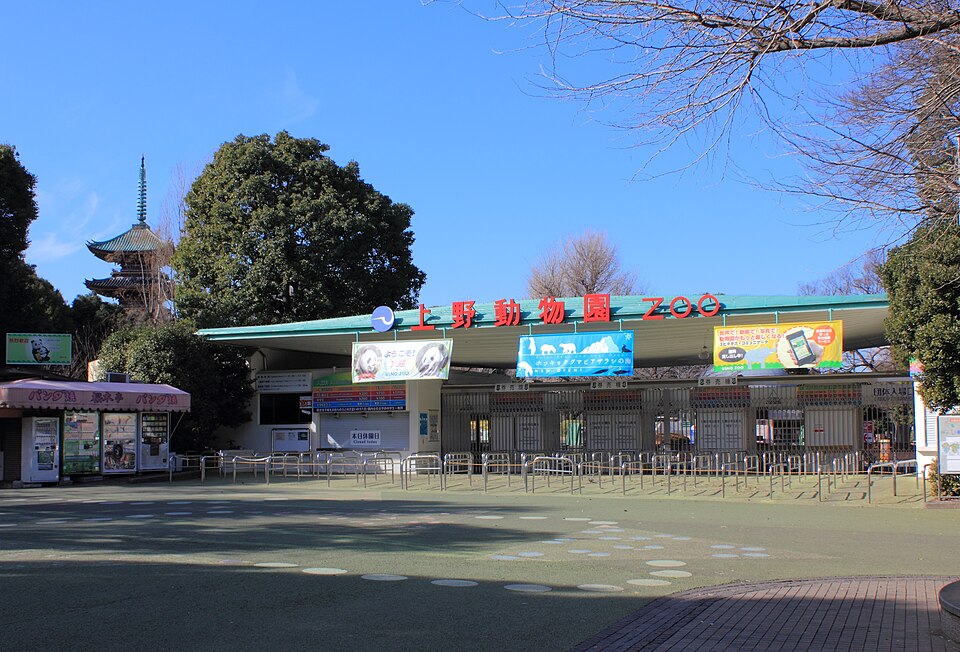
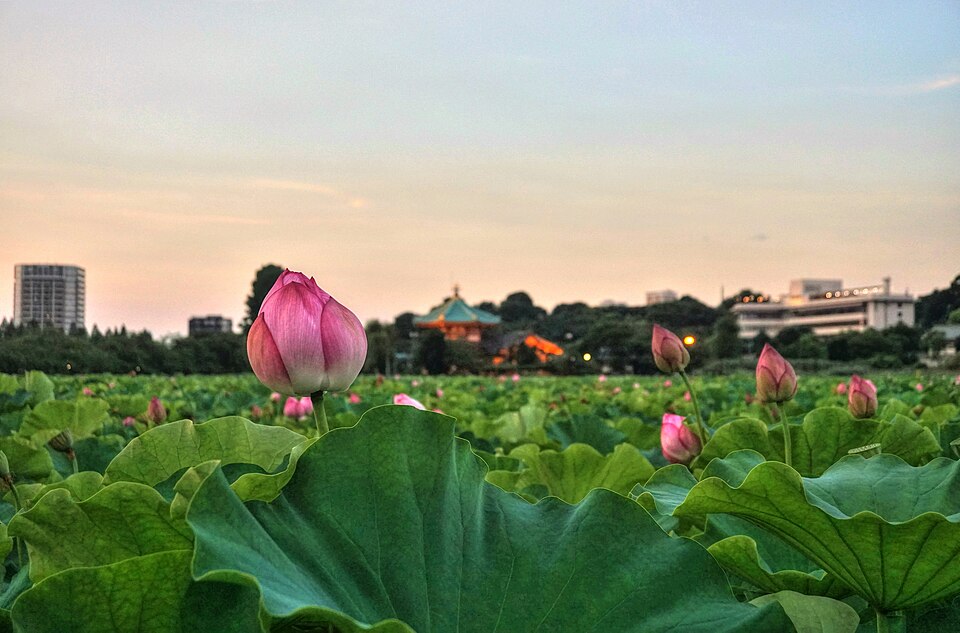
Ueno is the day's whole story: the zoo's giant pandas double as your headline sight AND your toddler stop, with Shinobazu Pond's lotus-lined path as the perfect flat nap-time walk afterward.
Family-style Chinese spot near the hotel, easy sharing plates for a toddler's taste.
Robin's tip. Ueno Zoo at opening, forty-five minutes, out while it is still magic. The curry lunch nearby is mild, fast and toddler-proof, and Shinobazu Pond's boardwalk is the afternoon nap on wheels.
Day 3 · Wednesday
Day 3: Incense and slides
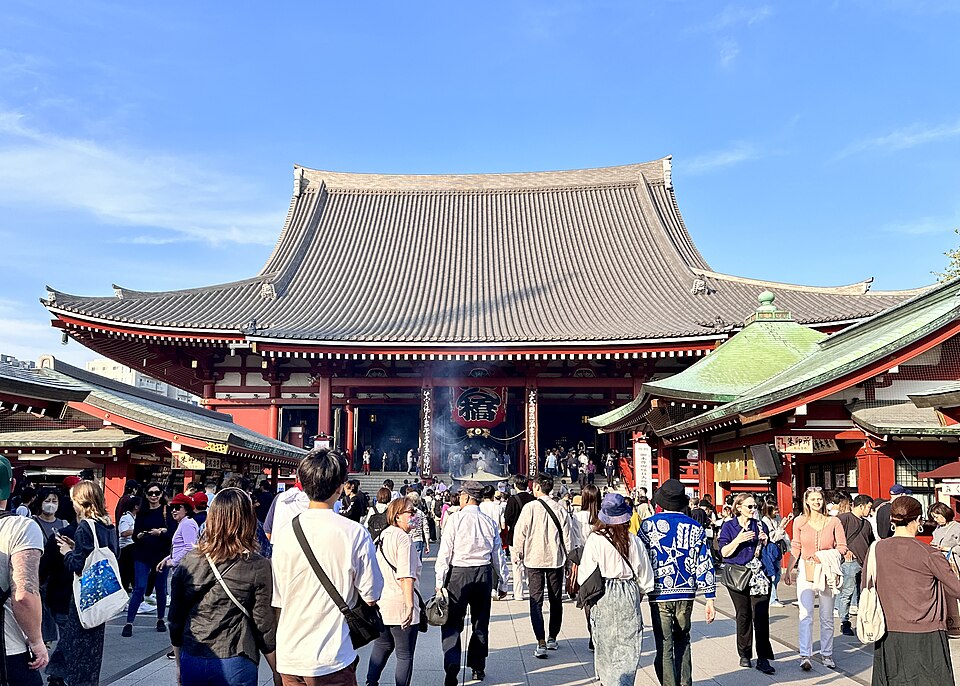
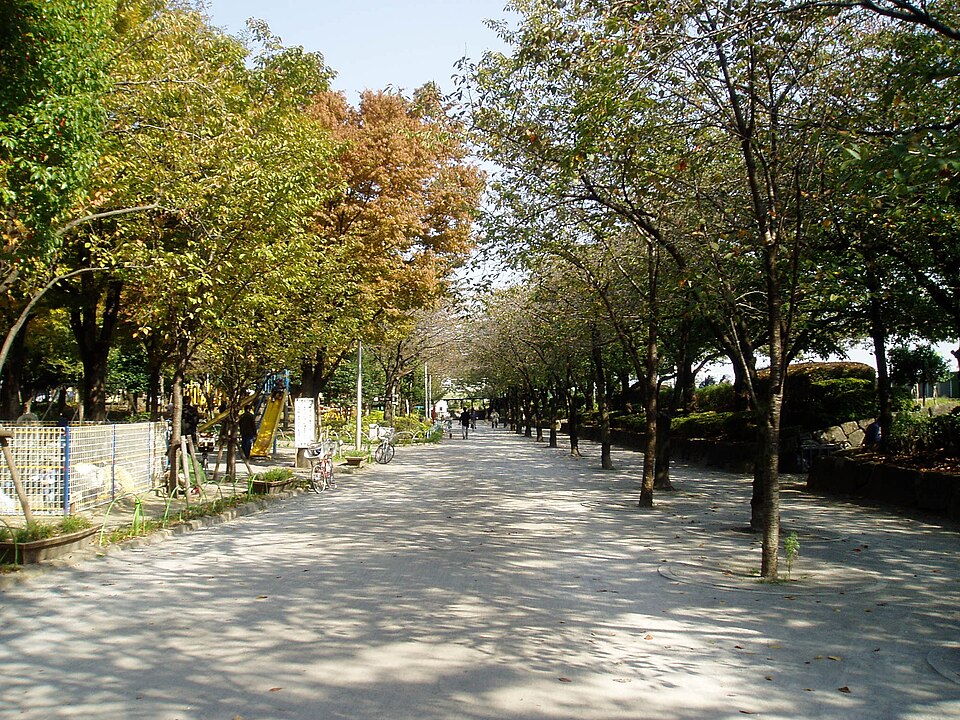
Senso-ji's Kaminarimon gate and incense smoke in the morning, then Sumida Park's riverside playground with Skytree views for running-around time, thread it together with a stroller walk along the river.
Relaxed dinner near the hotel, family-easy menu after a full day out.
Robin's tip. Senso-ji's courtyard smoke, the huge red lantern and the pigeon multitudes are a full sensory meal for a 2 year old; the Sumida playground directly after is where it all gets processed. Lunch is deliberately unpinned; the yokocho lanes around Asakusa are full of noodle rooms that seat families instantly at 12:45.
Day 4 · Thursday
Day 4: The forest day
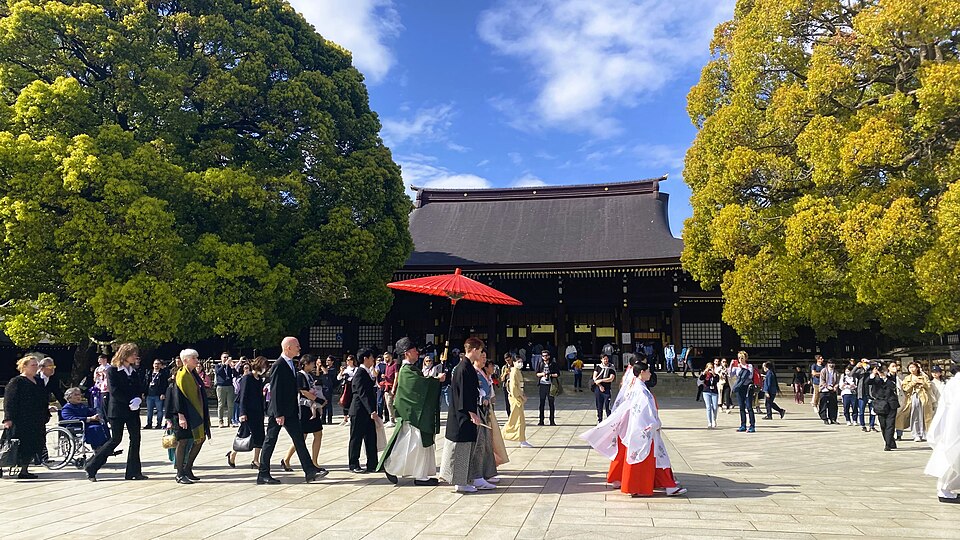
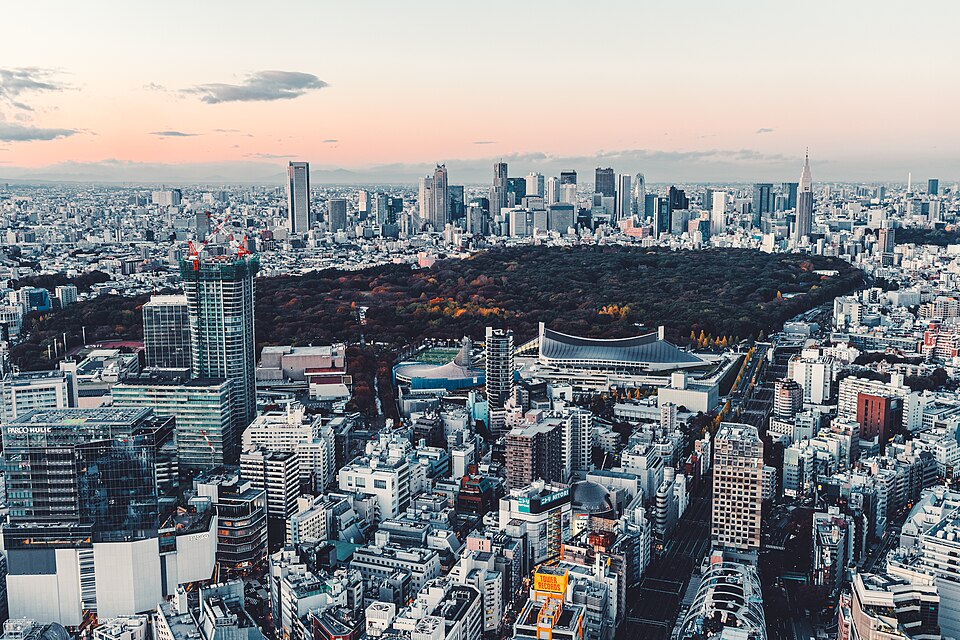
Meiji Jingu's gravel forest paths lead into Yoyogi Park, where the toddler can finally sprint across real grass, a gentle, green day after two busier ones.
Comfortable Cantonese dinner back near the hotel, quick service suits toddler patience.
Robin's tip. Meiji Jingu's gravel means the carrier; Yoyogi's lawns mean freedom. If you cross a wedding procession at the shrine, stand still and let the toddler stare, everyone else is doing exactly the same thing.
Day 5 · Friday
Day 5: Market morning, garden afternoon
Tsukiji Outer Market's food-hall alleys are for grazing and browsing (interest: food halls!), then Hamarikyu Gardens' tidal pond and open lawns make an easy stroller nap-walk by the water.
Historic soba house dating to the Meiji era, a genuine local specialty dinner.
Robin's tip. Tsukiji at 10:00 is grazing at toddler pace: tamagoyaki on a stick, strawberries, one perfect onigiri. Keep the stroller out of the tightest lanes and lunch light, because Hamarikyu's lawns and tide-pond are the real destination.
Day 6 · Saturday
Day 6: The train IS the day
The shinkansen ride itself is today's headline, window seats, Fuji if you're lucky, and by afternoon you're settled in Kyoto with an easy first look at the Kamogawa riverbank at dusk.
Relaxed local izakaya-style dinner within walking distance of the river.
The Shinkansen morning, three ways
If you want the smoothest versionRun it as planned: 09:30 departure, last-row reserved seats with the stroller stowed behind, ekiben bought at the station hall, Fuji watch from about minute forty.
If you have an early-waking toddler anywayTake an 08:00 train instead and let the ride BE the morning nap; you gain a full Kyoto afternoon and the riverbank at golden hour becomes a proper first chapter.
If you wake to rain in Kyoto's forecastKeep the train but flip the evening: swap the riverbank for the station's own delights, the rooftop plaza and a depachika dinner, and save the Kamogawa stroll for tomorrow's clear sky.
Robin's tip. Window seat, snacks bought at Tokyo Station's ekiben hall, Mount Fuji on the right side about forty minutes in if the sky cooperates. Kyoto by lunch, riverbank by golden hour, and the toddler now believes trains are the best thing humans build. They are not wrong.
Day 7 · Sunday
Day 7: The thousand gates, at toddler scale
Fushimi Inari's lower torii gates give you the iconic photo without demanding the whole mountain, and the shaded approach paths give a toddler plenty of room to dart between gates.
A quiet, family-easy tempura or udon spot along the lantern-lit lanes.
Robin's tip. Fushimi Inari's lower gates give you the photograph without the mountain; the plan's playground stop right after is the reward. Gion's backstreet dinner works at 18:00 when the lanes are lantern-lit but not yet crowded.
Day 8 · Monday
Day 8: Bamboo morning
Arashiyama's bamboo grove is the postcard moment, and the Togetsukyo riverbank park right below it is where the toddler gets to throw stones and watch the boats.
Easy neighborhood dinner to close a full day gently.
Robin's tip. The grove before 10:30 or the crowds swallow the stroller; the riverside park by Togetsukyo Bridge is where the morning breathes out. The rattling little Randen tram home is scheduled as the nap, and it delivers.
Day 9 · Tuesday
Day 9: Gold, lawns, market
Kinkaku-ji's gold reflection on the pond is unforgettable even at toddler height, and Kyoto Gyoen's vast open lawns afterward are the best free-running space in the city.
Robin's tip. Kinkaku-ji is a forty-minute visit at any age; Kyoto Gyoen's gravel-and-lawn expanse afterwards is the toddler's palace. At Nishiki, graze rather than sit: tamagoyaki skewers, fruit cups, sesame soft-serve, and out before the aisle narrows your patience.
Day 10 · Wednesday
Day 10: The quiet goodbye
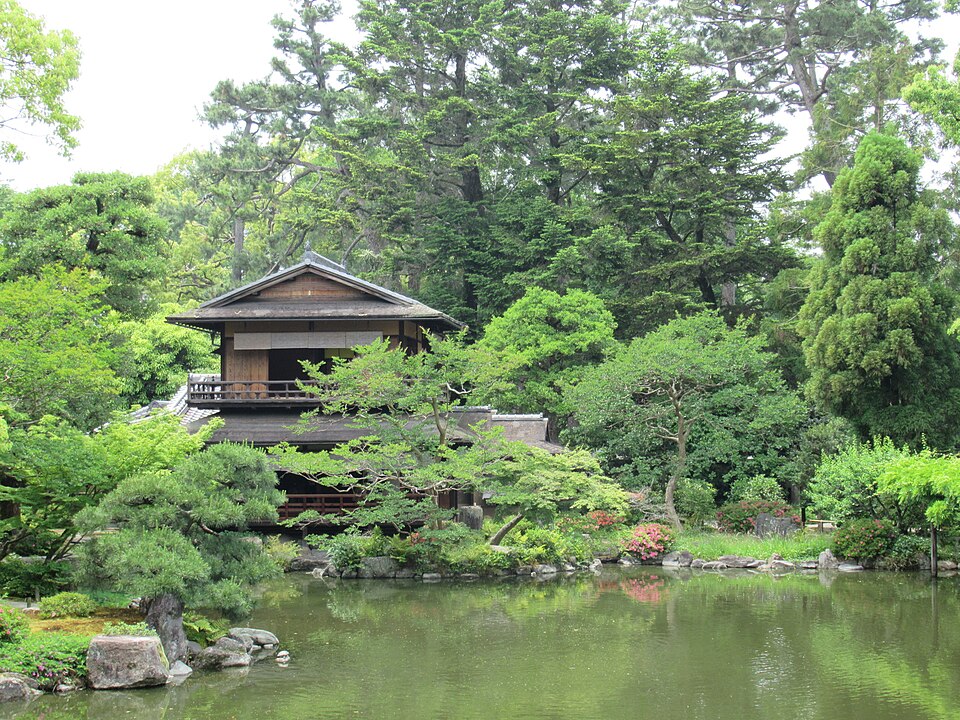
A last unhurried morning on the Philosopher's Path, flat, canal-side, and quiet before the crowds, closes the trip gently before you head to the station.
Checkout by 11:00; use the rest of the morning to pack up before heading onward.
Robin's tip. The Philosopher's Path is flat, canal-side and nearly empty at 10:00 in early November, with the maples just turning. One slow hour, one light lunch, and leave for the station with everyone still liking each other.
Bucket-list foods in Tokyo
Ekiben on the Shinkansen
The boxed station bento is a national art form, and eating one at 280 km/h while Fuji slides past is the single most Japanese meal of the trip. Buy at Tokyo Station's ekiben hall before boarding; the toddler gets the onigiri box.
On this trip: Day 6, Tokyo Station, before the 09:30 departure
Tamagoyaki from a market griddle
Sweet rolled omelette on a stick, warm, soft and engineered by history for toddler hands.
On this trip: Tsukiji Outer Market on day 5 and Nishiki Market on day 9
Soba in an old room
Noodles are the universal toddler cuisine and Japan's oldest soba rooms have fed more children than any restaurant category on earth. Cold zaru for you, warm plain kake for them.
On this trip: 神田藪蕎麦 (Yabusoba), day 5 dinner
Taiyaki and chitose-ame season
The warm fish-shaped waffle everywhere, and in November the long red-and-white candy sticks of shichi-go-san appear at every shrine stall. One of each is the law.
On this trip: Shrine approaches on days 3, 4 and 7
Where to stay for this itinerary
Stay in Tokyo: Nihonbashi / Tokyo Station area if…
you want day 6's Shinkansen morning to be a ten-minute stroll instead of a cross-town scramble
you like quiet evenings; the area empties gently after office hours and the river walks are lovely
depachika access matters, with Takashimaya and Mitsukoshi's food basements at your doorstep
Stay in Kyoto: Kawaramachi / downtown if…
you want Nishiki, the Kamogawa riverbank and a hundred dinners within a flat ten-minute walk
you plan to bus out to the sights each morning and float home each evening
an apartment-style room with laundry appeals; ten days with a toddler generates laundry as a natural law
Before you go
How does the Shinkansen work with a stroller and a 2 year old?
Beautifully, with one reservation trick: strollers are explicitly exempt from the oversized-baggage rule, but reserve the last row of a reserved car anyway, where the space behind the seats swallows the stroller whole. Under-6s ride free on a lap; the ride is two and a quarter hours of the best window television in the world, and the food trolley sells the emergency ice cream.
Several meals just say 'lunch near X'. Why?
Because with a 2 year old, the right restaurant is the nearest good one when hunger actually strikes, not a name booked three months ago. The rule that never fails in Japan: follow the office workers at noon, look for a picture menu and a short queue, and order the plain udon for the toddler. The depachika basement and the konbini are the honourable fallbacks, and no Japanese parent would blink at either.
Can we do a fancy kaiseki or ryokan dinner with a toddler?
A multi-course kaiseki restaurant at 19:00 is a poor fit at age 2, and this plan does not schedule one. The workaround that works: a ryokan or hotel plan with dinner served in your own room, where the toddler can fall asleep on the futon mid-course and nobody minds. If you add a ryokan night, book exactly that format.
What is shichi-go-san and why does it matter for these dates?
It is the November rite where three, five and seven year olds are dressed in miniature kimono and taken to shrines for blessings, photos and a long candy stick called chitose-ame. Your late-October and early-November shrine visits will share the grounds with the best-dressed toddlers in Japan, and your own child will collect a great deal of delighted attention by association.
November crowds in Kyoto: how bad?
The famous spots run on opening-hour discipline: this plan hits the bamboo grove, Kinkaku-ji and Fushimi Inari's lower gates all before 11:00, which is the entire strategy. Afternoons belong to riverbanks, lawns and the tram, where autumn-leaf season cannot crowd you. Do not add an afternoon temple; that is where the plan's calm goes to die.
Do we need cars or taxis anywhere?
No. Both cities run on trains and buses for this plan, and Japanese taxis, while legally exempt from the child car seat rule, are the lap-held exception you never actually need here. If you want a seat-equipped ride for an airport leg, kids taxi services install a proper car seat when booked a day ahead.
The toddler reality check
This is the classic Japan arc rebuilt around a 2 year old, and the structure holds up: one anchor plus one park every day, single-area days, naps as riverbank walks or tram rides, dinners at 18:00, and a single mid-trip move done by the world's most toddler-friendly train. Its weak point is meal specificity, several lunches are left as areas rather than names, which the nearest-good-room rule and the depachika turn from a flaw into a strategy. Book the two hotels, reserve the last-row Shinkansen seats, and the logistics are done.
Car seats across ten days: what is needed?
Nothing between the airports, because no car appears anywhere in this plan: it runs entirely on trains, trams, buses and feet. Taxis are legally exempt from the child car seat rule and carry none, so for airport legs either ride the trains or pre-book a kids taxi with an installed seat about a day ahead.
High chairs in two cities?
Department-store restaurant floors, family chains and bigger rooms will have a high chair or booster; tiny counters and venerable soba rooms often will not, and zashiki floor seating happily replaces the chair altogether. A fold-flat fabric booster in the stroller basket covers every remaining case across both cities.
How are toddlers received in restaurants?
Kindly and calmly everywhere on this route: expect a toddler cup and small plate to appear unprompted, and the 18:00 first seating to be quiet enough that a wobbly dinner is nobody's problem. The only true mismatch is formal kaiseki pacing, which this plan simply avoids.
Stroller or carrier for this route?
Both, used by terrain: the stroller owns the city pavements, riverbanks, Odaiba-flat parks and the Philosopher's Path; the carrier owns shrine gravel at Meiji Jingu and Fushimi Inari, the bamboo grove's crowds, and Nishiki's narrow aisles. Every station on the route has elevators; transfer stations just make you hunt for them.
Late-October and November weather?
The trip is timed for Japan's finest stretch: Tokyo around 18C and dry, Kyoto crisp mornings near 8C warming to sweater afternoons under turning maples. Pack layers and one warm jacket each, and keep one indoor swap per city for a rainy morning; you will probably never use it.
How do locals react to a visiting toddler?
With quiet delight that compounds in shichi-go-san season, when shrines celebrate small children by design: expect kawaii pronounced like a blessing, stickers and sweets materialising from shopkeepers, and grandmothers bowing to your stroller. The public calm asks only the step-off-the-train courtesy in return, and trains come every four minutes.
Raising kids in Japan: fun facts
Shichi-go-san, the November blessing festival for ages three, five and seven, means the Kyoto shrines on this plan will be full of toddlers in formal kimono clutching metre-long candy sticks.
Japanese first-graders carry the randoseru, a sculpted leather backpack designed to last all six years of elementary school and often gifted ceremonially by grandparents.
A beloved national TV show, Old Enough, films toddlers running their first solo errands, and the entire country watches a three year old buy fish cakes with its heart in its throat.
The Shinkansen's cleaning crews turn an arriving train around in seven minutes, bowing to the carriage as they finish, which is also roughly the attention span budget for showing this fact to your 2 year old.
7 days
Have 7 days?
Cut Tokyo to three nights
Keep the pandas, Senso-ji and the Meiji forest; fold the market morning into the departure day. The Kyoto half stays whole, because its rhythm is the gentler of the two.
Move the train day earlier
With seven days the Shinkansen shifts to day 4; keep it a morning ride so the Kamogawa evening still lands.
14 days
Have 14 days?
Add Osaka as a day trip, not a move
Kaiyukan aquarium is fifteen Shinkansen minutes plus a metro ride from Kyoto; a 2 year old gets a whale shark without anyone repacking a suitcase.
Add a ryokan night with in-room dinner
Two spare nights buy the classic inn experience done the toddler way: dinner served on your own tatami, futons down early, an onsen taken in shifts.
Make this itinerary yours
This trip was built for a typical first visit. You aren't typical. Find your loves, your budget, and your perfect Tokyo adventure by building on this trip with Hey Robin.
 Planned by Robin
10 days · 45 stops
Planned by Robin
10 days · 45 stops


.jpg)


