12:00–13:00
1Nishiki Market Eat
Graze a few stalls for lunch, the market's narrow arcade is stroller-workable if you go slow and skip the busiest midday hour.
Nishikikoji-dori, Nakagyo Ward, Kyoto
Kyoto with a 2-year-old works if you accept two truths: the famous mornings belong to early risers, and the gravel belongs to the carrier. This November plan uses both. Each day takes one headline temple at its quietest hour, hands the afternoon to a riverbank, park or aquarium where a toddler can actually run, and seats you for dinner by 18:00. Peak-foliage Kyoto is crowded; a toddler who wakes at six is, for once, your competitive advantage.
 Planned by Robin
4 days · 17 stops
Planned by Robin
4 days · 17 stops
Graze a few stalls for lunch, the market's narrow arcade is stroller-workable if you go slow and skip the busiest midday hour.
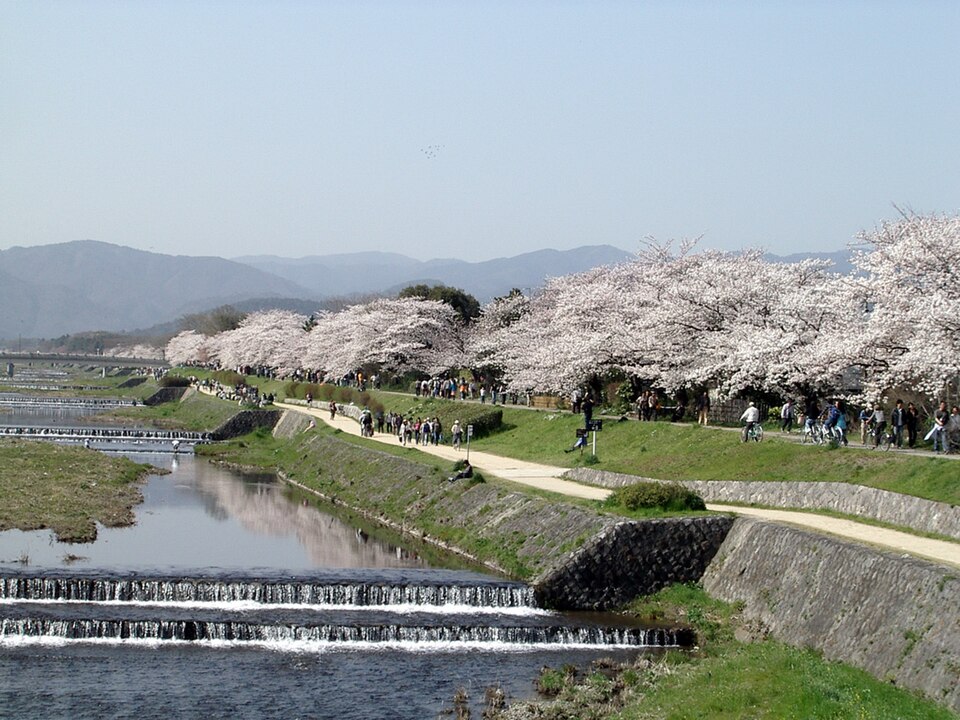
The paved path along the west bank is flat and wide, the toddler can toddle, chase pigeons, and you can just breathe after the flight.
Classic saba-zushi shop near Gion, quick service and simple flavors that toddlers tend to actually eat.
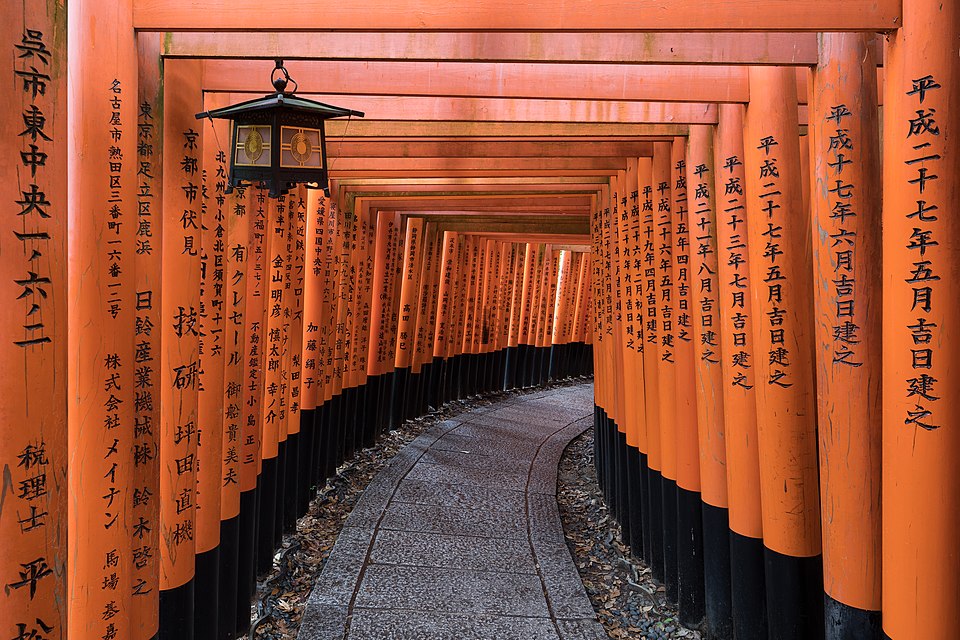
Go early and just do the lower approach through the first few hundred vermilion torii, flat, photogenic, and done well before crowds or a meltdown.
Casual noodle shop along the approach road, quick, kid-tolerant, no reservation needed.
A long, flat stroller walk north along the river from Shijo toward Demachiyanagi, the rhythm of the path is built for an afternoon nap.
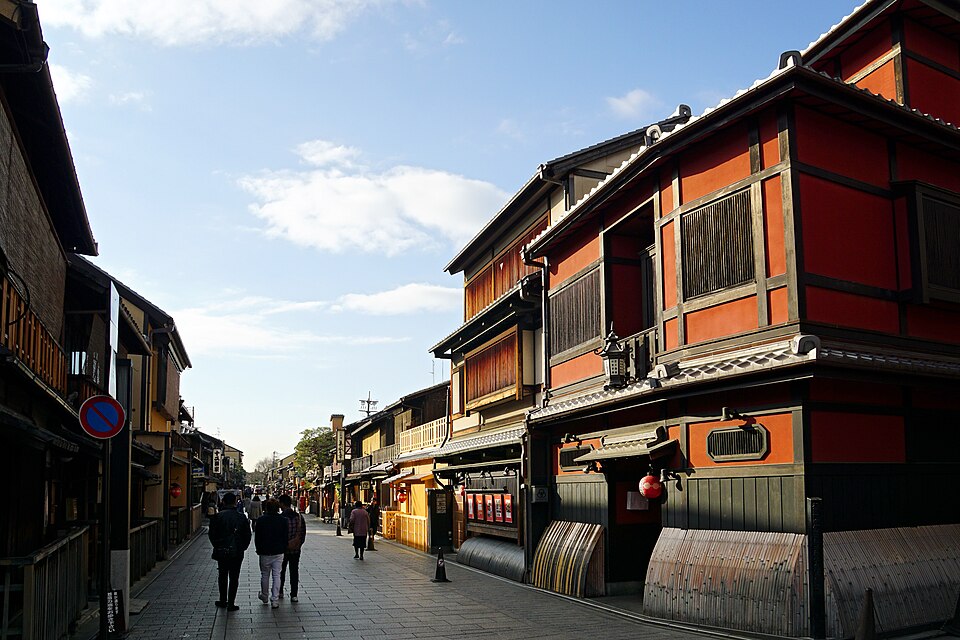
Quiet lantern-lit lanes like Hanamikoji are easy on stroller wheels and lovely as the light goes gold.
400-year-old soba house with simple, mild dishes and a calm dining room that welcomes families.
Arrive at opening for the clearest view of the golden pavilion mirrored in the pond, before tour buses fill the path.
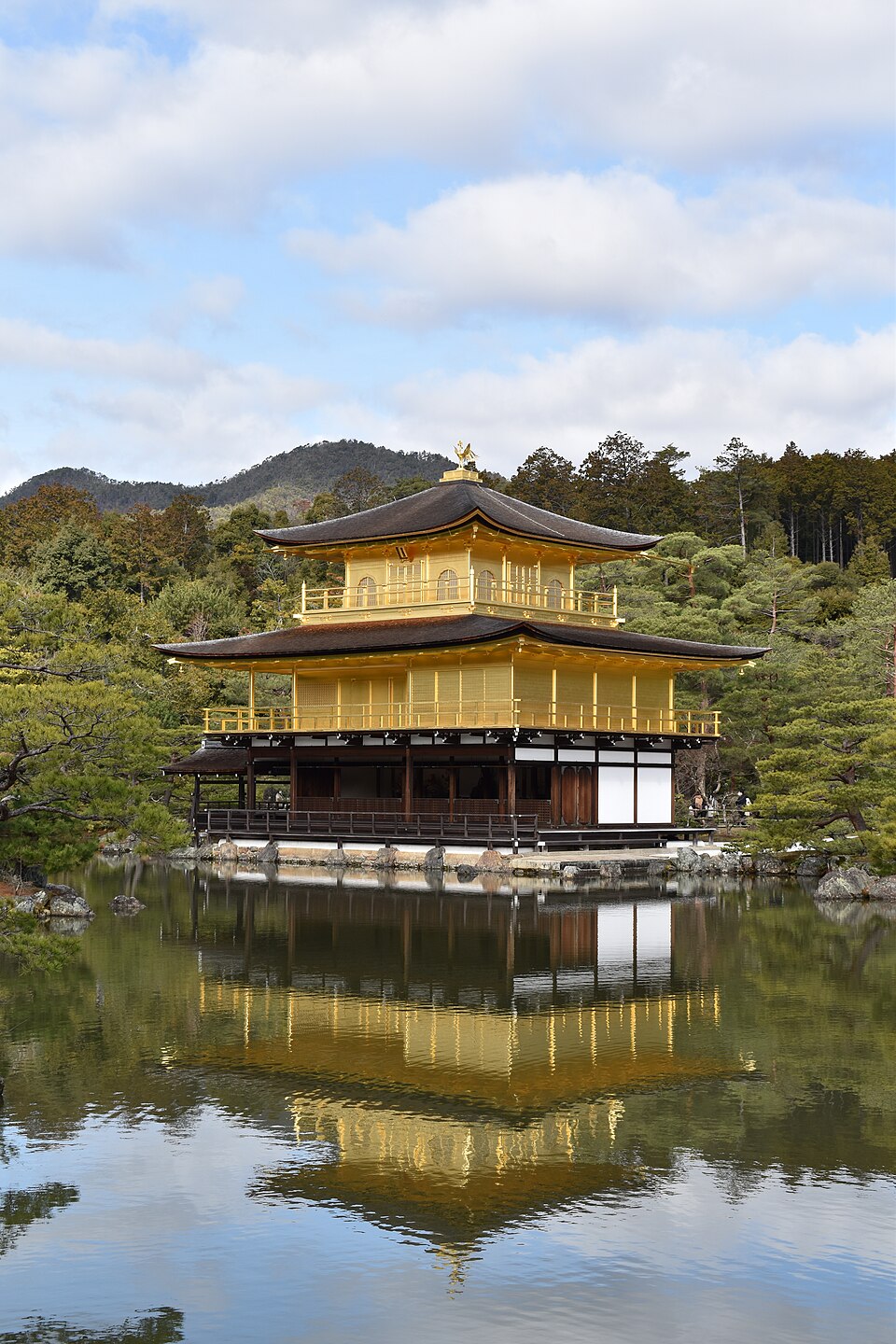
Simple noodle or curry spot on the approach road for an easy, fast midday meal.
Wide lawns for running plus, next door, tanks set low enough for a toddler to press their nose against, the steam locomotive museum is visible from the park path too.
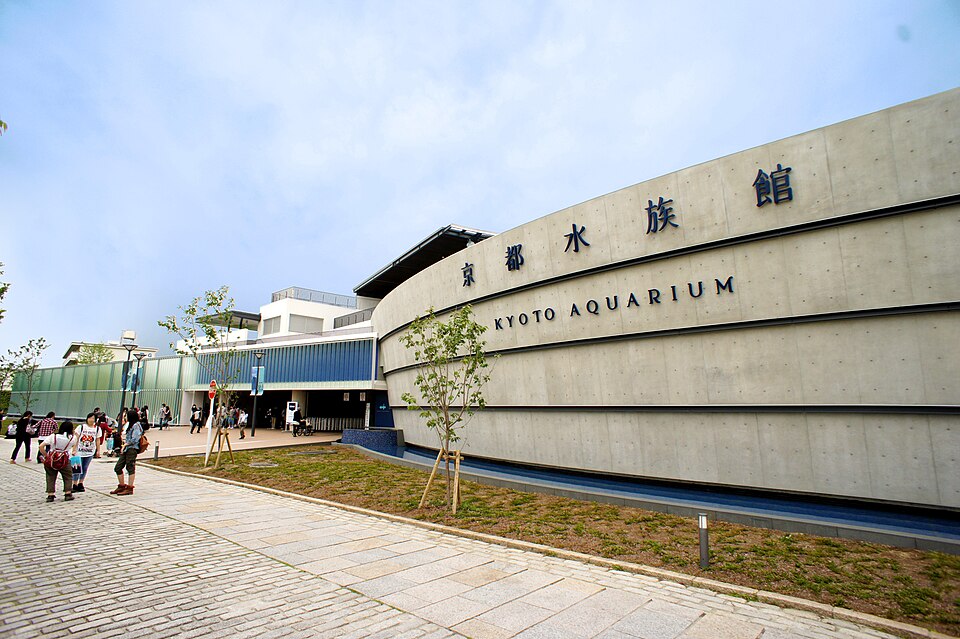
Family-friendly izakaya-style spot close to the park with tatami and kids' portions common in the area.
Come right at opening light, the grove is nearly empty before 9:30 and the path is flat gravel, fine for a stroller.
Yudofu specialist a short walk from the grove, mild, warm, and easy for small mouths.
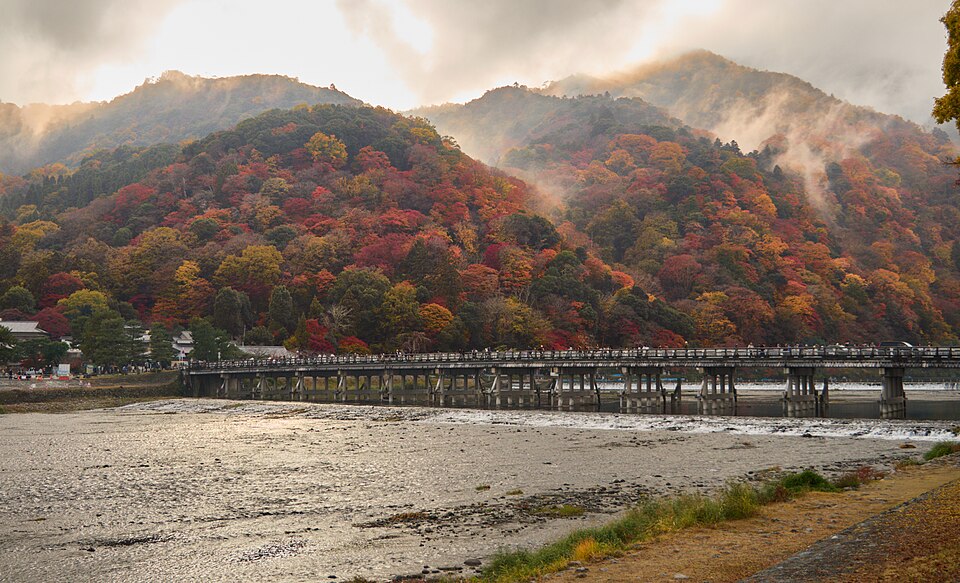
A grassy river-island park by the Togetsukyo Bridge with open space to run and boats drifting past, good nap-timed stroller loop if you circle it slowly.
The bridge frames Arashiyama's hills beautifully as the light lowers, a calm last look before heading back.
Keep it easy and close on the last night, a neighborhood spot with simple set meals to close out the trip without a late night.
Warm rolled omelet by the skewer, sweet enough to read as toddler cake, plus fruit cones and sesame ice cream along the same two hundred meters.
Izuju across from Yasaka Shrine has served pressed mackerel sushi for over a century; the tamago pieces keep the small person busy while you work through the box.
Honke Owariya has fed Kyoto since 1465. Plain zaru soba is toddler-slurpable, and the quiet rooms reward a 17:30 arrival.
Simmered tofu is gentle, warm and exactly what a toddler will eat after a bamboo morning.
The afternoon ritual. Order the vanilla-matcha swirl so the 2-year-old discovers matcha at half strength.
No, and legally they need none: Japan's under-6 car seat law exempts taxis, so short lap-held hops are legal and what local families do. In foliage season taxis are worth their fare because the buses run crushed; the GO app hails them in English, just without any child-seat option. For airport or Shinkansen transfers, book a car with a child seat specified in advance.
Both, used correctly. The riverbank, Umekoji and downtown are stroller-easy; temple approaches are gravel and most buildings stop wheels at the door, so every headline morning on this plan is a carrier morning. In November crowds the carrier also gets you through Arashiyama's lanes at three times stroller speed.
They are deliberately unbooked. Kyoto seats early, restaurants open around 17:00 and a walk-in at 17:30 beats a reservation at 19:30 with a toddler. Pick any door showing a high chair, a booth or zashiki floor seating; when in doubt, the depachika under Daimaru on Shijo sells a superb picnic dinner, and kaiten-zushi booths are the reliable crowd-pleaser.
At Kiyomizu, Tofuku-ji and Arashiyama on a mid-November weekend: severe by ten. This plan works around them with opening-hour starts, weekday-style timing and afternoons in parks that never fill. Trains and taxis over buses is the other half of the answer.
No, it is Kyoto's driest, sunniest month: days of 12 to 16 degrees made for walking, evenings near five that want a real coat, mittens and a footmuff on the stroller. Pack layers and the weather becomes the trip's best feature.
Honestly, no, multi-hour hushed courses and toddlers do not mix. The workable version is a ryokan that serves dinner in your room, which is common: same food, private tatami, toddler asleep in the corner by course five. Ask Robin to swap one night if that appeals.
This plan passes the toddler test by splitting every day in two: a carrier-morning headline taken at its quietest hour, then an afternoon that belongs entirely to the child, riverbanks, Umekoji's playground and aquarium, a riverside park. Naps ride the flat Kamo walks, every dinner seats by 18:00, and nothing on the plan asks a 2-year-old to be quiet for longer than a temple path takes to walk. November's only tax is cold evenings and famous crowds, and the plan pays both with layers and opening-hour starts.
Not inside Kyoto: taxis are legally exempt from Japan's under-6 car seat law and carry none, so short hops are lap-held and normal. Book the airport or station transfer with a child seat specified in advance, and reserve a seat with any rental car, rentals have no exemption.
Chains, department-store restaurant floors and food courts yes; small atmospheric places often not. Zashiki floor seating solves it better than any high chair, ask for it, and a portable chair harness earns its bag space for everywhere else.
Kindly, especially at 17:30 when rooms are empty and staff have time to fuss. Early dinners are the local norm, not a tourist compromise. The only true no-go is formal kaiseki; in-room ryokan dinners are the family version of the same meal.
Downtown and the riverbanks are flat and easy; temple gravel and November bus crowds are not. Plan carrier mornings and stroller afternoons, prefer trains and taxis over buses, and expect exactly one elevator per station, occasionally at the platform's far end.
Helping, mostly: November is dry and often sunny with highs around 14 degrees. Evenings drop toward five, so the 18:00 dinner slot doubles as the warm-up, and the stroller footmuff stops being optional after dark.
With warmth and the occasional gift, and in mid-November with fellow-feeling: shichi-go-san season fills the shrines with local three-year-olds in kimono, so yours will be one celebrated small child among many. Quiet-in-public is the train norm; a parent visibly soothing a loud moment gets sympathy, not stares.
Drop day 1, land into an afternoon Kamo walk instead, and take Nishiki's grazing lunch after Fushimi Inari on what becomes your first full day.
Kinkaku-ji plus Umekoji is the day engineered for the 2-year-old, cut anything else first.
Kyoto Gyoen is a vast free expanse with playgrounds and gravel avenues wide enough that the stroller works again, locals treat it as the city's family lawn.
Under an hour by train: bowing deer on flat park lanes, with crackers kept firmly in a parent's hand. Ask Robin to build either day around your dates.
This trip was built for a typical first visit. You aren't typical. Find your loves, your budget, and your perfect Kyoto adventure by building on this trip with Hey Robin.
Finish this itinerary FREE at Hey Robin →


