10:00–10:45
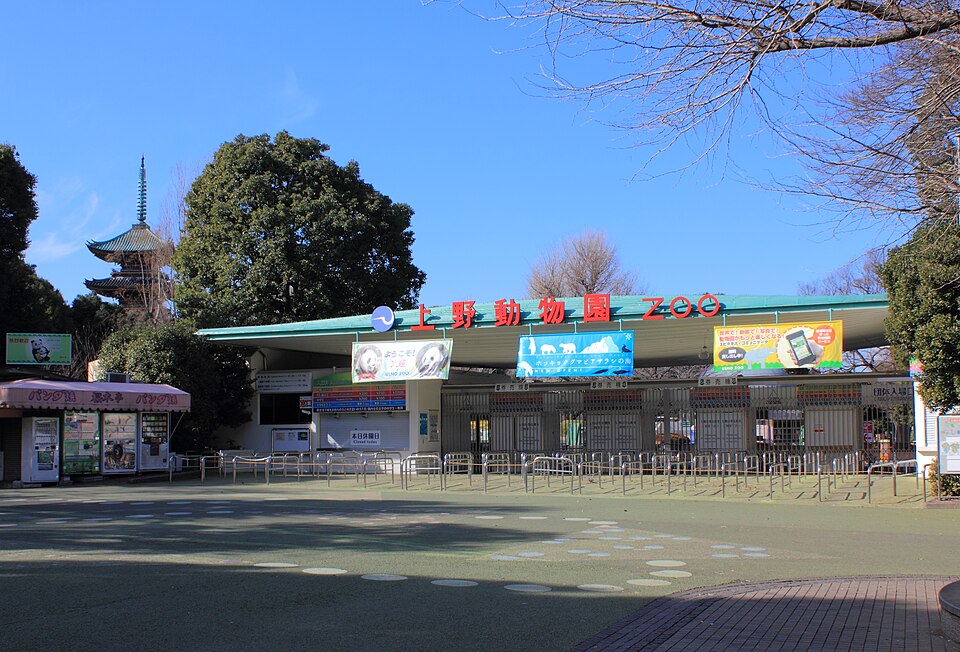
1上野動物園 (Ueno Zoo) Sight
Head straight for the pandas (Shinshinchi area) before the 11am crowd; stroller-friendly paths throughout.
Tokyo is secretly one of the world's great toddler cities: immaculate baby lounges in every department store, parks at every scale, food a 2 year old will actually eat, and a public culture that runs on kindness to small children. This 5-day plan keeps each day in one neighbourhood, pairs every famous sight with a park to run in, and treats the city's spotless nursing rooms as your base camps. The only real adversaries are transfer-station elevator hunts and your own ambition.
 Planned by Robin
5 days · 19 stops
Planned by Robin
5 days · 19 stops
Head straight for the pandas (Shinshinchi area) before the 11am crowd; stroller-friendly paths throughout.
Casual stalls and small kid-easy eateries along Ameya-Yokocho, right by Ueno station, quick bites, no reservation needed.
The pond's lotus-lined boardwalk is flat and shaded, a perfect nap-time stroller loop with lawns for toddling after.
A converted row of old houses with relaxed, family-friendly cafes and small dinner spots in a quiet garden setting.
Barefoot, water-and-light rooms toddlers love wading through; go right at 10am opening to beat lines.
Waterfront mall with easy, varied kid-friendly counters and harbor views from the terrace tables.
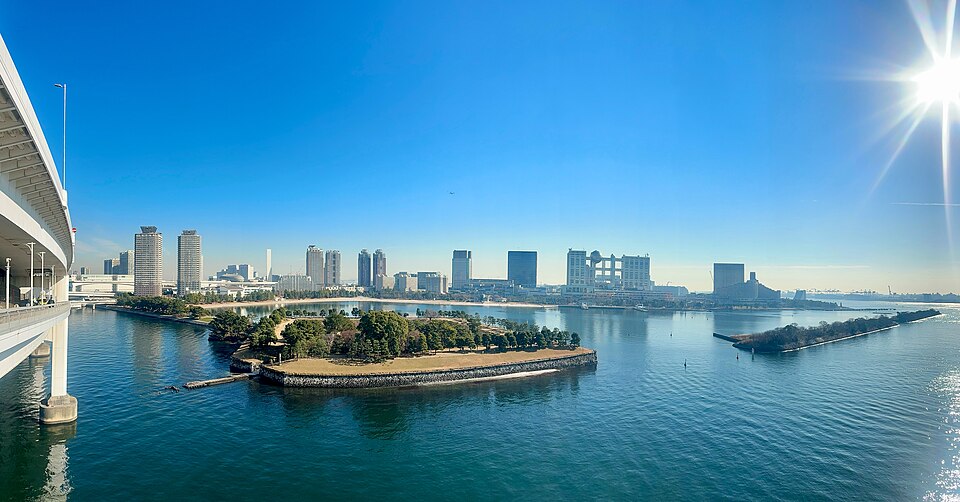
Flat promenade and a shallow man-made beach facing Rainbow Bridge, ideal nap-stroll or barefoot toddler run.
Relaxed Hawaiian-style burger spot popular with families, a short stroll from the beach park.
Tidal pond garden with a floating teahouse (Nakajima), the view across the water framed by Shiodome towers is the postcard shot.
Famed thick tsukemen noodles at Tokyo Station's ramen street, rich local specialty, quick counter seating works fine with a stroller nearby.
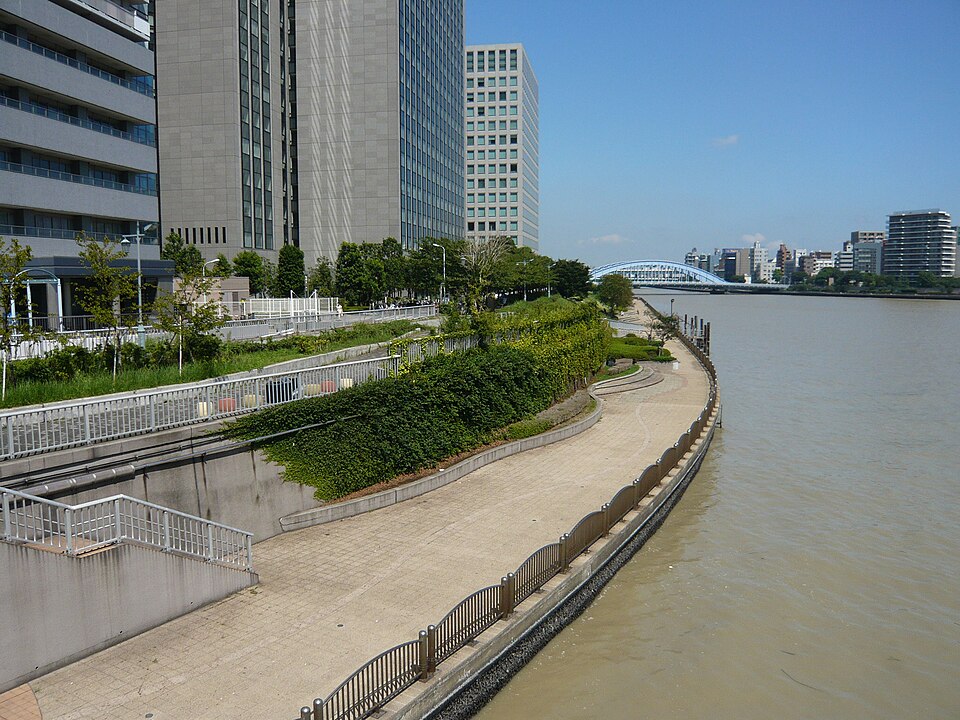
Flat riverside promenade with gentle river breezes, a long, level walk timed perfectly for nap.
Casual sit-down spot in Tsukiji's outer market lanes serving fresh seafood sets loved by locals.
Arrive early, the Kaminarimon gate and pagoda are quiet and photogenic before 10am tour groups arrive.
Compact indoor food hall near Senso-ji with easy, varied local stalls, great for a quick toddler-paced meal.
Right across the river with Skytree views, open lawns and a play structure, ideal toddler run-around after lunch.
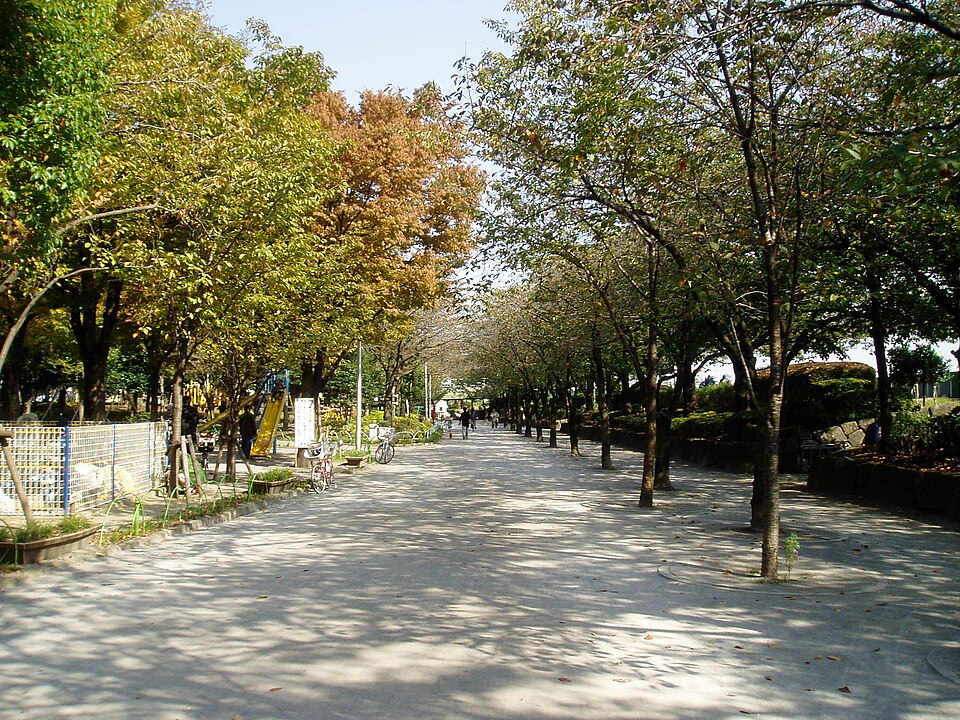
Long-standing sukiyaki restaurant with private low tables, welcoming to families, near the temple.
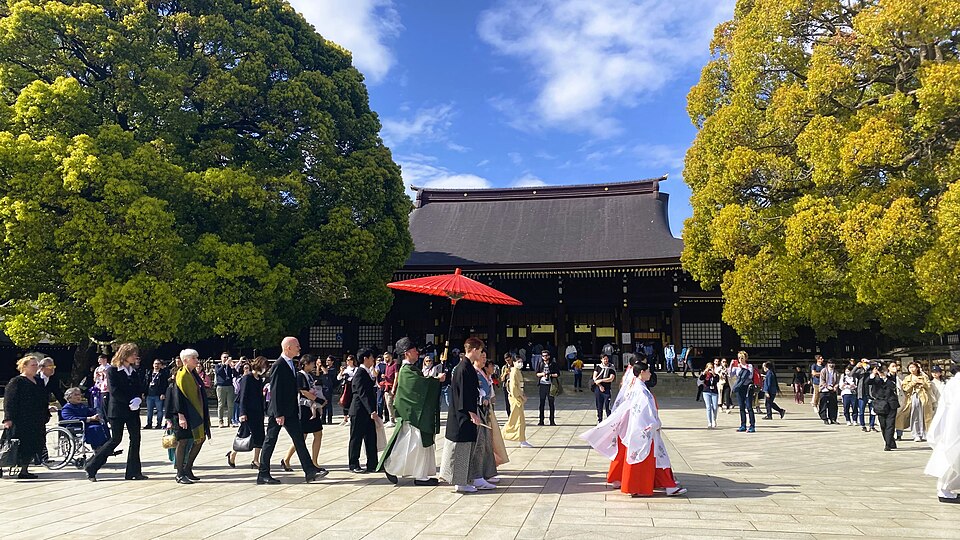
Forested gravel paths under towering trees make a calm, stroller-workable morning walk to the main shrine.
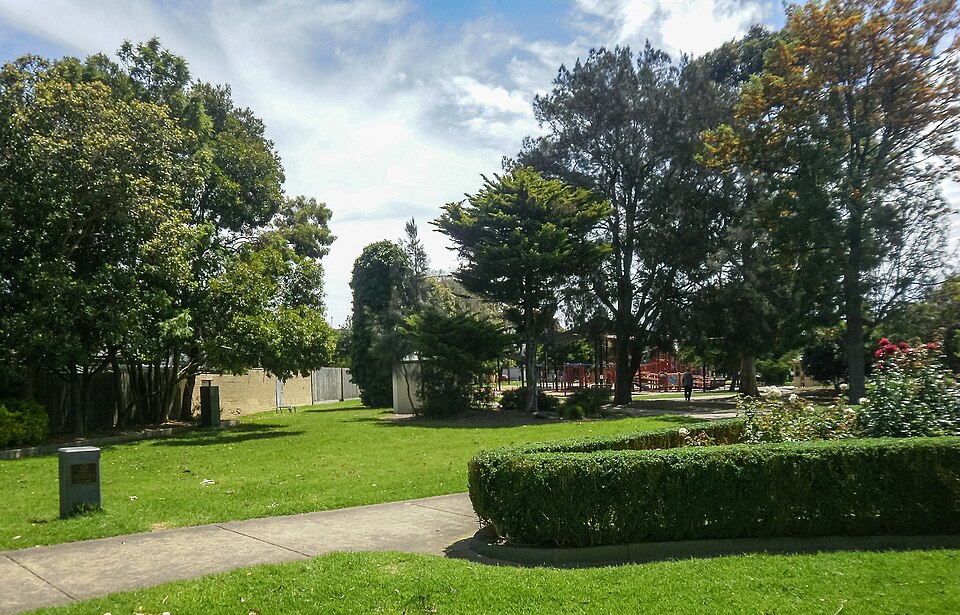
Wide open grass right next to Meiji Jingu, a last easy toddler run before heading toward the airport.
Casual, quick bites near Harajuku station suited to a toddler's patience before the trip home.
The single best restaurant format ever devised for a 2 year old: instant food, visible trains of plates, tamago and cucumber rolls on tap, and a bill that survives a thrown plate.
Ameyoko, Aqua City and the Asakusa halls on this plan are the toddler-lunch strategy in built form: everyone eats a different thing, nobody waits, and the exit is always thirty seconds away.
The basement food floors of the department stores sell the best boxed meal of your trip: onigiri, karaage, fruit cut like jewellery. Buy at 16:00, eat in the park or the hotel, bath by 19:00.
The fish-shaped waffle with custard or red bean, sized exactly for toddler hands. One each; sharing fails.
Standard taxis are legally exempt from the child seat requirement and do not carry car seats; locals ride with toddlers on laps, which is legal but not what your seat at home would call safe. For airport runs and any planned ride, Nihon Kotsu's kids taxi service installs a proper car seat if booked about a day ahead. Day to day this plan simply does not need cars; the trains and your stroller do the work.
Every station has an elevator somewhere; the game is finding it, and at the big transfer stations that can mean a ten-minute hunt. The plan keeps each day inside one neighbourhood precisely to minimise transfers. When you do cross town, ride outside rush hours, follow the elevator pictograms, and know that the bus network is the flat, board-at-street-level alternative nobody tells tourists about.
Yes, because 18:00 is the trick: you are the first seating, rooms are half empty, and staff have time to be charmed. Ask for zashiki floor seating where offered; a floor room is a toddler containment system disguised as tradition. If a listed dinner reads too formal on the night, the food halls under every department store serve until 20:00 and a konbini picnic in the hotel is a completely honourable Tokyo dinner.
Treat it as routing advice rather than judgment: trains run every four minutes, so a brewing meltdown just means stepping off, finding a bench and catching the next one. Nobody will scold you; the etiquette pressure is something visiting parents feel far more than locals apply. Snacks are fine on JR trains, mid-carriage, and the window seat is the best toddler pacifier Japan makes.
This is Tokyo's superpower. Every major department store, most museums and many stations have a baby lounge: private nursing rooms, changing tables, hot water for formula, sometimes even baby scales. The plan's neighbourhoods each have one within a few hundred metres of the sights; make the day's department store your base camp and the logistics disappear.
It is Tokyo's best month: dry, around 20C by day and 10C at night, low rain and the year's cleanest air. Early October can still brush a typhoon tail, so keep one indoor swap in your pocket for each day; by mid-month the blue-sky run usually settles in. Layers over jackets, and the toddler will live happily in long sleeves.
The bones of this plan are exactly right for a 2 year old: one anchor and one park per day, single-neighbourhood days, nap walks after lunch, dinners at 18:00. Its two honest frictions are food choices that occasionally skew adult, which the tips above defuse with food halls, floor seating and the depachika escape hatch, and Tokyo's transfer stations, which the one-neighbourhood-per-day structure mostly sidesteps. Everything else about this city, from the baby lounges to the strangers who will quietly delight in your child, is on your side.
Nothing day to day, because this plan uses no cars: taxis are legally exempt from the child restraint rule and carry no car seat, so the plan routes around them entirely. For the airport, either take the train with the stroller or pre-book a kids taxi with an installed seat about 24 hours ahead.
Bigger restaurants, chains and department-store restaurant floors usually have a high chair or a booster; small counters and old shitamachi rooms often do not. The secret weapon is zashiki floor seating, where no chair is needed at all and a wobbly walker is contained by design. A fold-flat fabric booster covers the rest.
Warmly and quietly: expect oshibori towels handed to small hands, staff who produce a toddler cup unprompted, and fellow diners who smile rather than stare. The 18:00 first seating is the toddler hour; by 19:30 rooms fill with after-work parties and the calculus changes. Family restaurant chains are the any-hour safety net and some even have belted toddler chairs.
World-class and everywhere: this plan alone uses a zoo park, a bay park, a tidal garden, a riverside playground and two forest lawns. Pavements are smooth and drivers are careful; the terrain challenges are shrine gravel at Meiji Jingu and Hamarikyu, where the carrier wins, and station stairs, where the elevator hunt begins.
As good as urban travel weather gets: dry 20C days, cool 10C nights, minimal rain and the year's lowest smog. Pack layers, one warm jacket, and keep an indoor option per day for the small chance of an early-October typhoon brush.
With a quiet, delighted courtesy: priority elevator space, sudden gifts of stickers or candy from shopkeepers, and grandmothers who will tell you your child is kawaii and mean it as a benediction. Japanese toddlers are raised to be seen everywhere, and yours inherits that welcome; the only ask is meeting the public calm halfway, which the step-off-the-train trick handles.
Pandas and the pond, Senso-ji and its playground, then the Meiji forest goodbye: three neighbourhoods, three parks, all of the icons a toddler will remember.
teamLab and the bay park are the plan's most weather-proof day; hold them as the swap rather than a fixture.
Inokashira Park's swan boats and its small zoo make the classic west-side toddler day, with the Ghibli Museum next door if you can win the ticket lottery.
Seven days in Tokyo with a 2 year old should include one day that is only a playground, a food hall and a long nap. It will be everyone's favourite day.
This trip was built for a typical first visit. You aren't typical. Find your loves, your budget, and your perfect Tokyo adventure by building on this trip with Hey Robin.
Finish this itinerary FREE at Hey Robin →


.jpg)