10:00–10:45
1海遊館 (Kaiyukan Aquarium) Sight
The whale shark tank in the central Pacific tank is the showstopper, arrive right at opening to beat tour groups.
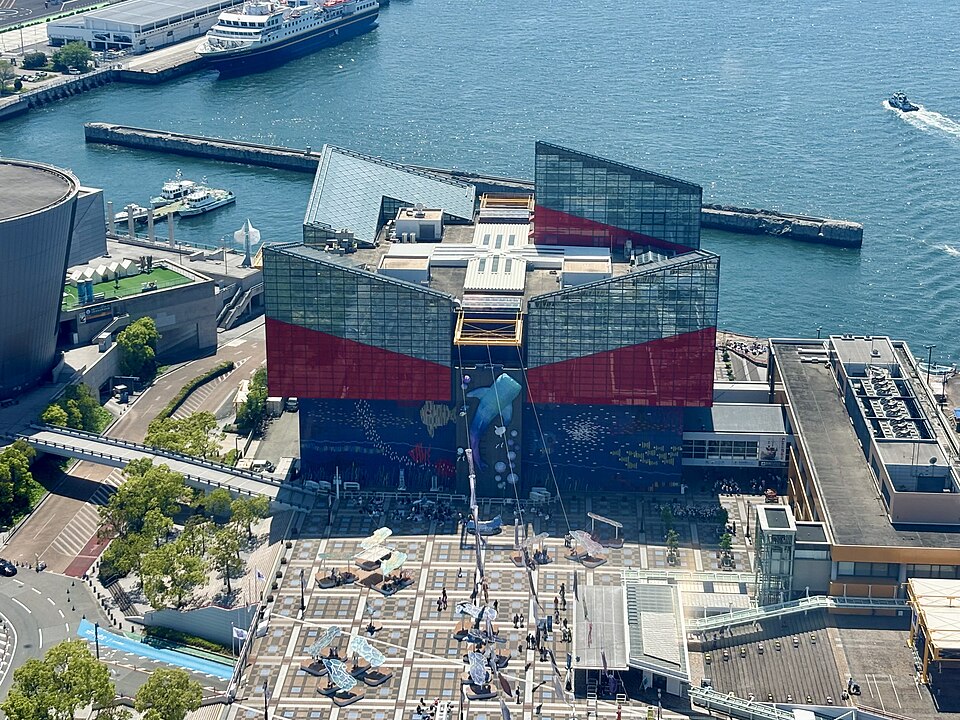

1-1-10 Kaigandori, Minato Ward, Osaka
Osaka might be Japan's easiest big city with a 2-year-old. The aquarium was practically designed for the whale-shark attention span, Kids Plaza is a museum built entirely at toddler height, dinner at 18:00 is what locals do anyway, and every metro station has an elevator. This plan gives each day exactly one headline and one toddler-first stop, threads the nap through a flat lawn walk, and seats you for dinner before the evening crowds even form.
 Planned by Robin
4 days · 20 stops
Planned by Robin
4 days · 20 stops
The whale shark tank in the central Pacific tank is the showstopper, arrive right at opening to beat tour groups.
Casual counter meal right by the aquarium exit, takoyaki and udon stalls a toddler can watch being made.
Flat, stroller-friendly waterfront lawn beneath the Ferris wheel, timed as the nap walk with sea breeze and boat views.
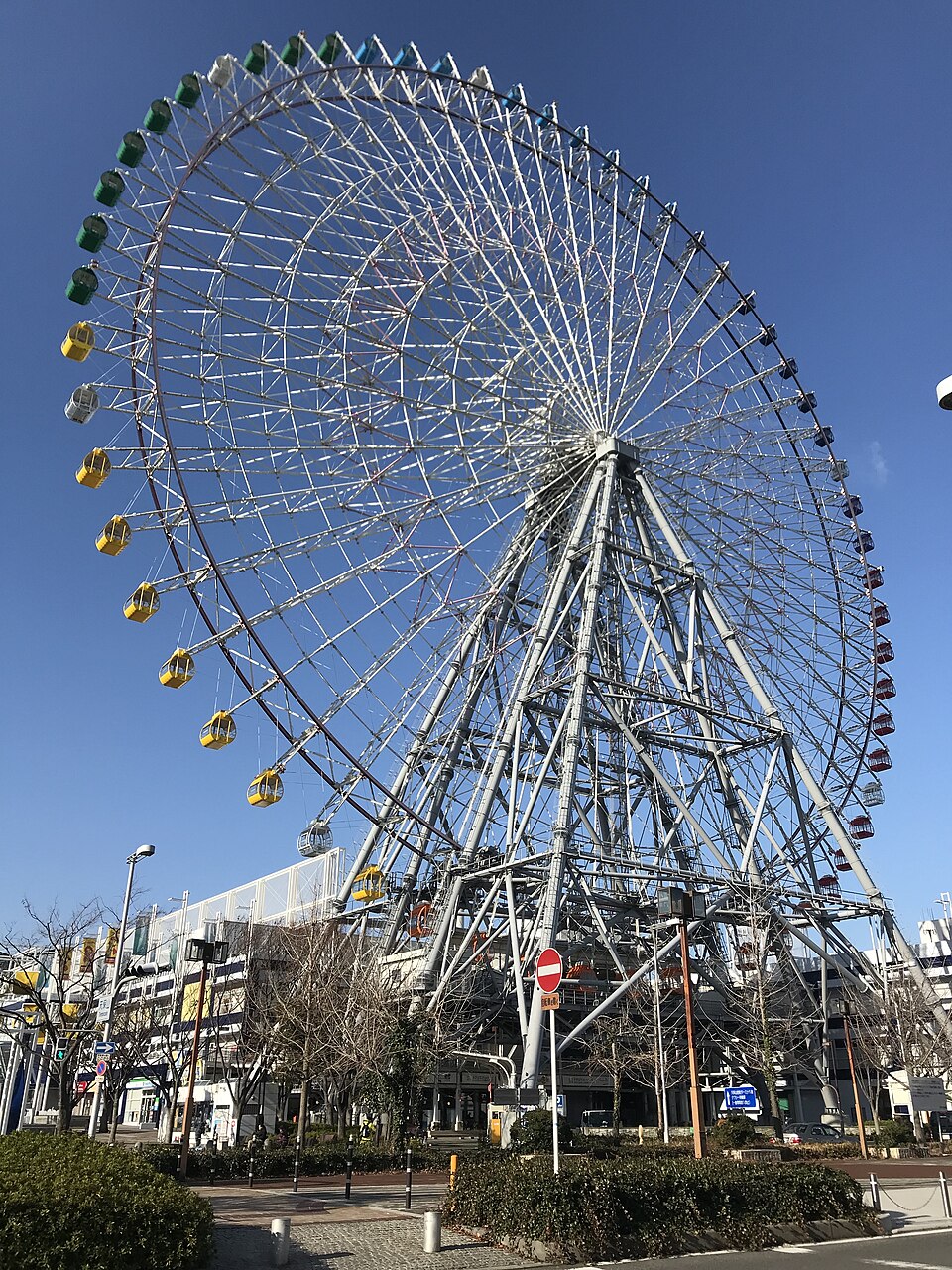
Famous Dotonbori okonomiyaki spot with an open teppan counter, a genuine local specialty kids enjoy watching cook.
Settle in near Namba/Dotonbori for easy stroller access to tomorrow's castle visit.
Walk the moat path up to the keep, the stone walls near the Otemon gate are the best photo spot before the crowds thicken.
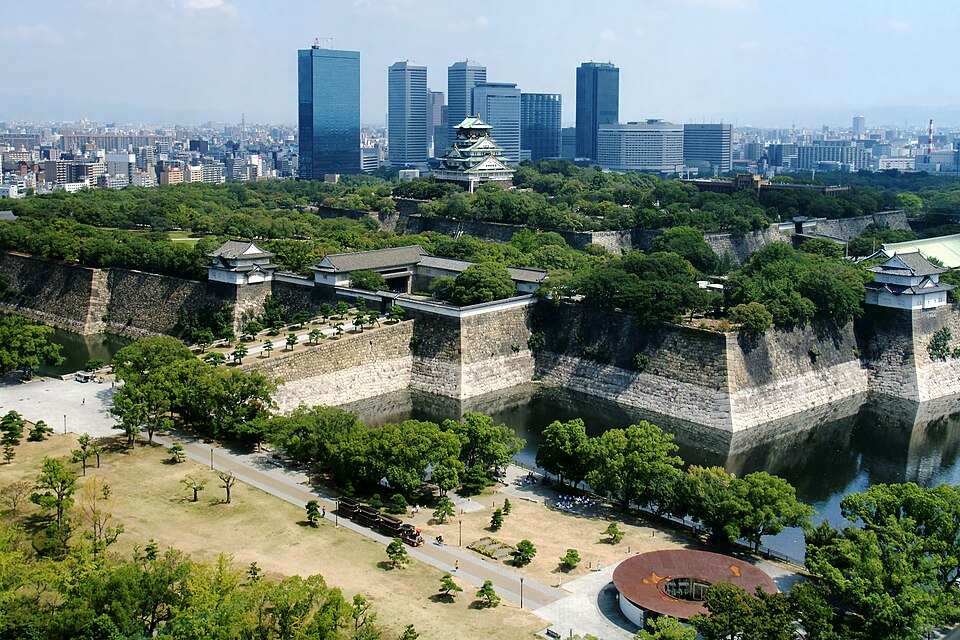
Quick casual bites just outside the park gates, easy in-and-out with a stroller.
Wide flat lawns inside the castle's western bailey, perfect for a stroller nap loop with the keep in view the whole time.
Neighborhood sushi counter near the castle area, relaxed and welcoming for an early family dinner.
Back to the hotel for an early, easy night before tomorrow's market morning.
Graze the covered arcade, grilled scallops and fresh tamagoyaki stalls near the Sennichimae entrance are toddler-bite-sized.
One seated stall meal to round out the market visit before the nap walk begins.
Terraced, flat rooftop garden loops make an easy stroller nap route just south of the market.
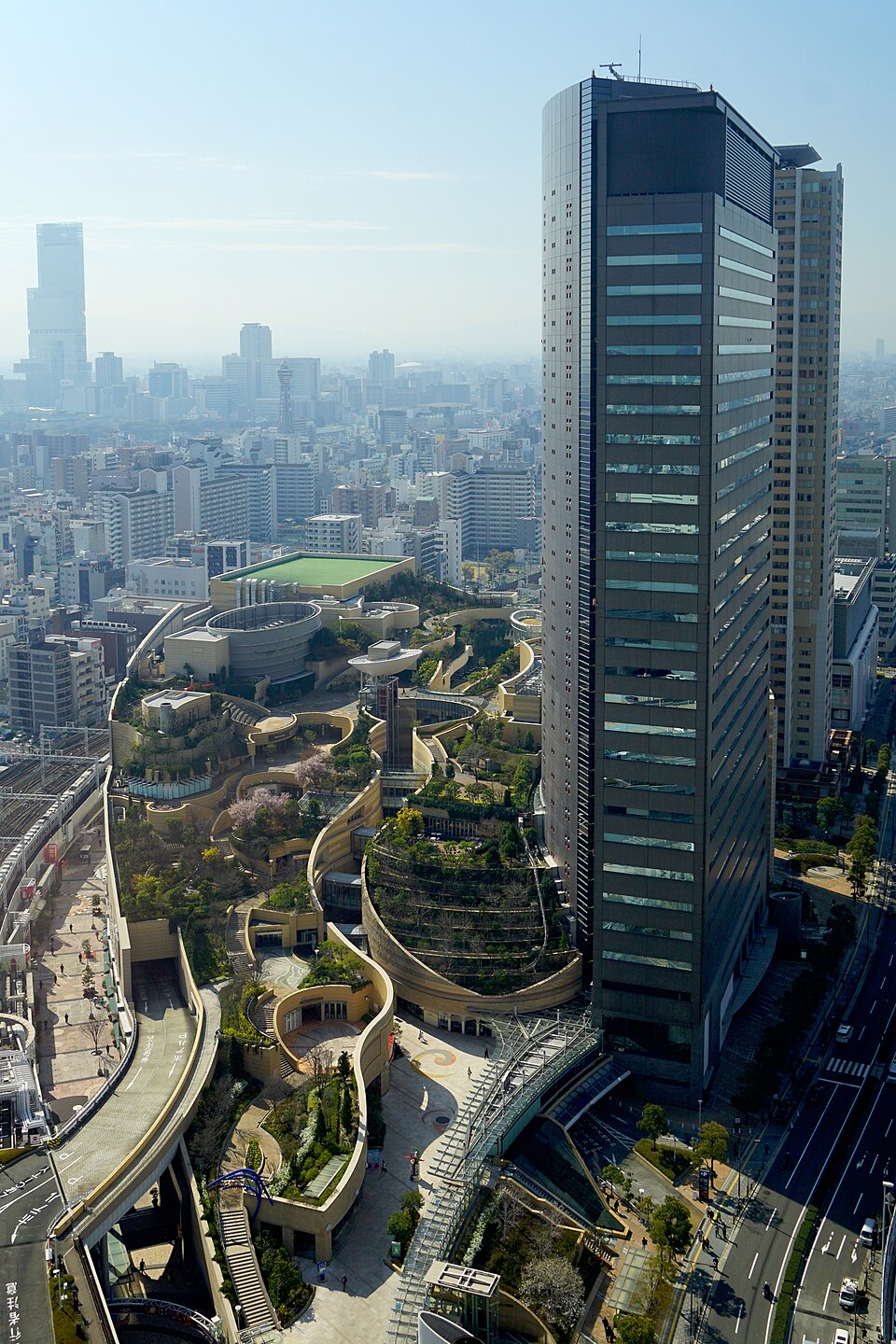
Hands-on floors built for toddlers, the ball pit and giant bubble-making room are the highlight for a 2-year-old.
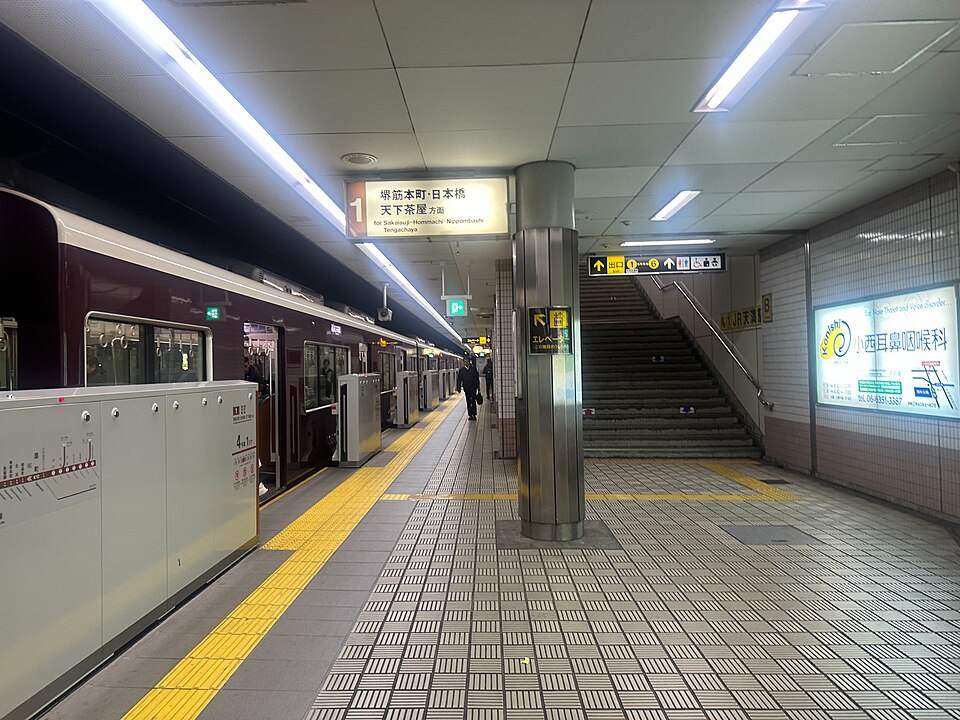
Casual seated noodle or gyoza spot along the river, an easy walk from the hotel after a full day out.
Last night in the city before your final, easy morning.
Open-air rooftop ring walkway gives a full 360° view of Osaka, go before midday haze sets in.
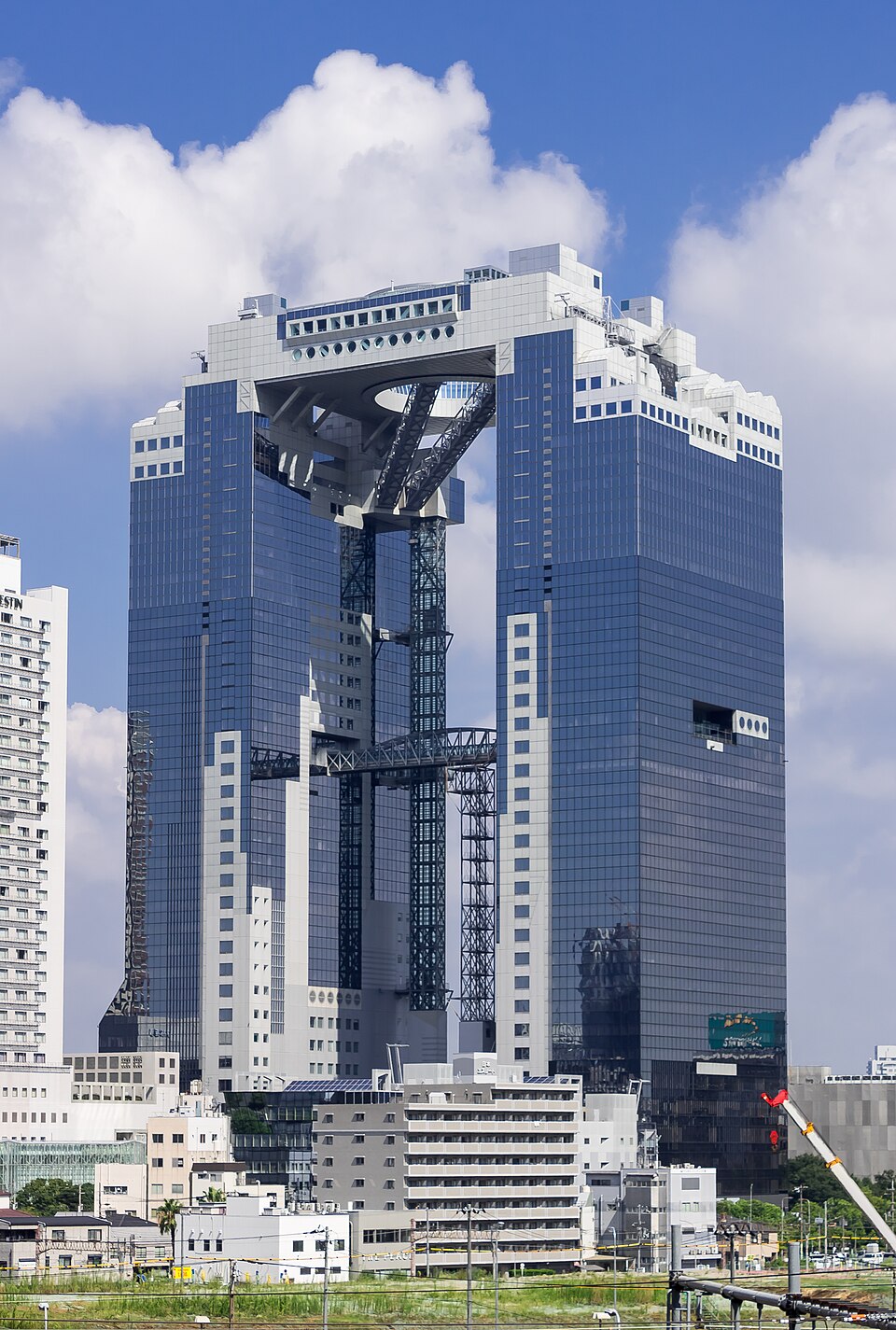
Simple noodle shop in the underground 'Takimi-koji' alley beneath the tower, quick and toddler-friendly.
Flat, tree-lined riverside paths between the Nakanoshima rose garden and City Central Public Hall for a last easy stroller wander.
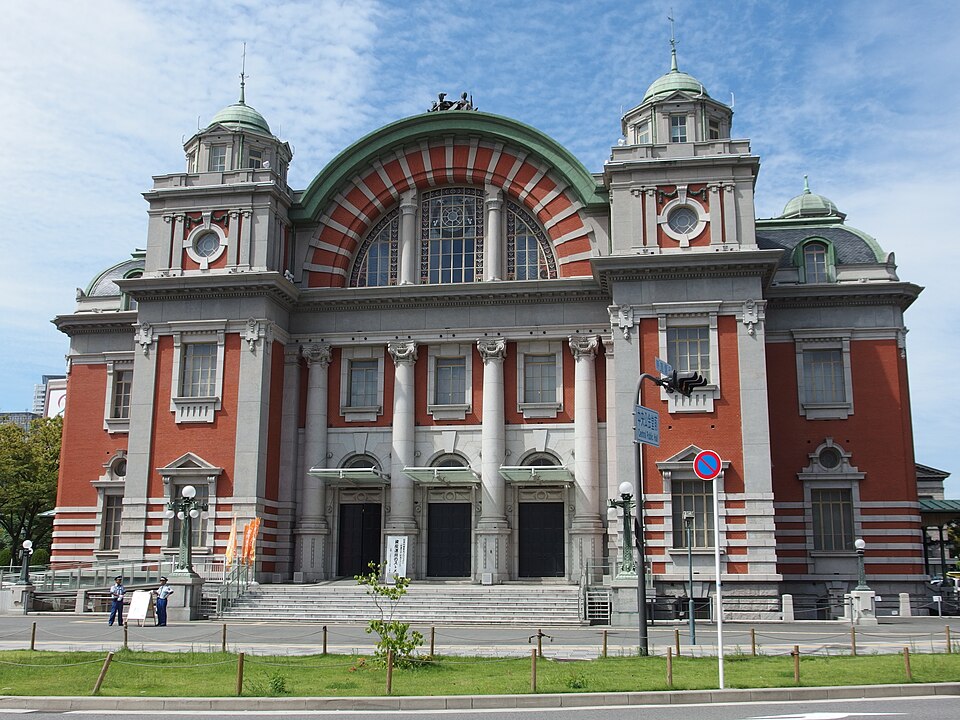
Seated local izakaya-style spot for a relaxed final meal before heading onward.
Osaka's own pancake, cooked in front of you, cut into toddler squares straight off the heat. Watching the flipping is the show.
The molten octopus balls need a five-minute cool-down a toddler will not respect, so order one plate and portion it. The vendors' flipping picks are hypnotic to small children.
Kuromon Ichiba's fruit stalls sell single perfect strawberries and warm rolled omelet by the skewer, the ideal grazing breakfast-lunch bridge.
Conveyor-belt sushi is secretly Japan's best toddler restaurant: booth seating, buttons to press, food arriving instantly, tamago and cucumber rolls for the small person. Ask Robin to slot one in wherever a dinner wobbles.
The Shinsekai fried-skewer institution runs late and rowdy; with a 2-year-old, order kushikatsu as a 17:00 first-seating appetizer or let the grown-ups take turns another evening.
No, and legally they do not need one: Japan's under-6 car seat law has a real exemption for taxis, so a lap-held toddler in the back is both legal and what local families do for short hops. The GO taxi app works in English but has no child-seat option. This plan barely needs taxis anyway, the metro has an elevator at every station; for airport transfers, book a private transfer with a child seat specified in advance.
Family restaurants and mall food courts almost always, and Saizeriya's high chair even has a belt. Small counter places and ramen bars usually have none. The secret weapon is zashiki floor seating: ask for it where offered and the high chair question disappears, your toddler sits on tatami at a low table with nothing to climb out of.
Because the repetition is the design. One big morning thing, early lunch, a flat nap walk, a run-around stop, dinner at 18:00: by day two your toddler stops fighting the schedule because the schedule is the same. Osaka rewards this rhythm more than most cities, there is a lawn, a rooftop garden or a riverside within ten minutes of every headline sight.
Anywhere that seats you at 18:00, which in Japan is everywhere: restaurants open around 17:00 and eating early is normal, not a compromise. For Dotonbori night, walk the riverside south bank before 17:30 while the neon is on but the crush has not formed, then pick any place showing a high chair or a booth. After 18:30 the district is shoulder to shoulder and stroller-hostile; by then you should be eating, not arriving.
One of the two best. Highs around 20 degrees, cool evenings that want a jacket, and cherry blossoms over the castle moats in the first half of the month. The one caution is that blossom season plus a weekend makes the castle park crowded by late morning, which is why this plan puts it at opening.
Warmly and practically. Expect quiet delight, small gifts from shopkeepers and staff who bring a kids cup unprompted. The flip side is that quiet-in-public is the norm on trains: nobody expects silence from a 2-year-old, but stepping toward the train door with a melting-down toddler is the move that earns the sympathetic nods.
This plan is genuinely toddler-first. Every day pairs one headline with one stop that exists purely for a 2-year-old, the nap happens on a flat lawn or riverside walk rather than in a museum queue, and every dinner seats you by 18:00, which in Osaka is simply when restaurants open. Distances are short, the metro has elevators throughout, and the two indoor aces, the Kaiyukan and Kids Plaza, cover any rainy day. The only stretch that asks anything of you is Dotonbori's evening density: go early, exactly as the plan does.
Japan's car seat law exempts taxis, so a lap-held toddler in the back is legal and normal for short hops. No street taxi carries a seat and the GO app cannot book one; for the airport runs, pre-book a private transfer with a child seat named in the booking. Inside the city you will barely use taxis at all.
Reliably at family restaurants, department-store restaurant floors and mall food courts; rarely at small counter shops. Zashiki floor seating is the better-than-high-chair answer, and kaiten-zushi booths hold a toddler snugly with entertainment included.
Welcoming, especially before 18:30. Restaurants open around 17:00 and early family dinners are the Japanese norm, so your toddler's schedule is the city's schedule. Skip atmospheric counter izakaya and kaiseki; choose booths, floor seating and food halls, and the city is yours.
Among Japan's best. Every metro station has an elevator, often exactly one and sometimes at the platform's far end, so budget a few extra minutes. Avoid rush hours before 09:30 and after 17:30 with the stroller, and treat evening Dotonbori as carrier territory.
Mild and lovely: highs near 20 degrees, blossom over the moats early in the month, cool evenings that want a layer. Rain is occasional rather than persistent, and Kids Plaza plus the aquarium make the wet-day plan better than most cities' dry-day plans.
With warmth that often opens doors: kawaii exclamations, small gifts, kids cups appearing unprompted. Baby rooms with hot water and nursing chairs are standard in every department store, which is Japan's real way of saying children are welcome.
Drop day 4, and if the observatory matters, ride Umeda Sky's escalators late on day 2 after the Nishinomaru lawns, the sunset slot suits a pre-dinner toddler better than a morning anyway.
Whatever else compresses, day 3's market-plus-Kids-Plaza pairing is the toddler heart of the trip and should survive intact.
Forty minutes by train, flat park lanes, and deer that bow. With a 2-year-old, keep the crackers in a parent's hand and feed from there, the deer are pushier than they look on postcards.
Kobe's harborland is a stroller-flat afternoon with a Ferris wheel; in autumn, Minoo's waterfall path makes a gentle forest morning. Ask Robin to fit whichever suits your dates.
This trip was built for a typical first visit. You aren't typical. Find your loves, your budget, and your perfect Osaka adventure by building on this trip with Hey Robin.
Finish this itinerary FREE at Hey Robin →


